


Photo: @inderjit-singh-1398777 via Pexels
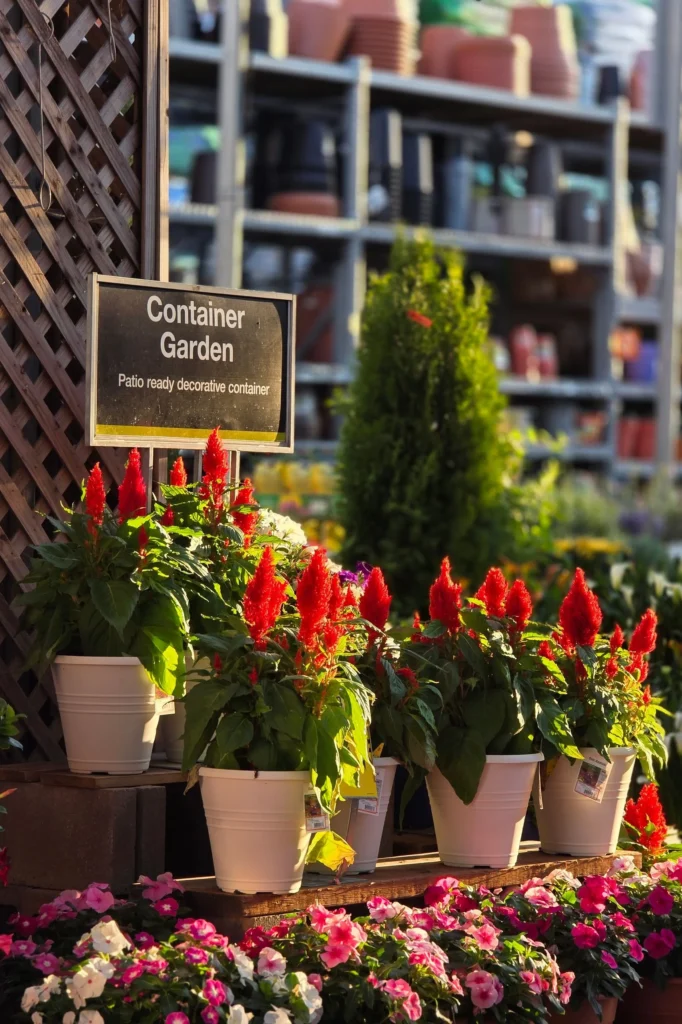
You do not need a big garden to grow something worth eating or admiring. A sunny step, a balcony rail, or one bright windowsill is enough to start. That is the whole promise for container gardening beginners: small pots, clear rules, and plants that forgive the odd mistake. The seventeen ideas below start with the easiest wins and build toward a full little garden, one pot at a time. Pick one idea this weekend, and you will learn more from that single pot than from any amount of reading.
1. Start With Herbs in a Sunny Pot

Photo: @cottonbro via Pexels
Herbs are the kindest first plants a beginner can grow. Basil, parsley, and chives all thrive in a pot that gets four to six hours of sun, and you can snip what you need for dinner the same day. Use a pot at least eight inches wide with a drainage hole, fill it with ordinary potting mix, and water when the top inch of soil feels dry. I started with a single basil plant on my kitchen windowsill, and within a month I was giving cuttings away to neighbors. Herbs also teach you the most important container skill: checking the soil with your finger instead of watering on a schedule.
2. Grow Tomatoes in a Big Bucket
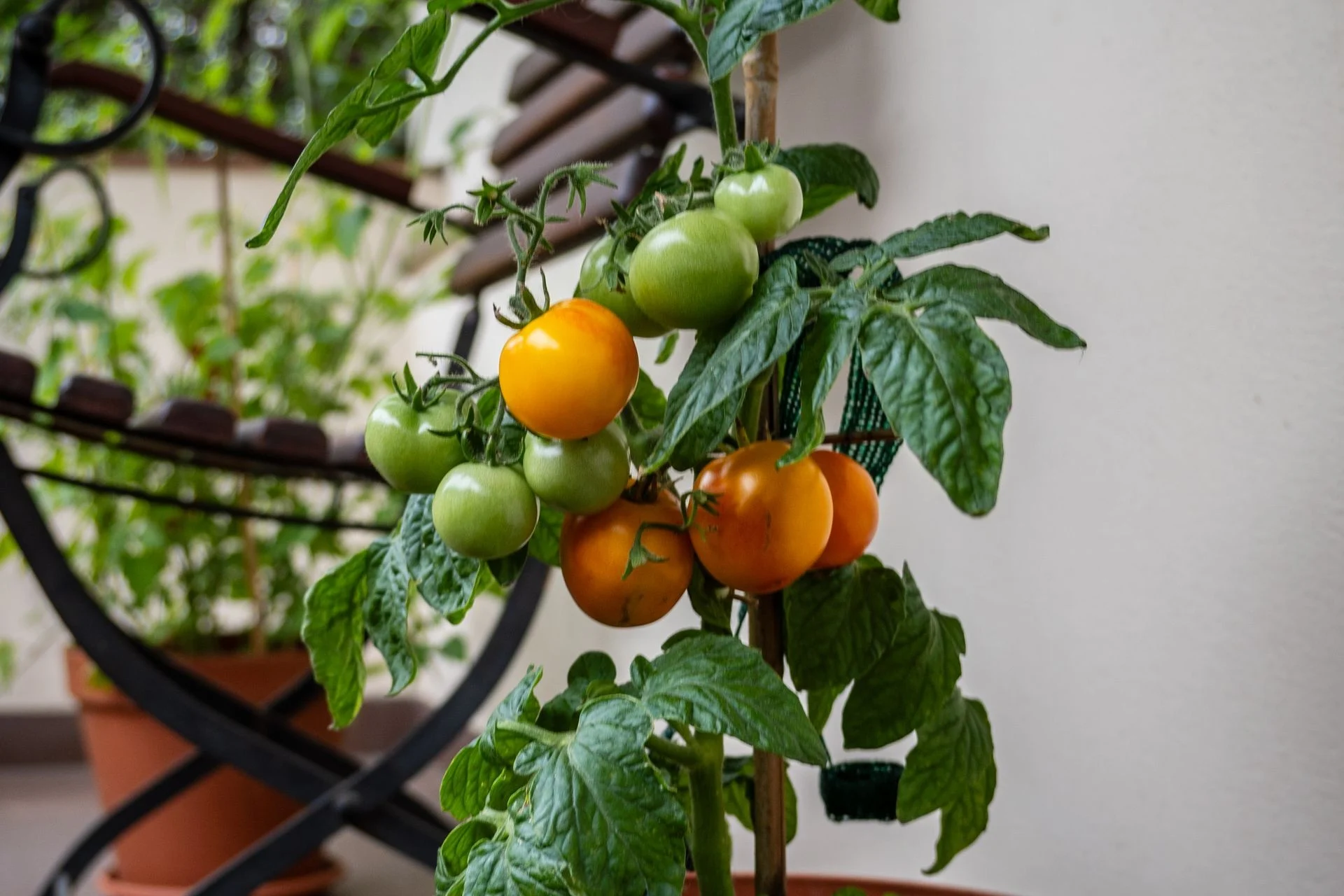
Photo: @michalrobak via Pexels
Tomatoes want room, sun, and steady water, and a five-gallon bucket gives them all three. Drill a few drainage holes if the bucket has none, add a stake or small cage at planting time, and choose a compact or cherry variety rather than a giant beefsteak type. Cherry tomatoes are forgiving, fruit early, and taste noticeably better than shop-bought ones. Water deeply so it runs from the bottom, and feed every couple of weeks once flowers appear. My first bucket tomato produced a handful a day by midsummer, which felt like a small miracle for one pot.
3. Salad Leaves in a Shallow Tray

Photo: @markusspiske via Pexels
Loose-leaf lettuce is the fastest reward in container gardening. Sow seeds thinly in a shallow tray or window box, keep the soil damp, and you can start cutting baby leaves in about four weeks. Cut the outer leaves and leave the center growing, and one tray keeps producing for weeks. Lettuce prefers cooler weather and some afternoon shade, so a spot that gets morning sun is ideal. If the leaves turn bitter in a heatwave, move the tray into shade and sow a fresh batch. Nothing beats walking outside with scissors and coming back with a salad.
4. Strawberries Spilling From a Hanging Basket
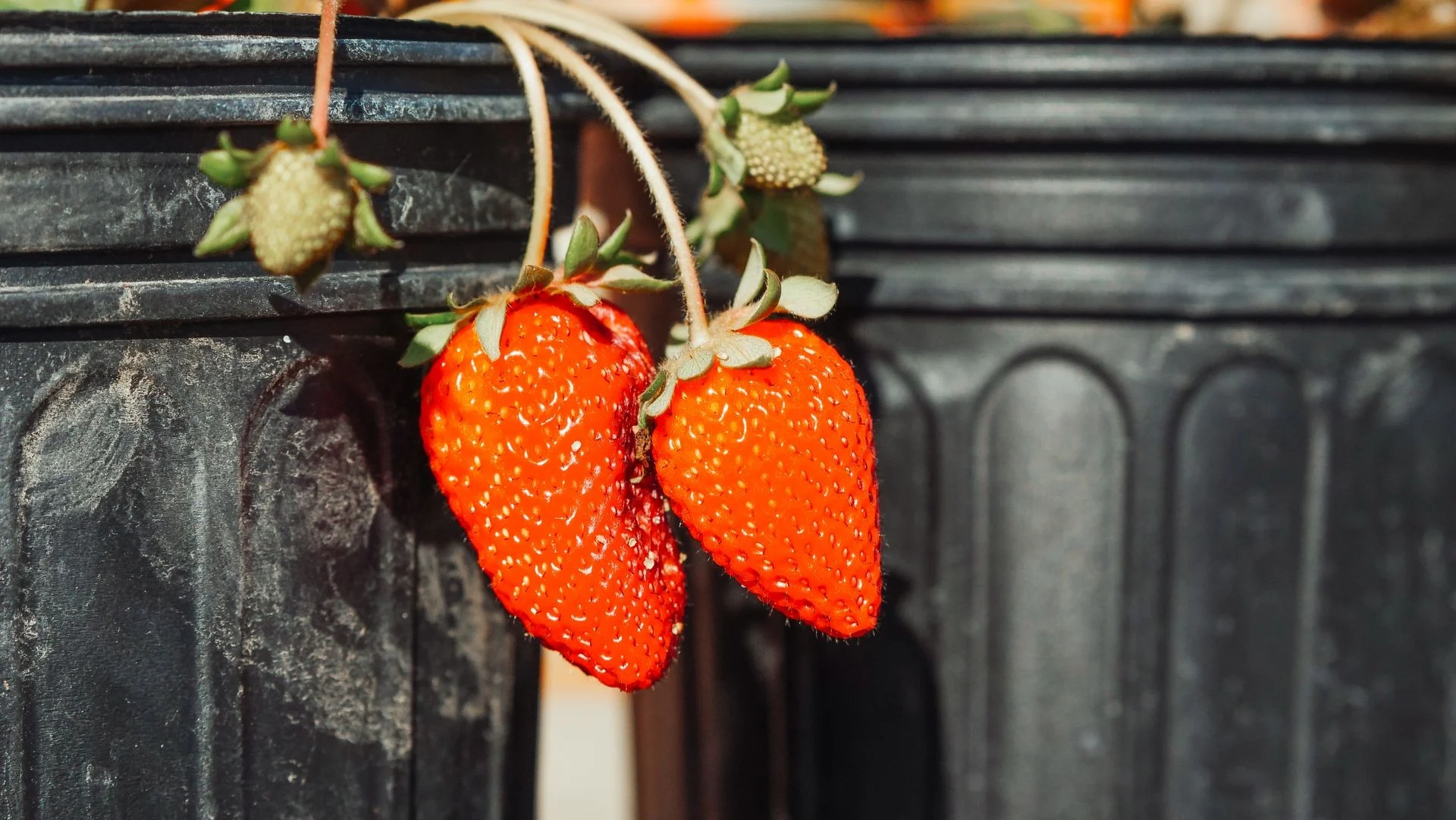
Photo: @kindelmedia via Pexels
A hanging basket of strawberries looks beautiful and keeps the fruit off the ground, away from slugs. Line a wire basket with coir or moss, fill it with potting mix, and plant three or four strawberry plants around the edges so they trail downward as they grow. Water daily in warm weather, since baskets dry out faster than pots on the ground. Pick the berries as soon as they turn fully red, because birds are watching too. My basket gave me a small bowl of berries most mornings in June, and the kids picked them before I got the chance.
5. Peppers on a Balcony Rail Planter
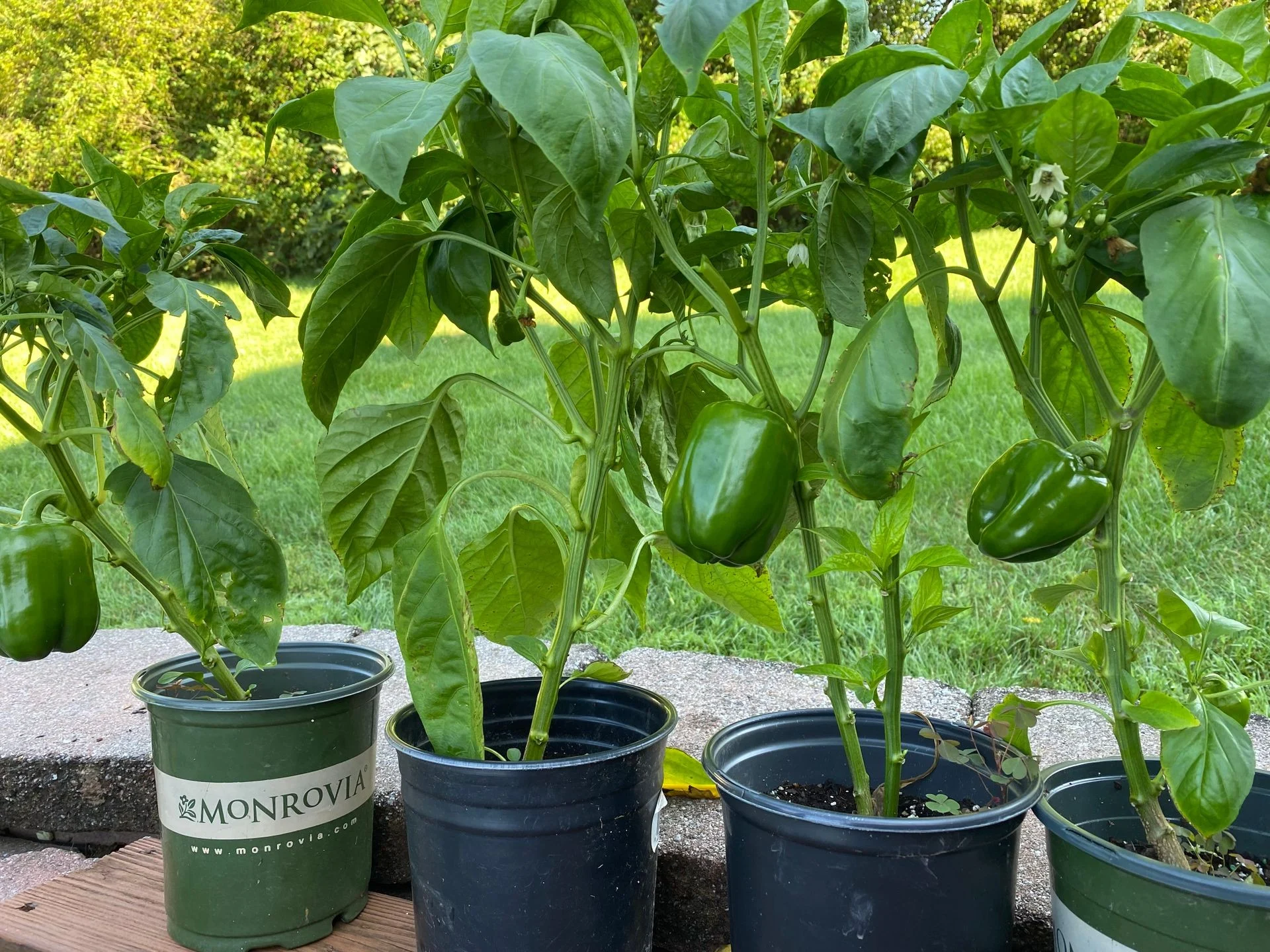
Photo: @richa-varshney-3635708 via Pexels
Peppers love heat and sun, which makes a sunny balcony rail the perfect spot. A rail planter or a deep trough holds two or three plants, and the warmth reflected from the building actually helps them ripen. Sweet bell peppers and small hot chillies both do well in containers, and they need less water than tomatoes, so they suit a forgetful waterer. Let one pepper ripen fully on the plant before picking, since homegrown peppers change color and sweeten as they mature. Stake taller plants early, before a windy day flattens them.
6. A Terracotta Trio by the Door
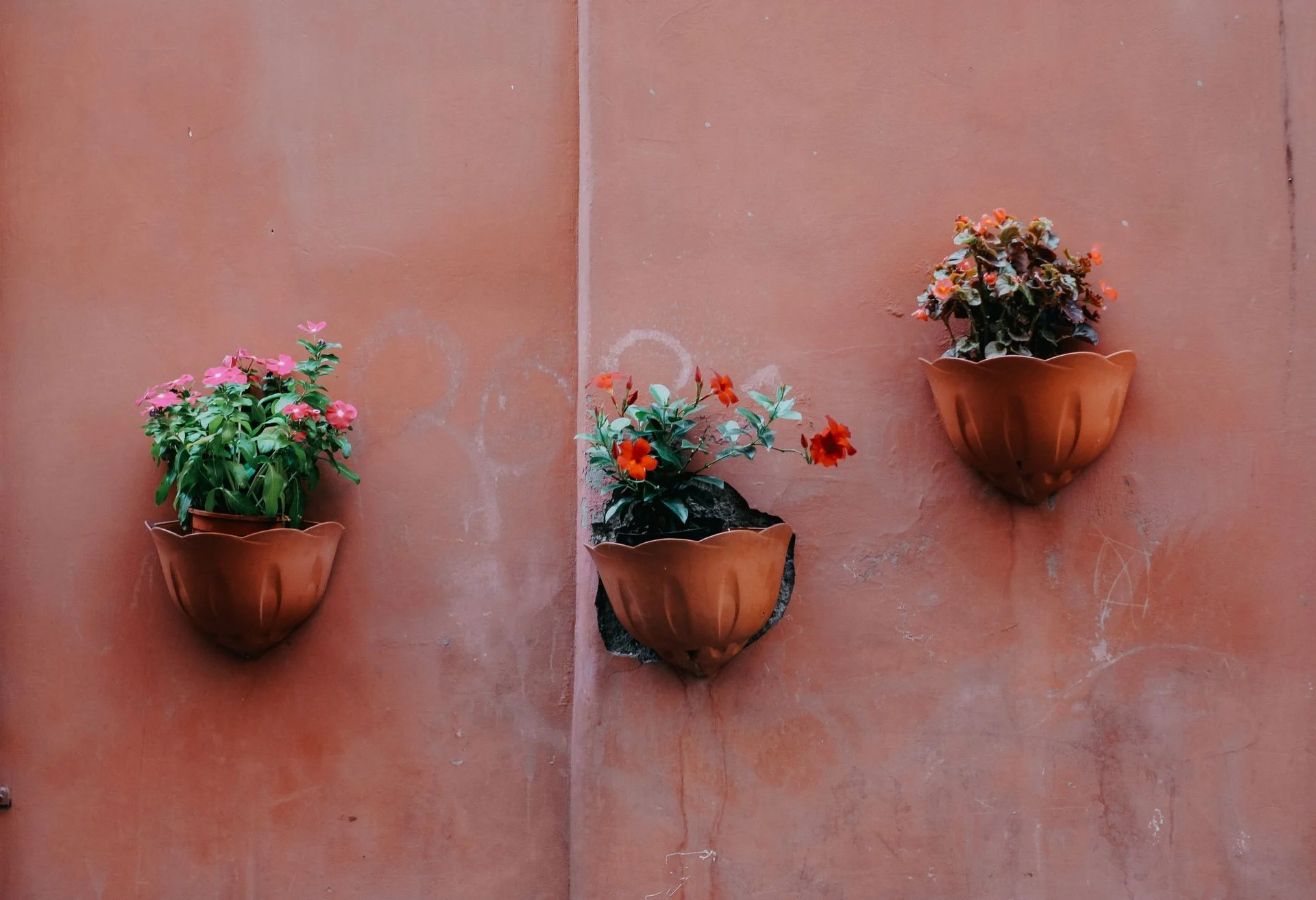
Photo: @nati-87264186 via Pexels
Three terracotta pots of different heights by the front door make an instant welcome, and they are a gentle way to learn about watering. Terracotta breathes, so soil dries faster than in plastic, which suits plants that hate wet feet, like lavender and geraniums. Group the tallest pot at the back, a medium one beside it, and a small one in front, and plant each with a single color family so the group looks intentional. For more ideas on dressing up the entrance, see our spring decor ideas to freshen every room. Water terracotta pots in the morning, and check them again on hot afternoons.
7. Mint in Its Own Pot, Always
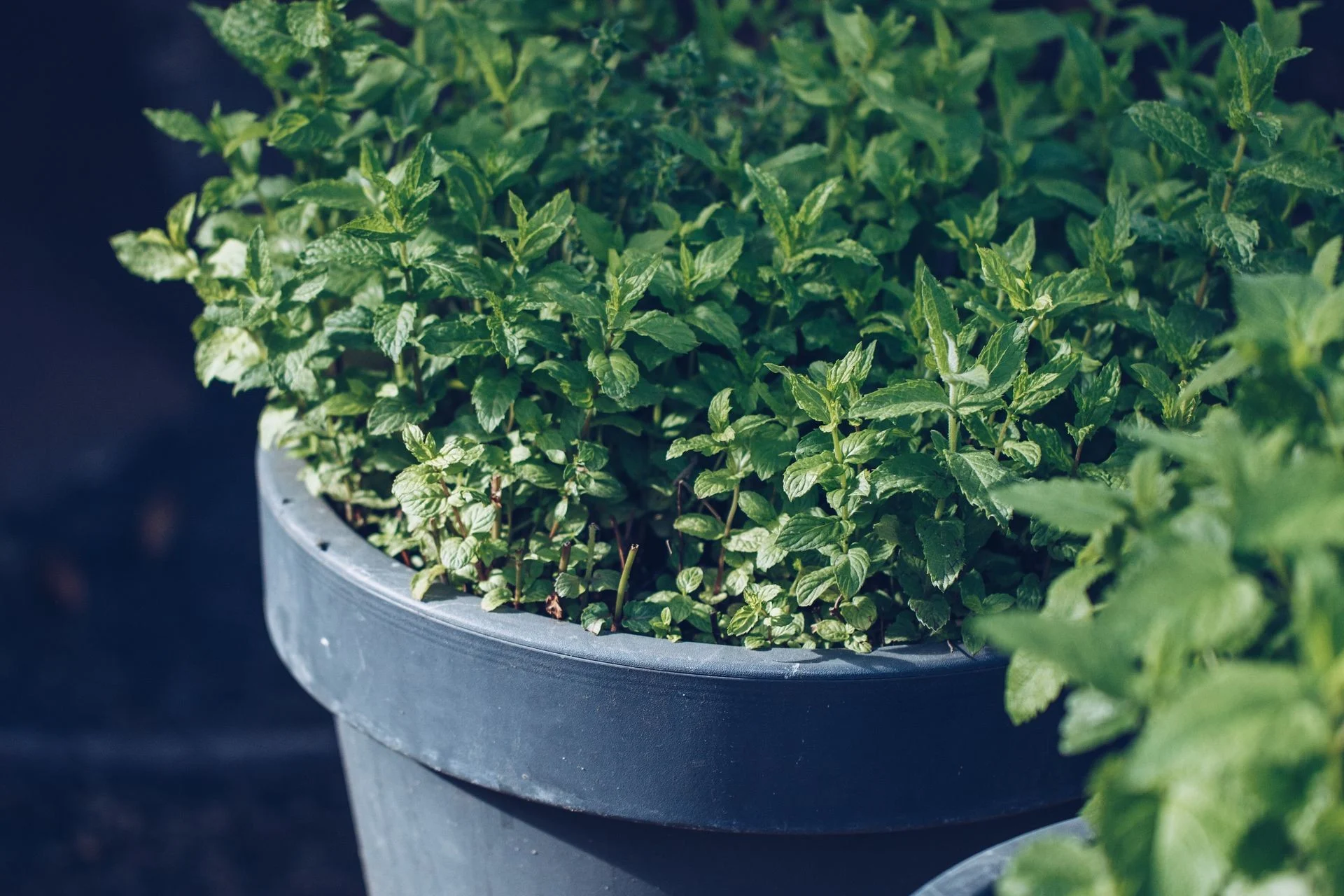
Photo: @damianapanasowicz via Pexels
Mint is a wonderful herb and a terrible neighbor. Planted in open soil it spreads everywhere, but in its own pot it behaves perfectly and gives you leaves for tea, salads, and desserts all season. Give mint a pot at least ten inches wide, keep the soil moist, and cut it back hard whenever it gets leggy, since cutting encourages bushy new growth. One pot of mint lasts for years if you divide it every spring. I learned this the hard way after mint took over a whole bed, and now it lives in solitary confinement on my patio, where it thrives.
8. A Self-Watering Pot for Forgetful Waterers

Photo: @shkrabaanthony via Pexels
If you travel, work long hours, or simply forget to water, a self-watering pot changes everything. These pots have a water reservoir at the bottom and a wick or soil column that draws moisture up as the plant needs it. Fill the reservoir once a week instead of watering daily, and the soil stays evenly damp, which most vegetables prefer. They work especially well for tomatoes, peppers, and herbs on a hot balcony. Check the water gauge or lift the pot to judge the level, and empty and refill the reservoir every few weeks so the water stays fresh.
9. Dwarf Citrus in a Sunny Corner
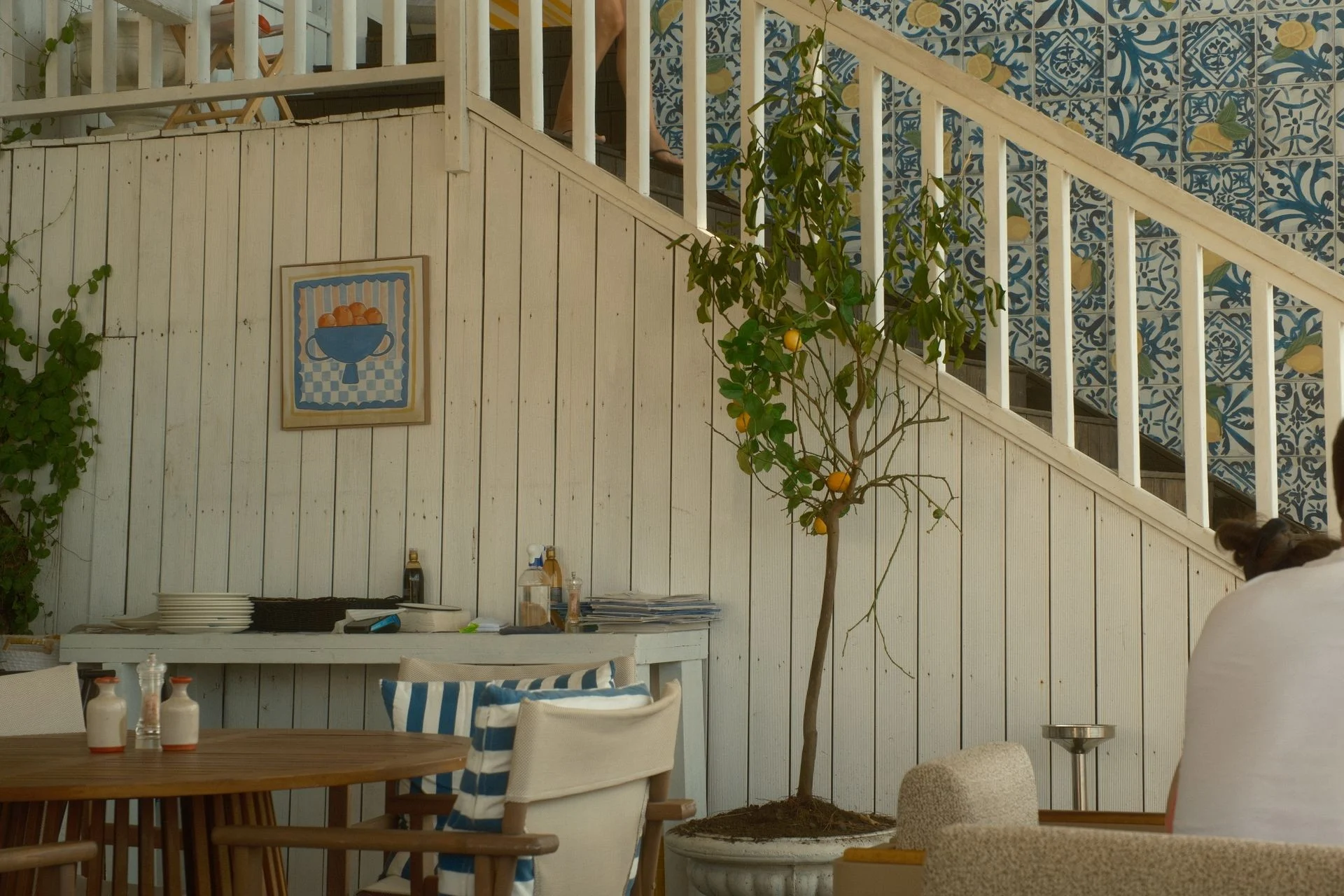
Photo: @arlindphotography via Pexels
A dwarf lemon or kumquat tree in a large pot is the most glamorous container plant a beginner can own. It needs the sunniest corner you have, a pot at least fourteen inches wide, and well-drained citrus or cactus mix. In cold climates, bring it indoors before the first frost and put it by your brightest window. The flowers smell wonderful, and a single tree can carry fruit and blossom at the same time. Mine sulked for a month after I moved it inside one winter, then burst into flower in February, which taught me that citrus trees complain loudly and recover just as fast.
10. Flowers and Vegetables in One Pot
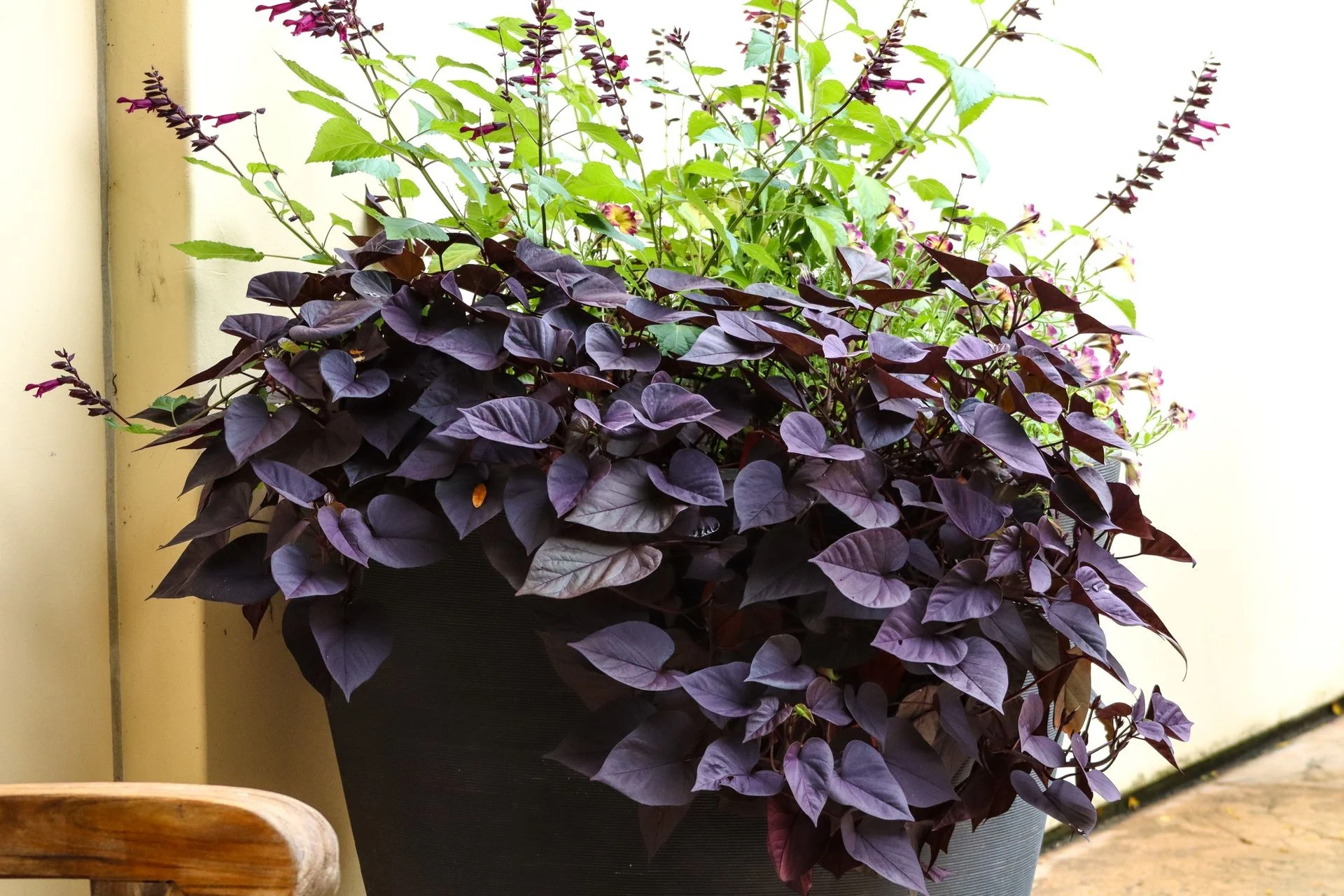
Photo: @karen-f-1376469 via Pexels
There is no rule that says a pot must hold only one kind of plant. A large container with a tomato in the center, marigolds around the edge, and a few lettuce leaves tucked in between looks gorgeous and works hard. Marigolds are said to help deter some pests, and the lettuce uses the shade under the tomato while it is small. This mixed style also suits a small space, since one big pot does the work of three small ones. For a softer take on seasonal color around the house, see our pastel spring decor ideas that feel modern. Just make sure every plant in the pot wants similar sun and water.
11. A Vertical Pocket Planter for a Tiny Wall
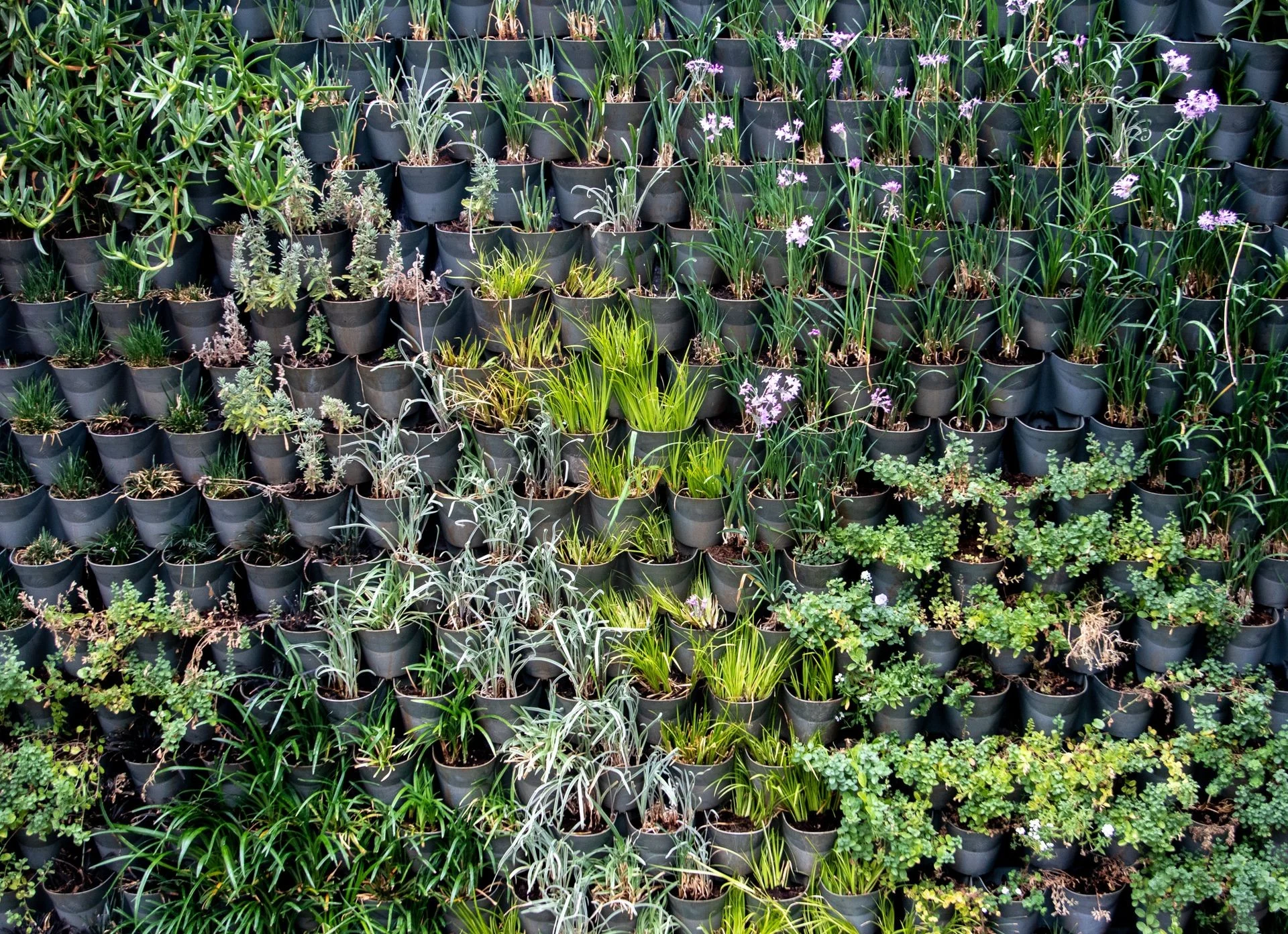
Photo: @magda-ehlers-pexels via Pexels
When you have a wall but no floor space, a felt pocket planter or a row of wall-mounted pots turns that wall into a garden. Hang it on a sturdy fence or a brick wall, fill each pocket with potting mix, and plant herbs, strawberries, or trailing flowers. Water slowly from the top so each pocket gets a share, and check the lowest pockets, which can stay soggy while the top ones dry out. A pocket planter on my balcony wall holds twelve herb plants in the space of one doormat, and it is the first thing visitors notice. Fix it securely, since a full planter is heavy.
12. Potatoes in a Grow Bag

Photo: @swastikarora via Pexels
Potatoes are a brilliant beginner crop because the harvest feels like treasure hunting. Plant two or three seed potatoes in a fabric grow bag with a few inches of soil, then add more soil as the stems grow, burying them gradually. The fabric lets air reach the roots and drains well, which potatoes love. When the tops yellow and die back, tip the whole bag out onto a tarp and gather the potatoes. Children love this part, and so do adults, honestly. One grow bag on a patio can produce several pounds of potatoes from a handful of seed.
13. Carrots in a Deep Pot
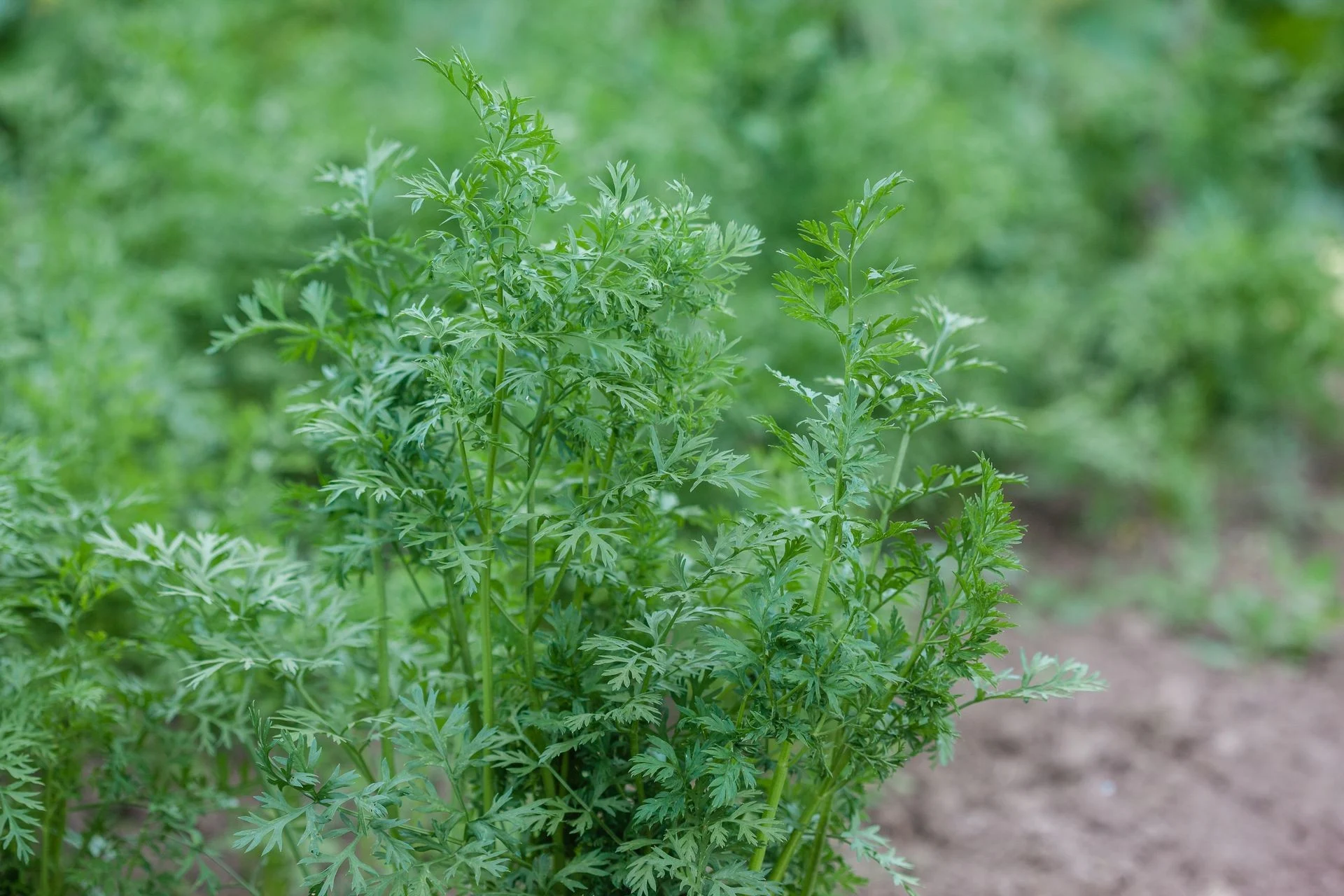
Photo: @filirovska via Pexels
Carrots need depth, not width. A pot at least twelve inches deep filled with loose, stone-free potting mix gives roots room to grow straight instead of forking into strange shapes. Sow seeds thinly, keep the soil damp until they sprout, and thin the seedlings to about two inches apart, which feels ruthless but gives you proper carrots instead of a crowd of tiny ones. Short or round varieties suit containers best. Pull one carrot early to check progress, and leave the rest until the shoulders push up through the soil. Homegrown carrots taste sweeter than any I have bought.
14. A Succulent Bowl for a Dry, Sunny Spot
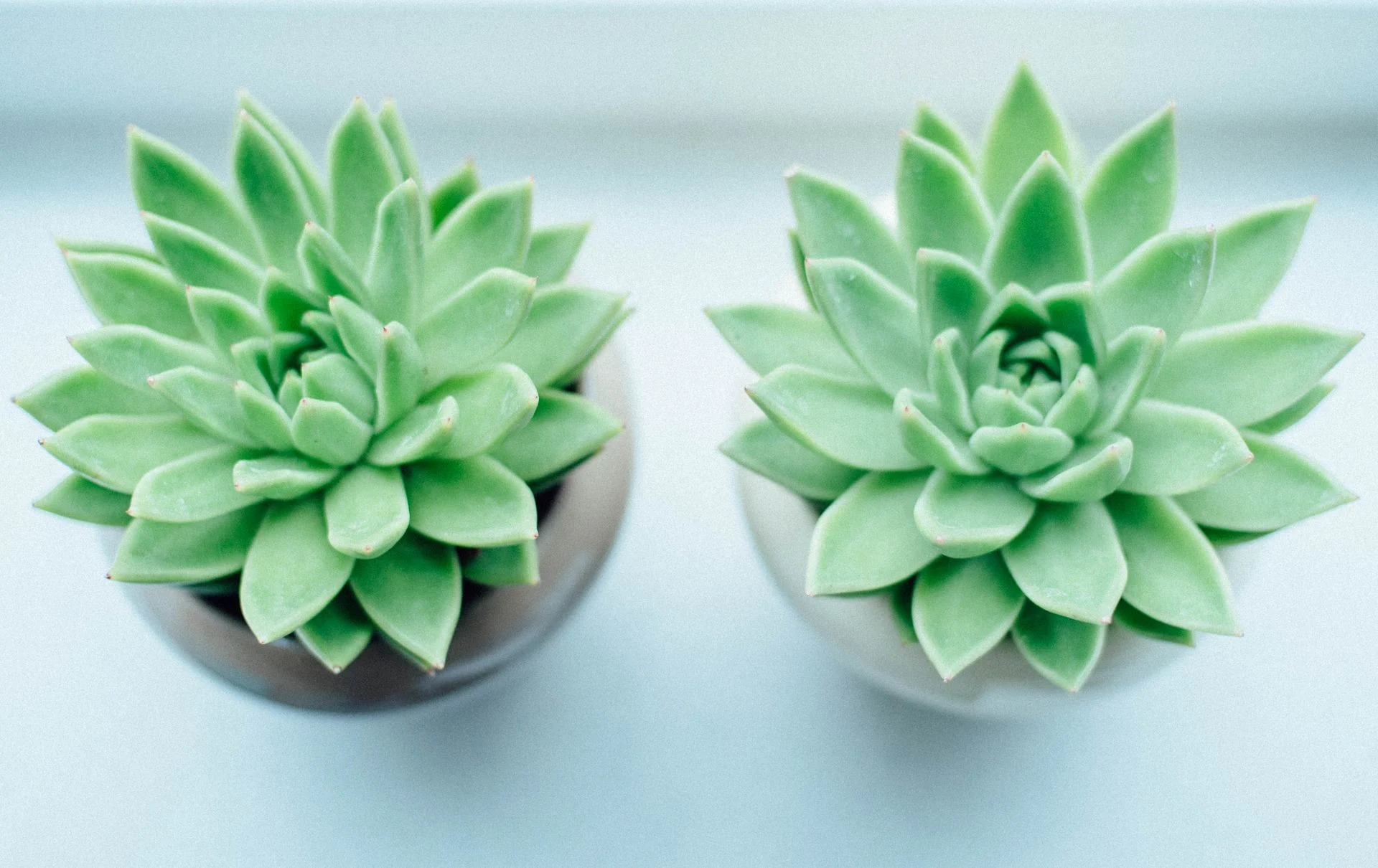
Photo: @larissafarber via Pexels
If your sunny spot is also a spot you forget to water, succulents are your plants. A shallow bowl with drainage holes, filled with gritty cactus mix, holds a whole collection of rosettes and trailing types that need water only when the soil is fully dry. Overwatering kills succulents faster than drought ever will, so when in doubt, wait another week. They also propagate easily: a single leaf laid on soil often roots and grows a new plant. My succulent bowl lives on a hot windowsill, gets watered about once a fortnight, and looks better every year.
15. Climbing Beans on a Small Trellis
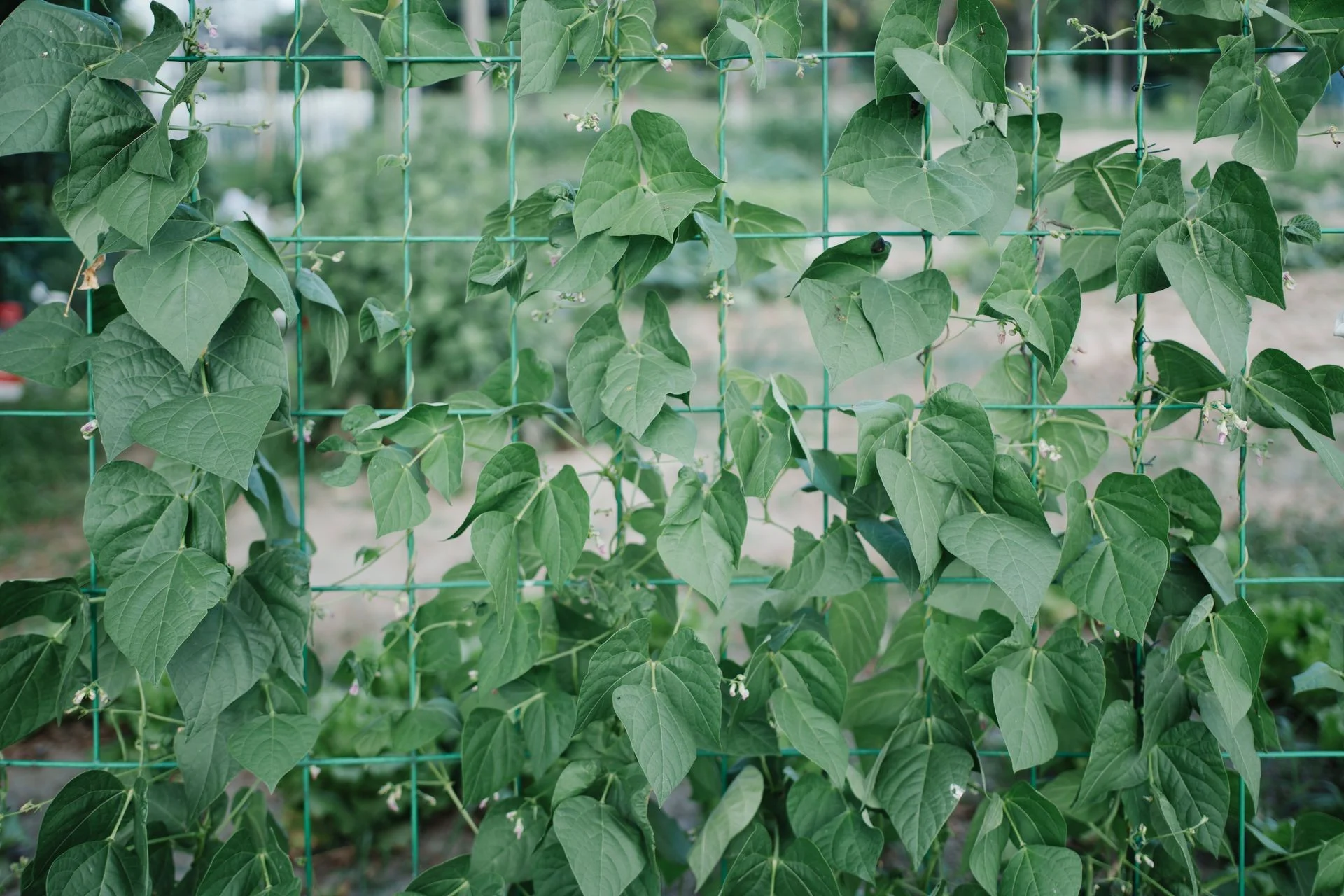
Photo: @fangyuanzhiwai via Pexels
Climbing beans turn a pot into a green screen. Push a small trellis or a wigwam of bamboo canes into a large pot, sow two beans at the base of each cane, and watch them race upward. Pick the beans young and often, since regular picking encourages the plant to produce more. A pot of climbing beans on a balcony gives you privacy, shade, and dinner all at once, which is a lot of return for one container. They also fix nitrogen in the soil, so the potting mix is richer afterward for whatever you plant next.
16. A Pollinator Pot With Lavender and Marigolds
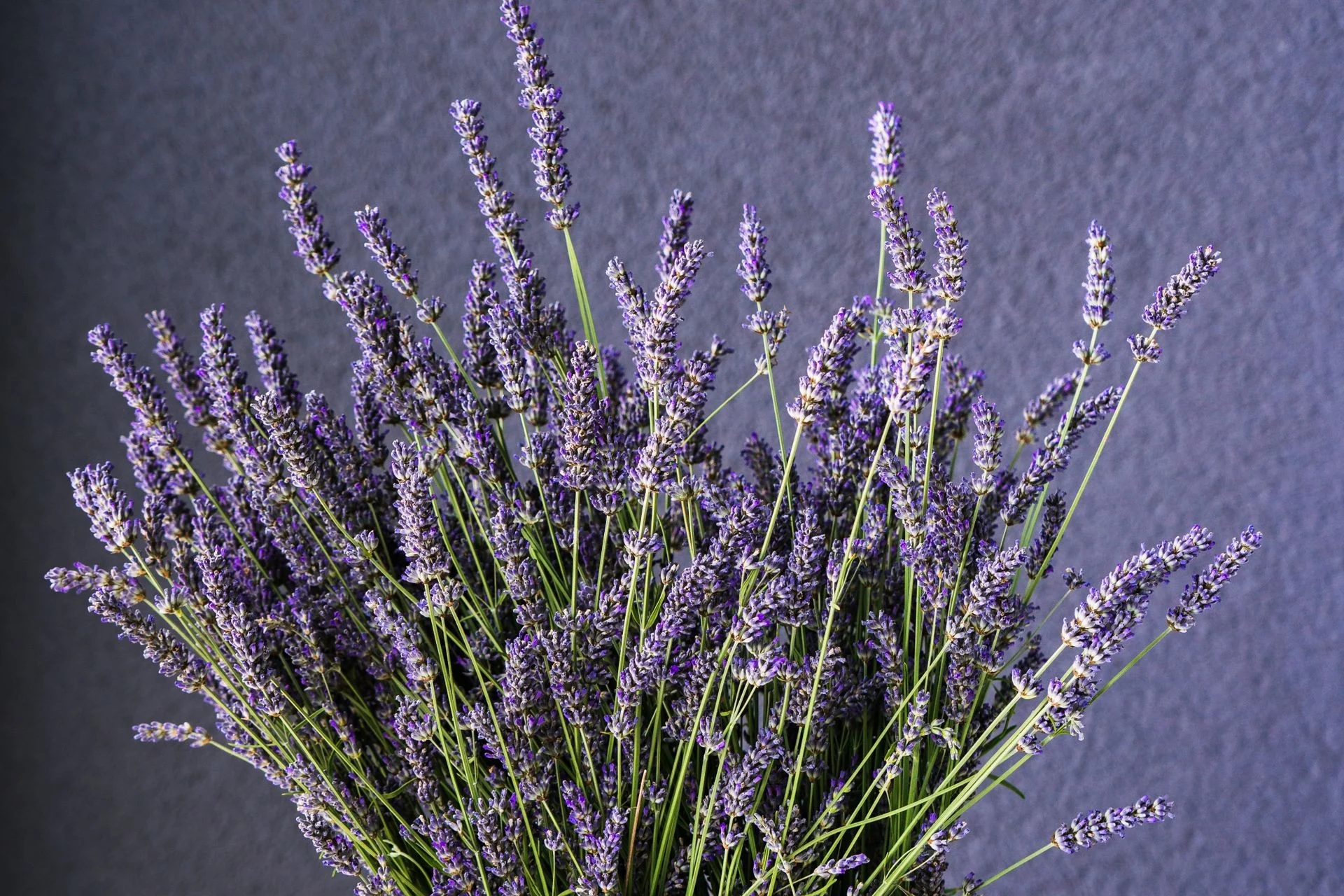
Photo: @peterfazekas via Pexels
A pot of lavender, with marigolds tucked around it, does double duty: it looks and smells lovely, and it feeds bees and butterflies all summer. Lavender needs sun and sharp drainage, so mix grit into the potting soil and never let the pot sit in a saucer of water. Marigolds fill the gaps, flower for months, and add a splash of orange and gold. Put the pot where you sit in the evening, and you will hear bees working it on warm days. Deadhead the marigolds regularly, and cut the lavender back lightly after flowering to keep it compact.
17. One Pot a Week: A First-Season Plan for Container Gardening Beginners
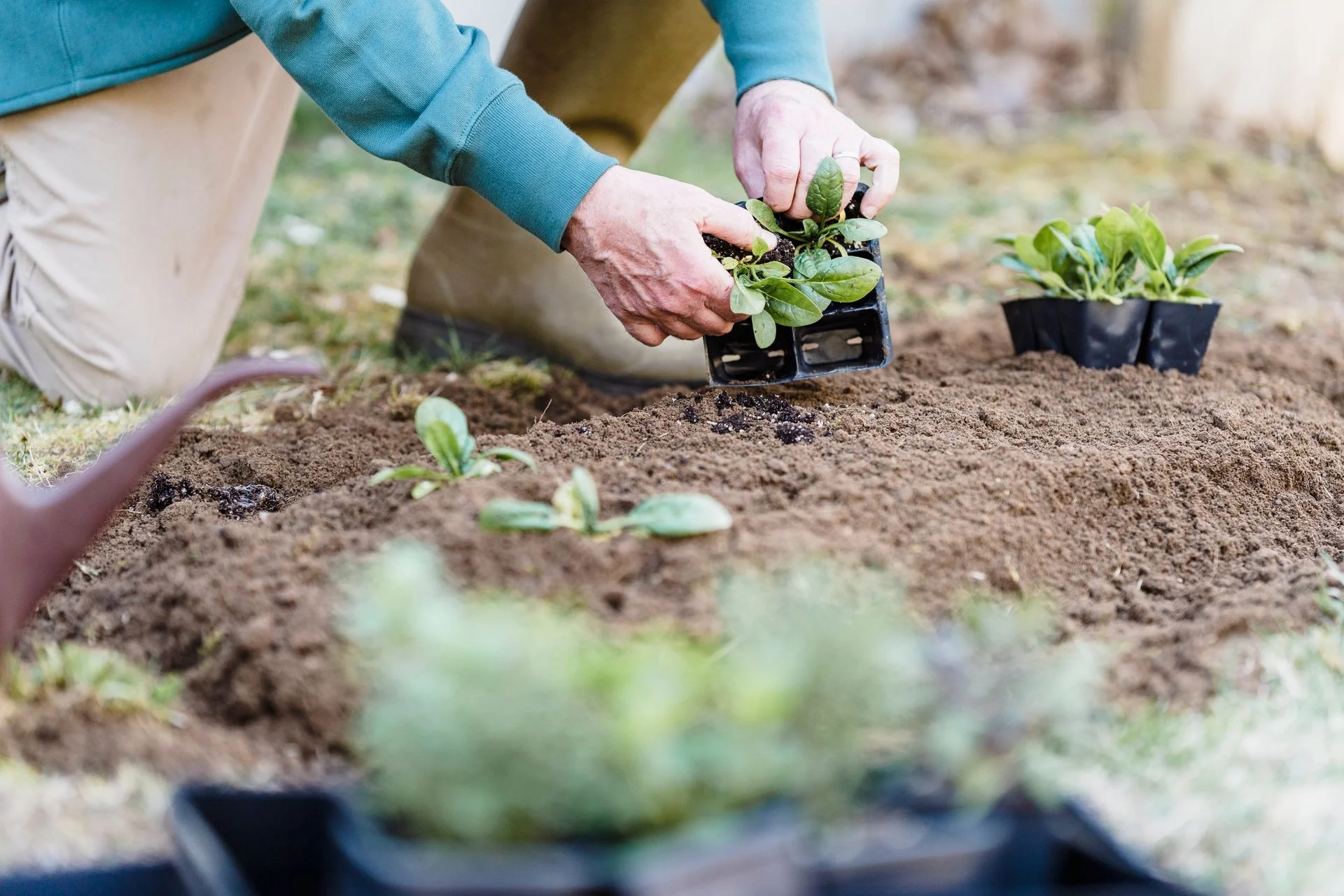
Photo: @greta-hoffman via Pexels
The best way to start is slowly, one pot a week. Week one, plant herbs. Week two, add a tomato. Week three, sow salad leaves. By week six you will have a small garden and, more importantly, a routine: a morning check of the soil, a quick water, a snip of something for dinner. Keep a simple note of what you planted and when, so next year you can repeat what worked and skip what did not. If a plant fails, and one probably will, treat it as information, not defeat. Every gardener loses plants. The ones who keep going are the ones with a full garden a year later, and a good story about the pot that taught them the most. For help clearing winter out of the way before you start, see our guide on transitioning winter decor into spring.
Frequently Asked Questions
What size pot should a beginner start with?
Bigger is usually easier. A pot at least ten to twelve inches wide holds more soil, dries out more slowly, and forgives a missed watering. Tiny pots look cute but need watering once or even twice a day in summer.
Do container plants need special soil?
Yes, use bagged potting mix, not garden soil, which compacts in pots and drains poorly. Potting mix is light, holds moisture evenly, and usually contains enough feed for the first few weeks.
How often should I water container plants?
Check the soil with your finger every day in warm weather. Water when the top inch feels dry, and water until it runs from the drainage holes. Most container plants die from overwatering, not underwatering, so always check before you pour.
Can I grow vegetables in containers on a shady balcony?
Yes, but choose shade-tolerant crops: lettuce, spinach, radishes, and herbs like mint and parsley all cope with partial shade. Tomatoes, peppers, and strawberries need at least six hours of direct sun to fruit well.
What do I do with pots in winter?
Move tender plants indoors before frost, empty annuals onto the compost, and raise empty pots off the ground so they do not crack in freezing weather. Terracotta pots are the most frost-prone, so store them under cover if you can.
Start with one pot, in the sunniest spot you have, planted with something you actually like to eat or smell. Water it, watch it, and let it teach you the rhythm of your space. The second pot is easier, the fifth is a habit, and by the end of the season you will wonder why you waited so long to begin.