




How to Layer Bedding Like a Hotel
The first time I slept in a properly made hotel bed, I spent a full minute just standing there looking at it. It was not the mattress. My mattress at home was better. It was the way the bed was dressed, layer upon layer, each one doing a different job. Learning how to layer bedding changed my bedroom more than any piece of furniture I have bought since. The good news is that you do not need hotel suppliers or a big budget. You need the right order, a few pieces you probably already own, and about fifteen minutes the first time you try it.
1. Start With a Mattress Topper or Protector
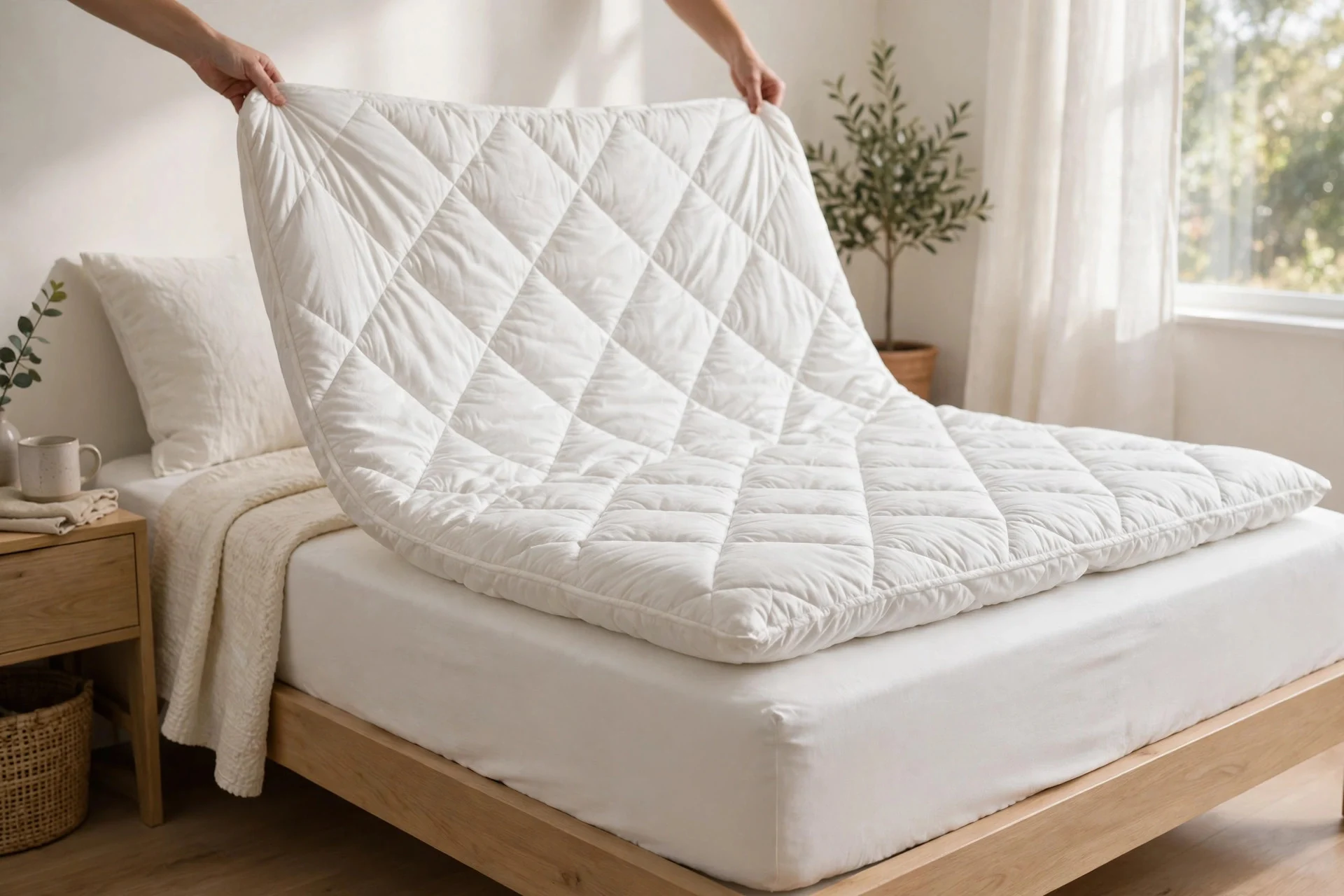
Every hotel bed starts with something you never see. A thin quilted topper or a breathable mattress protector adds a small amount of loft, so the first touch of the bed feels cushioned instead of flat. It also protects the mattress from spills and wear, which keeps it feeling newer for longer. Put it on first and smooth it flat, pulling it taut at the corners. If your mattress is older and a little hard, a two-inch feather or foam topper is the single most comfortable upgrade in this whole guide. Skip the thickest toppers if you sleep hot. A slim one gives you the soft landing without trapping heat all night.
2. Fit a Crisp Fitted Sheet, With Deep Pockets if Needed
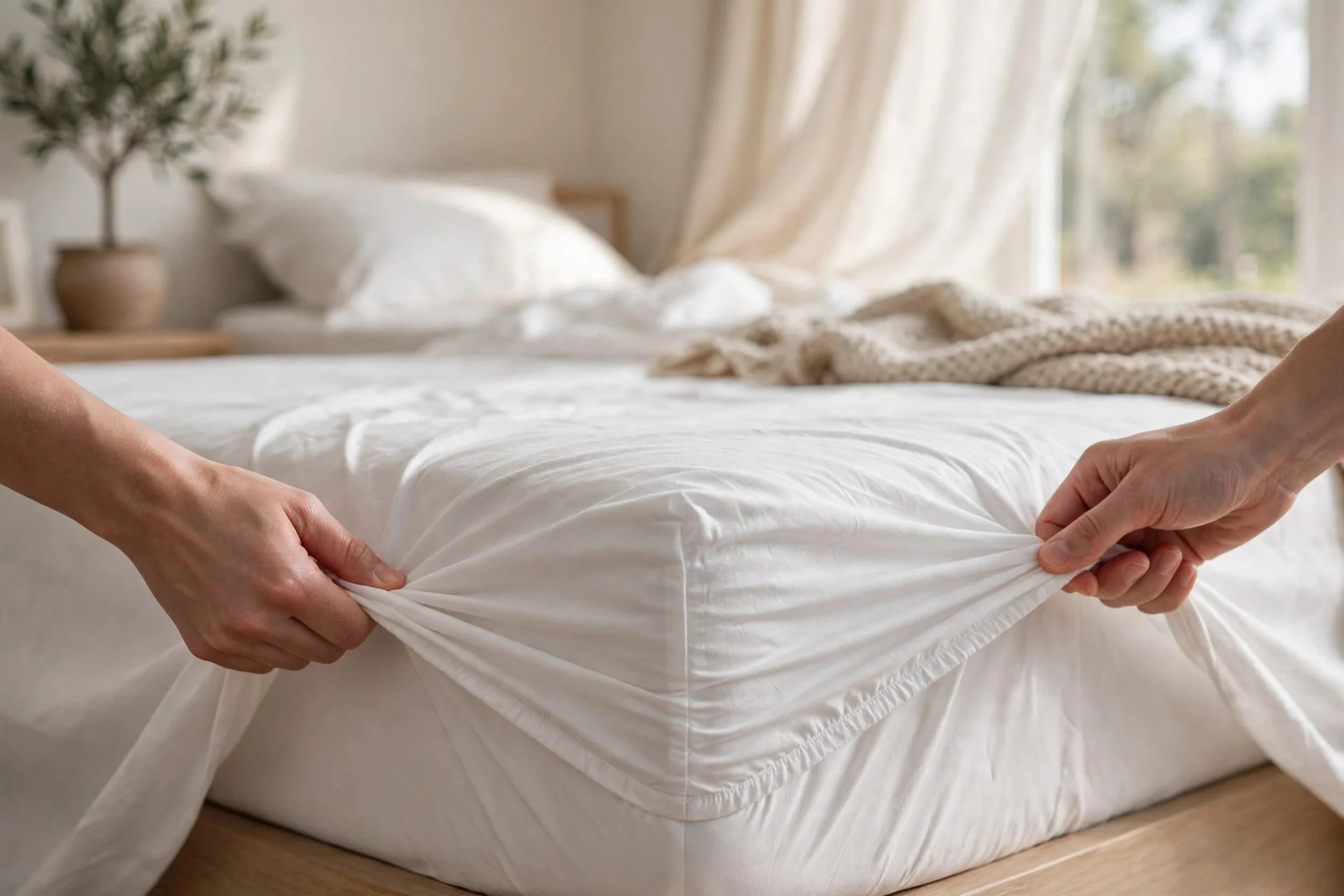
The fitted sheet is the foundation, and it has to be tight. Measure your mattress depth before you buy, because a standard pocket pops off a thick mattress every night and ruins the whole look by morning. Mattresses over twelve inches usually need deep-pocket sheets. Pull each corner on fully, then run your hand across the top to smooth out wrinkles. White or a pale neutral is the classic hotel choice, and it makes the layers above it look cleaner. I keep two sets in rotation, so there is always a fresh one when laundry day slips. A wrinkled, loose fitted sheet is the one flaw no amount of pillows can hide.
3. Add the Flat Sheet, the Layer Most Homes Skip
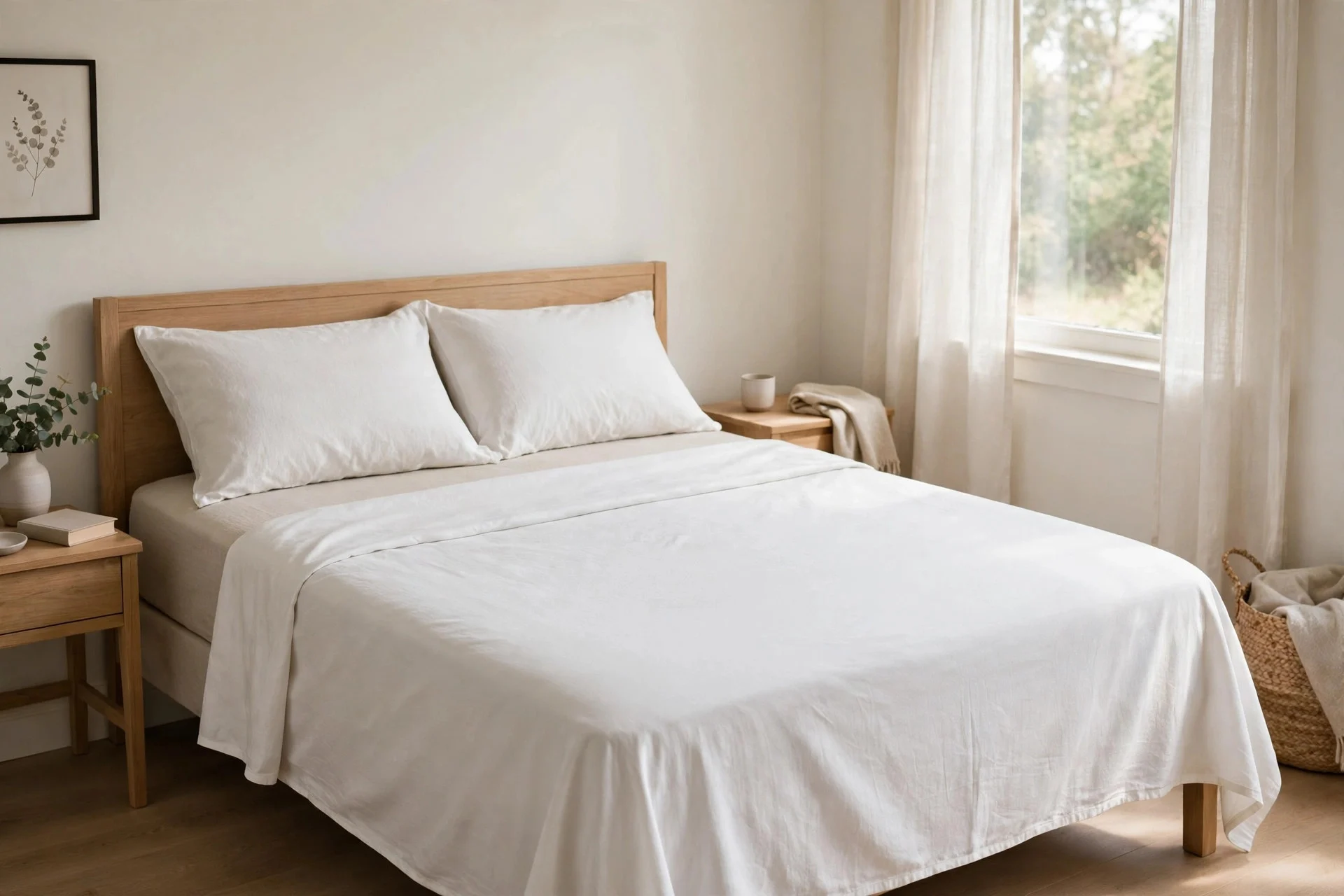
This is the layer most of us dropped somewhere along the way, and it is the one hotels never skip. A flat sheet sits between you and the duvet, so the duvet stays cleaner for longer and your skin gets that cool, smooth feeling on the first slide into bed. Lay it wrong side up, so the finished side shows when you fold it back later. Pull it taut, tuck the foot end under the mattress, and leave the top loose for now. If you sleep hot, choose percale, which feels crisp and cool. If you like a softer hand, sateen feels silkier. Either way, the flat sheet is what turns a pile of covers into a properly made bed.
4. Lay a Light Blanket or Coverlet Next

Between the flat sheet and the duvet, hotels add a light blanket or coverlet. This is the layer that gives the bed its weight, that feeling of substance when you pull the covers up. A cotton waffle weave, a thin linen blanket, or a lightweight quilt all work. Spread it evenly, with the same amount hanging over each side, and smooth it by hand. In summer, this layer can replace the duvet entirely, which is much more comfortable than sweating under a heavy cover. In winter, it is the extra warmth you reach for at 3 a.m. without waking up properly. Fold its top edge back with the sheet later, so both show as a neat band.
5. Choose the Right Duvet, and Size Up for Extra Loft

The duvet is the star of the bed, so it needs to look full, not stretched thin. One of the best hotel tricks is to buy a duvet cover one size larger than the insert, or an insert one size larger than the bed. The extra fabric drapes instead of pulling tight, and the bed instantly looks plumper. Shake the insert out well before you put the cover on, and use the inside corner ties if your cover has them, so the fill cannot bunch up at the foot by Thursday. Down feels lightest for its warmth, but a good down-alternative insert is easier to wash and suits allergy-prone sleepers. Either way, fluff it daily. A flat duvet is a sad duvet.
6. Fold the Sheet and Duvet Back Together
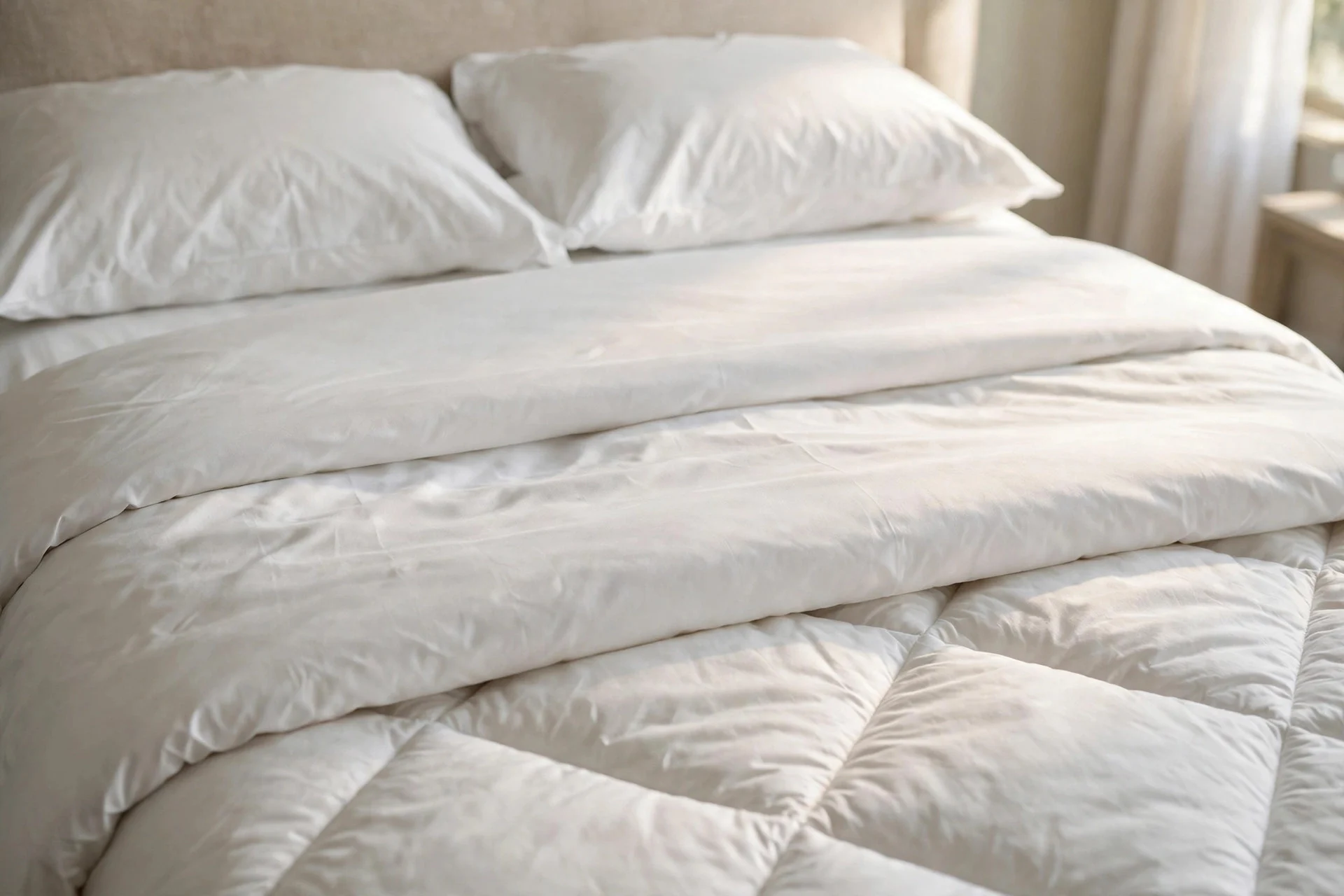
Here is the detail that makes a bed read as hotel-made from the doorway. Fold the flat sheet and the duvet back together, about a third of the way down from the headboard, and press the fold flat with your hands. You get a clean white cuff of sheet showing over the duvet, like a turned-down collar. Keep the fold straight across the full width of the bed, not wavy, and smooth out any lumps underneath. Bobby Berk’s layered hotel bed method uses the same fold, and it is the fastest single change you can make tonight. It takes thirty seconds, and it makes the whole bed look intentional.
7. Use Hospital Corners at the Foot of the Bed
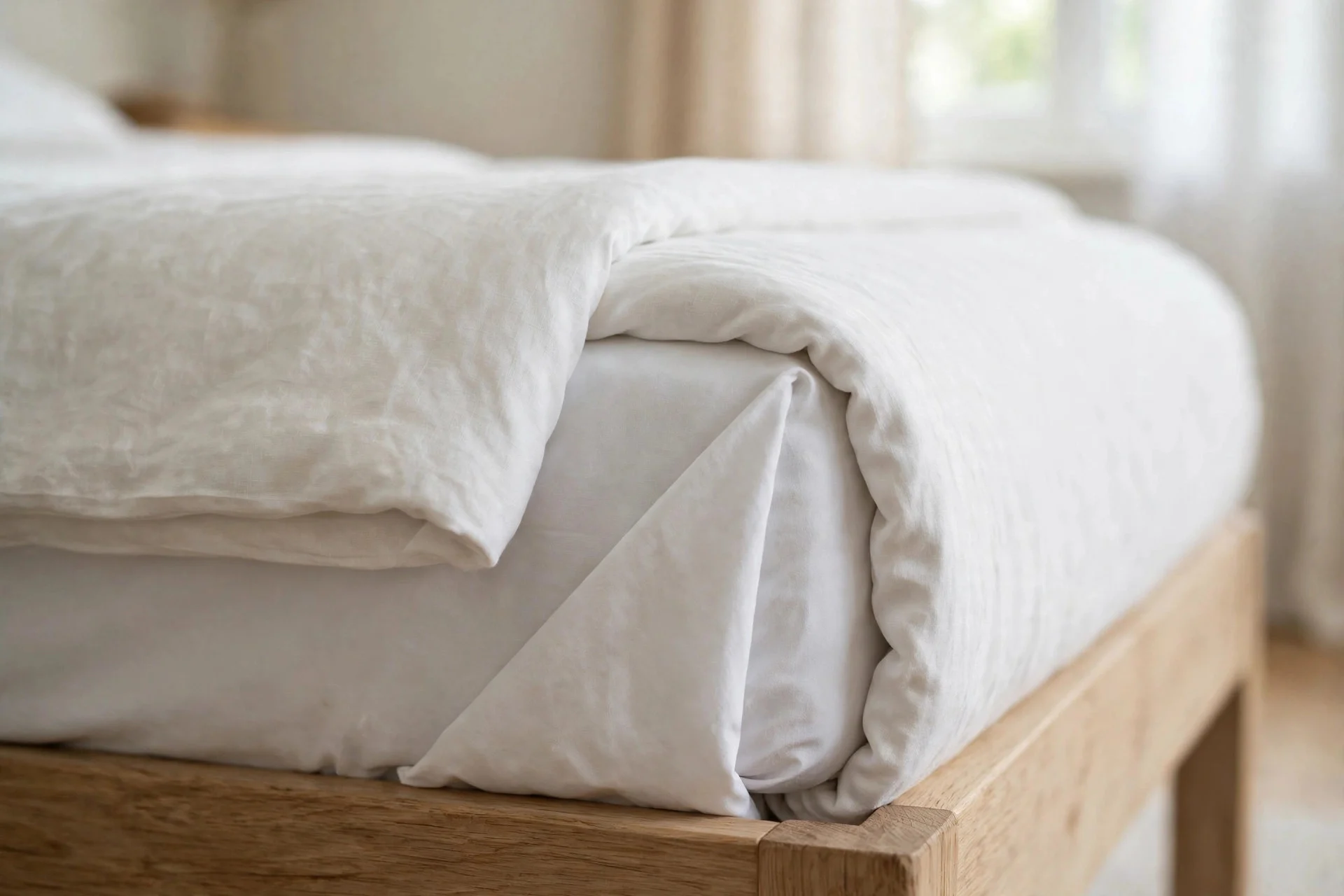
Hospital corners sound fussy, but they take about a minute to learn and they stop the covers from working loose overnight. Tuck the sheet and blanket under the mattress at the foot, then lift the side fabric, fold it diagonally up onto the bed, and tuck the hanging part underneath. The result is a flat, crisp corner instead of a bunched lump. Do both sides the same way and check that the fold lines match. You only need to do this properly on full changeover days. On ordinary mornings, just smooth the foot of the bed and let it be. Once the motion is in your hands, you will wonder why you ever left the covers hanging loose.
8. Build the Pillows Back to Front

Hotel pillow stacks follow an order, and it is worth copying. Stand your sleeping pillows upright against the headboard first, in their regular cases. In front of them, place euro pillows in shams, the big square ones, if you have them. Then add one or two decorative cushions at the very front. For a queen bed, two sleeping pillows, two euros, and one long lumbar cushion is plenty. For a king, add a third sleeping pillow. When you actually sleep, just take the decorative layers off and stack them on a chair. If your bed has no headboard at all, our guide on how to style a bedroom without a headboard shows how layered pillows can anchor the wall behind the bed on their own.
9. Finish With a Throw or Bed Runner at the Foot
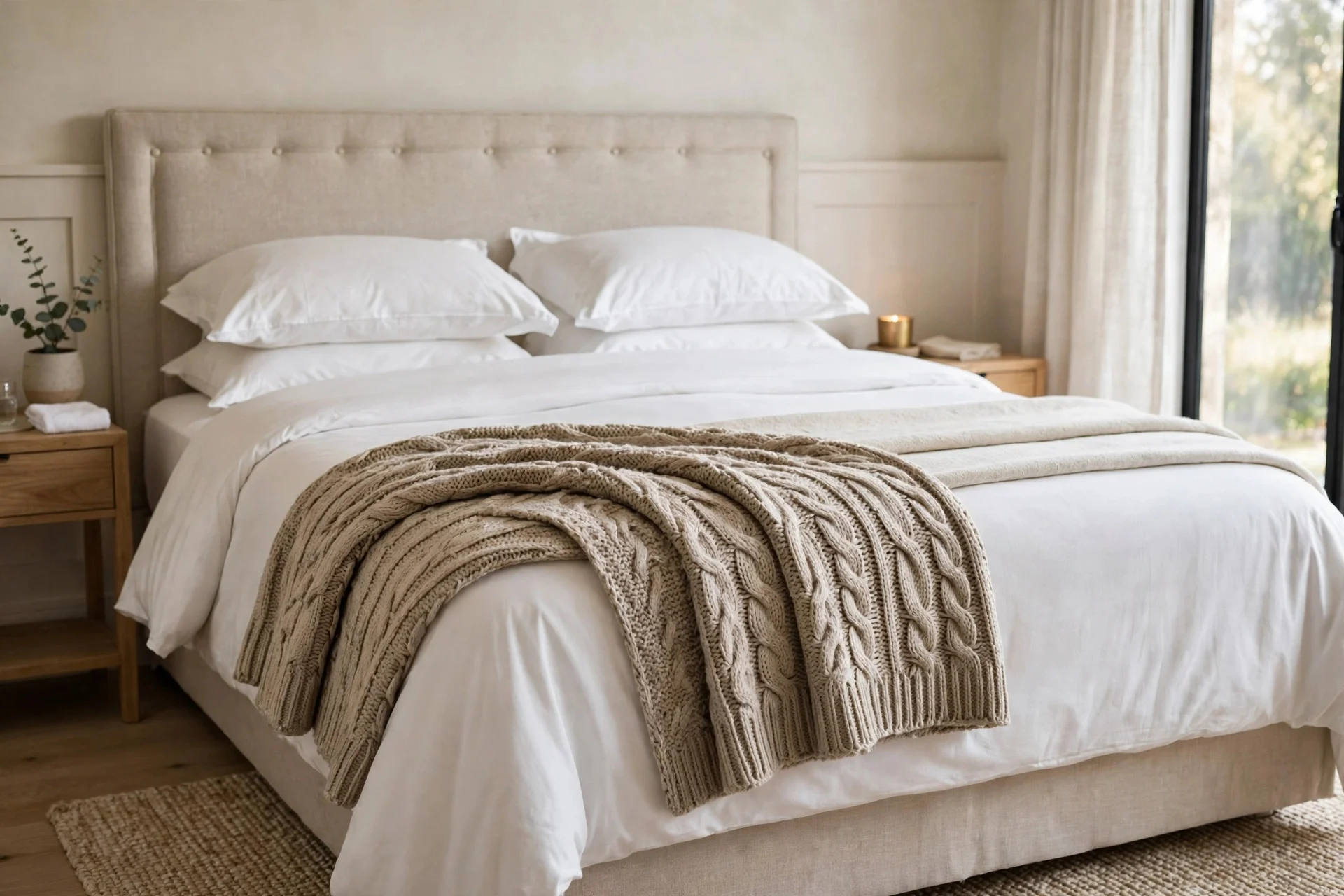
The throw at the foot of the bed is the finishing touch, and it is also genuinely useful on a cool night. Fold it in thirds lengthwise and lay it across the lower third of the bed, slightly off centre so it looks placed rather than thrown. A chunky knit reads cosy in winter, while a light linen or cotton throw suits summer. Keep the colour inside your bedding palette, or use it as the one accent colour in the room. My rule is simple: if the throw is still neatly folded in the morning, the bed was made well. If it ends up on the floor every night, it is too heavy or too slippery, and a lighter one will stay put.
10. Keep the Palette Calm and the Textures Varied

Hotels lean on white bedding for a reason. White shows cleanliness, it matches everything, and it makes texture do the talking instead of colour. You do not have to go all white, but keep the palette tight: white or cream as the base, plus one or two soft tones in the throw and cushions. Mix textures instead of colours, so a smooth sateen sheet sits next to a waffle blanket and a knitted throw. That contrast is what makes the bed look rich rather than flat. Colour choice matters for sleep too, and our guide on bedroom colours for better sleep explains why muted tones tend to help you wind down faster than bright ones.
11. Steam, Fluff, and Reset in Two Minutes a Day

A hotel bed looks crisp because someone presses it, not because the bedding is magic. A quick pass with a handheld steamer over the duvet cover and pillowcases on changeover day removes the just-out-of-the-dryer look. Every morning, the reset is short: pull the sheet and duvet up, smooth them by hand, chop the top of the duvet lightly so it dents in the middle, stack the pillows, and drape the throw. Two minutes, done. Shake the duvet from the foot end once a week so the fill stays even. This daily habit is what keeps the layers looking layered, instead of slowly collapsing into one flat cover by the weekend.
12. How to Layer Bedding for Summer Heat and Winter Cold

The same bed should not wear the same layers all year. In summer, drop the duvet and sleep under the flat sheet plus the light blanket, with a percale sheet set that breathes. In winter, add the duvet back, keep the blanket as a mid-layer, and put a heavier throw at the foot for the coldest nights. If one partner sleeps hot and the other cold, split the top layers: a shared fitted and flat sheet, then two separate light duvets. It looks a little less traditional, but both of you will sleep better, and that is the point of the bed in the first place. Store the off-season layers clean and dry, so they are fresh when their season returns.
Frequently Asked Questions
How many layers should a hotel-style bed have?
Five to seven layers is the usual hotel range: a protector or topper, fitted sheet, flat sheet, light blanket, duvet in a cover, pillows, and a throw. You can skip the blanket in a hot climate and still get the look, but the flat sheet and the folded cuff matter most.
Do I need a flat sheet if I use a duvet cover?
You do not strictly need one, but it helps a lot. A flat sheet keeps the duvet cover cleaner for longer, adds a cool layer against the skin, and creates the folded cuff that makes the bed look finished. If you hate flat sheets, try a lightweight one for a week before deciding.
What is the easiest hotel bedding trick for beginners?
Size up the duvet cover and fold the sheet and duvet back together at the head of the bed. Those two changes alone make most beds look noticeably more polished, and neither costs anything if you already own a spare cover.
How do I keep my bedding layers from sliding off at night?
Tuck the foot properly with hospital corners, use duvet cover ties, and choose a slightly textured throw rather than a silky one. If the pillows slide, stand them against the headboard and place the euro shams in front to hold them in place.
Layering bedding like a hotel is not about buying a new bed. It is about giving each layer a job, in the right order, and finishing with the small details that hotels never skip: the folded cuff, the crisp corners, the pillows standing in order. Try the full version once on a weekend, then keep the two-minute morning reset. Within a week, the bed will be the best-looking thing in the room, and getting into it will feel like a small upgrade every single night.