


12 Master Bedroom Decorating Mistakes to Avoid
Photo: @Artbovich via Pexels
A master bedroom should be the easiest room in the house to get right, because it only has one real job: helping you rest. Yet most master bedroom mistakes happen slowly, one well-meaning purchase at a time. A bed that is slightly too big, a lamp that is slightly too dim, a rug that stops just short of the nightstands. None of them ruin a room on their own. Together, they make a space that looks fine in a photo and feels vaguely wrong every night. I have made most of the mistakes below myself, usually by copying a showroom instead of measuring my own room. The twelve fixes here cost little in most cases, and they start with looking at the room you actually have.
1. Buying a Bed Too Big for the Room: The Most Common of All Master Bedroom Mistakes
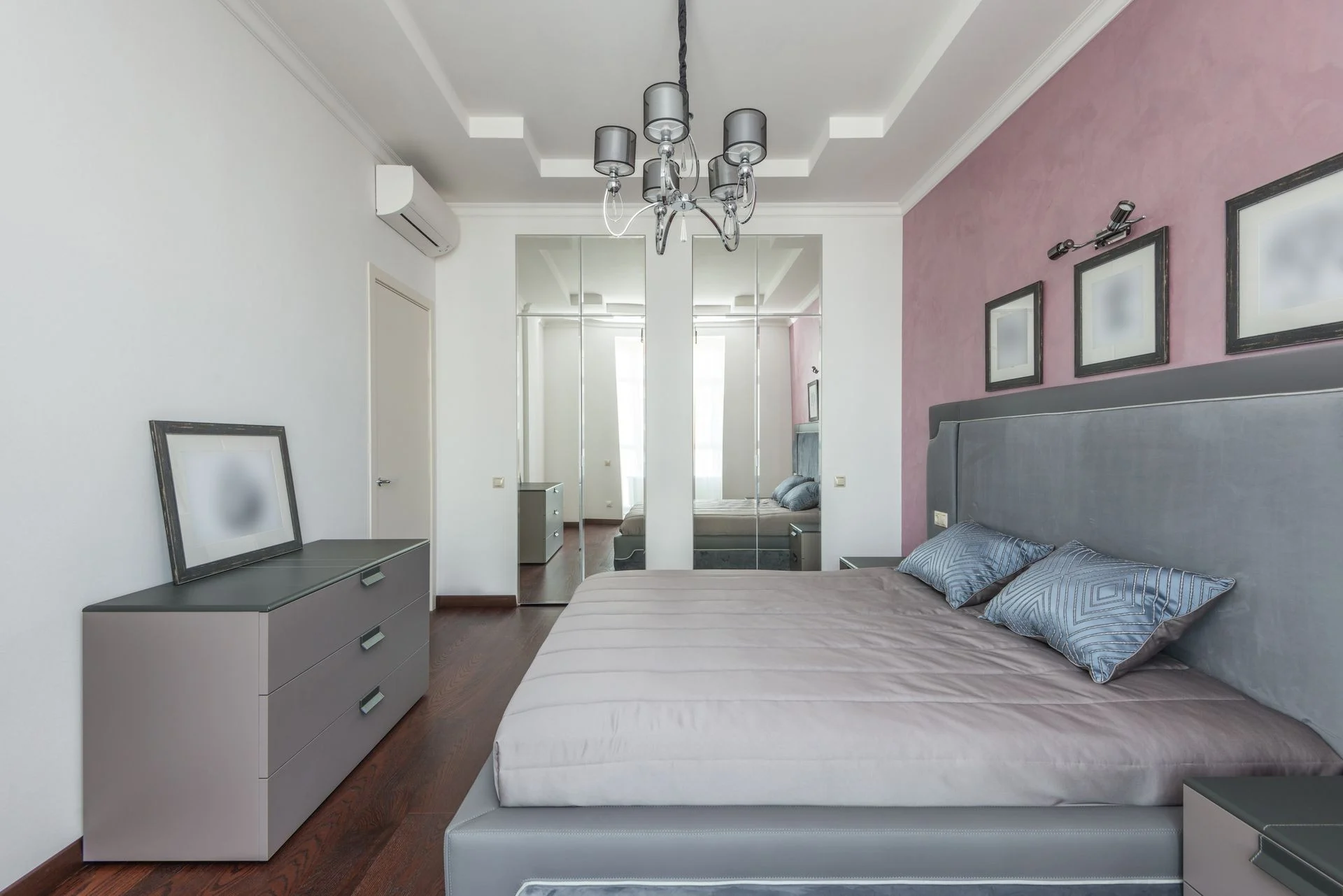
Photo: @Artbovich via Pexels
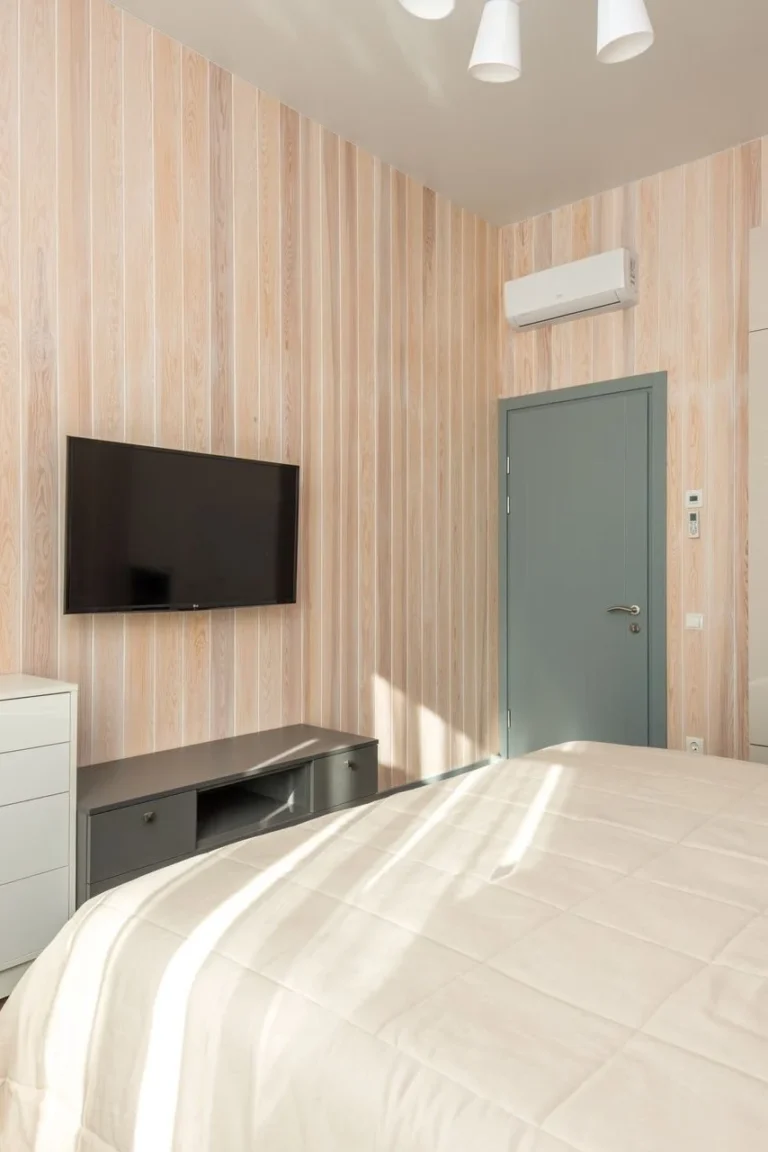
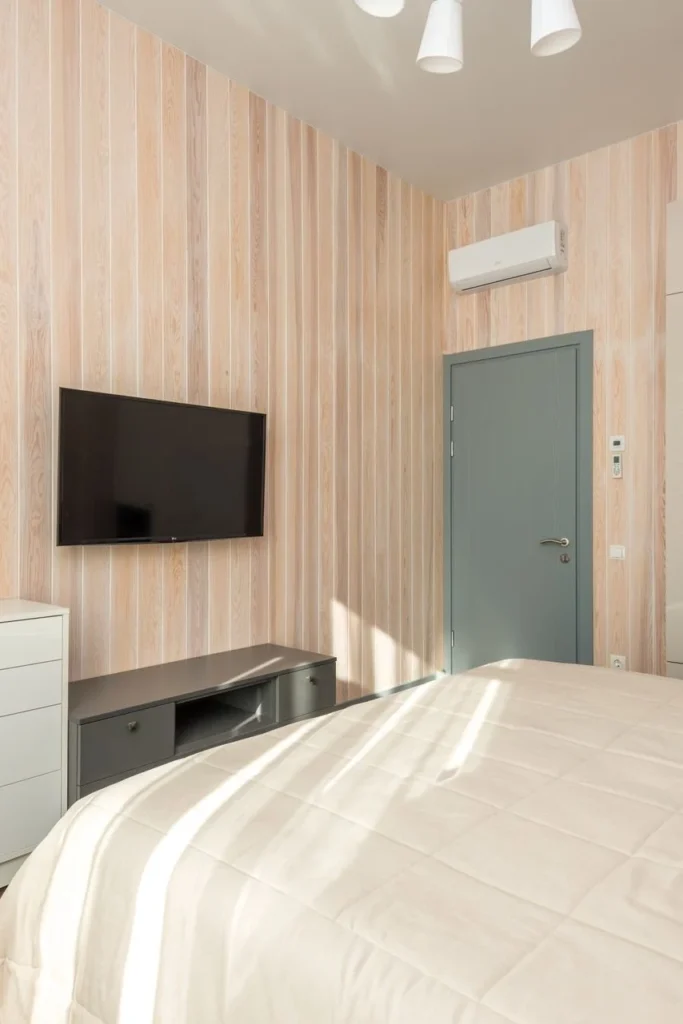
Showrooms are enormous, and every bed looks reasonable in one. At home, a king bed in a twelve-foot room leaves you shuffling sideways to reach the closet. Measure first: you want at least two feet of clear space on each side of the bed and at the foot, enough to walk without turning sideways. Tape the bed outline on the floor before you order, and include the nightstands in that outline. If the tape eats the walkways, drop a bed size or choose a frame with slimmer rails. A queen bed you can walk around beats a king bed you have to climb over, every single night.
2. Pushing the Bed Into a Corner With No Walkway
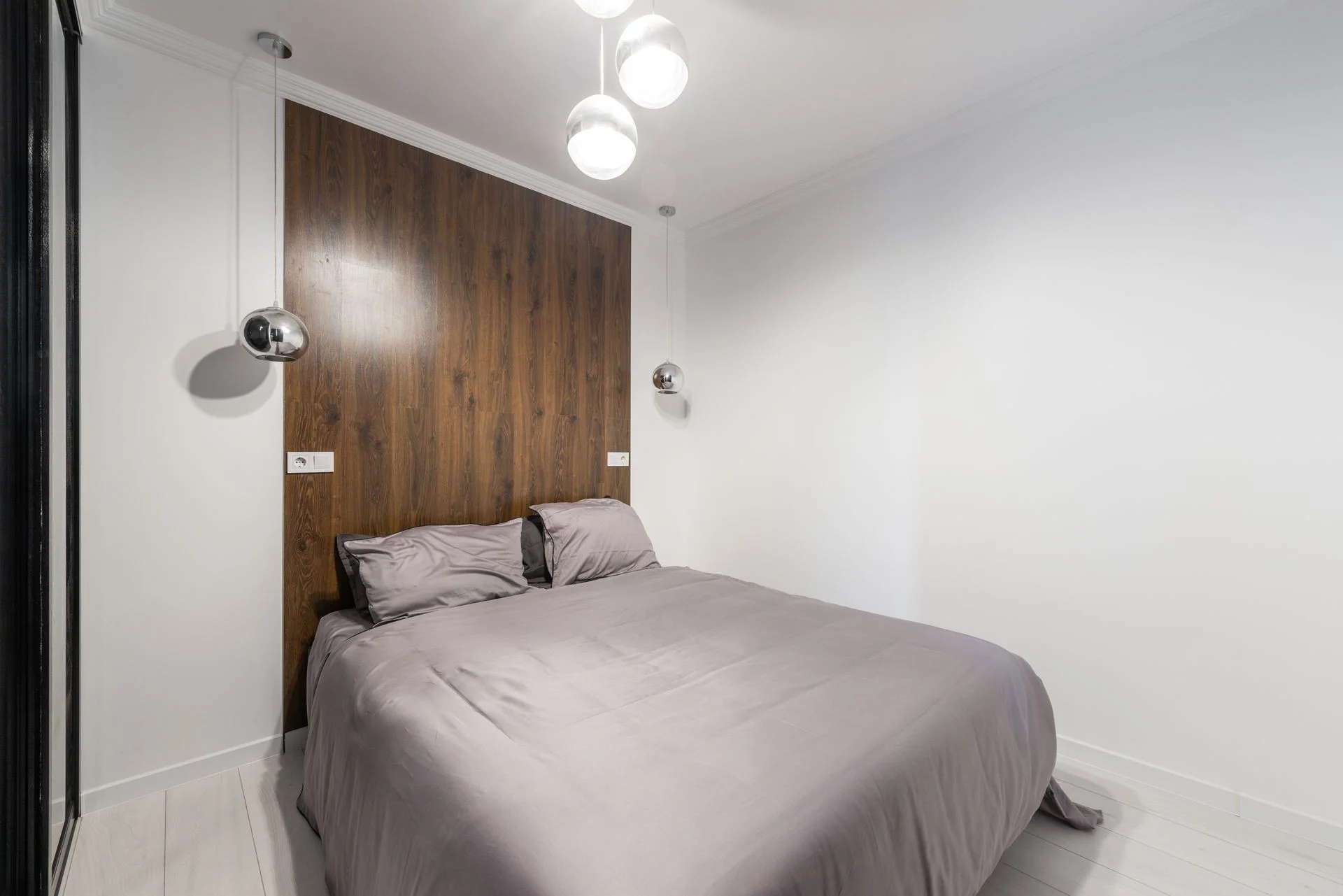
Photo: @Artbovich via Pexels
It is tempting to shove the bed against a wall to gain floor space, but the person on the wall side ends up crawling over pillows to get out at night. That daily annoyance adds up fast. Give both sleepers a way out, even if one side is narrower than the other. In a tight room, a smaller nightstand or a wall-mounted shelf on the tight side can buy you the inches you need. Try it for a week: make the bed from both sides, open the drawers, and walk the route you take in the dark. If any of that feels like an obstacle course, the layout still needs work.
3. Building a Pillow Mountain You Have to Dismantle Nightly

Photo: @alleksana via Pexels
Two sleeping pillows each, plus two or three decorative ones, is plenty. Beyond that, bedtime turns into a nightly chore of stacking cushions on a chair, and mornings mean rebuilding the display. I kept a chair by the bed purely for pillow storage until I admitted the display was costing me ten minutes a day. Cut the count, keep the prettiest two, and store the rest elsewhere. Your bed will still look dressed, and you will actually look forward to getting into it instead of clearing it first. If a pillow never gets leaned on, it is decoration, not bedding, and it needs to earn its place.
4. Choosing a Rug That Stops Short of the Bed
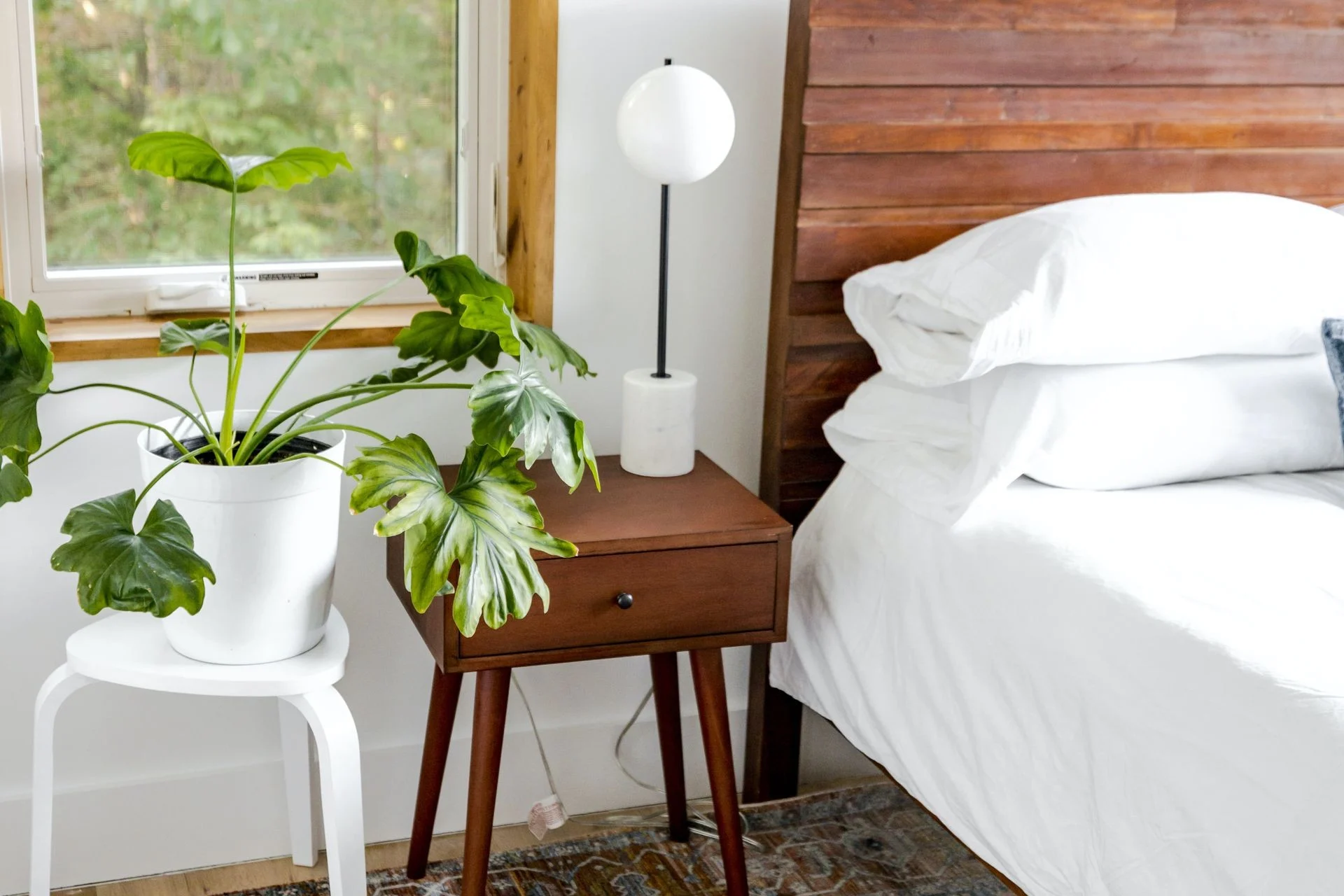
Photo: @andreaedavis via Pexels
A rug that only peeks out from under the bed looks like an afterthought, and it feels worse: bare floor on the first step out of bed. The rug should extend at least eighteen inches beyond each side of the bed and past the foot, so your feet land on softness. For a queen bed, that usually means an eight-by-ten rug, not a five-by-eight. Our guide on how to choose the right rug size covers the same front-legs logic, and it applies in bedrooms too. Tape the outline on the floor first. If the tape stops under the bed, size up before you buy.
5. Relying on One Harsh Ceiling Light
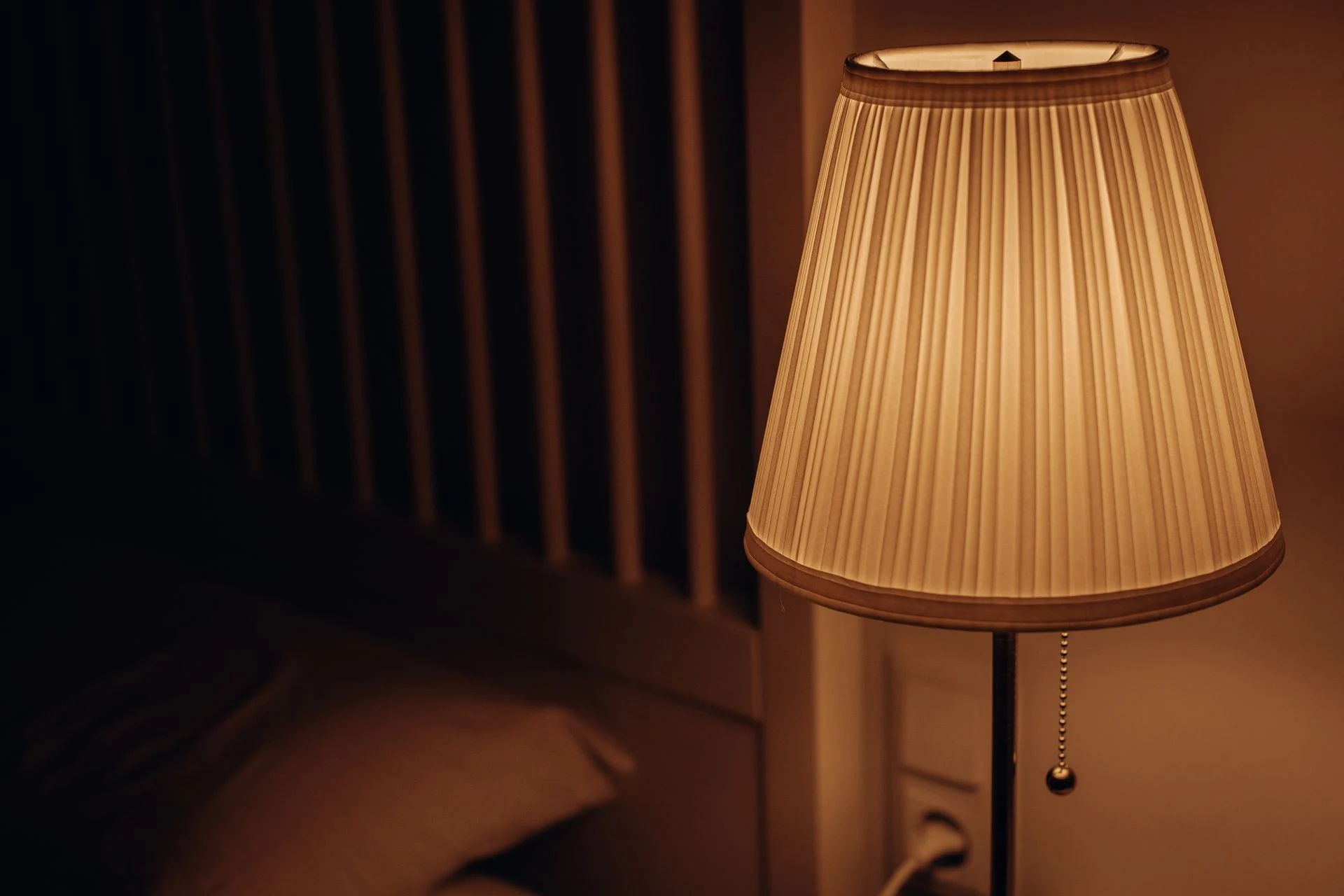
Photo: @JuanPPhotoandVideo via Pexels
A single overhead light flattens a bedroom and makes it feel like an office after dark. Bedrooms need layers: a soft bedside lamp for reading, something low near the door for night trips, and the ceiling light only for cleaning or getting dressed. Warm bulbs around 2700K make skin, wood, and bedding look better instantly. Put the reading lamp on a dimmer if you can, or at least use a lower-wattage bulb than the one in the ceiling. I switched our ceiling light off for a month as an experiment and never went back. The room felt calmer the first evening, and guests started commenting on it unprompted.
6. Nightstands at the Wrong Height, or Missing Altogether
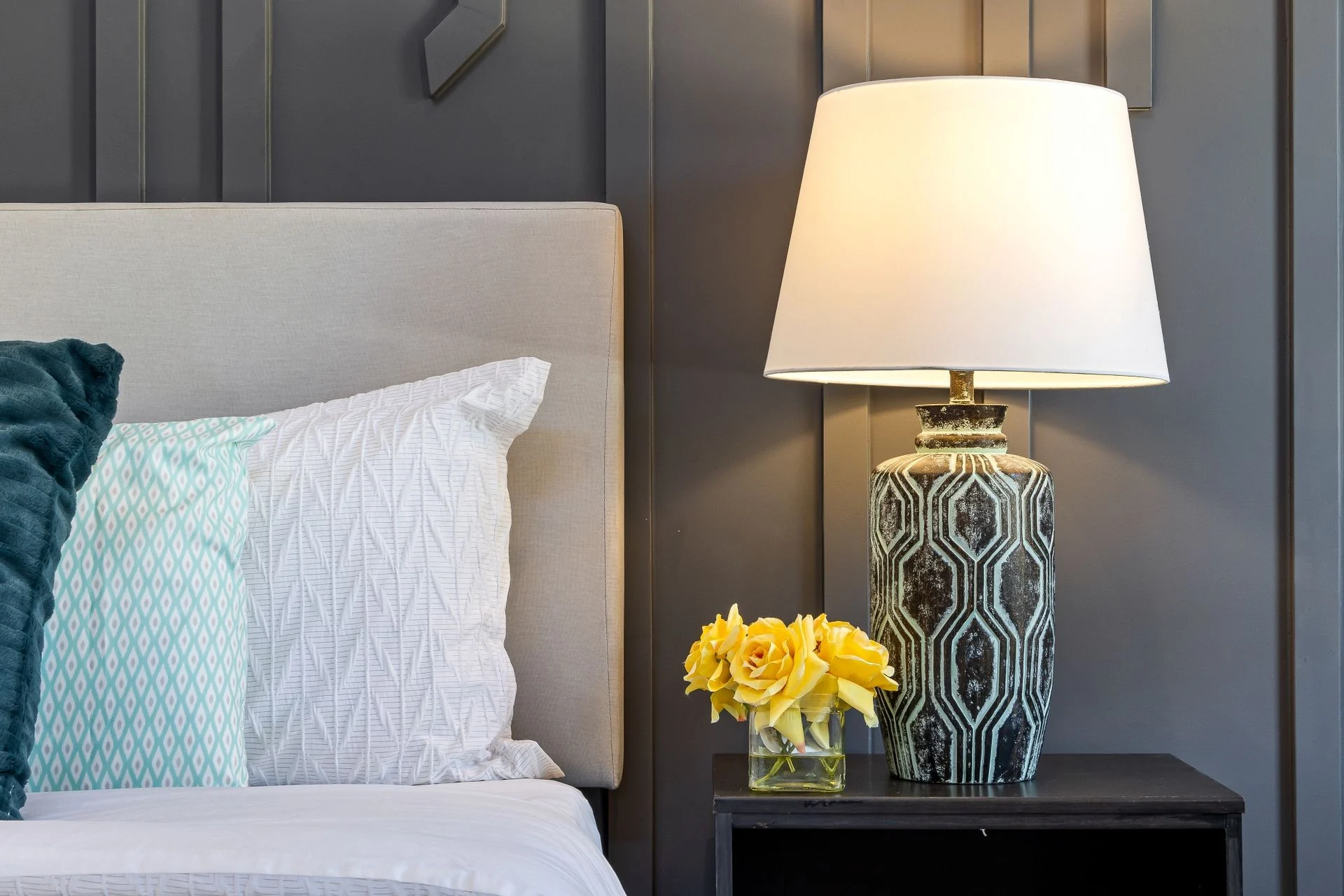
Photo: Curtis Adams via Pexels
A nightstand should sit within a couple of inches of the top of your mattress. Too low, and you fumble for water in the dark; too high, and the lamp towers over you while you read. Measure from the floor to the mattress top, then shop to that number, not to the look of the table alone. If space is tight, one proper nightstand and a wall shelf on the other side beats two wrong ones. Keep the surface honest too: lamp, book, water, phone charger. The moment the nightstand becomes a second dresser, it stops doing its one job well.
7. Hanging Curtains Too Low and Too Short
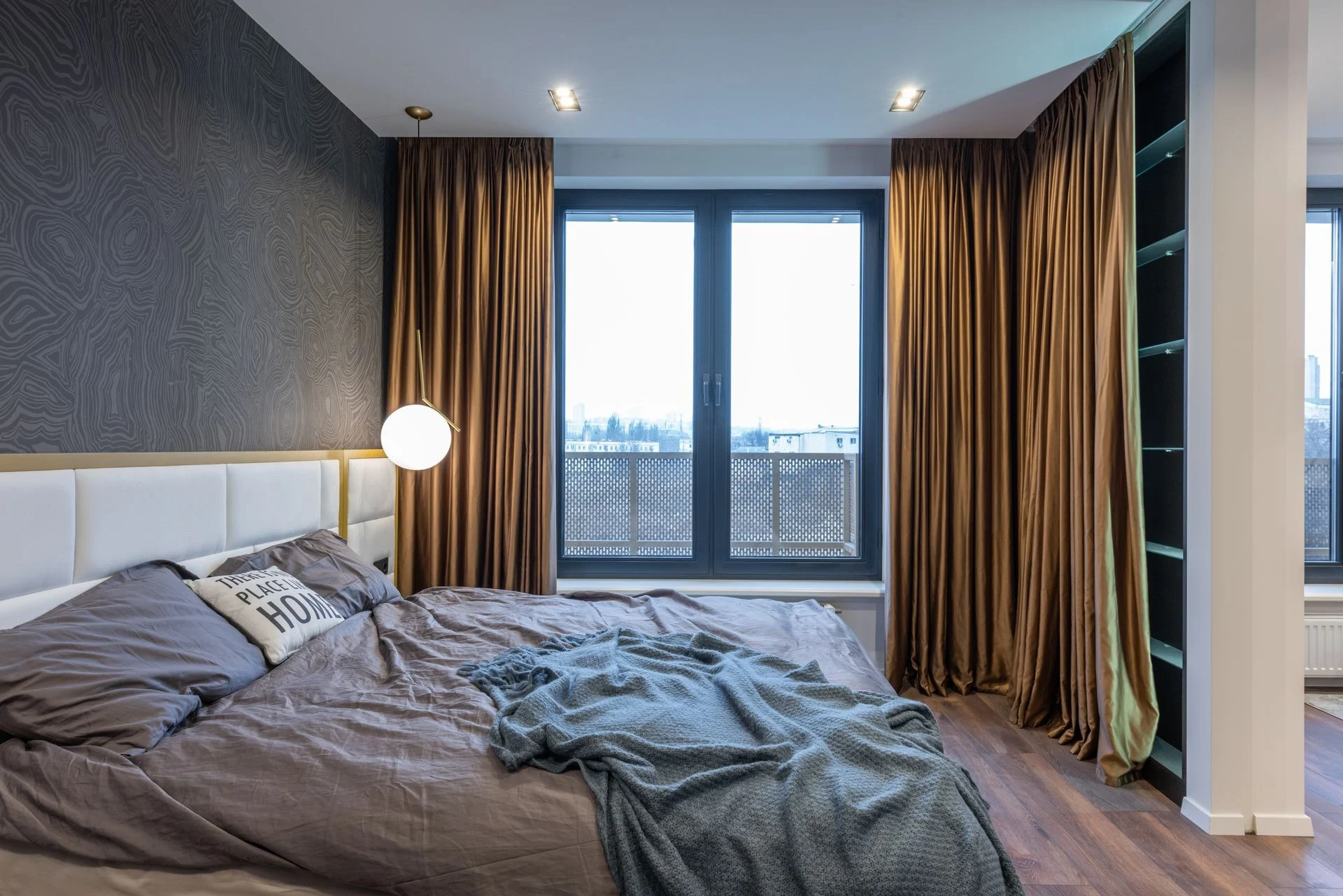
Photo: @Artbovich via Pexels
Curtains hung just above the window frame and ending at the sill chop the wall in half and make the window look smaller than it is. Hang the rod four to six inches below the ceiling, extend it eight to twelve inches past the window on each side, and let the fabric reach the floor. The window instantly looks taller, the room feels finished, and morning light is easier to control. This is the single cheapest upgrade in this whole list: a longer rod and longer panels, fitted in an afternoon. If your current curtains are too short, move them to a smaller window and buy the right length once.
8. Buying the Whole Matching Bedroom Set
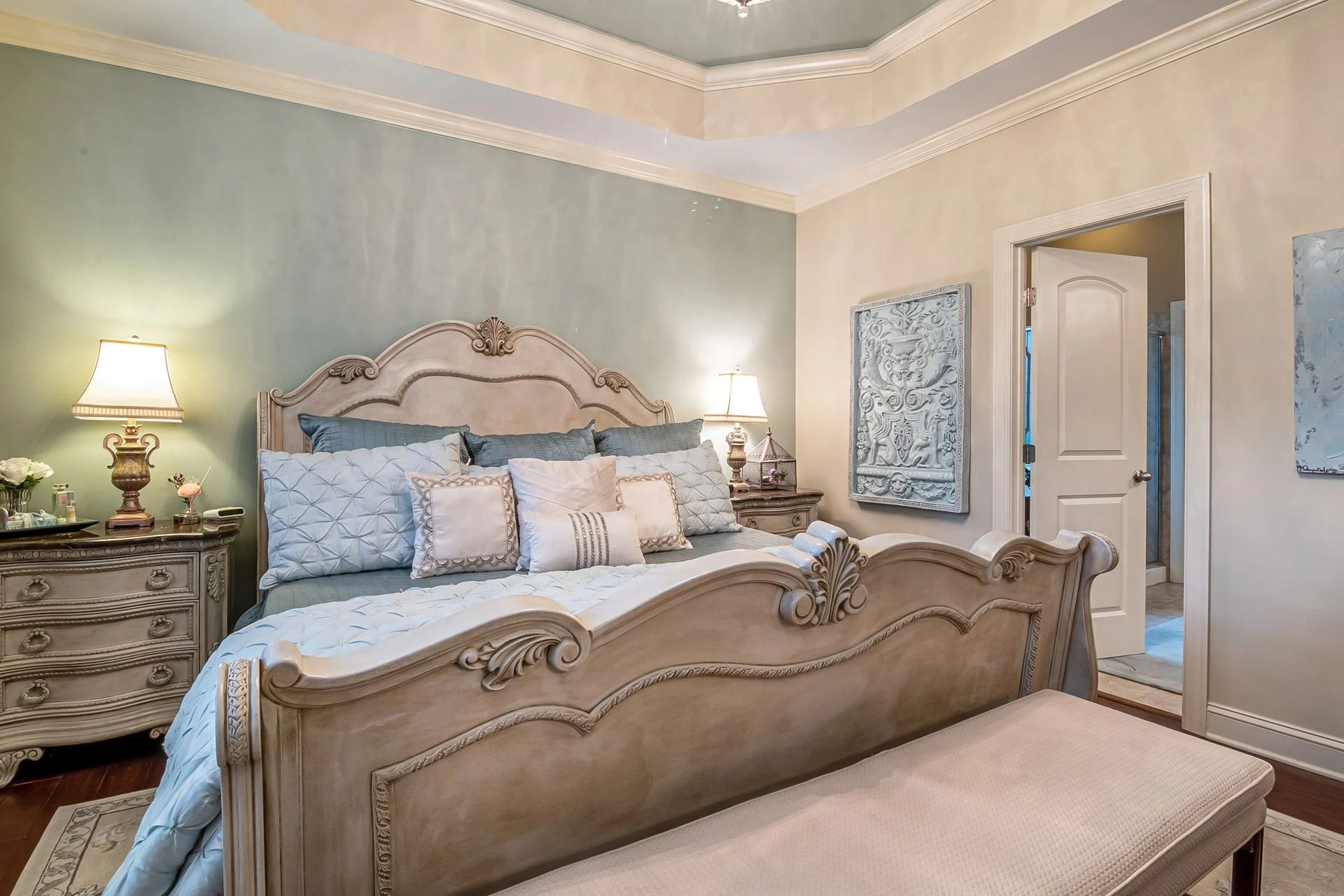
Photo: Curtis Adams via Pexels
A bed, two nightstands, a dresser, and a mirror, all in the same wood and finish, look like a furniture-store display because that is exactly what they are. The room ends up with no contrast and nothing for the eye to land on. Break the set: keep the bed and dresser, then choose nightstands in a different finish, or swap one nightstand for a small chair or stool. Mixed pieces look collected over time, which is what makes a bedroom feel personal rather than staged. You do not need to replace everything. Changing just the nightstands and the lamps usually breaks the showroom effect completely.
9. Hanging Art Too High, or Too Small, Above the Bed
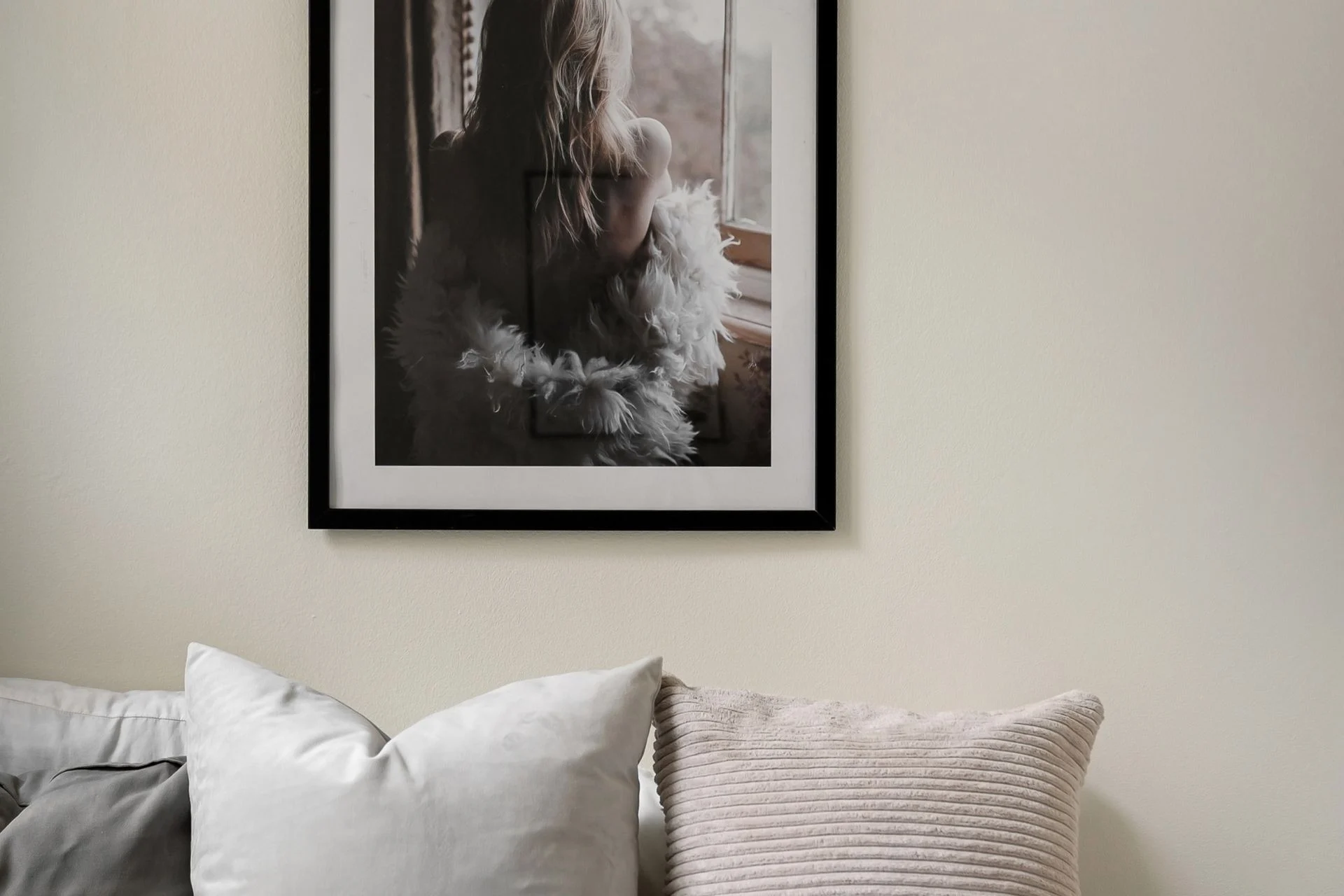
Photo: Lisa Anna via Pexels
Art hung near the ceiling floats away from the bed and looks lost, while a tiny frame above a king bed looks like an afterthought. Hang the centre of the piece about fifty-seven to sixty inches from the floor, or six to eight inches above the headboard, whichever reads better in your room. Size matters too: the art should span roughly two-thirds of the bed’s width, either as one large piece or a pair hung together. Stand in the doorway to judge it. If you have to hunt for the art, it is too high or too small, and moving it down costs nothing but a nail hole.
10. Painting the Walls Dark Without Enough Light
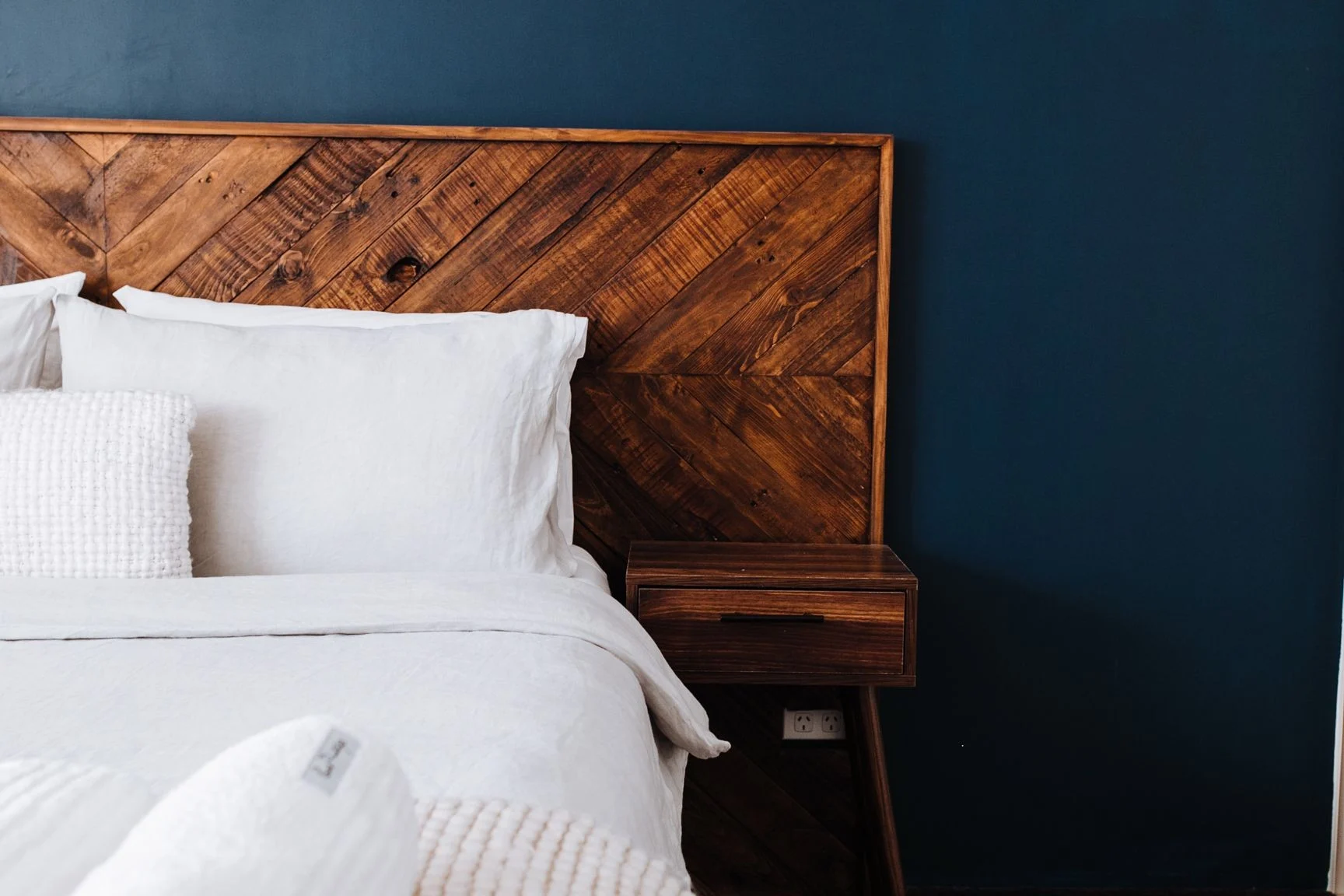
Photo: @rachel-claire via Pexels
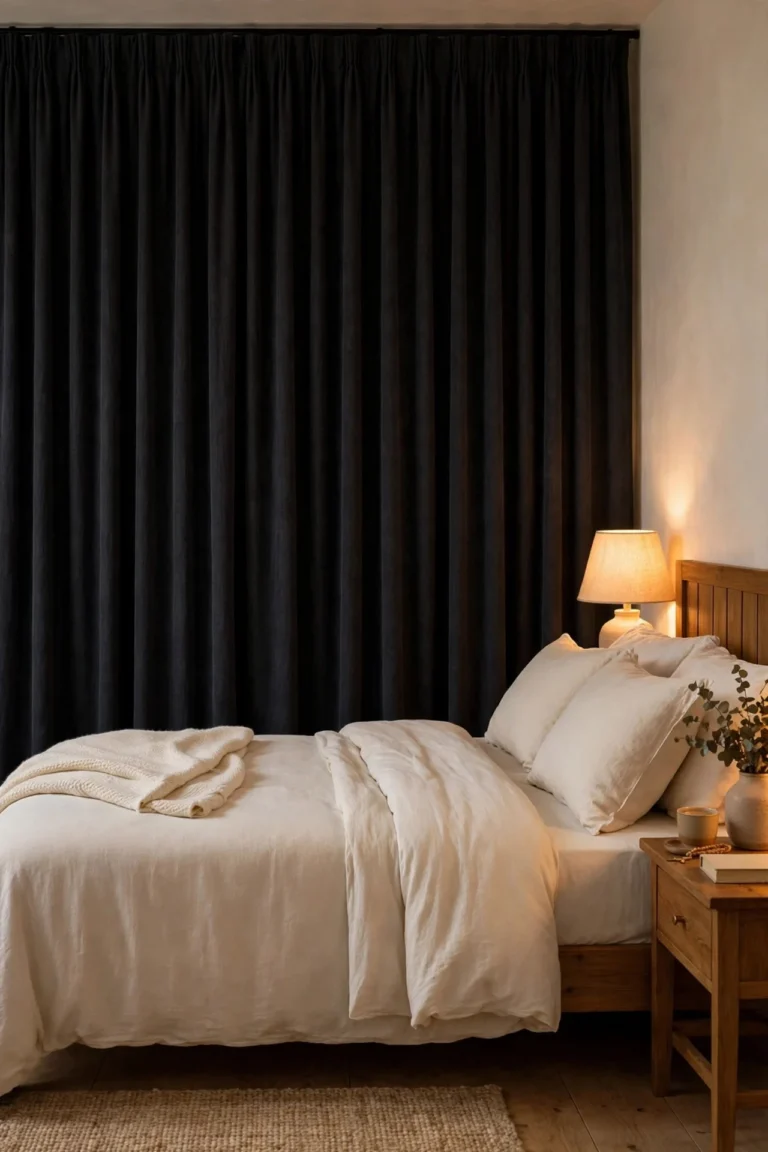
Dark walls can be beautiful in a bedroom, but only when the room has the light to carry them: a decent window, warm lamps, and lighter bedding to bounce light around. Paint all four walls navy in a north-facing room with one small window, and the space turns into a cave by four in the afternoon. Test with one accent wall behind the bed first, and live with it for two weeks before committing to the rest. Keep the bedding pale, add a mirror opposite the window, and check the room at night, not just at noon. If it feels cosy rather than gloomy, you have the balance right.
11. Letting Every Surface Collect Clutter

Photo: @cottonbro via Pexels
A bedroom collects things because it is the last room you tidy and the first one you undress in. Dressers become charging stations, chairs become laundry piles, and the nightstand becomes a junk drawer with a lamp on top. Give everything a home before you buy storage: a basket for laundry, a tray for chargers and keys, a hook for tomorrow’s clothes. Our guide on cozy rooms on a budget makes the same point about baskets and trays, and it works just as well here. Clear one surface completely, then defend it for a week. That one clear surface usually spreads to the rest of the room.
12. Skipping a Headboard and Leaving the Bed Wall Bare
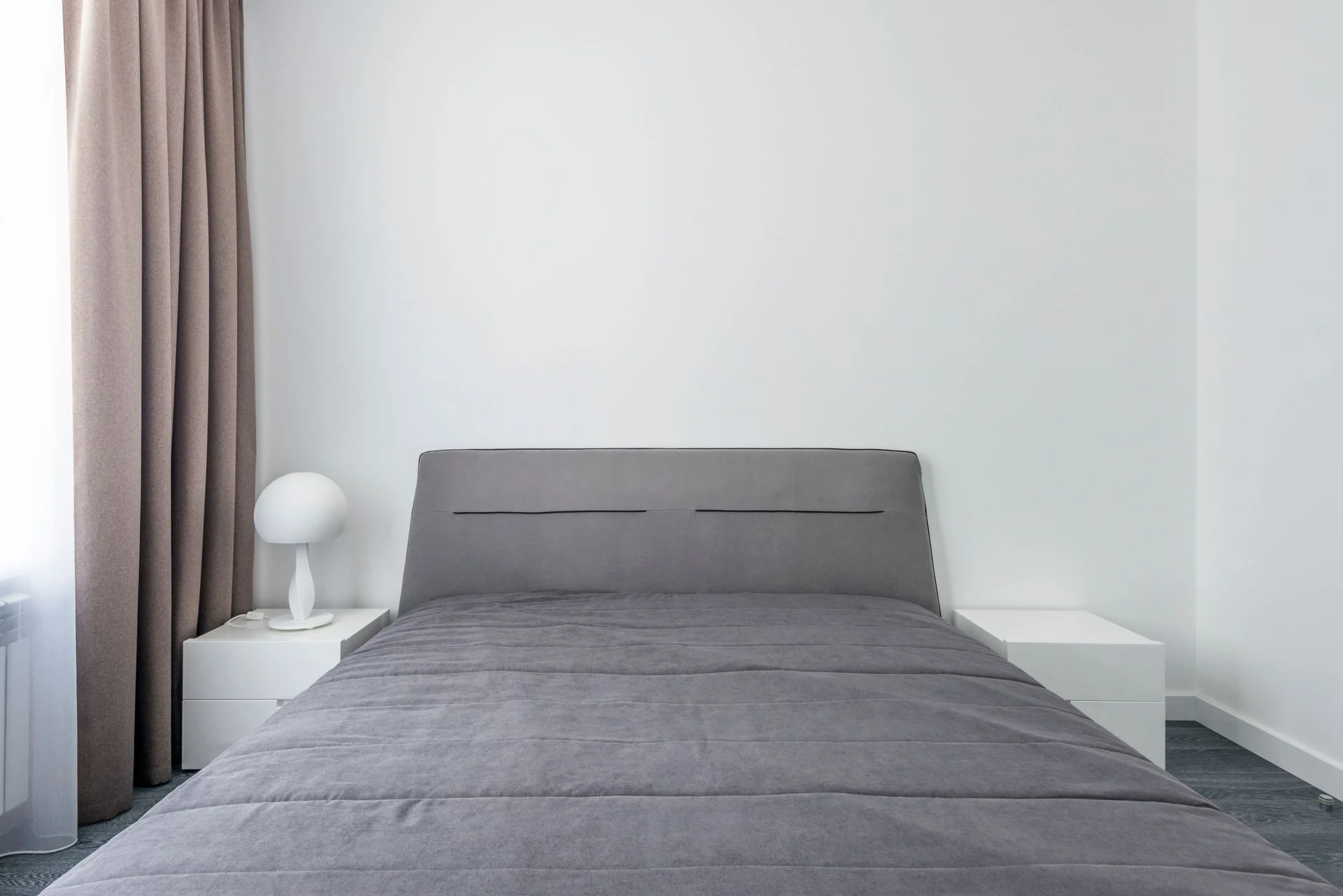
Photo: @Artbovich via Pexels
Without a headboard, pillows slide, the wall gets scuffed, and the bed looks unfinished no matter how nice the bedding is. A headboard also gives you something comfortable to lean against for reading, which a bare wall never does. It does not need to be expensive: a simple upholstered panel, a wooden frame, or even a painted arch behind the bed changes the whole wall. For tight layouts, our guide on arranging a small room for maximum space shows the same idea of giving one wall a clear job. Pick a headboard that reaches above your stacked pillows, fix it properly, and the bed finally looks like it belongs there.
Frequently Asked Questions
What is the biggest master bedroom decorating mistake?
Buying furniture before measuring. An oversized bed or a rug that is too small distorts every other decision in the room, and both are expensive to undo. Measure the room, tape outlines on the floor, and only then shop.
How do I make a master bedroom feel less cluttered without buying storage?
Remove first, store second. Take everything off one surface, return only what you use daily, and give the rest a home elsewhere. A single clear dresser top changes how the whole room reads.
Should bedroom furniture match?
It should coordinate, not match exactly. Shared tones or a repeated material tie pieces together, while different finishes keep the room from looking like a showroom floor.
Can a dark bedroom still feel restful?
Yes, if the light is layered and the bedding stays pale enough to reflect it. Test one accent wall first, check the room at night, and add warm lamps before painting the remaining walls.
Most master bedroom mistakes are not taste problems. They are measurement problems, lighting problems, and one-too-many-pillow problems, all fixable without a renovation. Start with the bed size and the rug, fix the lighting, and clear one surface. Live with those three changes for a week before you buy anything else. The room will tell you what it still needs, and it will usually ask for less than you expected.