




After months of cold, wet weather, most front yards look a little rough around the edges. Leaves have matted into the lawn, branches have snapped off in storms, and the beds are full of last year’s dead stems. A proper spring yard cleanup fixes all of that in a weekend or two, and it does something else too: it lets you see what you actually have before you spend a cent on new plants. Work through the fifteen ideas below in order, from the big debris down to the finishing touches, and your front yard will look cared for again by Sunday evening.
1. Start Your Spring Yard Cleanup by Clearing Winter Debris
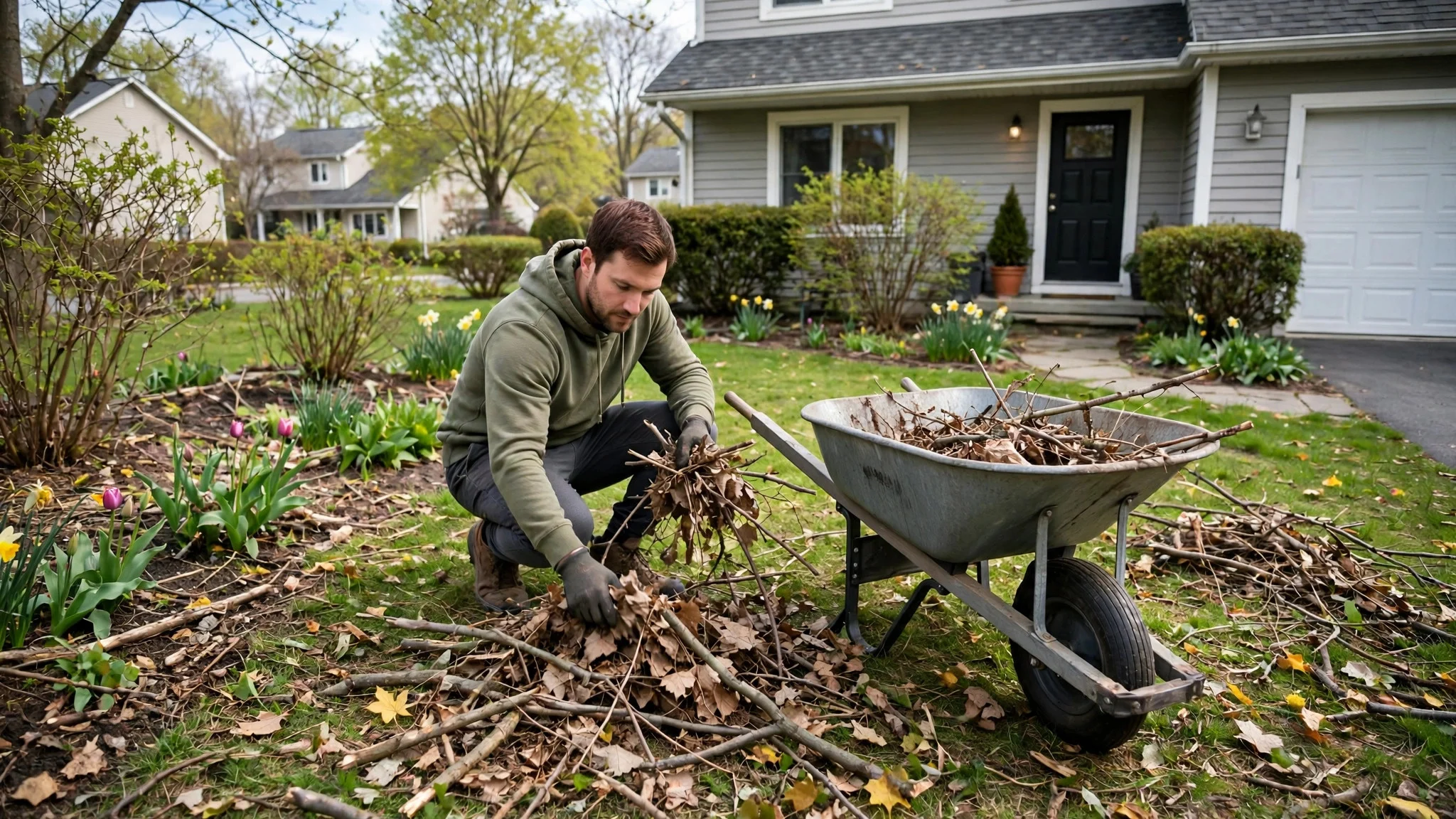
Start with a slow walk around the whole front yard, bucket or wheelbarrow in hand, and pick up everything winter left behind. Fallen branches, blown-in trash, broken pots, and the dog toys that vanished under the snow all go first. I do this before touching a rake, because raking around debris just pushes it into piles you have to sort later. Check under shrubs and along fences too, since wind tends to stash things in corners you never look at. Once the big stuff is gone, the yard already looks ten percent better, and you can see the real work underneath.
2. Rake Out the Matted Leaves and Dead Grass
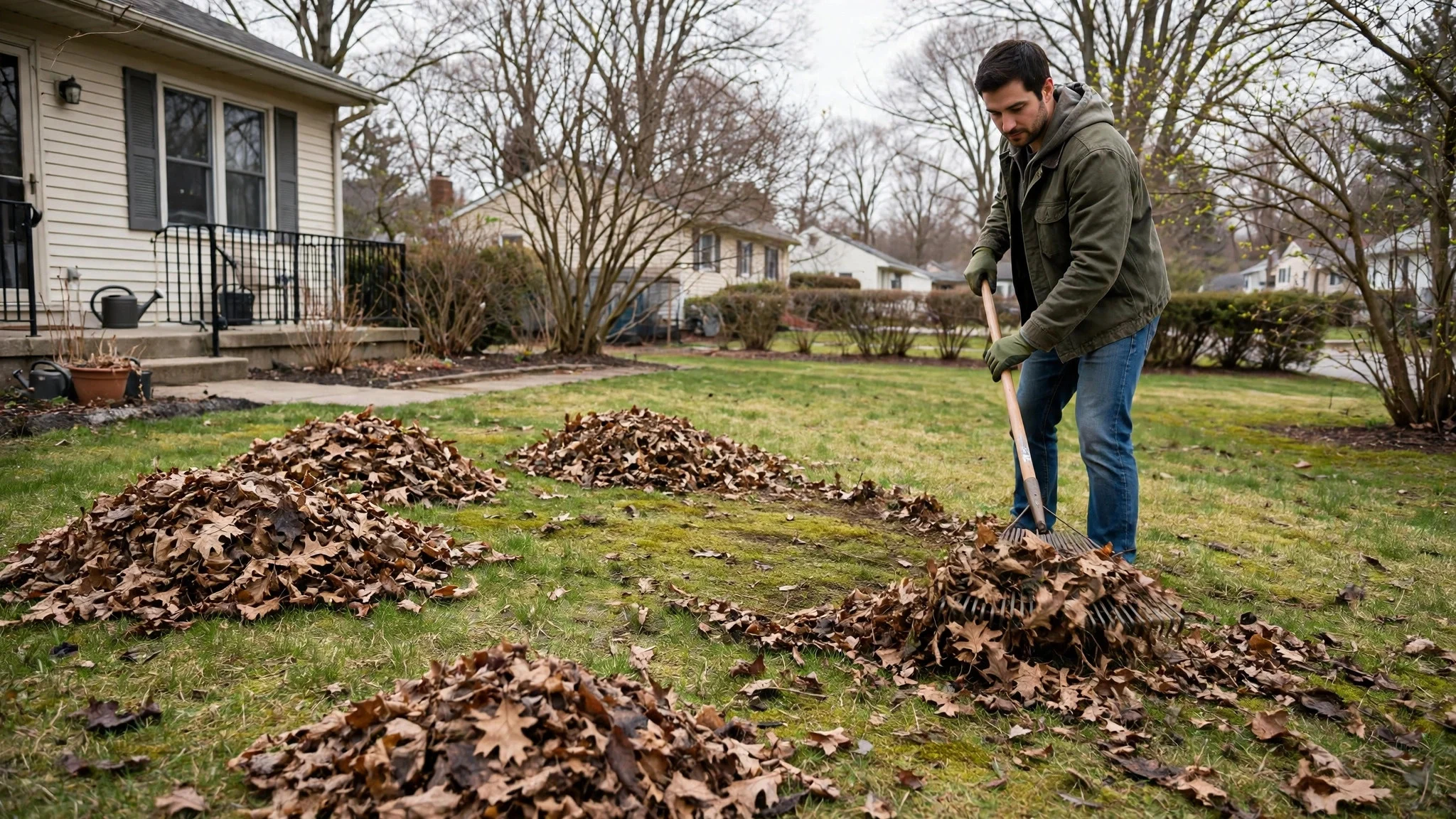
Leaves that sat all winter form a soggy mat that smothers grass and invites disease. Rake them up with a flexible leaf rake, working in short passes rather than dragging huge piles across the lawn. You will probably pull up some dead, straw-colored grass with them, and that is fine. That dead material is called thatch, and a light raking clears enough of it for air and water to reach the soil again. If the lawn still looks flat and gray after raking, do not panic. Green shoots usually appear within a week or two once light hits the crowns.
3. Edge the Lawn Along Walks and the Driveway
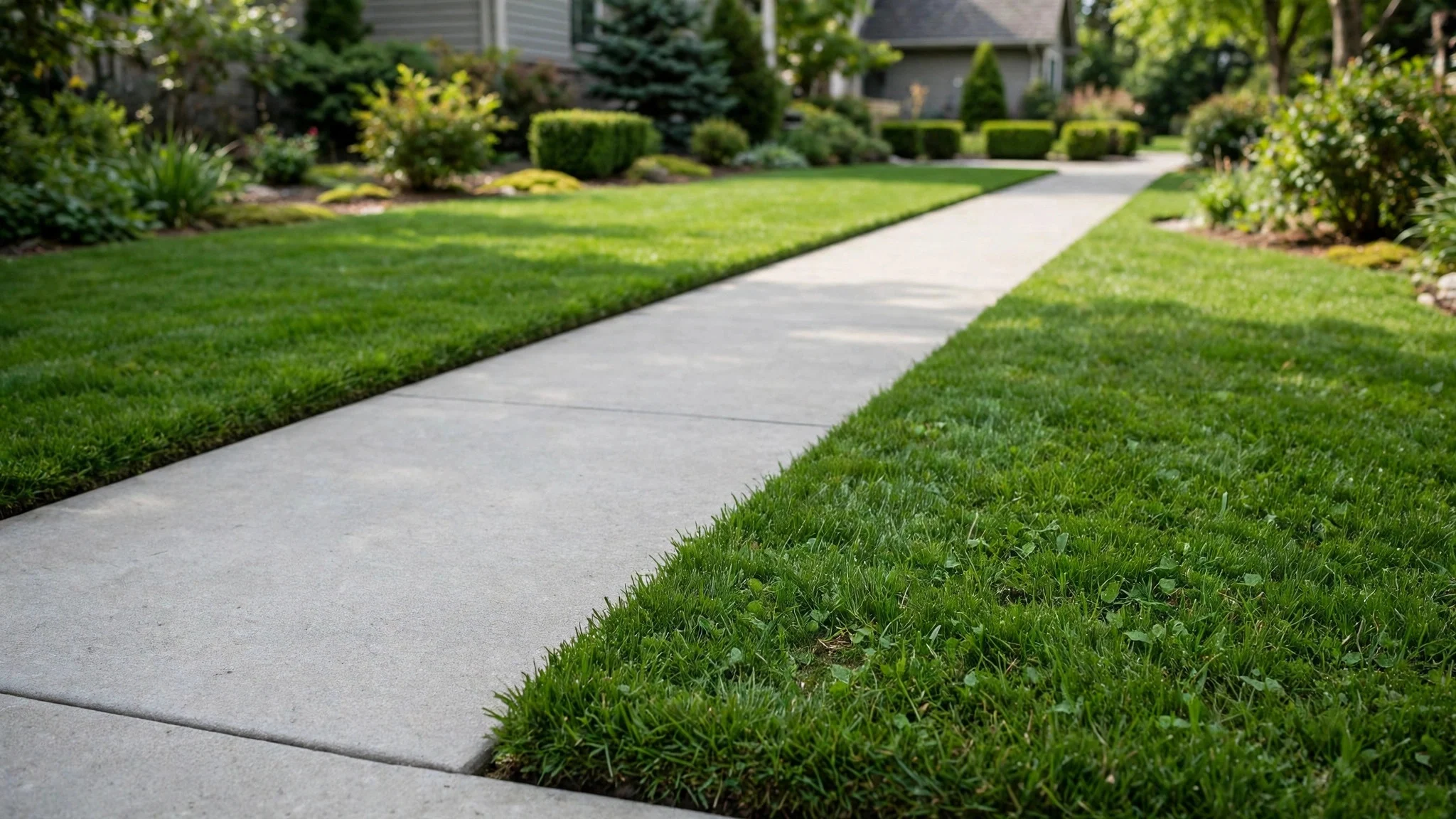
Nothing sharpens a front yard faster than a clean edge. Take a half-moon edger or a flat spade and cut a crisp line where the grass meets the walkway, the driveway, and the curb. Work in short sections, stepping on the tool to get a clean cut, and pull the cut strips away as you go. The first time I edged my own walk, I was surprised by how much grass had crept over the concrete. An hour of edging made the whole front look like someone had been maintaining it all along. Sweep the trimmings off the concrete when you finish so the edge reads clearly.
4. Prune Dead and Damaged Branches
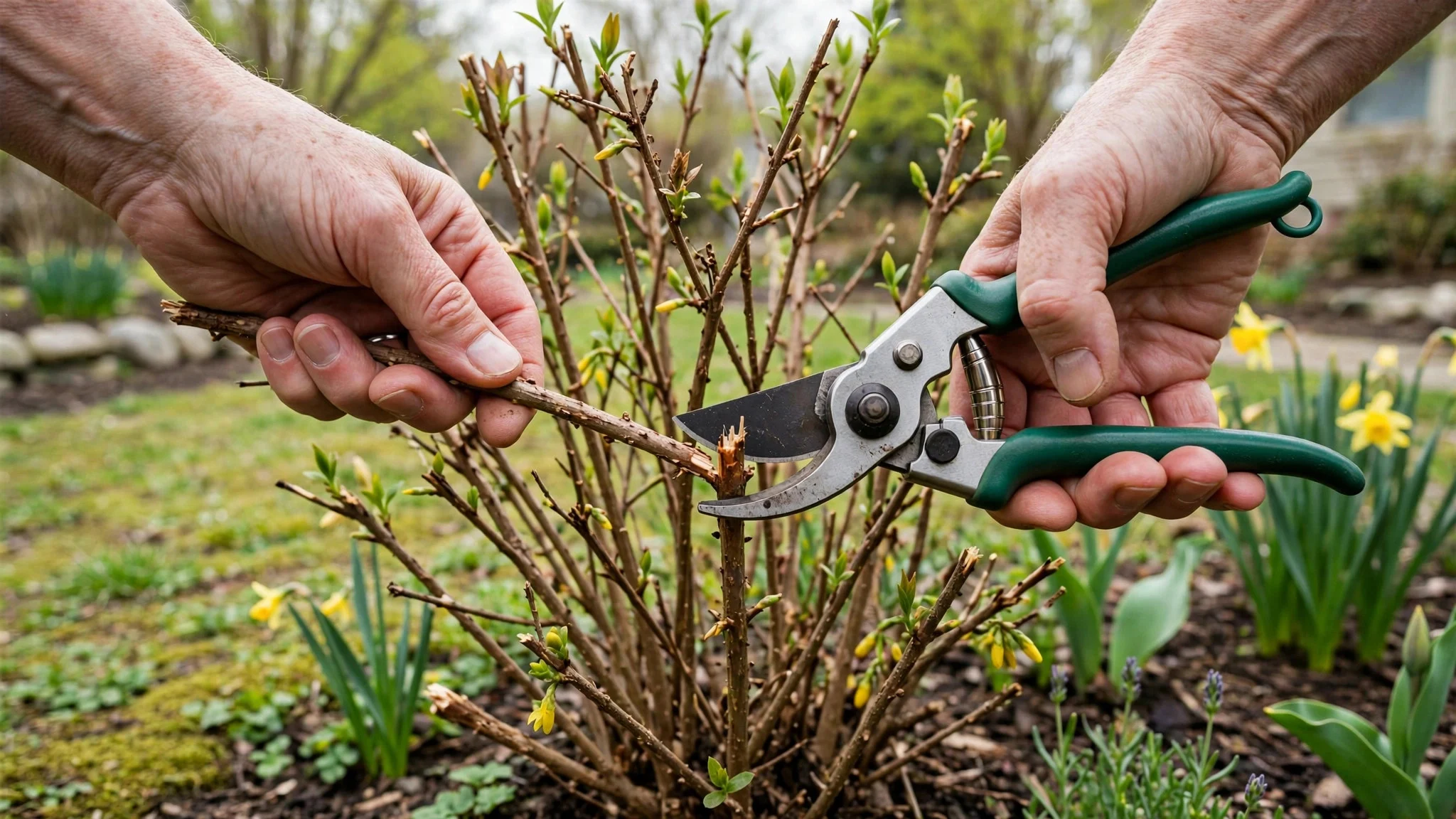
Winter leaves its mark on shrubs and small trees in the form of snapped, split, or plain dead branches. Cut these back to healthy wood, making each cut just above an outward-facing bud or a side branch. Dead wood snaps easily and looks gray inside, while live wood shows green just under the bark if you scratch it lightly. Keep cuts modest. Spring is for removing damage, not reshaping the whole shrub, and heavy pruning now can cost you this year’s flowers on spring bloomers. Step back every few cuts to check the shape, because it is easy to over-prune one side while standing close.
5. Cut Back Last Year’s Perennials
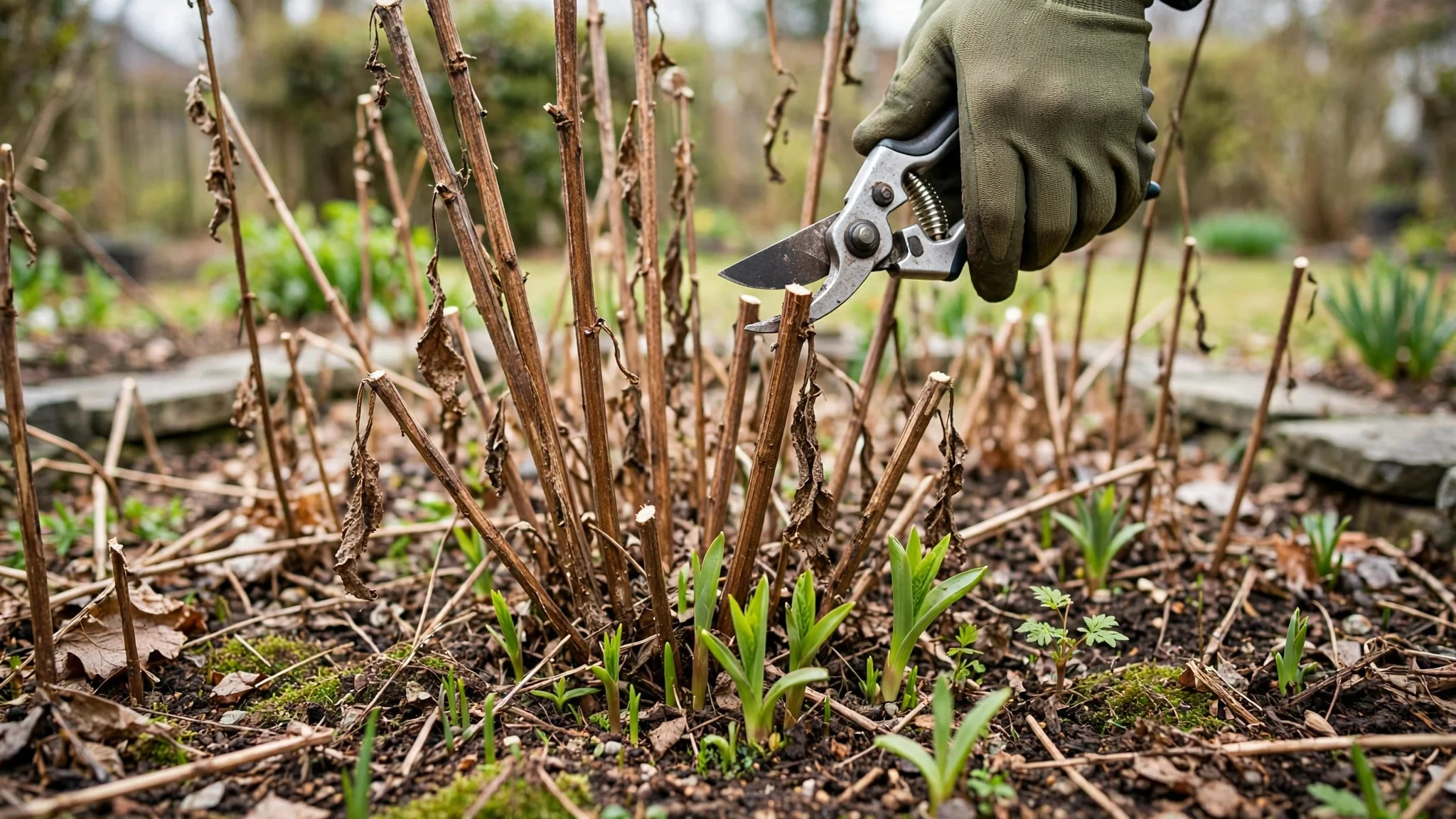
Those brown, floppy stems in the beds are last year’s perennials waiting to be cleared. Cut them down to a few inches above the ground, being careful not to snip the fresh green shoots already pushing up at the base. I missed a hosta shoot my first spring doing this and felt guilty for a week, though the plant forgave me and grew back fine. Clearing old stems lets light and air reach the new growth and makes the beds look intentional instead of abandoned. Compost the healthy cuttings and bin anything that looks diseased or moldy.
6. Refresh the Mulch in Every Bed
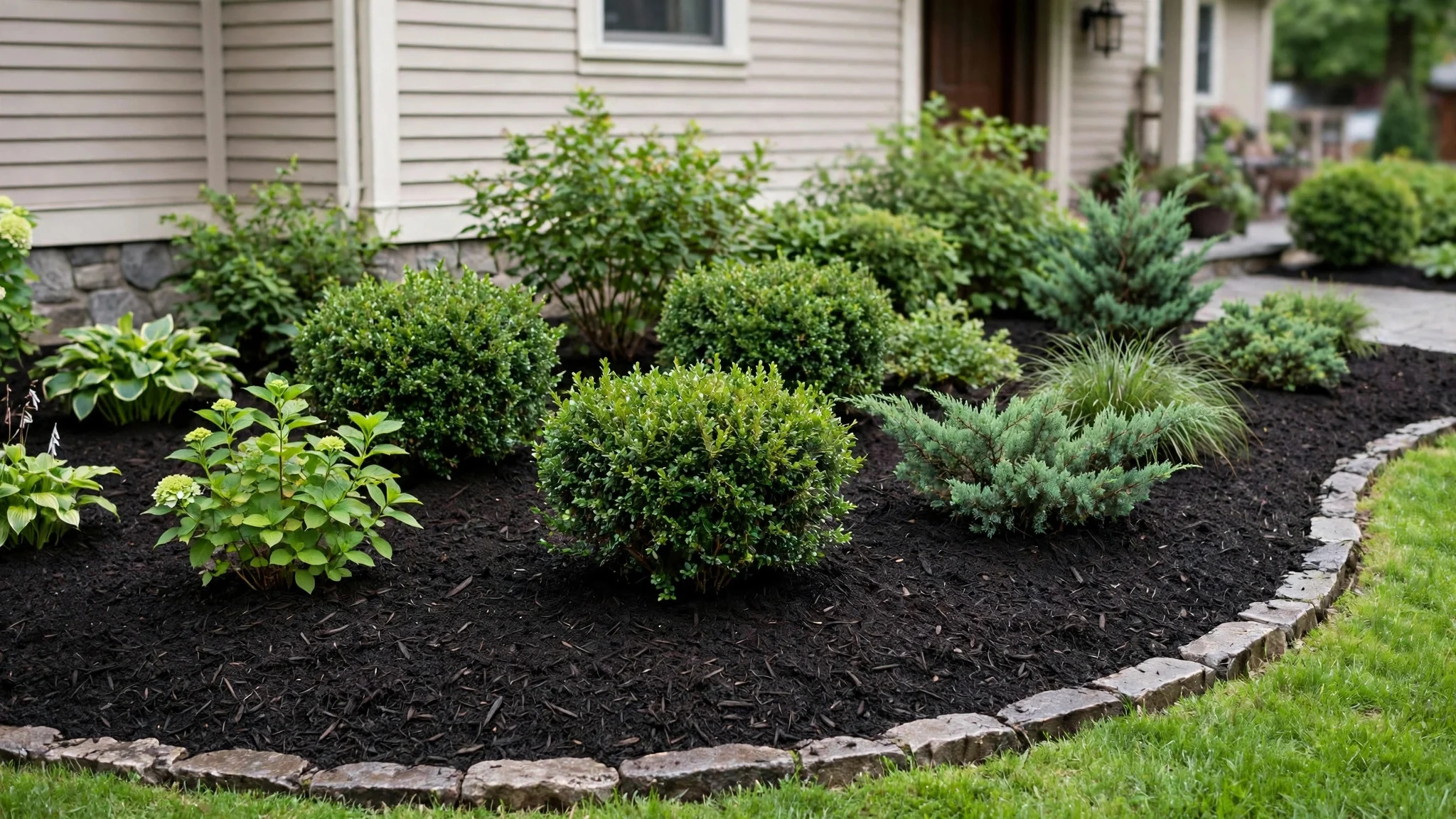
Old mulch fades to gray and thins out over winter, so spring is the time to top it up. Rake the existing mulch level first, breaking up any crusty patches, then add a fresh layer to bring the total depth to about two to three inches. Keep mulch pulled a few inches away from tree trunks and shrub stems, since mulch piled against bark holds moisture and invites rot. Fresh mulch does more than look good. It holds soil moisture, suppresses weeds, and makes the beds look finished even before anything has bloomed. For more seasonal ideas once the yard is clean, see our spring decor ideas to freshen every room.
7. Feed the Lawn While It Wakes Up
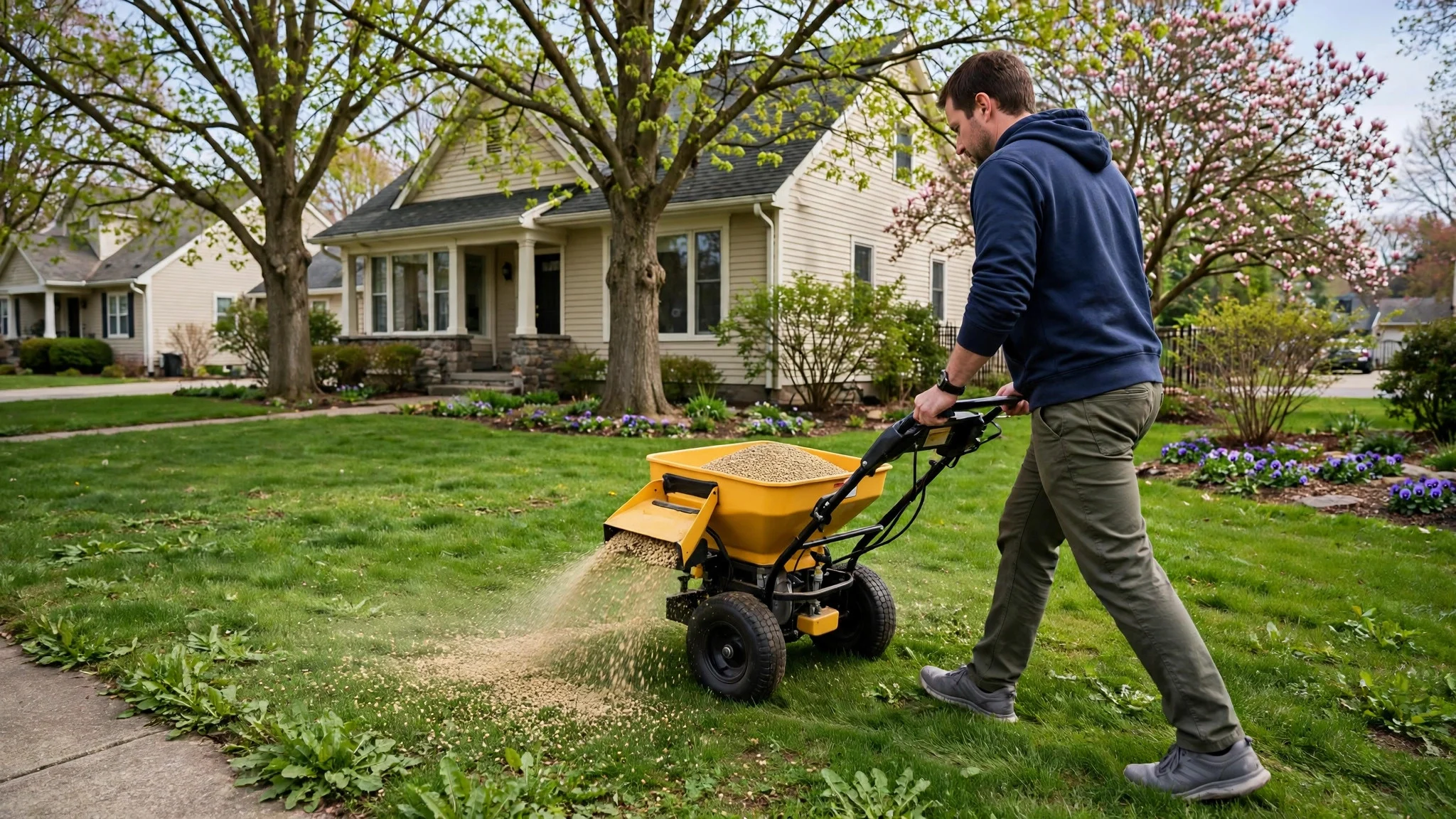
Once the lawn has been raked and edged, it is hungry. A spring lawn feed gives the grass the nitrogen it needs to green up and thicken, which in turn crowds out weeds. Spread it evenly with a broadcast spreader, walking at a steady pace and overlapping each pass slightly so you do not leave stripes. Water it in lightly if rain is not expected within a day or two. Read the bag and resist the urge to double up, since too much fertilizer burns grass and washes into drains. One measured application now beats a heavy hand every time.
8. Overseed the Bare and Thin Patches
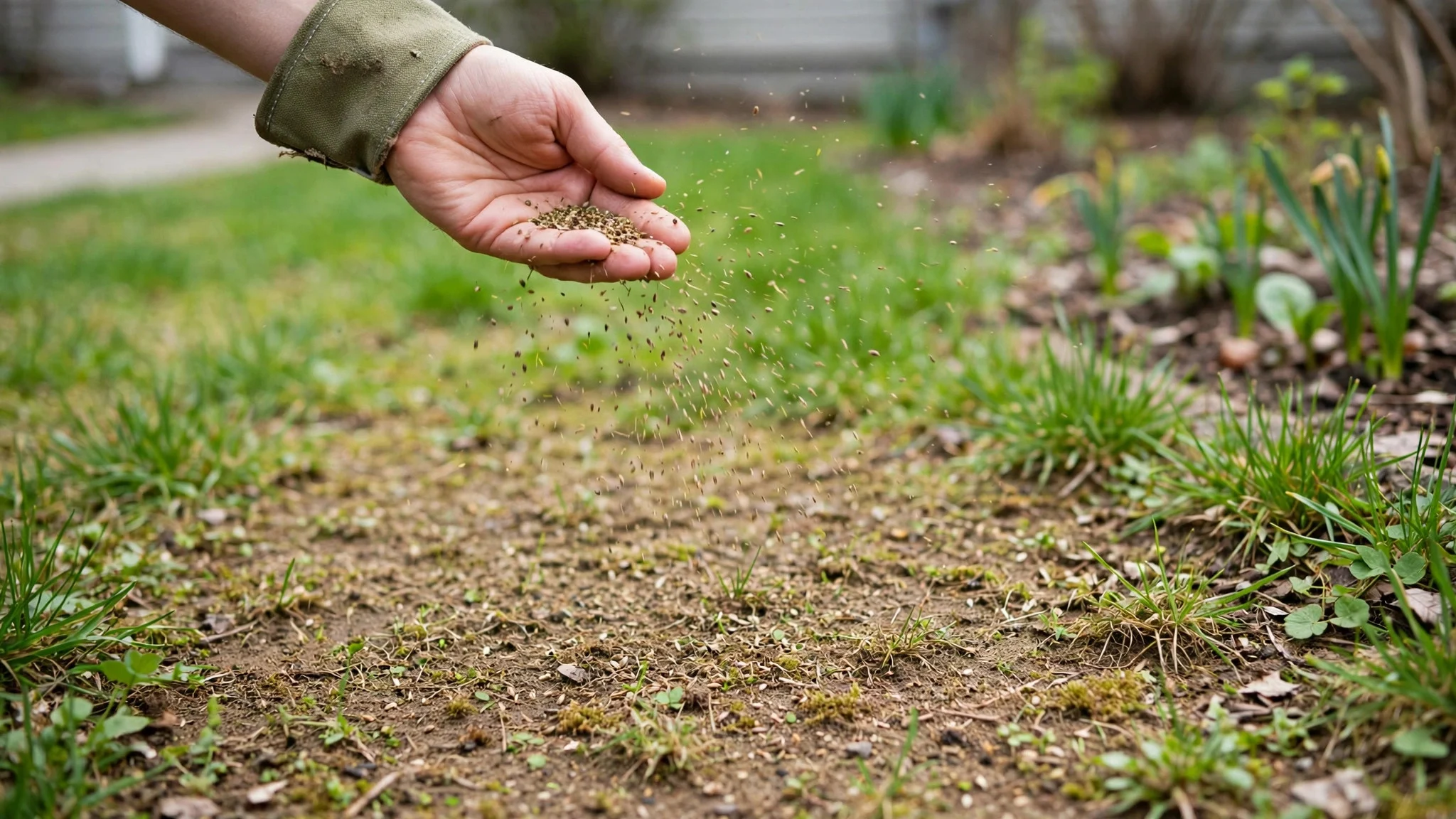
Every front lawn has them: the worn patch by the mailbox, the thin spot under the tree, the strip where the snow pile sat. Loosen the soil in those spots with a hand rake, scatter seed suited to your sun conditions, and press it into contact with the soil by walking over it or tamping it lightly. Cover thinly with compost or straw to hold moisture. The trick is keeping the seed damp for the next two to three weeks, so water lightly every day until it germinates. I mark my seeded patches with small sticks so nobody walks through them before the grass takes hold.
9. Clean and Repair the Walkway and Driveway
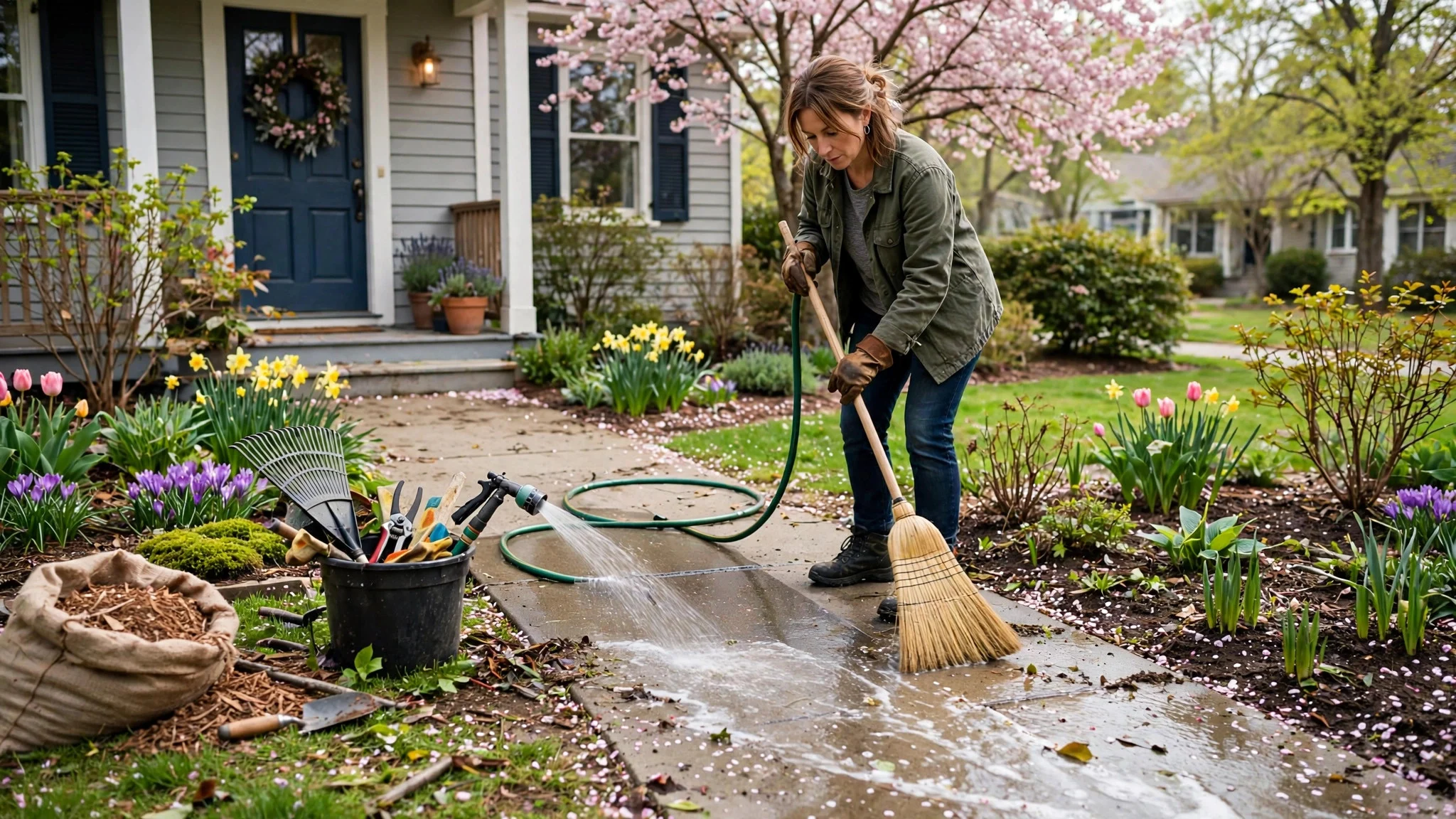
Winter leaves walkways stained with mud, salt, and algae. Sweep loose dirt first, then scrub or pressure-wash the concrete or pavers on a low setting, working from the house outward. While you are at it, look for cracked pavers, sunken slabs, or loose edging stones and fix what you can. A wobbly paver is a tripping hazard, and resetting one takes ten minutes with a bit of sand underneath. Clean hard surfaces change how the whole front yard reads, because the eye follows the path to the door. If your porch needs the same treatment, our guide on transitioning winter decor into spring covers the indoor-outdoor shift too.
10. Wash Down the Porch and Front Door Area

The porch collects a winter’s worth of grime: cobwebs in the corners, dust on the light fixtures, mud splashed up the door frame. Wash the door, wipe the hardware, clean the light covers, and sweep or mop the porch floor. I always find at least one spider that has been living rent-free in the porch light. A clean entry makes the yard work you just did feel complete, because the porch is the frame around the whole picture. If the doormat is frayed or faded, replace it now. It is a small purchase that signals the house is cared for.
11. Check the Gutters and Downspouts
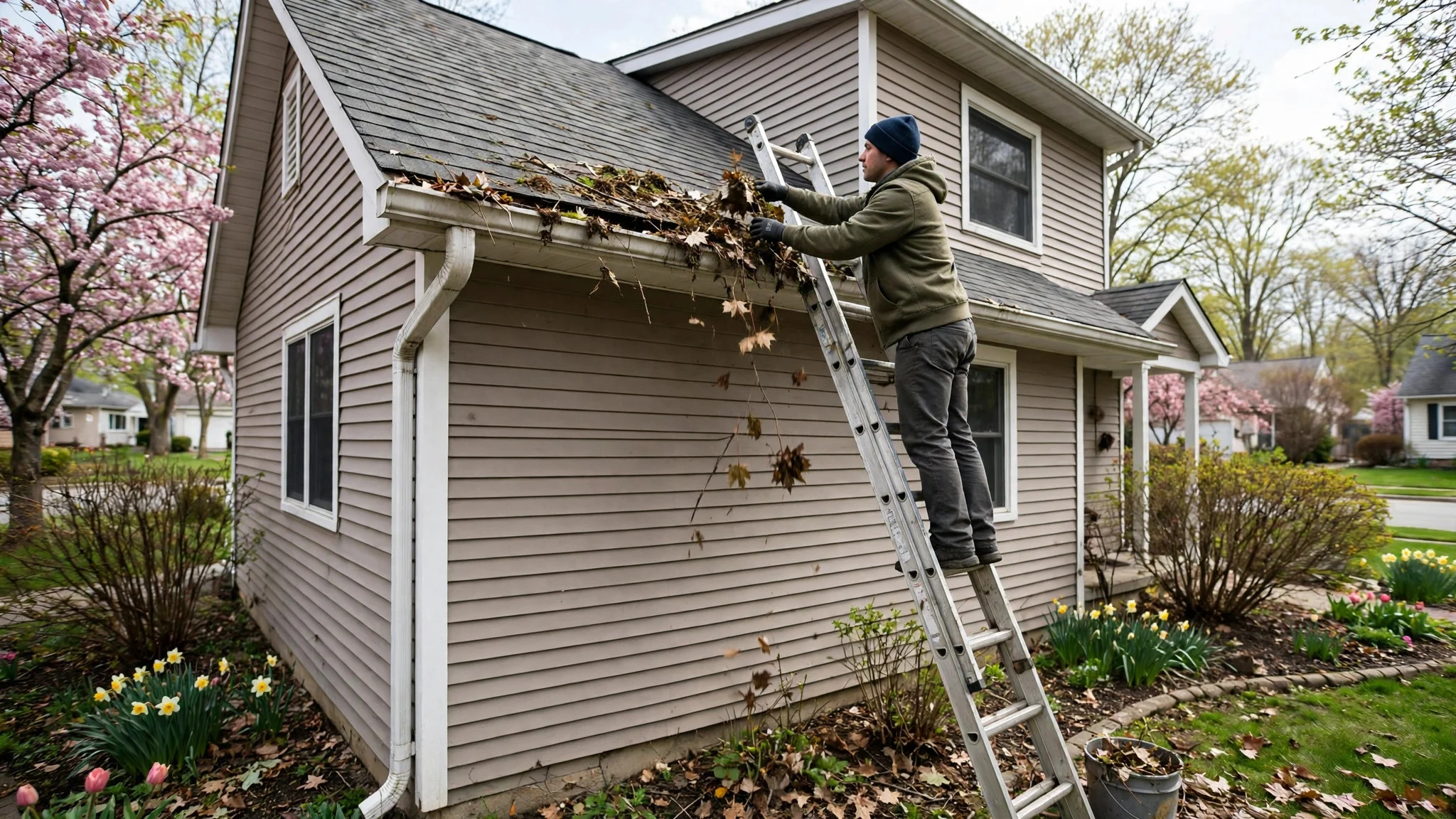
Front gutters clogged with leaves and grit overflow onto beds and walkways, washing out mulch and staining siding. Scoop out debris by hand with gloves, flush the run with a hose, and check that downspouts drain away from the house rather than pooling by the foundation. If water gushes from a seam, note it for repair before the spring rains get serious. Only work from a stable ladder with someone nearby, and skip this job entirely on a windy day. It is unglamorous work, but a gutter that drains properly protects everything below it.
12. Tidy the Beds and Work in Some Compost
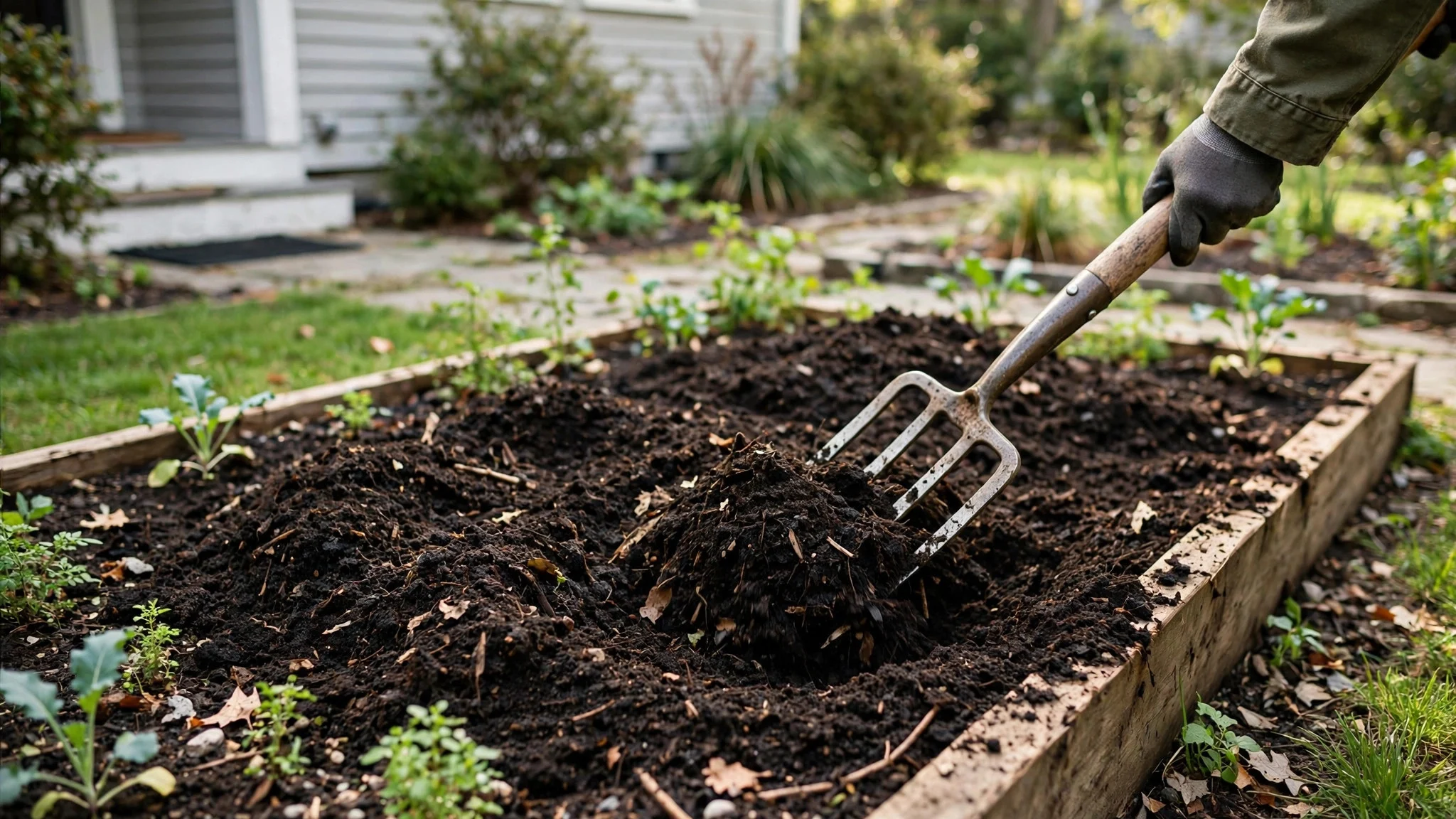
With old stems cut and mulch pulled back, the beds themselves deserve attention. Pull weeds while they are small and their roots come out easily, then work a thin layer of compost into the top few inches of soil. Compost feeds the soil life that feeds your plants, and it improves both heavy clay and sandy soil over time. I keep a small bin by the beds so weeds go straight in rather than sitting in piles I forget about. Once the beds are weeded and fed, they are ready for whatever you plant next, and they already look twice as good.
13. Plant Early Color for Instant Cheer

A cleaned-up yard can still look bare in early spring, which is where cold-hardy color comes in. Pansies, primroses, and violas handle chilly nights and bloom right away, filling beds and pots while everything else wakes up. Plant them in clusters rather than single dots, since groups of five or seven read as a deliberate display. Water them in well and deadhead spent blooms to keep them flowering for weeks. These are not permanent plants, and that is the point. They are a cheerful placeholder that buys the garden time to catch up.
14. Freshen the Mailbox and Front Step Details

Small details carry surprising weight at the curb. Wash or repaint a faded mailbox, tighten a loose post, and make sure the house numbers are clean and readable from the street. Polish or replace a tarnished door handle if it bothers you every time you come home. These are twenty-minute jobs, but together they tell visitors and neighbors that someone pays attention here. I repainted my mailbox one Saturday morning and had two neighbors ask about the color before lunch. Details like these are the difference between a yard that is clean and a yard that feels finished.
15. Set Out the First Pots by the Door

Finish with the pots by the front door. A pair of planters with early spring flowers, a small evergreen, or even just fresh trailing greenery frames the entrance and ties the whole cleanup together. Choose pots that suit the scale of your door, since tiny pots beside a wide door look lost. Water them in, sweep the step one last time, and step back to the curb for a look. That final view from the street is the reward for the whole weekend, and it is usually much better than you expected. For a softer color palette to carry into the house, see our pastel spring decor ideas that feel modern.
Frequently Asked Questions
When should I start spring yard cleanup?
Start when the soil is no longer soggy and daytime temperatures regularly stay above freezing. Working on wet soil compacts it and damages grass roots, so wait for a few dry days. In most climates, that window falls in early to mid spring.
What is the first thing to do in a spring yard cleanup?
Clear debris first, then rake, then prune. Removing branches and trash lets you see the lawn and beds clearly, and raking before pruning means you only clean up fallen cuttings once.
Should I dethatch my lawn every spring?
Not necessarily. A light raking is enough for most lawns. Only dethatch aggressively if the thatch layer is thicker than about half an inch and water pools on the surface instead of soaking in.
How much mulch should I add in spring?
Top up to a total depth of two to three inches. More than that can smother plant roots and hold too much moisture against stems. Always keep mulch a few inches away from trunks.
Can I do a full spring cleanup in one weekend?
Yes, for an average front yard. Do debris, raking, and pruning on day one, and mulching, seeding, and finishing touches on day two. Larger yards or gutter work may spill into a second weekend, and that is perfectly fine.
Spring yard cleanup is not about perfection. It is about clearing winter’s leftovers, giving the lawn and beds a fair start, and finishing with a few details that make the house feel welcoming again. Tackle it in order, take breaks, and enjoy that first walk back from the curb when everything looks fresh. The growing season will take it from there.