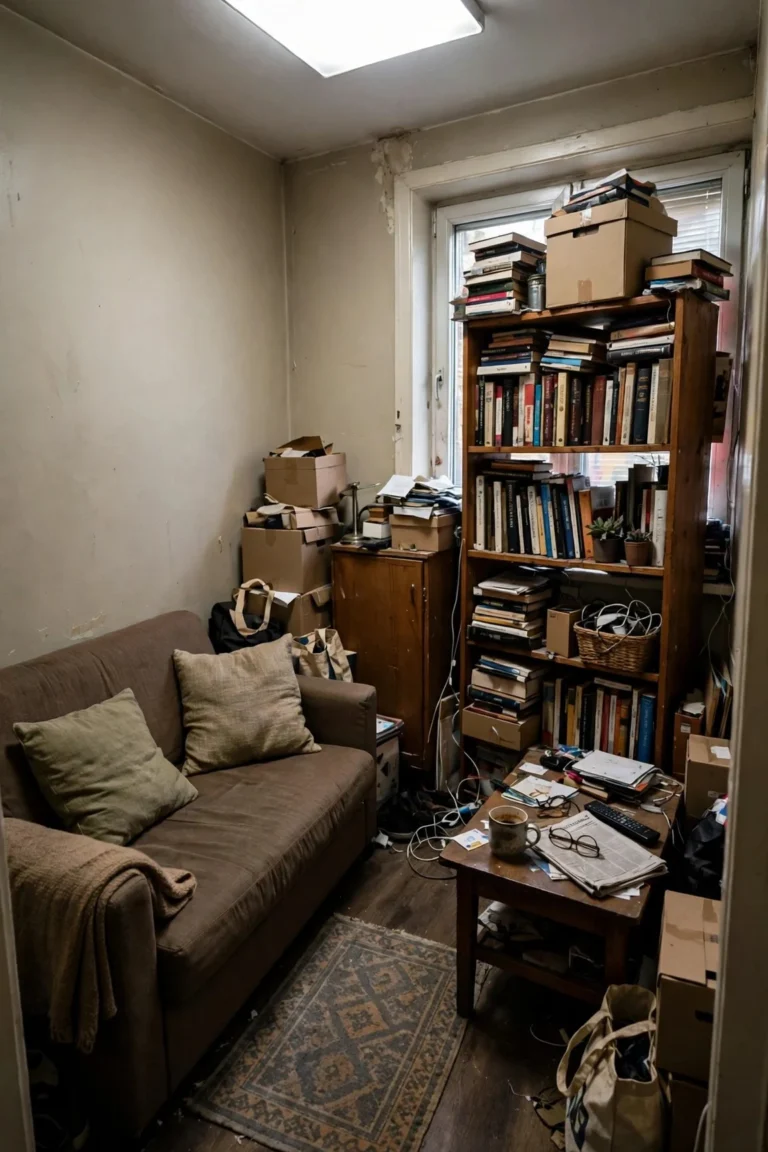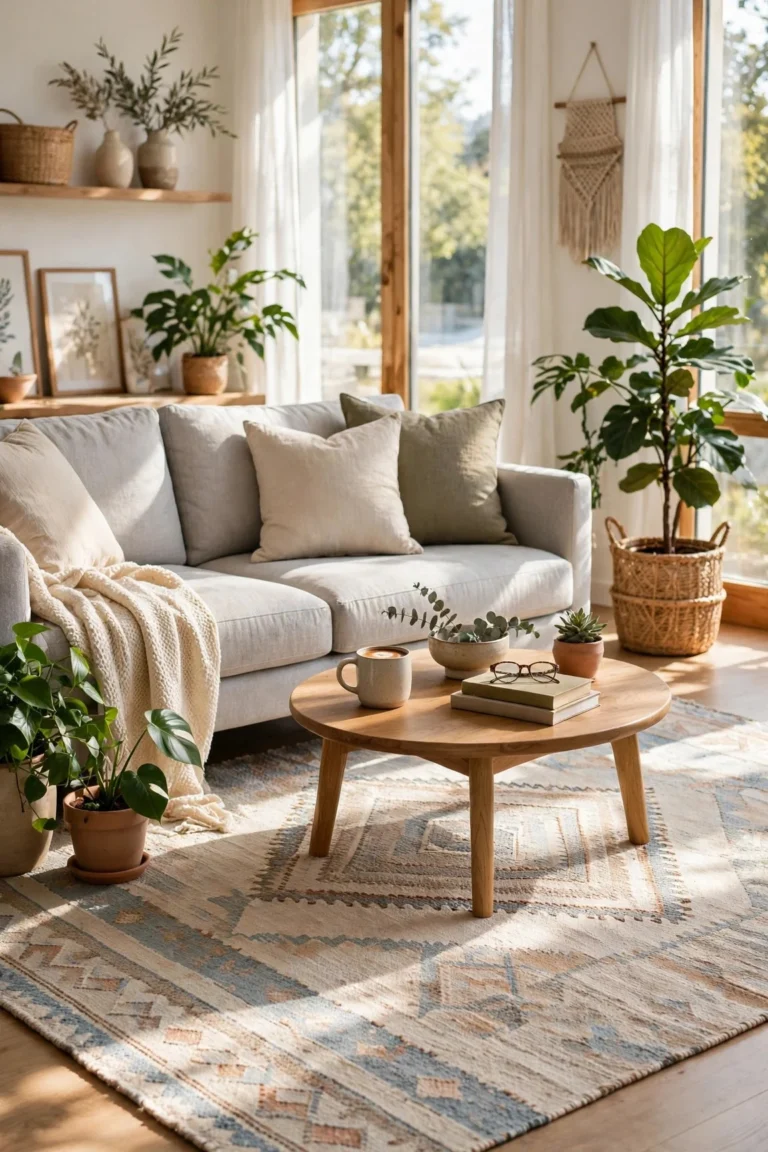



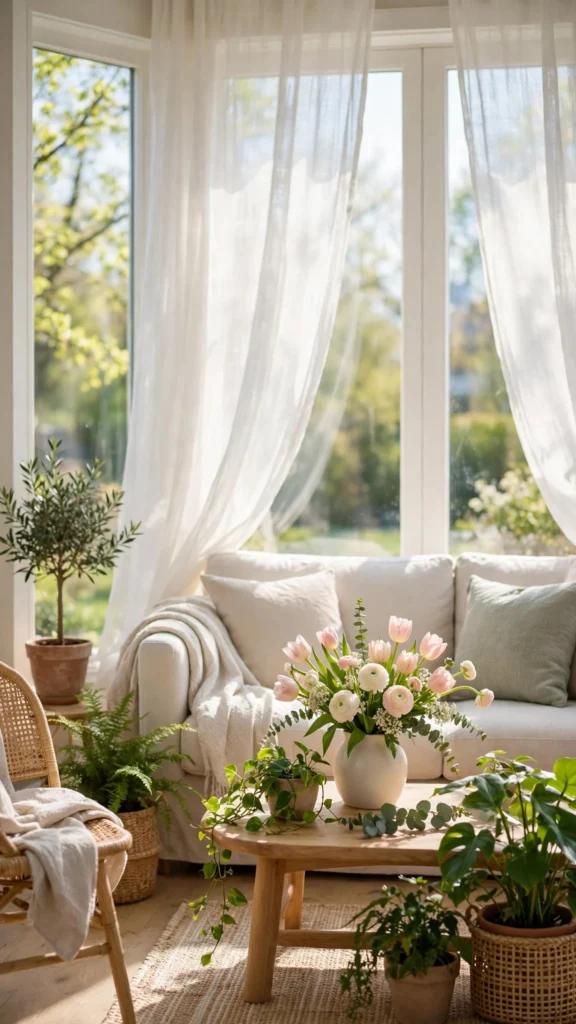
There is a particular kind of light that shows up in a living room in spring, and it makes you notice everything: the heavy curtains, the dark throw that has lived on the sofa since November, the clutter on the coffee table. A light and airy spring living room is not about repainting the whole house or buying new furniture. It is about letting that light in and getting out of its way. I refresh my living room every spring with the same set of moves, and most of them cost nothing. Here are eighteen ideas, starting with the ones that make the biggest difference.
1. Swap Heavy Curtains for Sheers

Nothing changes a room faster than swapping heavy drapes for sheer white curtains. Sheers soften the sunlight without blocking it, and they move gently when a window is open, which adds a feeling of air in itself. Hang them high and wide — a few inches above the window frame and past its edges — so the window looks larger and the wall feels taller. White or pale ivory works in almost any room. I made this swap one Saturday morning and the room felt like a different house by lunch.
2. Lighten the Sofa With a Slipcover or Pale Throw

A dark sofa can anchor a whole room in winter mode. A pale slipcover fixes that in an afternoon, and a light linen throw draped over the back does most of the same work for far less money. Choose a washable fabric, because a pale sofa in a real living room will meet coffee, dogs, and children eventually. I use a natural linen throw in warm white; it softens the sofa’s outline and bounces light instead of absorbing it.
3. Clear the Windowsills Completely

Windowsills collect things: candles, photo frames, a stack of books that never moved. Clear them completely, clean the glass, and put back at most one small thing per sill — a tiny plant, a single candle. The extra light that comes in when the sill is clear is surprising. It is also the cheapest idea on this list, which is a good reason to do it first. Stand back after clearing them and notice how much brighter the whole wall looks.
4. Bring in Fresh Flowers, Even a Small Bunch

A small bunch of tulips or daffodils on the coffee table does something no decor object can: it smells like spring and it changes slightly every day as the buds open. You do not need a florist arrangement. A grocery bunch in a glass jar looks honest and fresh, and it costs very little. Change the water every couple of days and trim the stems, and a bunch will last a week or more. This is the one spring move I never skip.
5. Add a Mirror Opposite the Window

A mirror hung opposite or beside a window doubles the light in a room without adding a single lamp. It also makes the room feel deeper, because your eye reads the reflection as more space. A large leaner mirror works beautifully if you have the floor space; a framed mirror above a console table does the job in a smaller room. Keep the mirror’s view pleasant — it will reflect whatever sits opposite it, so angle it toward the window, not toward clutter.
6. Swap Dark Cushions for Linen in Pale Tones
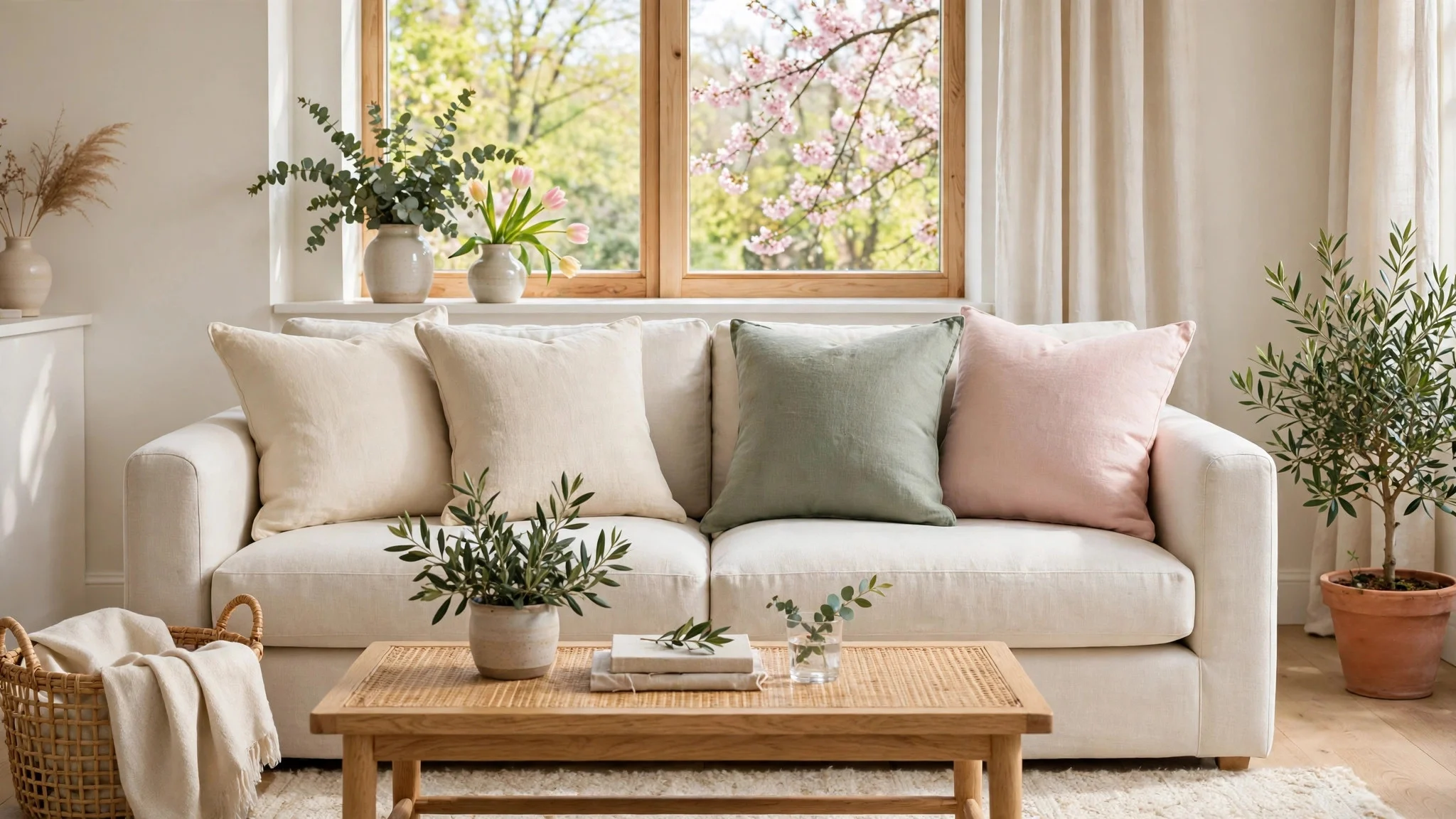
Cushions are the fastest seasonal swap in any living room. Pack away the velvet and wool covers and bring out linen in cream, pale sage, soft blush, or dusty blue. Two or three pale cushions are enough; you do not need to replace every cushion in the house. Mix one subtle pattern — a thin stripe, a small botanical print — with plain covers so the sofa looks collected rather than matched. Store the winter covers in a bag under the bed, ready for autumn.
7. Lay Down a Light, Natural Rug

A dark, heavy rug grounds a room in a way that fights spring light. A jute, sisal, or pale cotton rug lifts the whole floor. Natural fibres add texture without adding visual weight, and they pair with almost any sofa colour. If a new rug is not in the budget, try rolling up the winter rug for a month and living with the bare floor — you may be surprised how much lighter the room feels. I keep my jute rug out from March to October and it marks the season change for the whole house.
8. Pull Furniture Away From the Windows

Furniture pushed up against windows blocks light and makes a room feel cramped. Pull the sofa or armchair even a foot away from the window wall and the light can travel further into the room. While you are at it, check the walkways: a clear path through the room feels airier than any single decor change. I move one armchair every spring so it faces the garden instead of the television, and that chair becomes everyone’s favourite seat for months.
9. Add Greenery in Different Heights
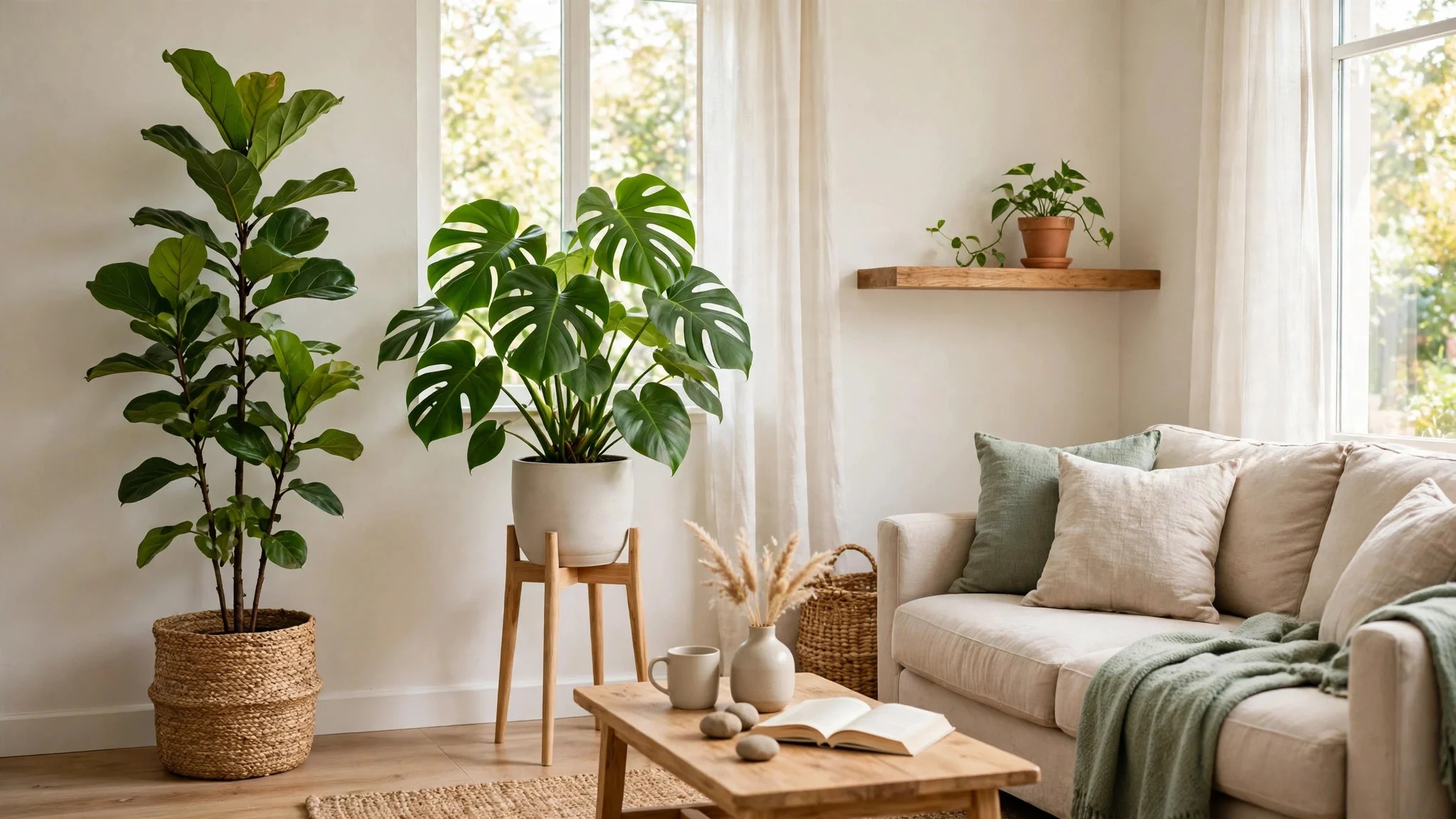
One plant on a table is decoration. Plants at three heights — a tall floor plant, a medium one on a stand, a small one on a shelf — feel like a living part of the room. Mix leaf shapes too: a fiddle-leaf or olive tree for height, a trailing pothos for softness, a small fern for texture. Group them near the window where they will thrive, and water on a schedule so they stay lush. Green against pale walls is the classic spring combination for a reason.
10. Choose a Glass or Light-Wood Coffee Table
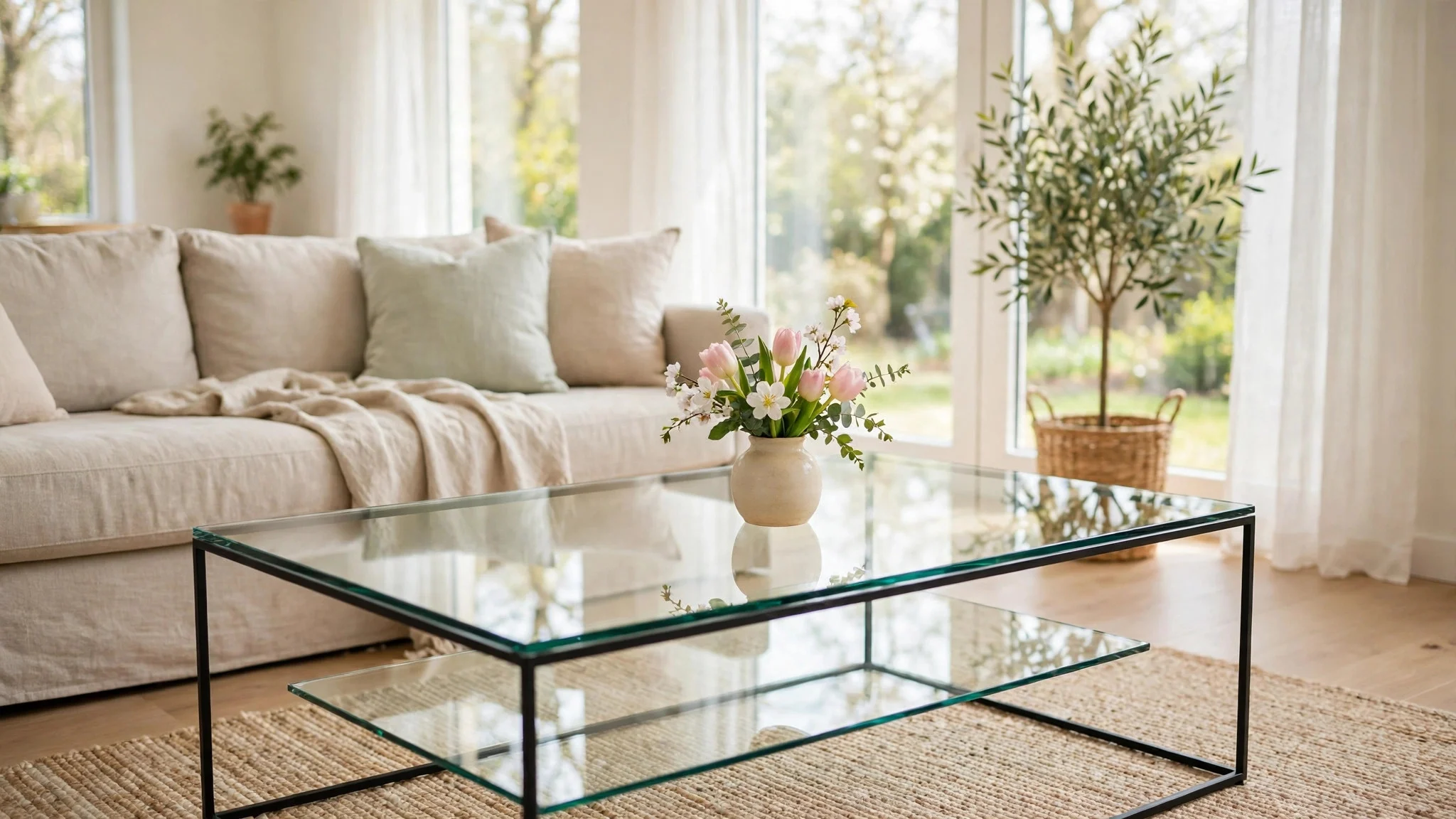
A solid dark coffee table sits in the middle of the room like a wall. Glass lets your eye travel through it, and light wood does nearly the same while feeling warmer. If replacing the table is not an option, clear it right down: a tray, one book, and a small vase is all it needs for spring. The less that sits on the table, the more open the centre of the room feels. I clear mine every Sunday evening, and Monday mornings feel calmer for it.
11. Hang Botanical Prints in Light Frames

Swap one or two dark-framed pictures for botanical prints in pale wood or white frames. Pressed flower prints, leaf studies, and simple line drawings of plants all suit spring, and they are easy to find affordably. Hang them at eye level and leave breathing room around them; a crowded gallery wall can feel heavy even with light frames. Two prints flanking a window, or one larger print above the sofa, is often all a wall needs.
12. Let in Fresh Air Every Morning
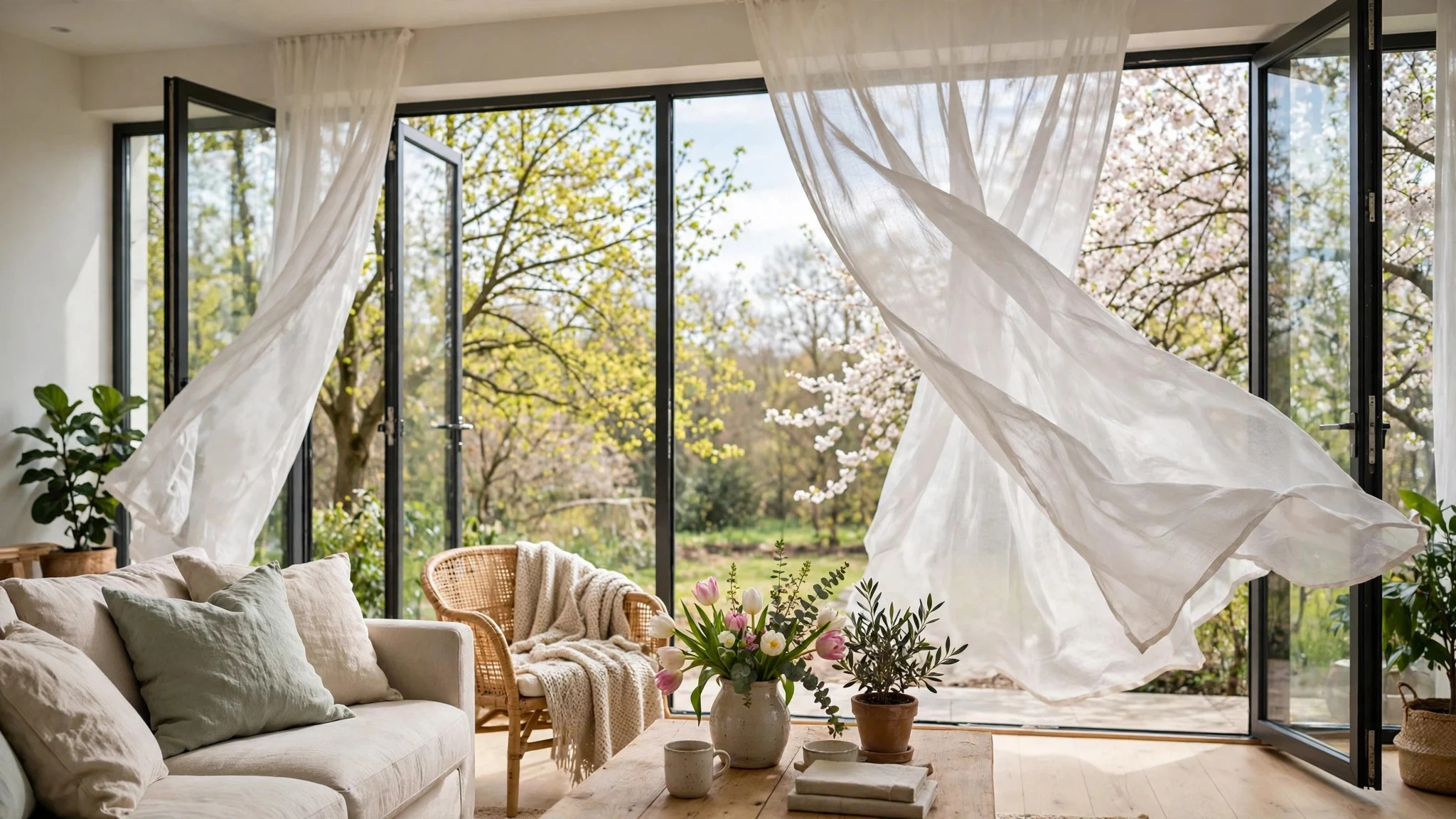
Airiness is not only visual. Open the windows for twenty minutes each morning, even on a cool day, and the room stops smelling like a closed-up winter house. Cross-breezes work best: open a window on two sides of the room if you can. I do this while the kettle boils, and by the time breakfast is ready the room feels awake. Pair it with fresh bedding in the rest of the house and the whole place resets.
13. Use Pale Paint or Removable Colour on One Wall

If one wall in your living room is dark or tired, a pale coat of paint transforms it. Warm white, pale sage, and soft greige all reflect light without feeling cold. Renters can get a similar effect with removable wallpaper or a large pale canvas hung over the dark wall. You do not need to repaint the whole room; one lighter wall behind the sofa changes how the light behaves across the entire space. Test a sample first — paint looks different in spring light than it did in January.
14. Declutter Surfaces to One or Two Objects
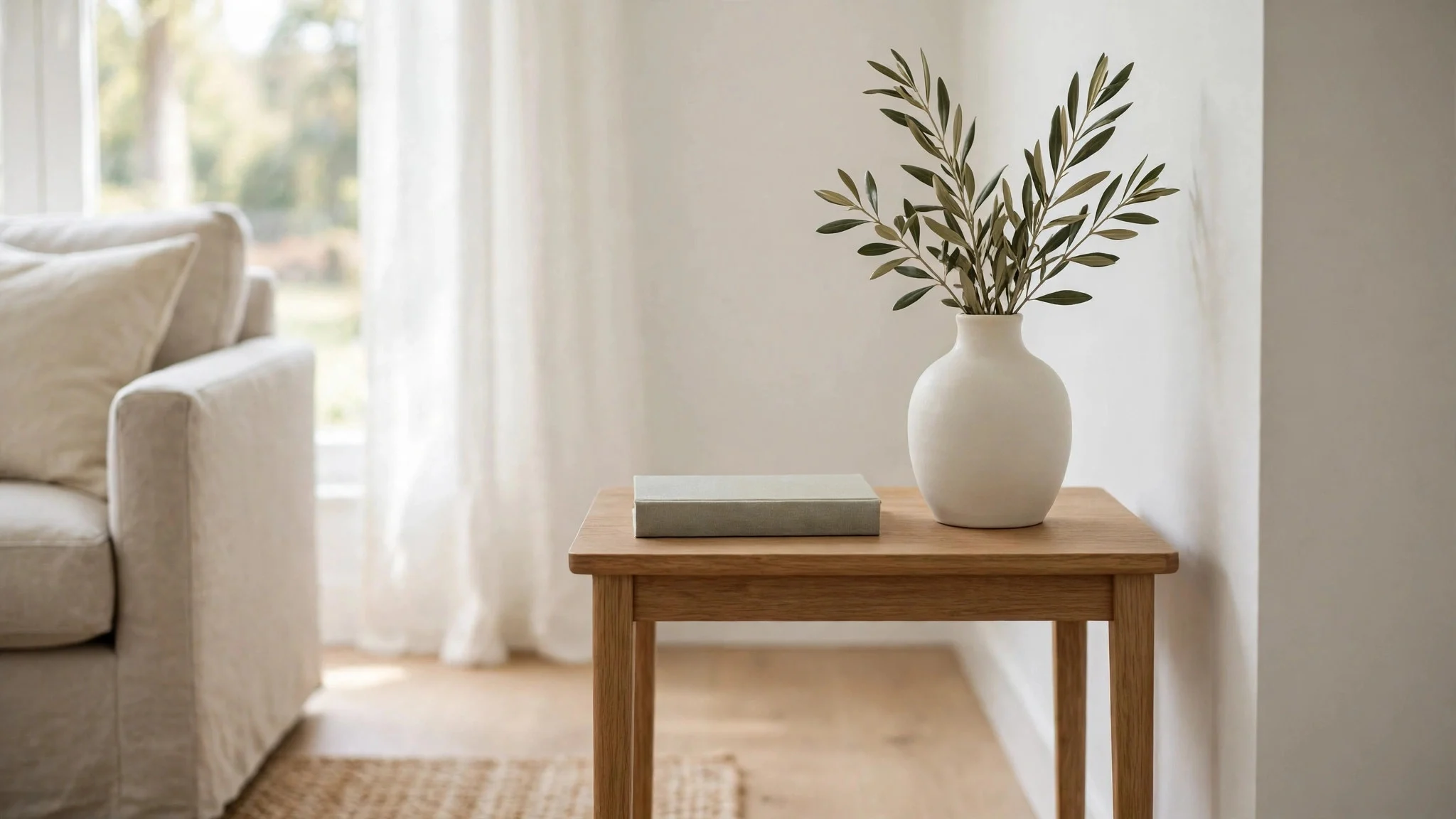
Side tables and mantels gather clutter all winter: remotes, chargers, unread mail, half-burned candles. Clear every surface down to one or two objects you genuinely like looking at. A vase, a book, a candle — that is a styled surface. Everything else lives in a basket or a drawer. This is not about minimalism for its own sake. It is about giving the eye somewhere to rest, which is exactly what makes a room feel airy instead of busy.
15. Add Woven and Rattan Textures
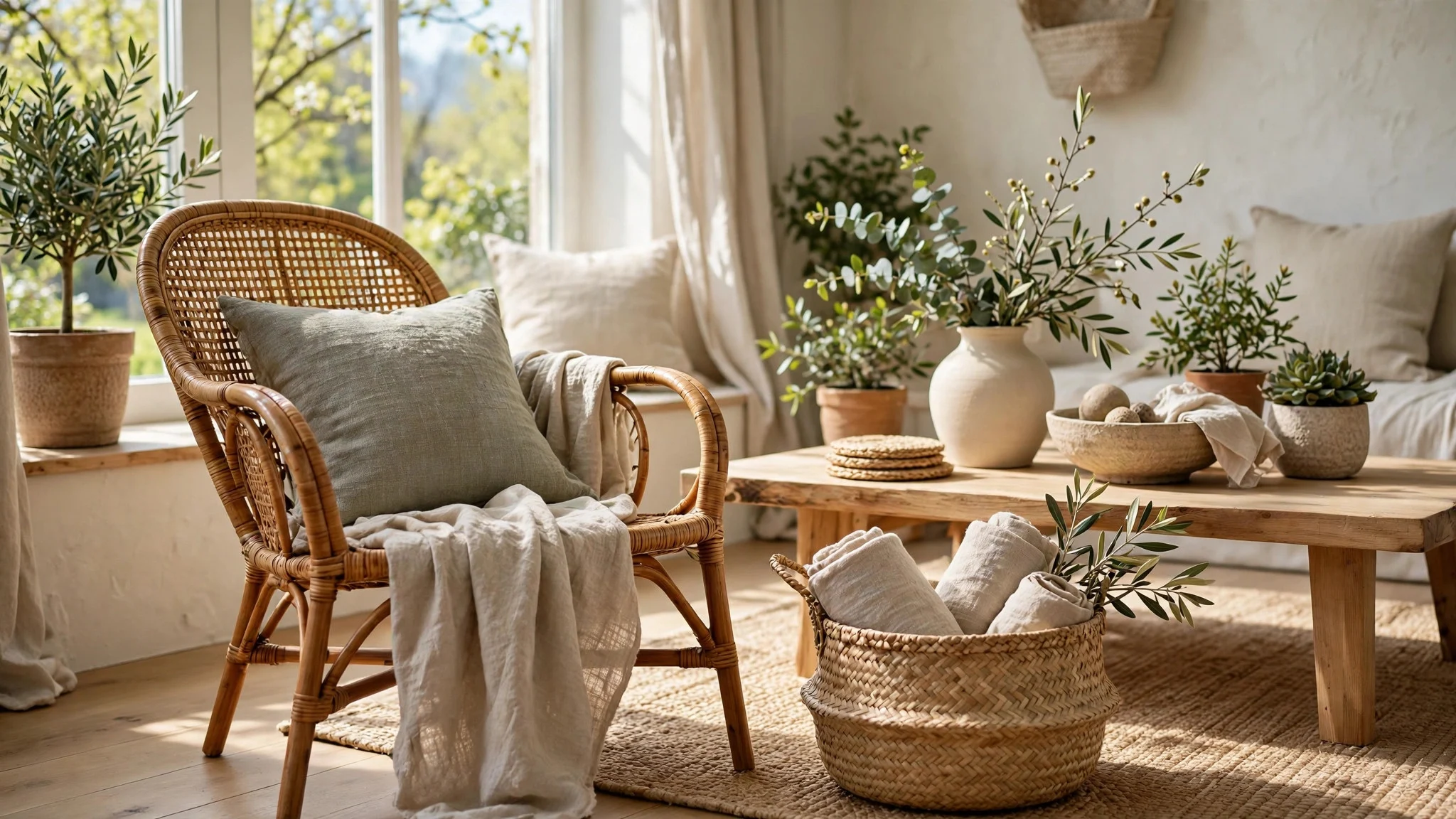
Rattan, wicker, and woven baskets bring a warm, outdoors feeling indoors without adding weight. A rattan tray on the coffee table, a woven basket for throws, a rattan pendant light — one or two pieces are enough. Natural textures catch the light differently from smooth surfaces, so they add interest while keeping the palette light. I keep a large seagrass basket by the sofa all spring; it holds the throws, hides the clutter, and looks like it belongs.
16. Brighten With Warm, Layered Lighting
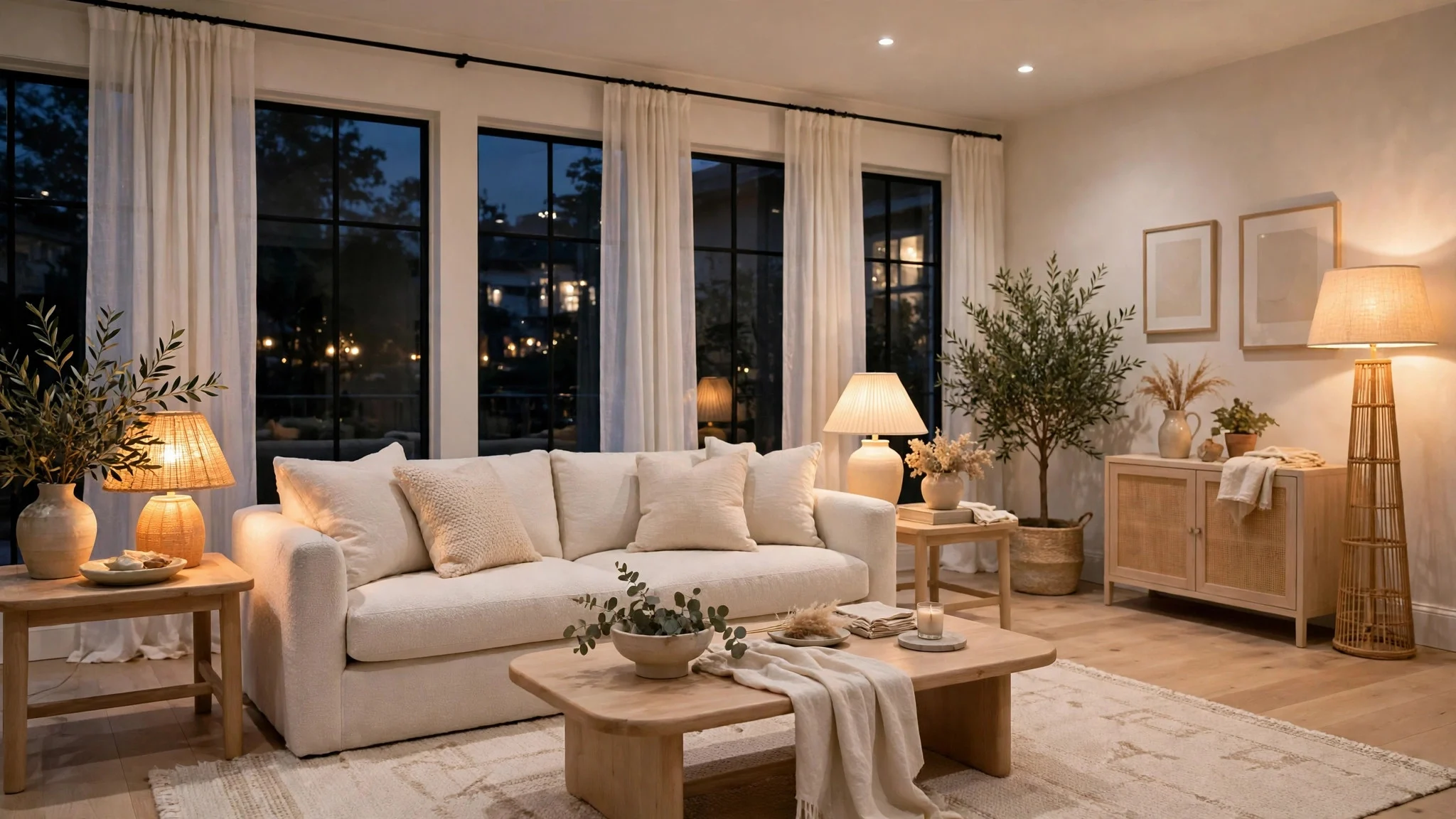
Spring light is lovely at noon and gone by evening, so layer your lighting for the hours after sunset. A table lamp with a pale shade, a floor lamp behind an armchair, and a few candles give a warm glow without harsh overhead light. Choose warm-white bulbs; cool white bulbs make a pale room feel clinical. Dim the overhead light or switch it off entirely in the evening. The room will feel just as airy at nine at night as it did at noon.
17. Connect the Room to the Outdoors

If your living room opens onto a garden, balcony, or patio, treat that doorway as part of the room. Keep the threshold clear, put a plant on both sides of it, and use similar colours inside and out so the eye travels through. On warm days, leave the door open and let the rooms blur together. Even a small balcony counts: a chair and a plant outside the glass door make the living room feel larger because the view becomes part of it.
18. Finish With a Scent That Says Spring

The last touch is invisible, and guests notice it first. A candle in a fresh scent — cut grass, citrus, lilac, fresh linen — or a bowl of lemons and a sprig of rosemary on a side table, signals spring before anyone registers the decor. Keep it subtle: one scent source per room is plenty, and two competing fragrances just smell confusing. I light a citrus candle for an hour before guests arrive, then blow it out; the scent lingers without overpowering the room.
Frequently Asked Questions
Do I need to buy new furniture for a light spring living room?
No. Curtains, cushions, a throw, and fresh flowers change the feeling of a room far more than new furniture does. Start with those, and only replace a piece if it still fights the light after the easy swaps.
What colours work best for a light and airy living room?
Warm whites, pale sage, soft greige, dusty blue, and blush, with natural wood and green plants as accents. Keep the big surfaces pale and let colour come from cushions, art, and flowers.
How do I keep a pale living room clean with kids or pets?
Choose washable slipcovers and throws, keep a lint roller handy, and accept that pale does not mean pristine. A washable throw over the favourite seat protects it without hiding it.
Can a north-facing living room still feel light and airy?
Yes, with mirrors, pale surfaces, and warm lighting doing the heavy lifting. North-facing rooms get softer light, so lean into warm whites rather than cool ones, and keep windows as clear as possible.
That is the full set: light through the windows, pale layers on the sofa, plants at different heights, clear surfaces, and a scent that finishes the job. If you are refreshing the rest of the house too, our guide to subtle touches for every room follows the same gentle approach, and the colour ideas in pink and red decor ideas for February can help you balance pale spring tones with a little warmth. Start with the curtains and the windowsills this weekend — those two changes alone will make Monday morning feel like spring.