



Photo: @vidalbalielojrfotografia via Pexels
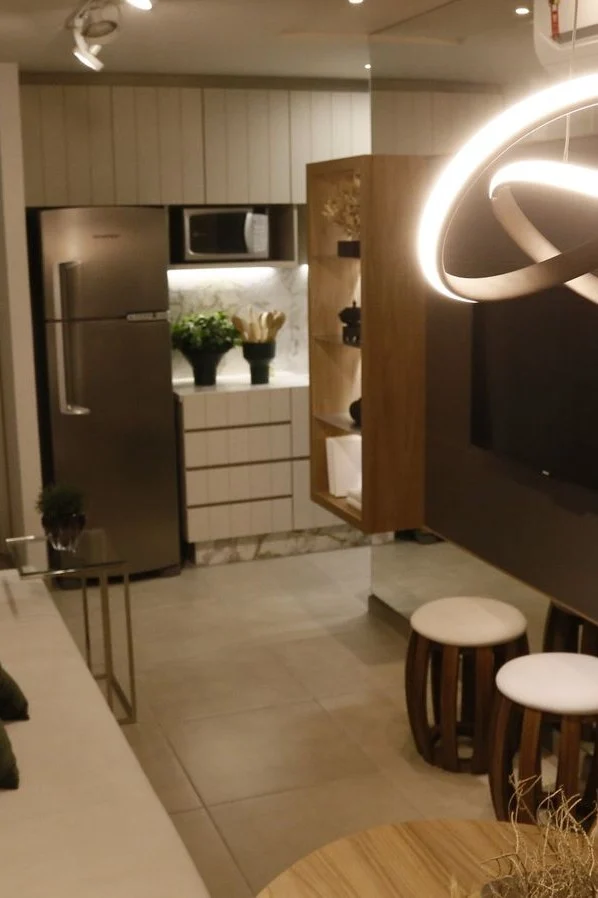
Small living rooms do not get messy because their owners are untidy. They get messy because every object in them has nowhere to go. The remote, the throw, the unfinished book stack: in a big room these things scatter, but in a small room they pile up in plain sight. The fix is not a bigger house or a ruthless clear-out. It is small living room storage that hides things inside furniture you already need, so the room looks calm without feeling stripped bare. These eighteen ideas all do that job, and most of them cost less than a new sofa.
1. A Storage Ottoman That Swallows the Mess
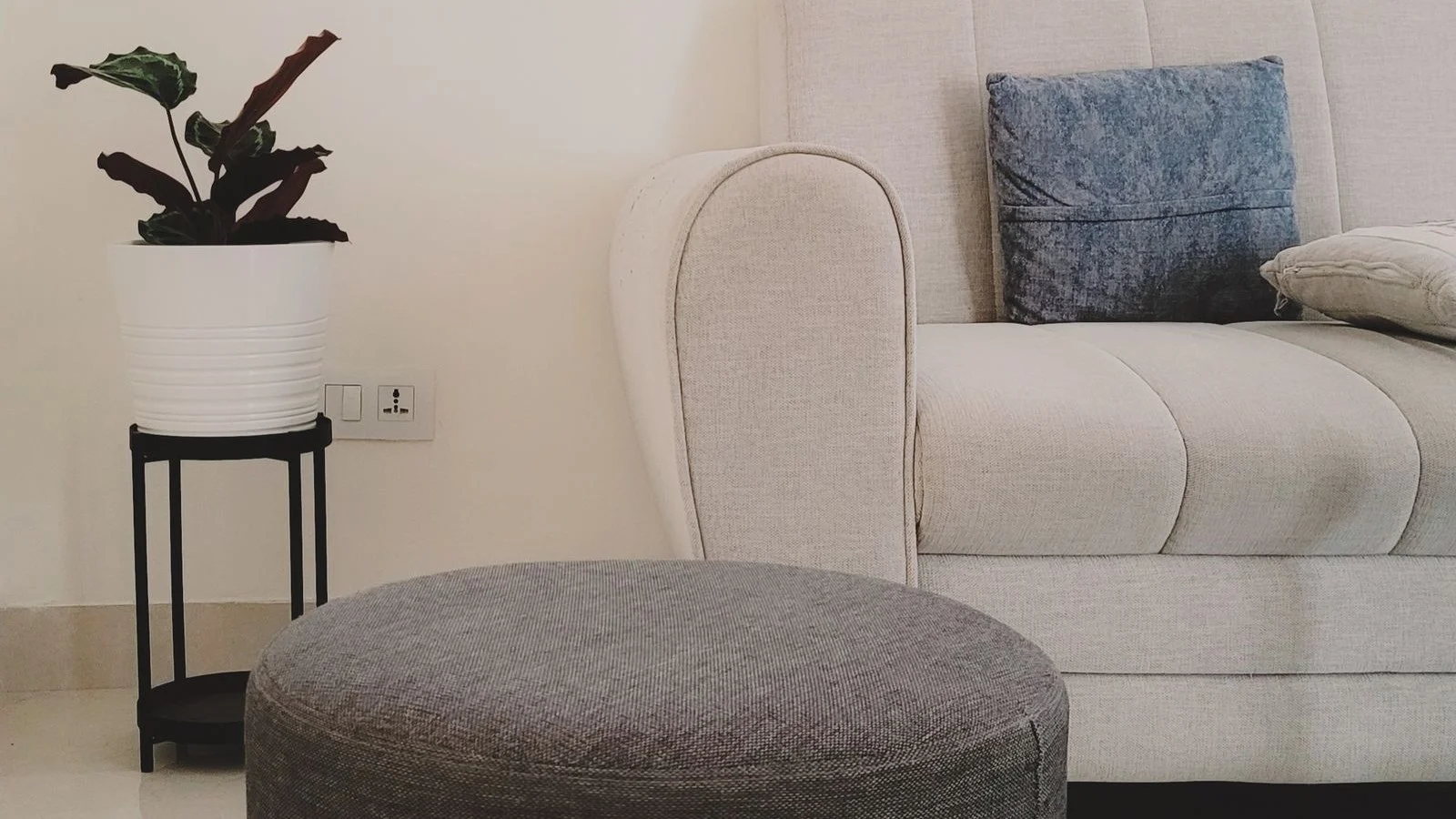
Photo: @vandana-vankhede-322740014 via Pexels
A storage ottoman is the single best purchase for a small living room, because it does three jobs at once: footrest, extra seat, and hidden cupboard. Lift the lid and you have room for throws, board games, charging cables, and the magazines nobody reads but everybody keeps. I keep our spare blankets in ours.
Choose one on short legs or with a flat base that sits close to the floor, so it does not visually chop up the room.
2. A Lift-Top Coffee Table for Everyday Gear
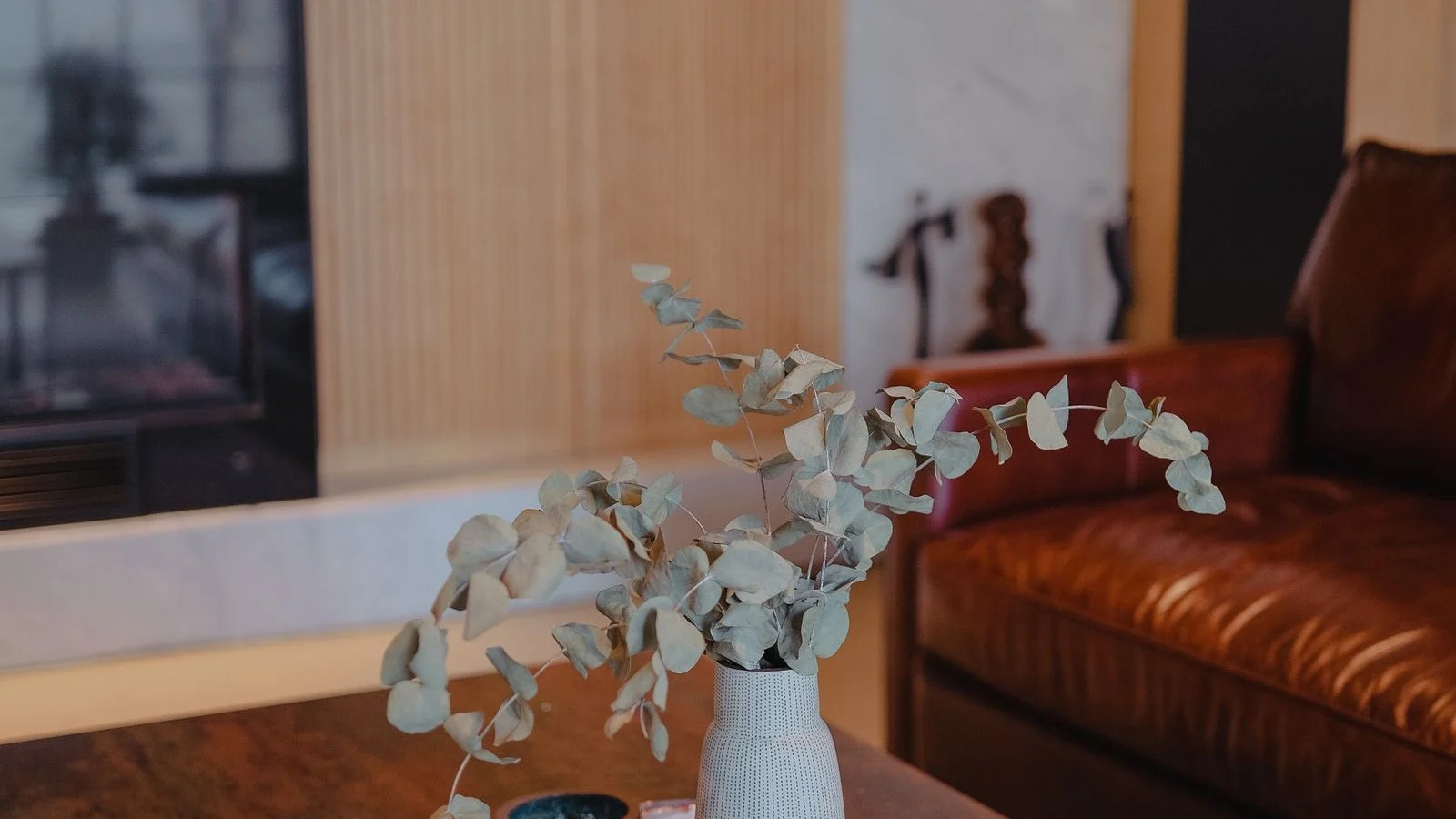
Photo: @tugce-acikyurek-3099881 via Pexels
A lift-top coffee table looks like an ordinary table until you lift the top toward you, and suddenly you have a raised surface for eating, working, or sorting post, plus a deep compartment underneath. Laptops, notebooks, and the remote controls that always go missing live inside it, out of sight but within arm’s reach. This is the idea I recommend first to anyone who works from the sofa, because it ends the nightly hunt for a flat surface.
Check the lift mechanism in person if you can. Cheap ones wobble or slam, and a table you use every day needs hinges that feel solid.
3. A Sofa With Storage Under the Seat
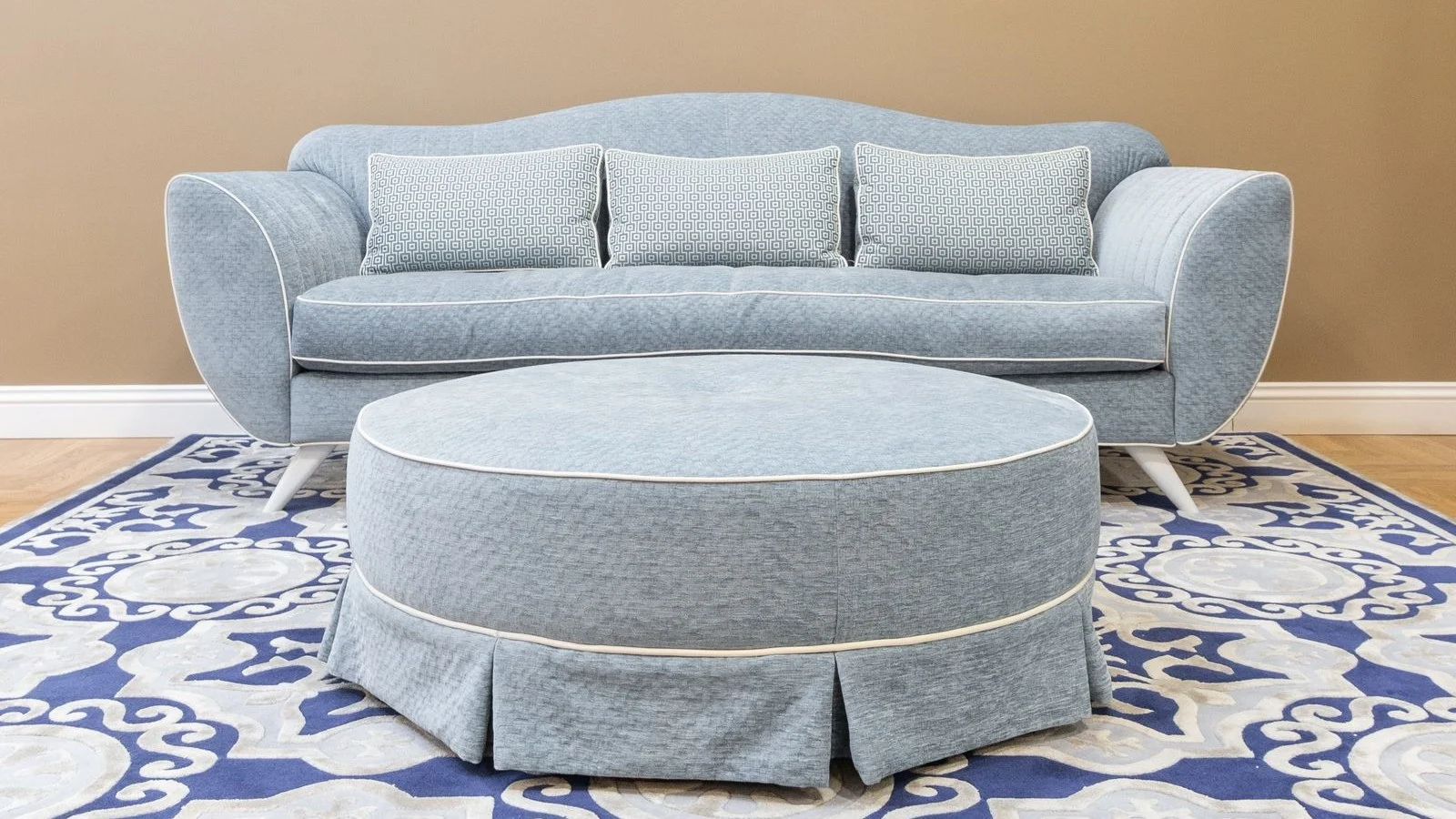
Photo: @artbovich via Pexels
Some sofas hide drawers under the seat or a lift-up chaise section, and in a small room that dead space is too valuable to waste. Under-seat storage is perfect for things you need weekly rather than daily: spare bedding for guests, seasonal cushions, or the board games that only come out on weekends. Because the storage is built into the biggest piece of furniture in the room, it adds capacity without adding a single extra object to look at.
If you are buying new, sit on the sofa and open the storage before you commit. A drawer that sticks or a chaise lid that needs two hands will annoy you every time you use it.
4. Floating Shelves That Add Small Living Room Storage Up High
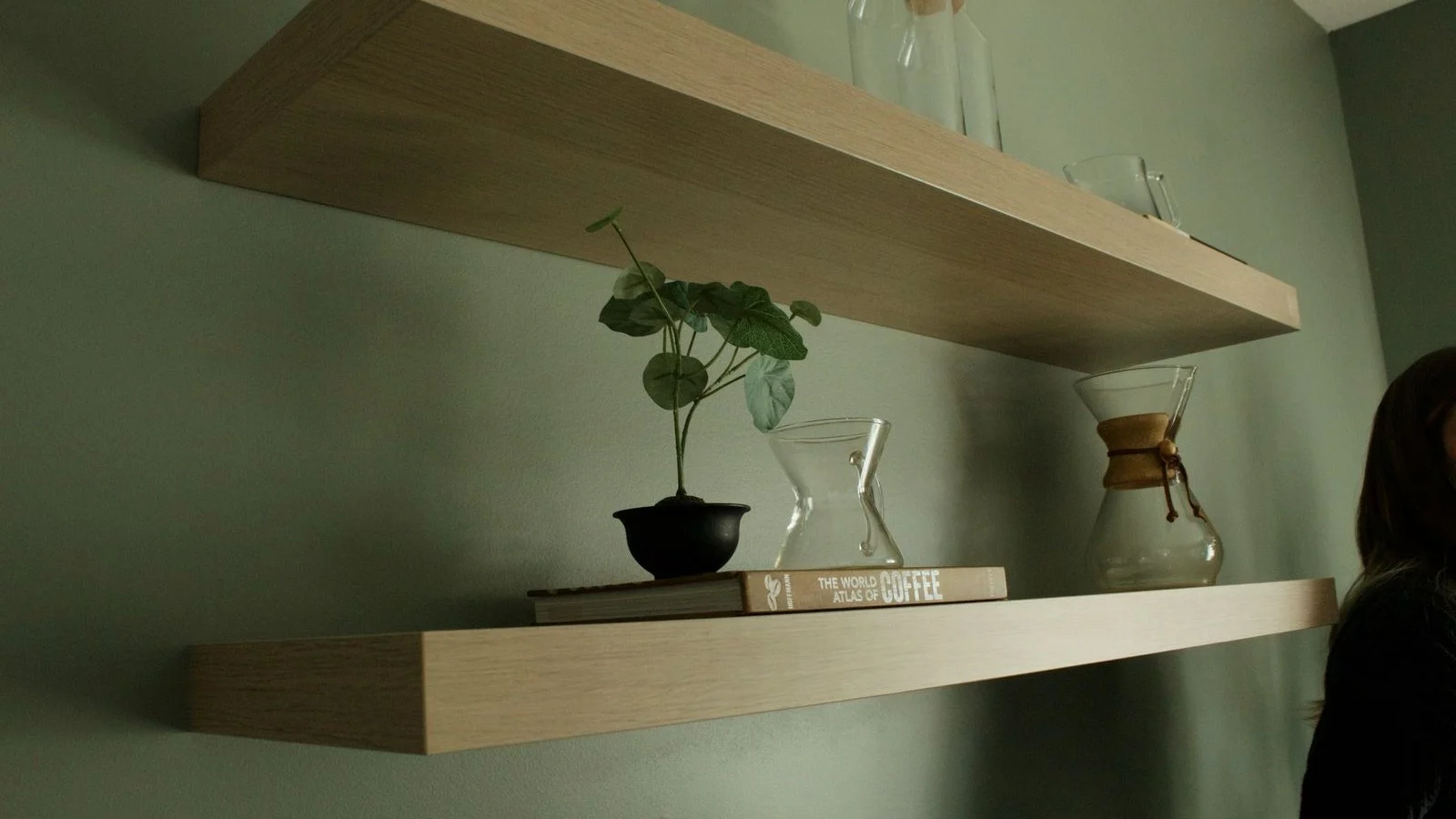
Photo: @avery-arwood-713708816 via Pexels
Walls are free real estate in a small room, and floating shelves use the band of wall above eye level that usually sits empty. Run two or three shelves above the sofa or along a short wall, and you have a home for books, small baskets, and plants without losing a centimetre of floor. The trick is to keep the shelves shallow, around 20 centimetres deep, so they hold plenty but never loom over anyone sitting below.
Mix closed baskets in with open books on the shelves, and the clutter disappears while the display still looks good.
5. A Closed Media Console Under the TV
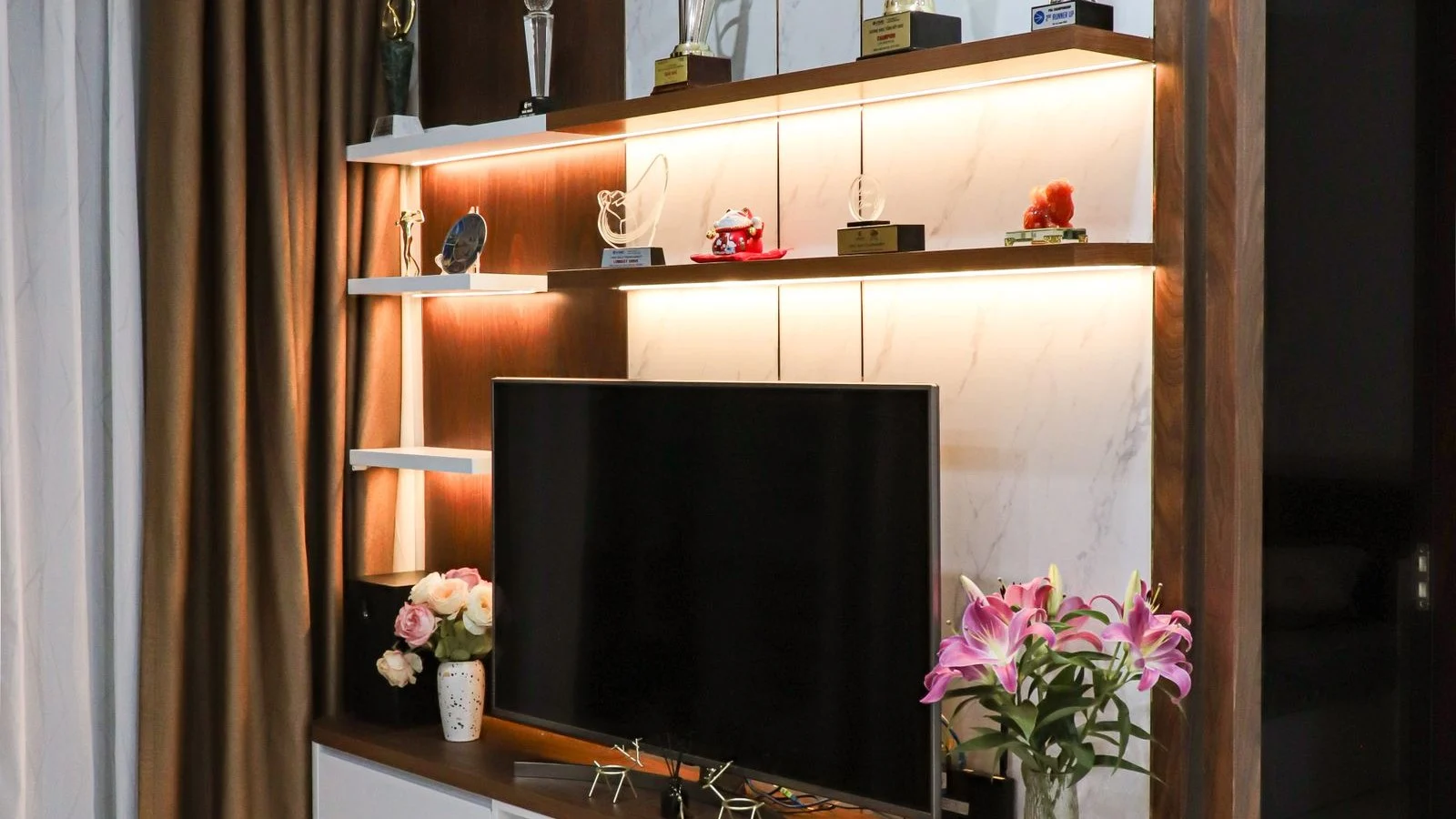
Photo: @doan-thanh-binh-2147604563 via Pexels
Open TV stands are clutter magnets. Consoles, controllers, DVDs, and a tangle of cables sit on display, and the whole wall looks busy even when it is technically tidy. A closed media console with solid doors changes that in one move: everything goes behind the doors, and the wall goes quiet. Cut a small cable hole in the back panel so wires stay inside too.
Pick a console slightly wider than your TV, so the screen does not overhang the edges. For more ideas on refreshing the room around the TV wall, see our spring decor ideas to freshen every room.
6. A Basket System Under a Console Table
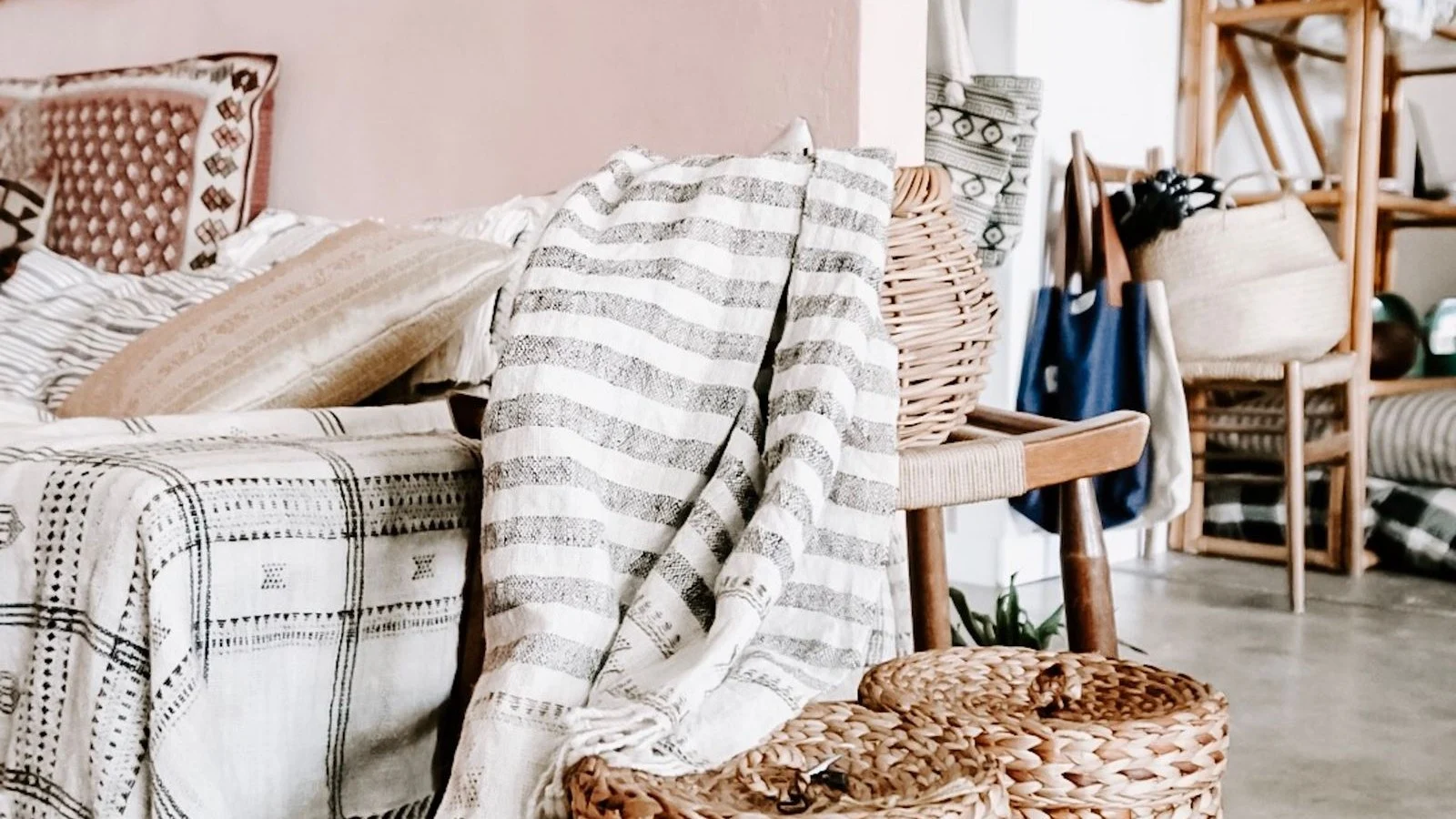
Photo: @julia-kuzenkov-442028 via Pexels
Baskets are the friendliest form of hidden storage, because they look like decor even when they are doing serious work. Slide two or three matching baskets under a console table or an open shelf unit, and each one takes a category: one for toys, one for throws, one for the odds and ends that never had a home. When guests arrive, you can tidy the whole room in about ninety seconds by dropping loose items into the nearest basket.
Matching baskets matter more than expensive ones. Three identical seagrass or cotton baskets look intentional; three random ones look like a charity shop shelf.
7. A Slim Console Behind the Sofa
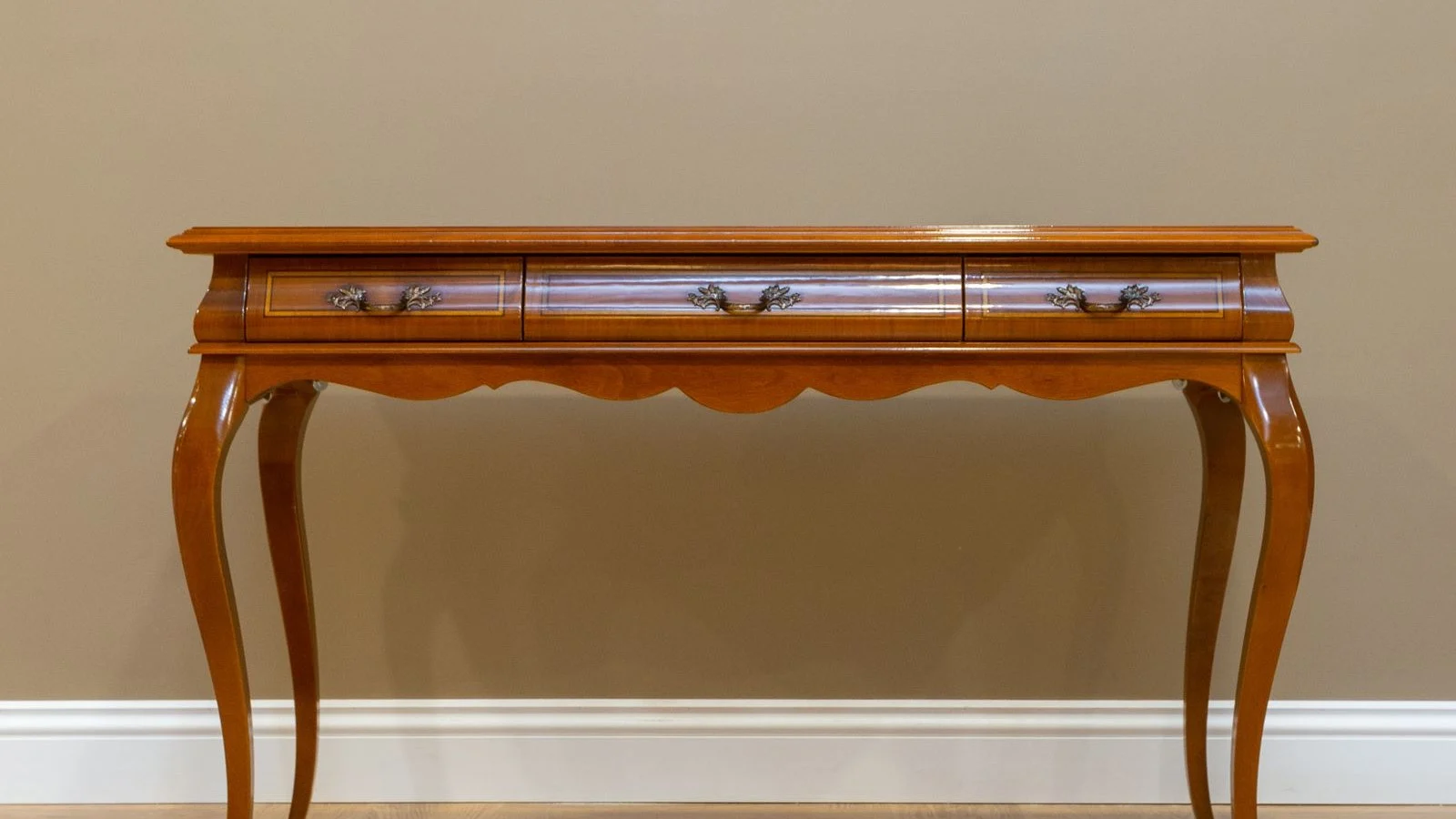
Photo: @artbovich via Pexels
The gap behind a sofa is usually wasted, especially when the sofa floats in the middle of the room. A slim console table, no deeper than 25 centimetres, slides into that gap and gives you a shelf for books, a drawer for remotes, and a surface for a lamp, all without taking usable floor space. It also stops things from falling down the back of the sofa, which is where my phone used to disappear at least once a week.
Keep the console lower than the sofa back, or it will poke up awkwardly behind the cushions.
8. A Window Seat With Storage Inside
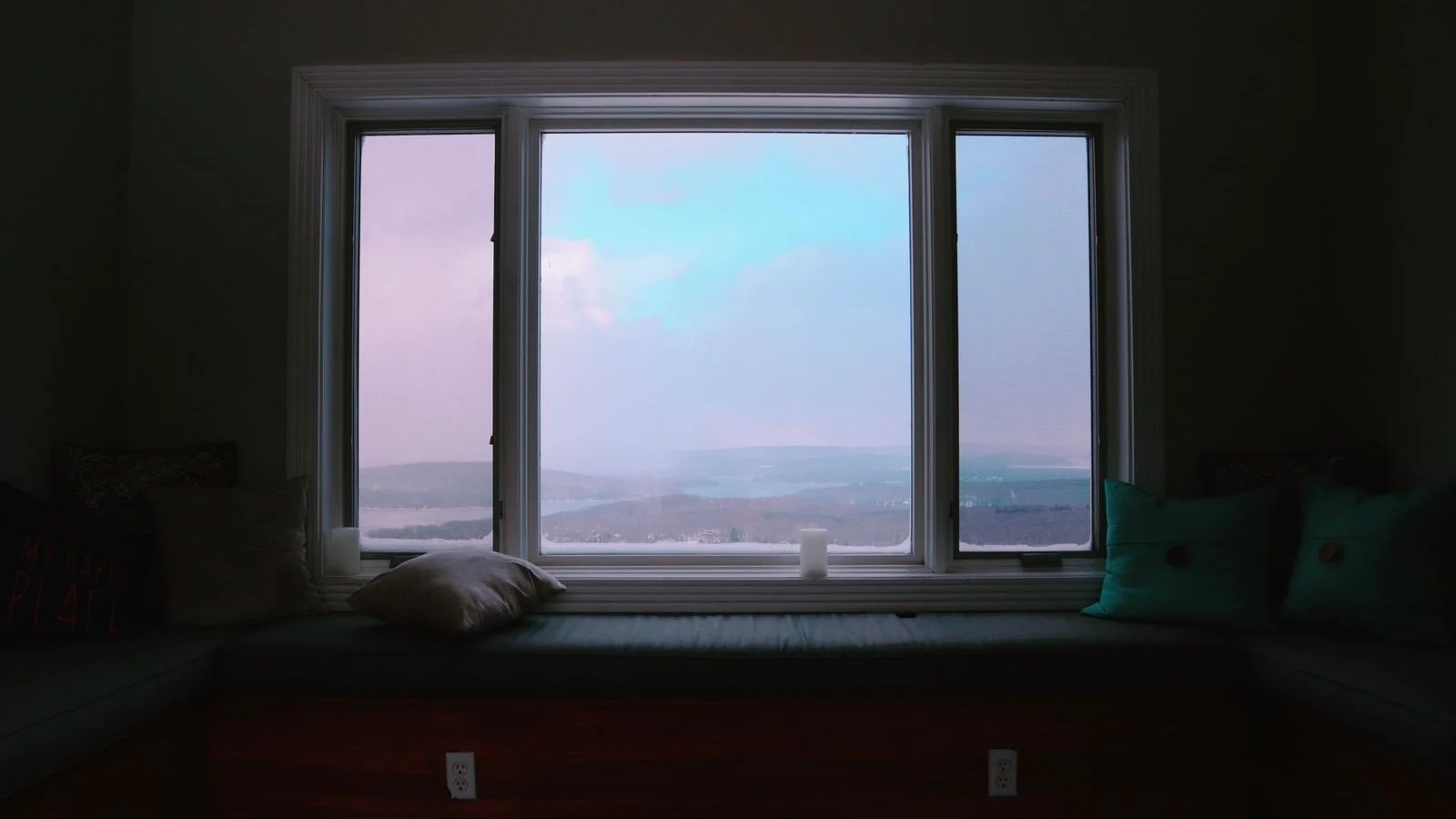
Photo: @carlydernetz via Pexels
A window seat is already the cosiest spot in a small living room, and adding storage underneath makes it the hardest-working one too. A bench with a lift-up lid or drawers underneath holds spare cushions, children’s books, and the winter throws that only come out for three months a year. You get a reading nook and a cupboard in the same footprint, which is exactly the kind of double duty a small room needs.
If you are building one, make the cushion in two or three sections rather than one long piece, so you can lift one section without disturbing someone sitting on the other.
9. A Side Table With a Drawer and a Lower Shelf
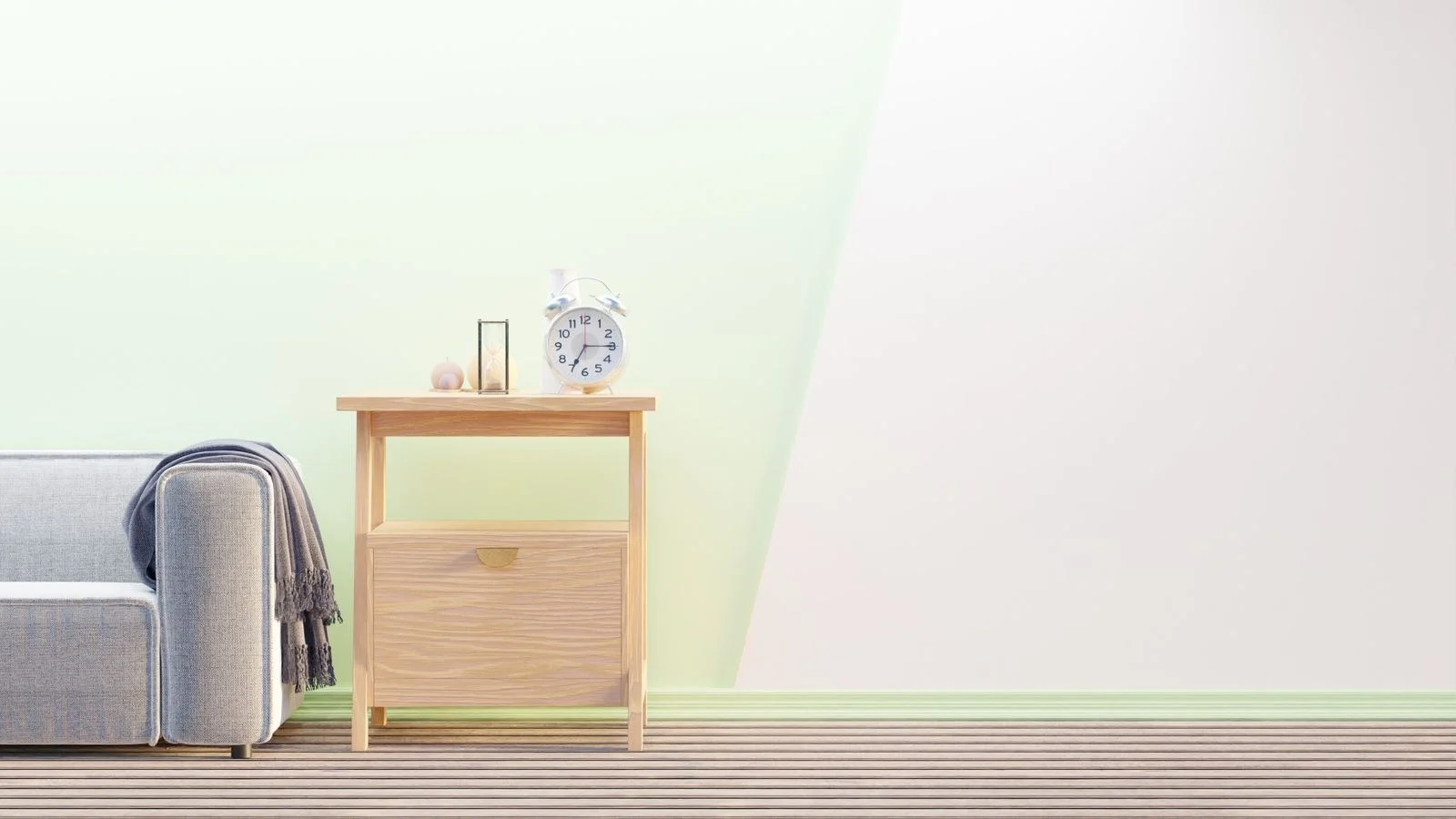
Photo: @dada-_design-240566386 via Pexels
A plain side table gives you a surface and nothing else. A side table with a drawer and a lower shelf gives you three storage spots in the same footprint: the drawer for remotes and chargers, the shelf for a basket of magazines, and the top for a lamp and a cup of tea. It is a small upgrade that makes a real difference, because the things that clutter a sofa arm all have somewhere to go.
Measure before you buy. The table should sit within a few centimetres of your sofa arm height, or reaching for your tea becomes a stretch.
10. A Trunk as a Coffee Table
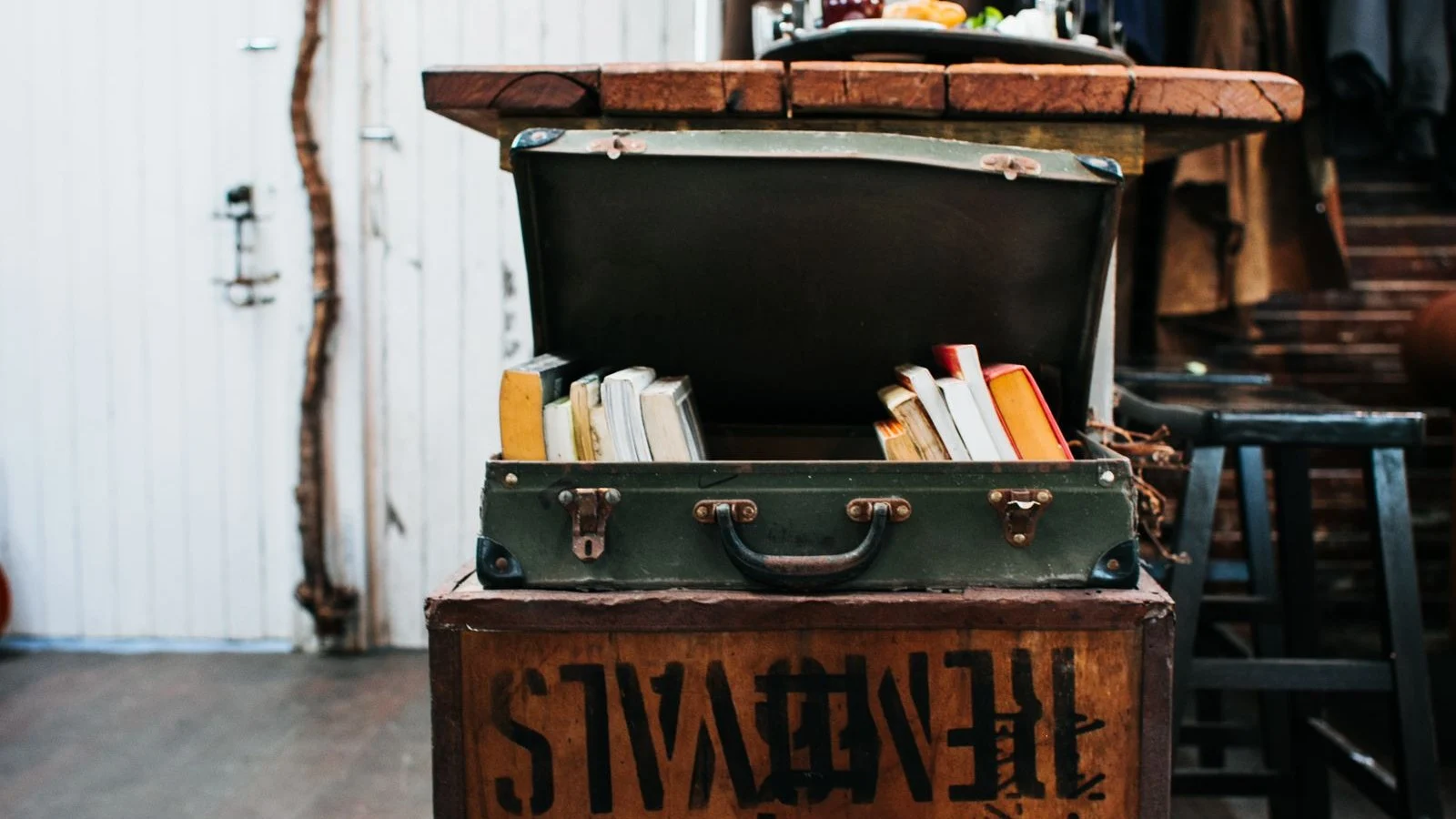
Photo: @rachel-claire via Pexels
An old trunk or a vintage-style chest makes a wonderful coffee table, and it hides an enormous amount of clutter. Board games, photo albums, spare throws, and the kids’ art supplies all fit inside, and the lid closes on the whole lot in seconds. Unlike a glass coffee table, which shows every fingerprint and every object underneath, a trunk keeps the room looking calm even when it is full.
Check the lid stays open on its own, or it will be a nuisance every time you reach inside. A flat top matters too, since you will put cups on it, so avoid trunks with a heavily domed lid unless you add a tray.
11. A Bookcase With Closed Cabinets at the Bottom
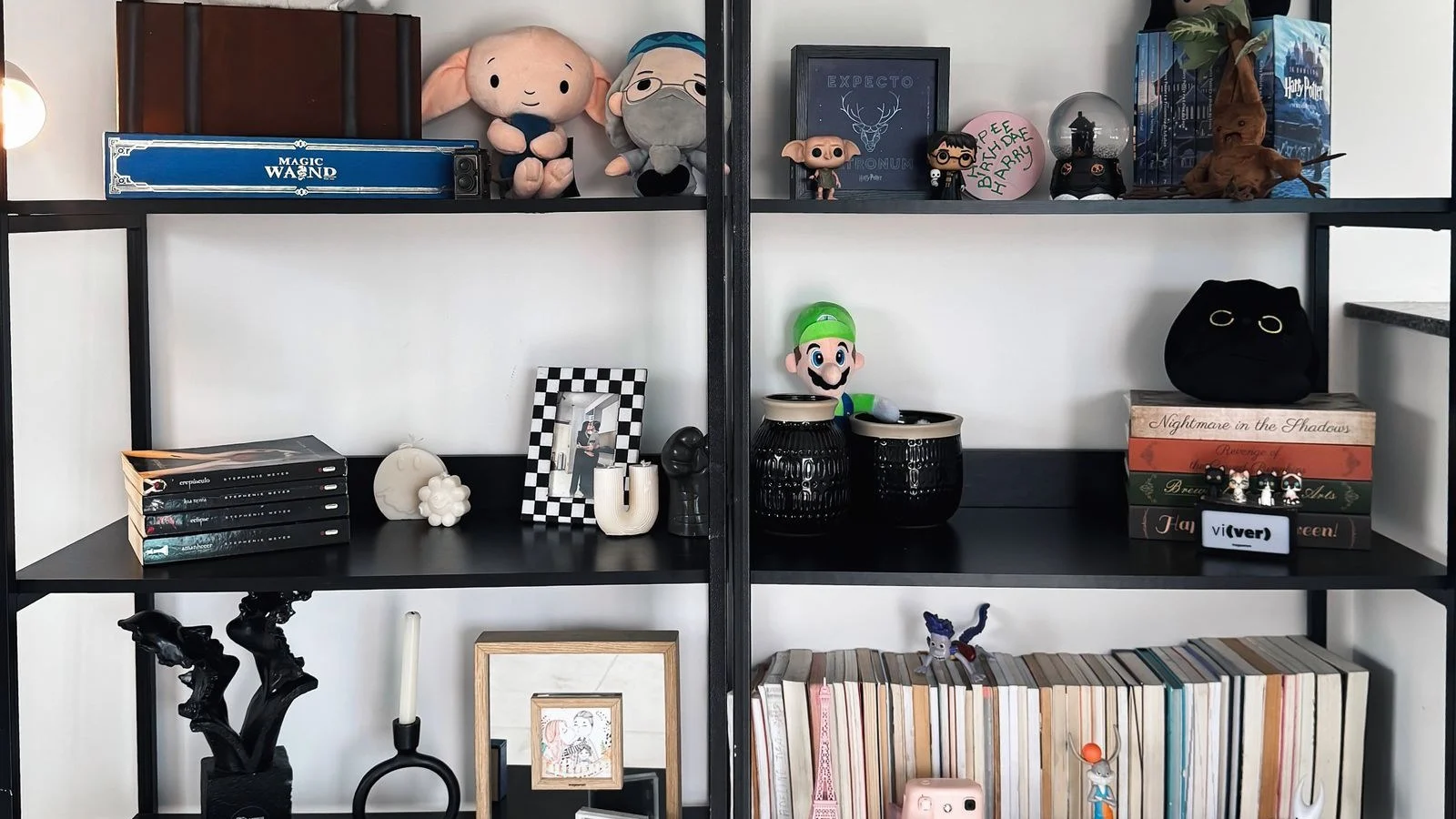
Photo: @fernanda-neitzel-2155821056 via Pexels
Open bookcases look great until the bottom shelves fill up with chargers, board games, and things that are not books at all. A bookcase with closed cabinets or drawers at the bottom solves this neatly: books and pretty objects go on the open shelves at eye level, and everything ugly or bulky goes behind the doors below. The eye reads the top half as a display and never notices the storage underneath.
If your current bookcase is all open, add fabric boxes or baskets to the bottom two shelves for the same effect at a fraction of the cost. For a softer palette to go with the new arrangement, see our pastel spring decor ideas that feel modern.
12. Corner Shelving for Dead Corners
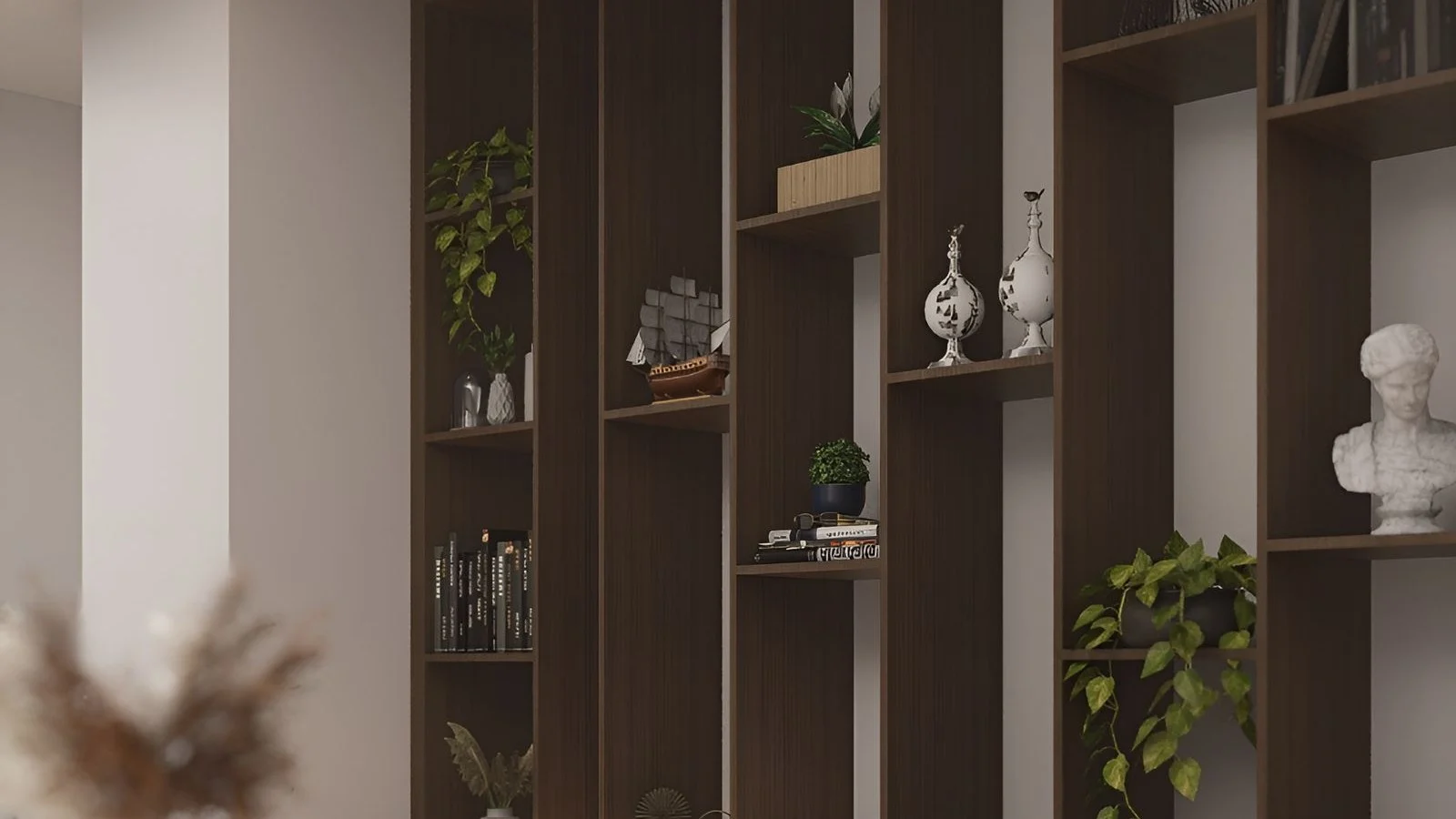
Photo: @the-ghazi-2152398165 via Pexels
Every small living room has a corner that nothing fits into, usually beside the sofa or next to a door frame. A corner shelf unit turns that dead space into storage for books, plants, and small baskets, without blocking a walkway or crowding the main seating area. Because corner shelves follow the walls, they feel built-in even when they are freestanding, and they draw the eye upward, which makes the room feel taller.
A corner unit that wobbles is worse than no unit at all, so fix it to the wall if it is tall or if you have children climbing nearby.
13. A High Shelf Above the Door
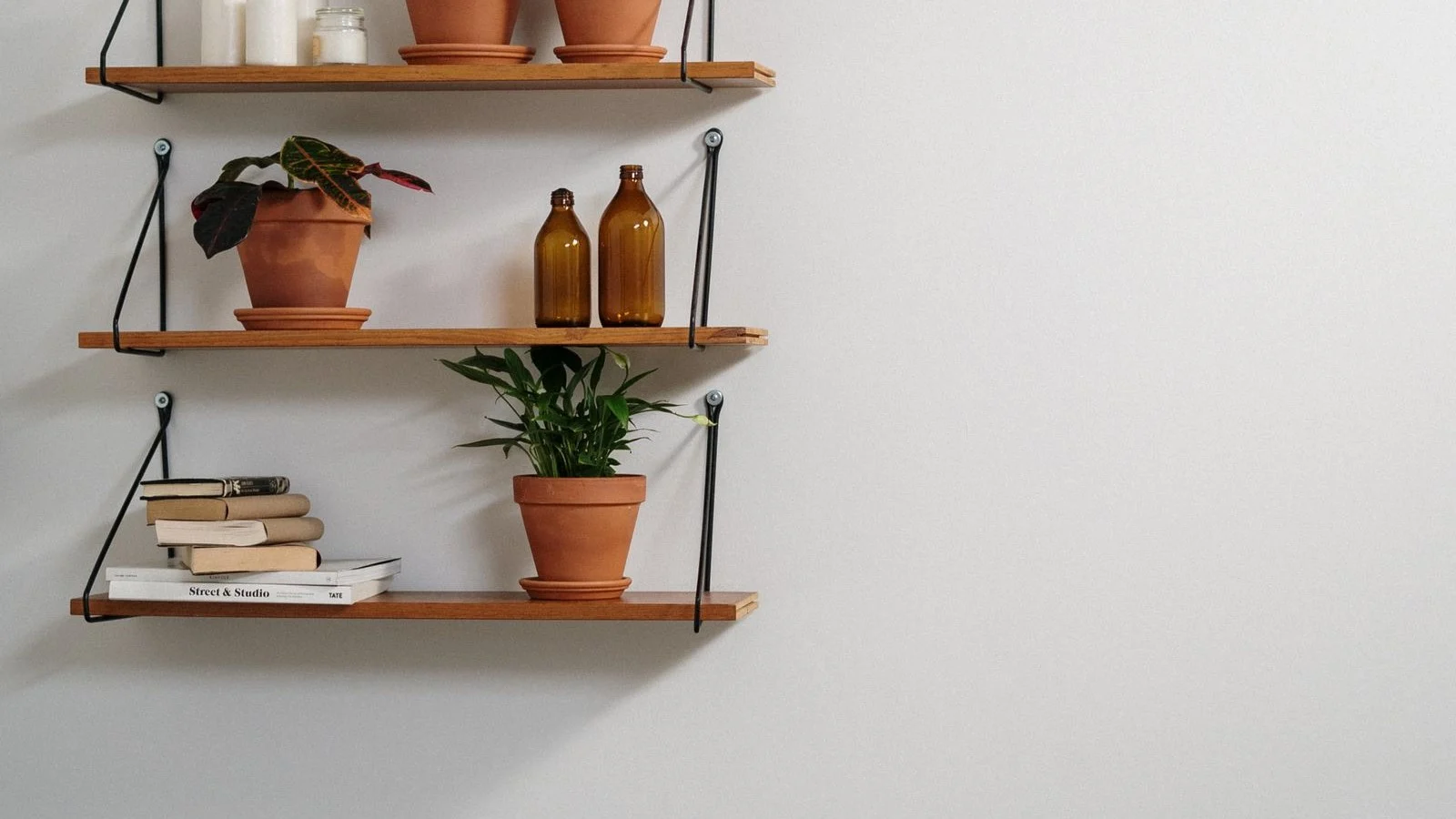
Photo: @cottonbro via Pexels
The wall above a door is almost always empty, and it is perfect for a single high shelf holding things you rarely need: photo albums, spare vases, or the board games that come out twice a year. Because the shelf sits above head height, it never crowds the room, and it gives the wall a finished look instead of a blank stretch of paint. This is genuinely free storage, since nobody uses that space for anything else.
Keep the shelf shallow and the items light, and use a small basket or a bookend so nothing slides off.
14. A Rolling Cart That Tucks Beside the Sofa
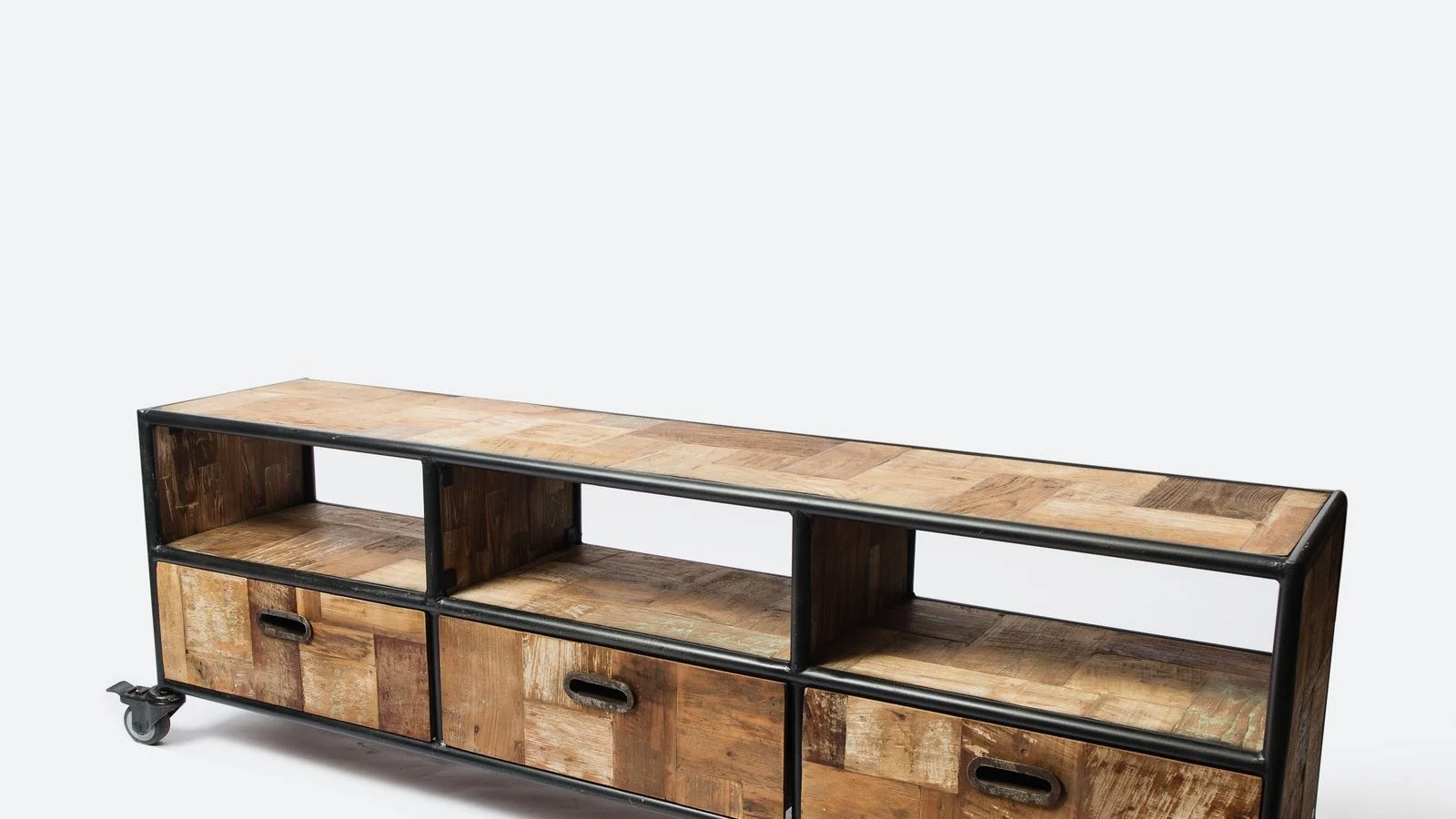
Photo: @kseniachernaya via Pexels
A slim rolling cart, the kind with two or three tiers, slides into the gap between the sofa and the wall and holds everything that usually ends up on the floor: notebooks, chargers, hand cream, and the book you are halfway through. When you need it, you pull it out; when you do not, it disappears into a gap that was doing nothing. The wheels matter, because a cart you have to drag will stay wherever it is, and a cart that rolls will actually get used.
Choose one narrower than the gap it will live in, with a lip on each tier so things do not slide off when it moves.
15. A Hollow Pouf for Throws and Toys
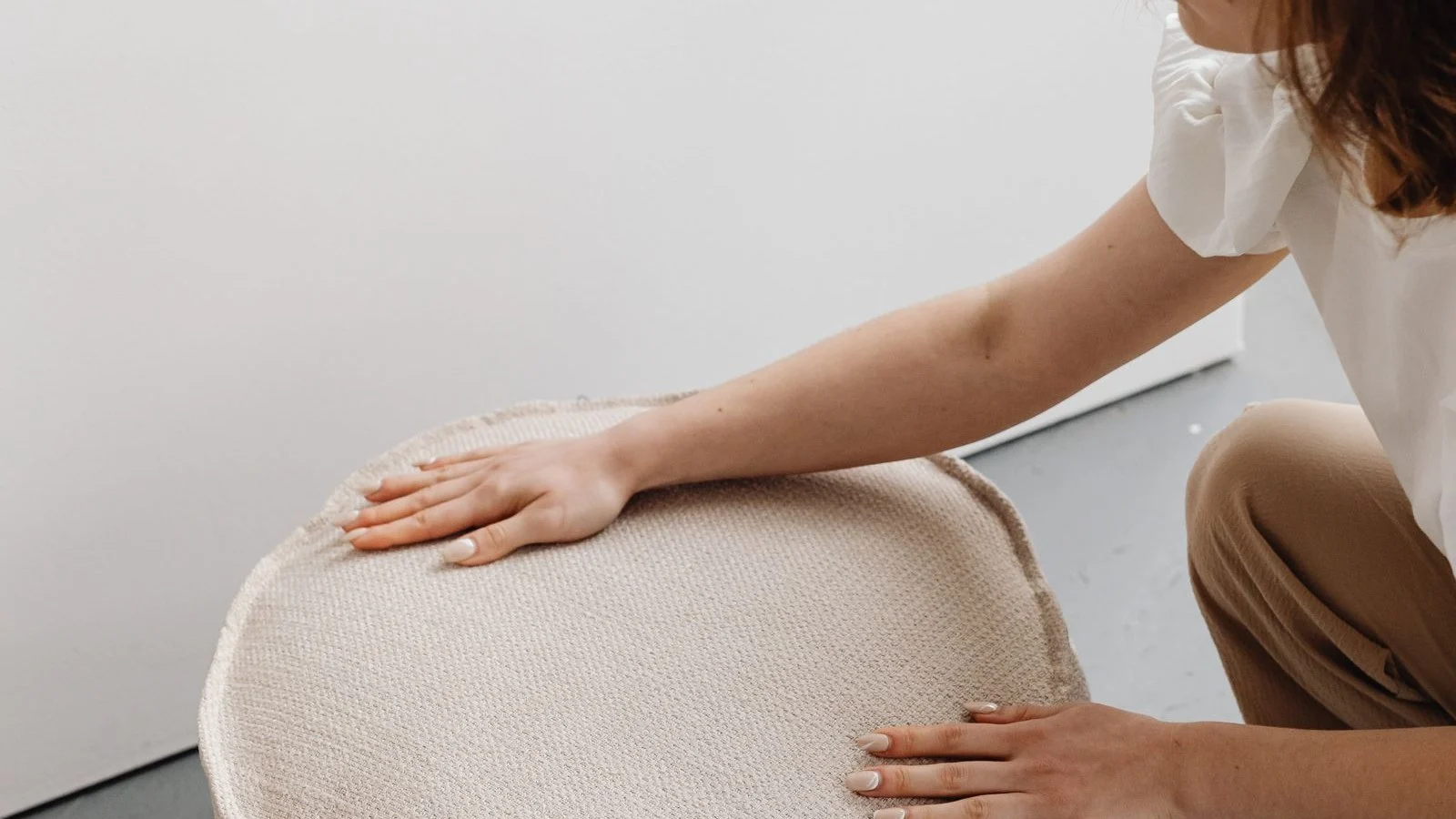
Photo: @karola-g via Pexels
A pouf looks like pure decoration, which is why it is such a good hiding place. Many poufs have a removable cover and a hollow middle, or a zip that lets you stuff the inside with spare throws, soft toys, or out-of-season cushions. Guests see a stylish footrest, and you know it is also the reason the sofa is not buried under blankets.
Check the weight limit before you buy, since a pouf that doubles as a seat needs to hold an adult comfortably. A firm, structured pouf works better as a footrest than a floppy beanbag, and it keeps its shape even when it is stuffed full.
16. A Wall-Mounted Credenza That Floats
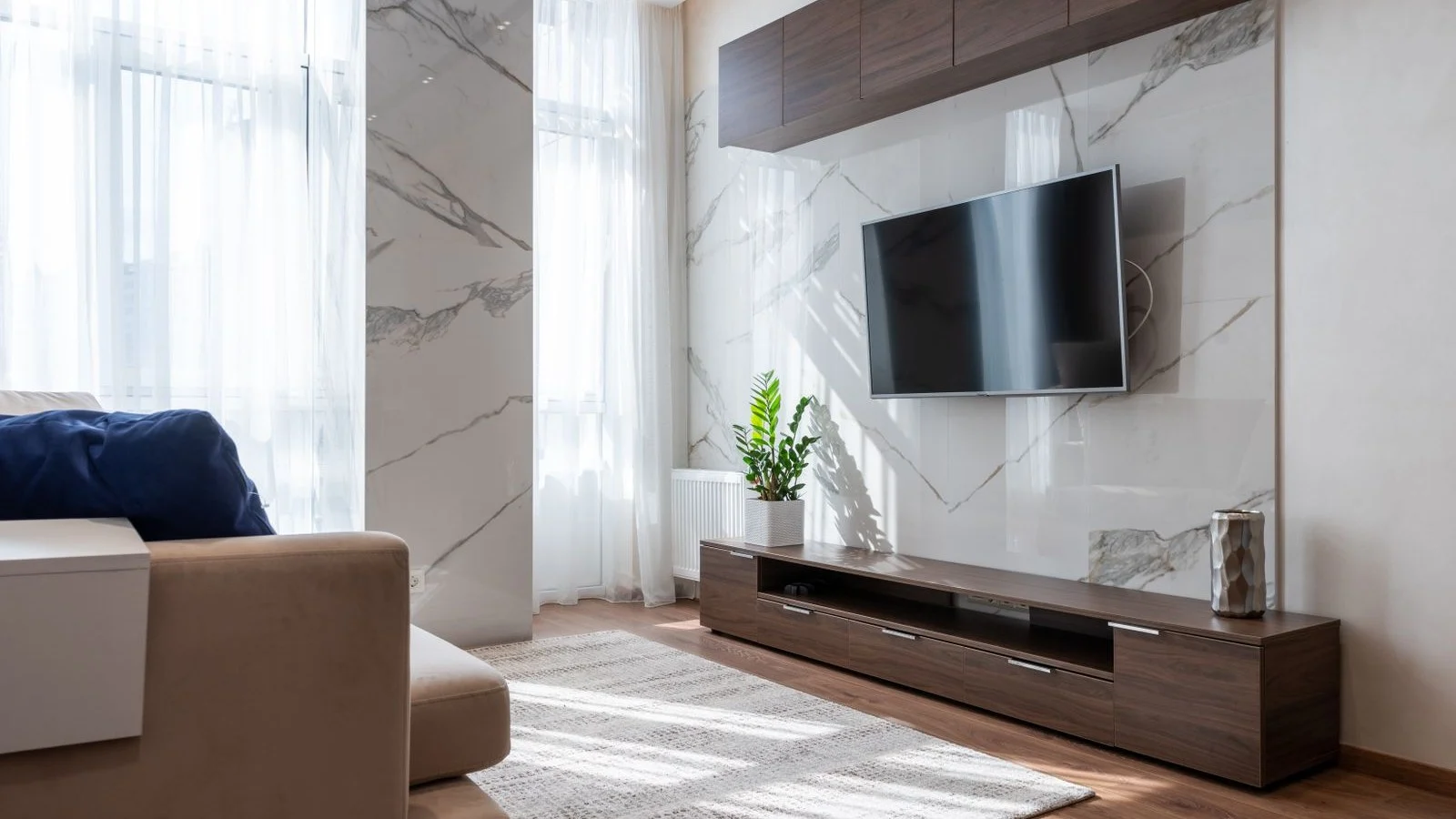
Photo: @artbovich via Pexels
A wall-mounted credenza gives you closed storage without the visual weight of a floor-standing cabinet, because you can see floor underneath it. That strip of visible floor tricks the eye into thinking the room is bigger, while the cabinet itself holds exactly what a normal sideboard holds: games, chargers, candles, and the remote controls. Mount it at a height where the top works as a display shelf for a lamp or a vase, and it earns its wall space twice.
This one needs solid wall fixings, so check whether your wall is brick or plasterboard before you buy the brackets.
17. A Sofa-Arm Caddy for Remotes and Phones
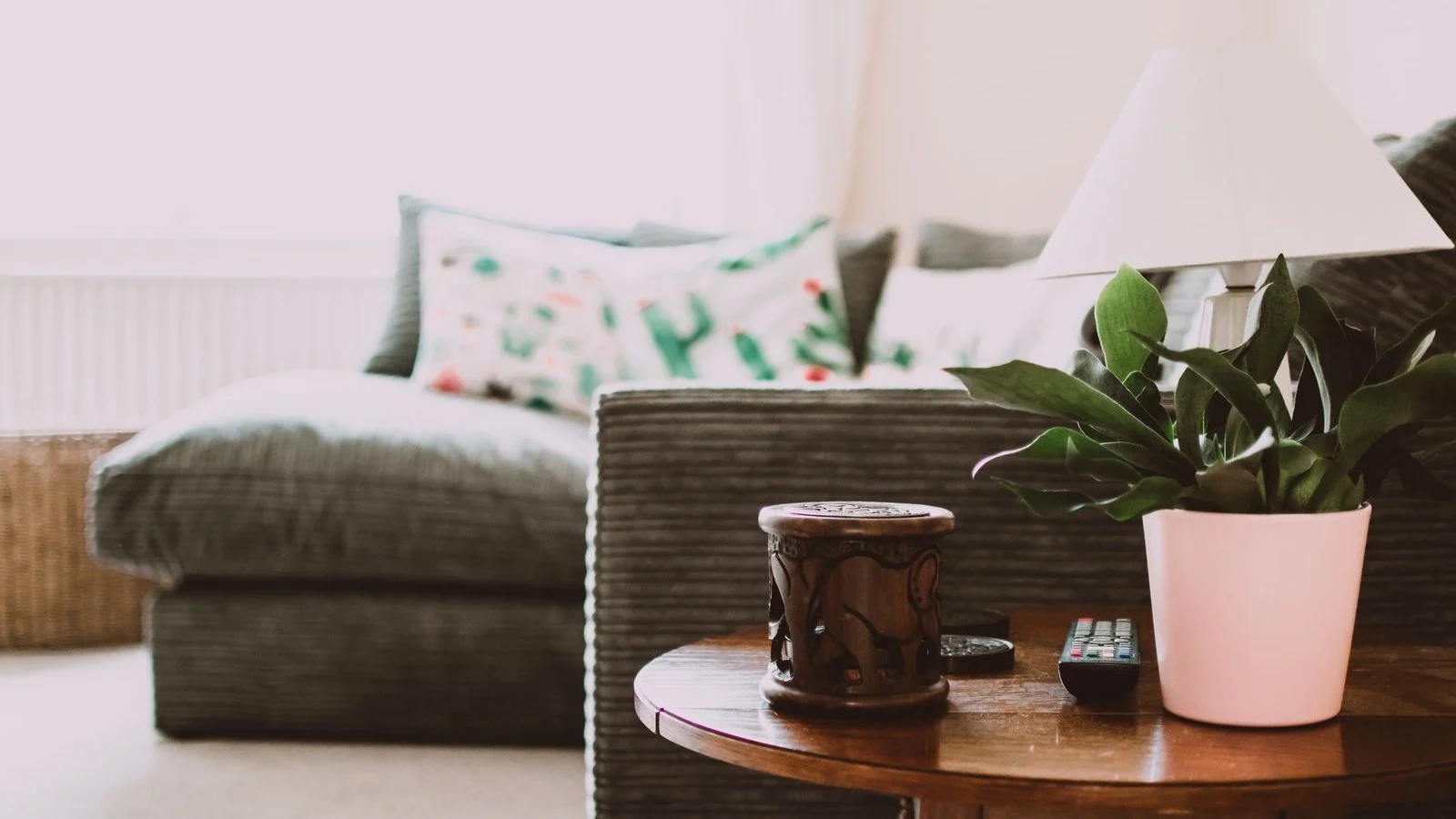
Photo: @fotios-photos via Pexels
Some clutter is small but constant: the remote, your phone, a pen, the glasses you take off to watch television. A sofa-arm caddy, a small organiser that drapes over the armrest with pockets on the outside, gives all of it a home that is hidden from across the room but right beside your hand. It ends the daily sofa-cushion excavation for the remote, which in our house used to happen at least twice an evening.
Pick a caddy in a fabric close to your sofa colour so it blends in, and avoid the stiff plastic versions that slide off the arm.
18. Flat Rolling Bins Under the Sofa
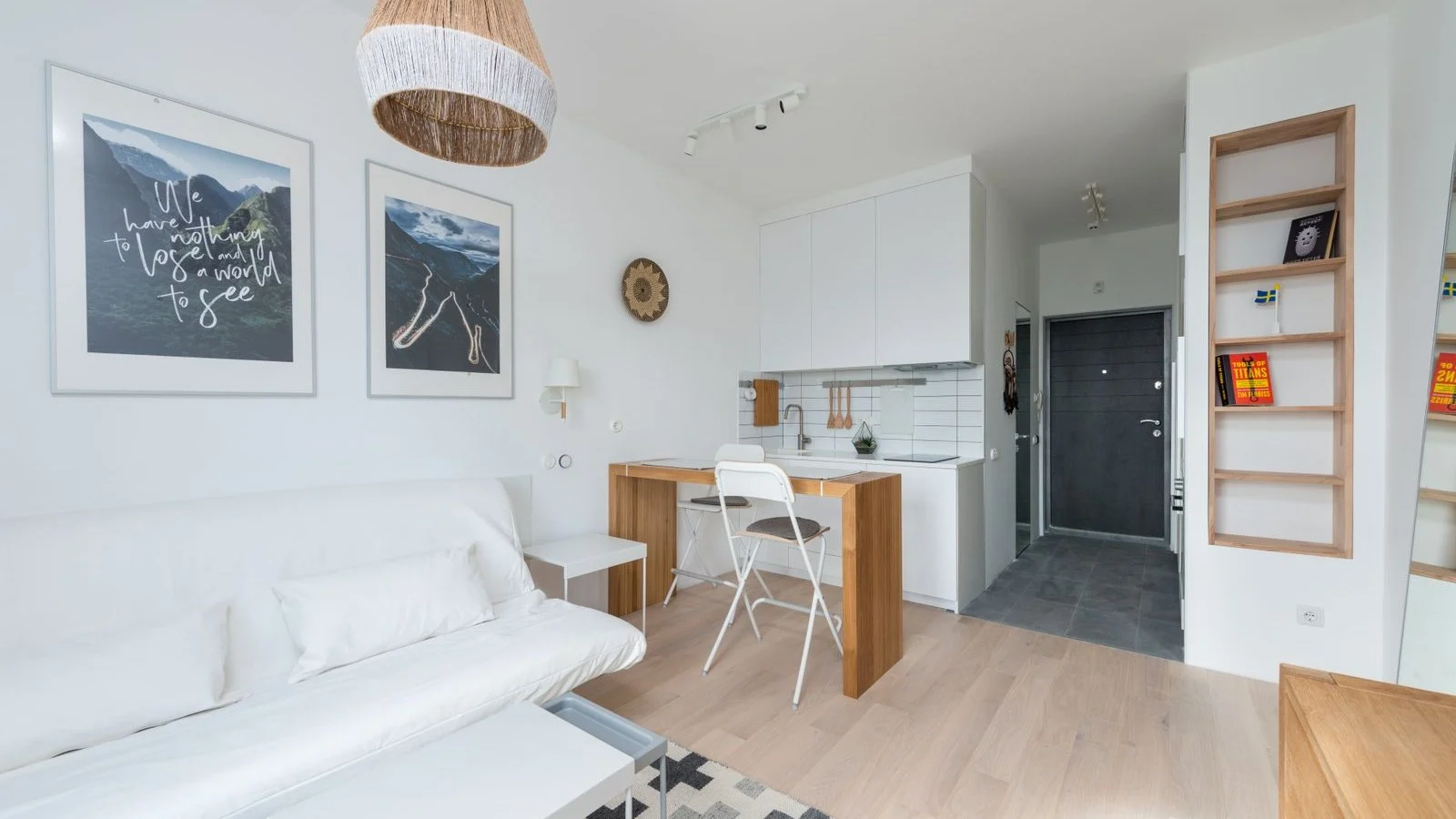
Photo: @artbovich via Pexels
The space under a sofa on legs is a shallow, dusty strip that most people ignore, but flat rolling bins turn it into real storage. A bin no taller than 15 centimetres slides under most sofas and holds wrapping paper, spare cables, magazines, or the children’s colouring books that migrate to the living room every afternoon. Because the bins roll, you can pull one out, take what you need, and push it back without moving the sofa.
Measure the clearance under your sofa first, including any centre leg that might block a long bin. Clear bins help you find things without pulling every bin out, but if you prefer the room to look tidy from floor level, choose opaque bins in one colour.
Frequently Asked Questions
What is the best hidden storage for a very small living room?
A storage ottoman is usually the best first buy, because it adds a seat, a footrest, and a cupboard in one piece. After that, floating shelves and a closed media console give you the most extra storage without taking any floor space.
How do I hide clutter without making the room feel bare?
Hide the ugly and bulky things behind doors, inside ottomans, and in baskets, but leave the pretty things out: books, plants, and one or two objects you love. A room with nothing on display feels like a showroom, while a room with a few chosen things on display feels lived in.
Are baskets really enough to hide living room clutter?
Yes, for everyday clutter like throws, toys, and magazines, matching baskets work very well. They work best as part of a system, with one basket per category, rather than one giant basket that becomes a junk drawer.
How often should I clear out hidden storage?
Check hidden storage twice a year, when the seasons change, and move on anything you forgot you owned.
Start with the piece that solves your biggest daily annoyance, whether that is the remote hunt or the cable tangle behind the TV. A small living room does not need less stuff in it, just better places to put it.

One Response