



Most closets are full of clothes that never actually get worn, and the fix isn’t more shopping — it’s a fundamentally different way of deciding what earns a spot in the wardrobe. Here’s how that actually works
A closet full of clothes and a wardrobe of clothes that actually get worn are frequently two different things, and the gap between them isn’t usually a shopping problem — it’s a decision-making problem, where clothes are acquired based on how appealing they seem in isolation (on a hanger, in a photo, in a fitting room under flattering lighting) rather than based on whether they’ll actually integrate into how a person really dresses day to day. Closing this gap requires a different evaluation framework at the point of acquisition, not simply more or better shopping within the same flawed decision process.
The Aspirational Purchase Is the Most Common Source of an Unworn Wardrobe
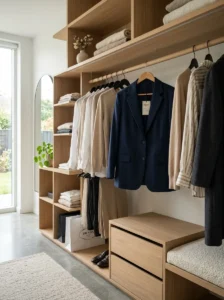
An aspirational purchase — clothing bought for the lifestyle or version of oneself a person wishes they had, rather than the actual daily life they currently live — is one of the most consistent sources of clothing that ends up unworn, since the garment was never actually evaluated against real, current daily needs in the first place. A formal blazer bought for a more corporate job someone doesn’t currently have, workout clothes bought in anticipation of a fitness routine that hasn’t actually started, or an elaborate evening piece bought for a social calendar that doesn’t currently include many formal events are all examples of this same underlying pattern.
This isn’t an argument against ever buying for a genuinely anticipated future change — a new job with a confirmed start date, a wedding on the calendar — but it is an argument for being honest about the difference between a concrete, near-term anticipated need and a more vague, hoped-for lifestyle shift that may or may not actually materialize, since clothing bought for the latter has a considerably higher rate of ending up unworn.
Cost-Per-Wear Reframes Value Away From Purchase Price Alone

Cost-per-wear — the purchase price divided by the number of times a garment is actually worn — is a more useful value framework than purchase price alone, since a relatively expensive item worn weekly for years has a considerably lower actual cost-per-wear than a cheap item bought impulsively and worn once or twice before being abandoned in the closet.
This reframing is particularly useful for evaluating a potential purchase honestly before buying: estimating realistically how often a specific garment will actually be worn, given genuine daily life rather than aspirational best-case scenarios, and weighing that honest estimate against the price, produces a more accurate value judgment than evaluating price in isolation or assuming a lower price automatically represents better value.
A Genuine Closet Audit Reveals the Actual Pattern, Not Just Clutter

Before adding anything new to a wardrobe, reviewing what’s already owned — specifically identifying which pieces are worn regularly, which are worn occasionally, and which haven’t been worn in the past year at all — reveals a household’s actual, lived wardrobe pattern, which is considerably more useful information than any general wardrobe-building advice provides in isolation, since it’s based on genuine personal behavior rather than a generic framework.
This audit often reveals specific, identifiable patterns worth paying attention to: certain colors that repeatedly go unworn despite being individually appealing at the time of purchase, certain silhouettes or fits that consistently don’t get chosen even when technically appropriate for an occasion, or a mismatch between what’s owned and what a person’s actual daily activities and dress code require — these patterns are more useful for future purchasing decisions than any external styling advice not calibrated to that specific person’s actual behavior.
Versatility and Mix-and-Match Capacity Matter More Than Individual Piece Appeal
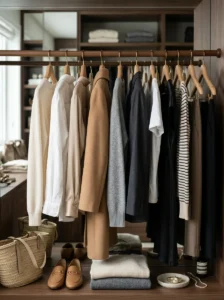
A garment that only works with one or two other specific pieces already owned has a considerably lower realistic wear frequency than a garment that can be styled multiple different ways with pieces already in the wardrobe, which means evaluating a potential purchase specifically for how many existing pieces it could reasonably pair with — rather than evaluating it purely on its own visual appeal — produces a more reliable prediction of actual future wear.
This is part of why a restrained, coordinated color palette across a wardrobe — similar to the accent color and cohesion principles covered elsewhere in this series regarding home design — tends to produce a more genuinely versatile, frequently-worn wardrobe than a collection of individually appealing pieces in colors and styles that don’t relate to each other or to the rest of the existing wardrobe.
Fit Affects Actual Wear Frequency More Than Most People Weight It During Purchase
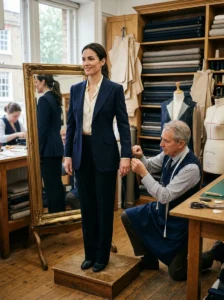
A garment that doesn’t fit well — even if the color, style, and price all seem right in the moment of purchase — has a significantly lower likelihood of being worn regularly than a well-fitting garment, since the daily friction of an ill-fitting piece (needing adjustment, feeling uncomfortable, not looking the way it did in the fitting room once actually worn with other items) accumulates and typically results in the garment being passed over in favor of something more comfortable and reliable, regardless of how much the unworn piece originally cost.
Prioritizing fit over other factors during a purchase decision, and being willing to have well-fitting pieces tailored rather than accepting an imperfect fit for a lower-effort purchase, generally produces better cost-per-wear outcomes than prioritizing price or trend appeal while accepting mediocre fit.
Quality Materials Affect How Long a Garment Remains in Regular Rotation
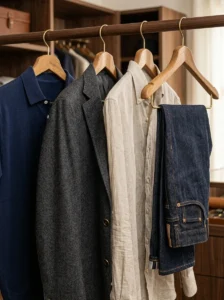
Garment quality — fabric weight and composition, construction, stitching — affects not just how a piece initially looks but how well it holds up to repeated wearing and washing over time, which directly affects cost-per-wear by extending the period during which a garment remains genuinely wearable rather than prematurely showing wear, losing shape, or otherwise falling out of the regular rotation earlier than a higher-quality equivalent would.
This doesn’t mean every garment needs to be a significant investment piece — a reasonable strategy allocates higher quality investment toward pieces expected to see frequent, regular wear (a daily-use coat, well-fitting basics worn weekly) while accepting a lower quality bar for pieces genuinely intended for occasional or trend-driven use, where the shorter expected wear lifespan makes a lower-cost, lower-quality option a reasonable trade-off.
Decision Fatigue Reduction Is an Underrated Benefit of a More Curated Wardrobe

A wardrobe built around genuinely versatile, well-fitting, coordinated pieces reduces daily decision fatigue in a way that mirrors the functional minimalism benefits covered elsewhere in this series regarding home organization with children — fewer, better-coordinated options mean less time and mental energy spent each morning deciding what to wear, since most combinations within a genuinely curated wardrobe work reasonably well together by design, rather than requiring active problem-solving to identify a workable outfit from a larger, less coordinated collection.
This is a genuinely practical, often underrated benefit of the curation process described throughout this piece — beyond the financial value of better cost-per-wear outcomes, a smaller, more coordinated wardrobe genuinely simplifies a recurring daily decision that a larger, less considered wardrobe makes more effortful than it needs to be.
Key Takeaways
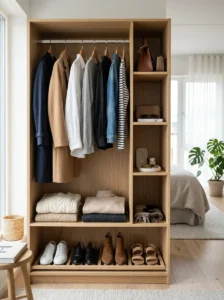
- Aspirational purchases, bought for a hoped-for lifestyle rather than actual current daily life, are one of the most consistent sources of clothing that ends up unworn in a closet
- Cost-per-wear is a more useful value framework than purchase price alone, since realistic estimated wear frequency matters as much to actual value as the initial price
- A genuine audit of what’s already owned and actually worn reveals personal patterns more useful for future purchasing decisions than generic wardrobe advice
- Evaluating a potential purchase for how many existing pieces it can pair with, rather than its appeal in isolation, produces a more reliable prediction of actual future wear frequency
- Fit affects actual wear frequency more than most people account for during purchase, and prioritizing fit over price or trend appeal generally produces better long-term outcomes
- A more curated, coordinated wardrobe reduces daily decision fatigue, a genuine and often underrated benefit beyond the financial value of improved cost-per-wear

Frequently Asked Questions
How do I know if a purchase is aspirational versus a genuine need? Consider whether the purchase relates to a concrete, near-term, already-confirmed change in your life (a new job with a start date, a specific upcoming event) versus a more vague, hoped-for lifestyle shift that hasn’t actually materialized yet (an anticipated fitness routine, a more active social calendar you’re hoping to have). The former is a reasonable basis for a purchase; the latter has a considerably higher likelihood of resulting in clothing that goes unworn.
Is it worth spending more on individual pieces if it means buying fewer of them? Often yes, particularly for pieces expected to see frequent, regular wear — cost-per-wear frequently favors fewer, higher-quality, better-fitting pieces worn often over a larger volume of cheaper pieces with lower individual wear frequency. This doesn’t apply universally to every category, and it’s reasonable to accept a lower quality bar specifically for occasional or trend-driven pieces with a naturally shorter expected wear lifespan.
What’s the most useful first step in building a wardrobe I’ll actually wear? A genuine audit of your current closet — identifying what you actually wear regularly, occasionally, and not at all — provides more useful, personally accurate information for future decisions than any general wardrobe framework applied without that context. This reveals your actual behavior patterns, which are more reliable guides than generic styling advice.
Does fit really matter more than style or trend? For actual wear frequency, generally yes — a garment that doesn’t fit well accumulates enough daily friction and discomfort that it tends to get passed over regardless of how appealing its style or price seemed at the time of purchase. Prioritizing fit, including being willing to have pieces tailored, tends to produce better long-term wear outcomes than prioritizing trend appeal while accepting a mediocre fit.
How does a smaller, more curated wardrobe actually save time? A wardrobe built around genuinely versatile, coordinated pieces reduces the mental effort required to assemble an outfit each day, since most combinations within a well-curated collection work reasonably well together by design. This is a meaningful, if often overlooked, benefit beyond the financial value of better cost-per-wear, similar to how a smaller, more considered set of options reduces decision fatigue in other areas of daily life.