



Looking cheap has less to do with how much you spent and more to do with a specific, identifiable set of construction and fit signals. Here’s what actually gives budget clothing away, and how to avoid it
“Looking cheap” is a specific, identifiable visual signature, and it’s driven far more by fit, fabric behavior, and construction details than by the actual price paid for a garment — which means a budget-conscious wardrobe doesn’t have to look budget-conscious, provided the money is directed toward the specific factors that actually create the cheap-looking signal, rather than spread evenly across every purchase without attention to which details matter most.
Fit Is the Single Highest-Leverage Factor, Independent of Price

As covered in more detail elsewhere in this series regarding building a wardrobe that actually gets worn, fit affects both wear frequency and visual impression more than almost any other single factor, and this is especially true for budget clothing specifically — a well-fitting inexpensive garment consistently reads as more put-together than a poorly fitting expensive one, since fit issues (excess fabric, strain across buttons, sleeves or hems at the wrong length) are immediately visually apparent regardless of the garment’s actual price or brand.
Tailoring an inexpensive piece to fit properly — hemming pants, taking in a waist, adjusting sleeve length — is one of the highest-value investments available in a budget wardrobe strategy, since a modest tailoring cost added to an inexpensive garment frequently produces a result that reads as considerably more expensive than the same garment worn unaltered, straight off the rack.
Fabric Behavior Reveals Quality More Reliably Than Fabric Content Alone
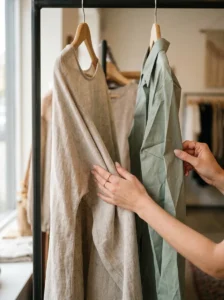
How a fabric drapes, moves, and holds its shape is a more reliable quality indicator than simply checking the fabric content label, since two garments with similar fabric composition can behave very differently based on weave density, weight, and construction quality — a cheap synthetic blend that drapes and moves naturally can look more expensive than a technically higher-fiber-content fabric that’s thin, stiff, or prone to visible wrinkling and clinging.
Checking a garment’s actual drape and hand-feel in person — how it falls when held up, whether it wrinkles severely when scrunched in a hand, whether it feels appropriately substantial rather than flimsy for its category — is a more useful evaluation method than relying purely on the fabric content label or the price point alone, particularly for anyone shopping budget-conscious retailers where quality varies considerably even within a single brand’s offerings.
Specific Construction Details Are Where Cheap Clothing Most Visibly Shows Its Price Point
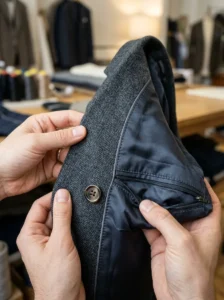
Stitching visible from the outside of a garment, especially uneven or loose stitching, is one of the more immediately noticeable signals of low-cost construction, and checking seams, hems, and any visible stitching before purchasing — looking for straight, even, secure stitching rather than loose threads or visibly uneven lines — helps identify which specific items within a budget retailer’s offerings are genuinely better constructed than others, since quality frequently varies within a single brand rather than being uniform across an entire budget price tier.
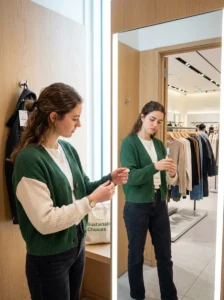
Buttons, zippers, and other hardware are a similarly reliable quality indicator — flimsy, lightweight buttons that don’t sit flush, zippers that catch or feel insubstantial, and snaps or clasps that feel loose all signal lower construction quality, and these details are worth checking directly during a fitting room evaluation rather than only after a purchase has already been made and worn.
Lining, where relevant (blazers, structured jackets, some skirts and dresses), is a meaningful quality signal — a fully lined garment generally holds its shape better and drapes more predictably than an unlined equivalent, and checking whether a garment is lined, and how that lining is finished at the seams, is a useful evaluation step for structured pieces specifically.
Secondhand and Thrifted Sources Provide a Genuine Path to Higher Construction Quality at Lower Cost
As covered in more detail elsewhere in this series regarding budget bathroom decorating specifically, secondhand and thrifted items are frequently a better construction-quality value than new budget items at a comparable price, since older garments were sometimes made with construction standards and materials that current fast-fashion manufacturing doesn’t consistently match at equivalent price points — this applies to clothing as directly as it does to furniture.
This requires more searching and a willingness to evaluate individual pieces carefully using the fabric and construction checks covered above, but a well-chosen secondhand blazer, coat, or pair of quality basics is frequently a stronger value, both in immediate quality and in longevity, than the equivalent budget spent on new fast-fashion items.
Concentrating Budget on Higher-Wear, Higher-Visibility Categories
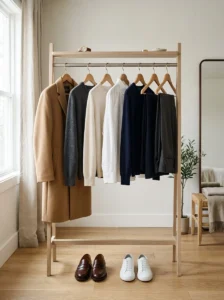
As covered in more detail elsewhere in this series regarding tight-budget decorating strategy, not every category of purchase reveals a budget equally, and applying this same category-prioritization logic to clothing means concentrating available budget on the specific items that see the most regular wear and the most direct visual attention — a well-fitting coat, quality daily-wear shoes, and reliable basic pieces worn frequently — while accepting a lower quality bar for occasional-use, trend-driven, or lower-visibility pieces where the cost-per-wear math, covered in more detail elsewhere in this series, doesn’t justify the same investment.
Outerwear and shoes in particular are worth prioritizing within a limited budget, since both categories are highly visible, directly affect the overall impression of an outfit, and tend to show wear and lower quality more visibly and more quickly than many other clothing categories.
Avoiding the Specific Traps of Fast Fashion Pricing
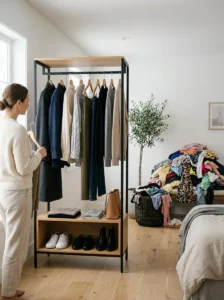
Very low-priced trend pieces, bought in volume rather than selectively, tend to produce the least favorable cost-per-wear outcomes of any budget clothing strategy, since these pieces are frequently both lower in construction quality and tied to a trend cycle that shortens their reasonable wear window even further — this compounds two separate value-eroding factors (poor construction and short trend relevance) rather than just one.
A more effective budget strategy generally favors fewer, more carefully selected pieces — evaluated for fit, fabric behavior, and construction using the checks covered throughout this piece — over a larger volume of very inexpensive, trend-driven pieces purchased without the same evaluation, even when the total spend is similar between the two approaches.
Strategic High-Low Mixing Uses Limited Higher Spend Where It Matters Most

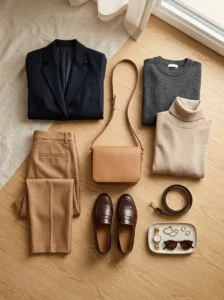
A wardrobe combining a smaller number of higher-quality investment pieces (a well-made coat, quality shoes, one or two versatile, well-constructed basics) with a larger number of carefully evaluated budget pieces filling in the remaining wardrobe needs is a genuinely effective strategy, since it concentrates limited higher spend on the pieces where quality most affects visible impression and daily wear durability, while still keeping overall spend manageable through selective budget purchasing elsewhere.
This approach requires the same fit, fabric, and construction evaluation covered throughout this piece applied to the budget portion of the wardrobe specifically, since the strategy’s success depends on the budget pieces being genuinely well-selected rather than simply being the cheapest available option in each remaining category.
Key Takeaways
- Fit is the single highest-leverage factor in whether clothing looks cheap, largely independent of actual price — a well-fitting inexpensive garment consistently outperforms a poorly fitting expensive one, and tailoring is one of the highest-value additions to a budget wardrobe strategy
- Fabric drape and hand-feel are more reliable quality indicators than fabric content labels alone, since construction and weave quality vary considerably even among similar fiber compositions
- Visible stitching quality, hardware (buttons, zippers), and lining are specific, checkable construction details that reveal quality differences within a single budget retailer’s offerings, which aren’t uniform across an entire price tier
- Secondhand and thrifted sources frequently provide better construction quality than new budget items at a comparable price, applying the same value logic covered elsewhere in this series regarding secondhand furniture
- Concentrating available budget on high-wear, high-visibility categories — outerwear, shoes, reliable basics — while accepting a lower quality bar for occasional or trend-driven pieces produces better overall value than spreading budget evenly
- Very low-priced trend pieces purchased in volume compound both lower construction quality and shorter trend relevance, generally producing worse cost-per-wear outcomes than fewer, more carefully evaluated pieces at a similar total spend
Frequently Asked Questions
Is it worth paying for tailoring on inexpensive clothing? Generally yes — a modest tailoring investment on a well-chosen but imperfectly fitting inexpensive garment frequently produces a result that reads as considerably more expensive than the same piece worn unaltered, since fit issues are one of the most immediately visible signals of budget clothing, independent of the garment’s actual price.
How can I tell if a cheap garment is actually well-made before buying it? Check the drape and hand-feel of the fabric (does it move naturally or feel stiff and flimsy), examine visible stitching for even, secure lines rather than loose threads, and test buttons, zippers, and other hardware for a solid, substantial feel rather than looseness or catching. These checks reveal genuine construction quality more reliably than price or fabric content labels alone.
Should I buy secondhand clothing instead of new budget clothing? It’s often a stronger value, since secondhand and thrifted items are frequently better constructed than new fast-fashion items at a comparable price point, applying the same value principle that applies to secondhand furniture. It requires more time and careful evaluation to find genuinely good pieces, but the resulting quality is often meaningfully higher.
Which clothing categories are worth spending more on with a limited budget? Outerwear and shoes are generally the highest-priority categories, since both are highly visible, affect the overall impression of an outfit significantly, and tend to show lower quality and wear more quickly than many other categories. Reliable, frequently-worn basics are the next priority, while occasional-use or trend-driven pieces can reasonably have a lower quality bar given their more limited expected use.
Is it better to buy a lot of very cheap trendy pieces or fewer, more carefully chosen items? Fewer, more carefully evaluated pieces generally produce better outcomes, since very inexpensive trend pieces bought in volume tend to combine lower construction quality with a shorter trend-relevant wear window, compounding two separate factors that reduce actual value, even when the total amount spent is similar between the two approaches.