

Style isn’t about budget — it’s about a set of habits. Here’s what genuinely stylish women do differently, and how anyone can build the same instincts.
There’s always that one woman who looks put together no matter what she’s wearing — jeans and a t-shirt, a work blazer, even loungewear on a coffee run. It’s tempting to assume she just has more money, more time, or a stylist on speed dial. Almost every time, it’s none of those things. It’s a set of small, repeatable habits that have nothing to do with a bigger budget.
I noticed this pattern clearly while working alongside people in very different income brackets over the years. Some of the most effortlessly stylish women I’ve met shopped almost entirely secondhand, while some of the biggest spenders never quite nailed the “put together” look. The gap wasn’t the price tag — it was the decision-making underneath it.
Style Is a Skill, Not a Budget Line
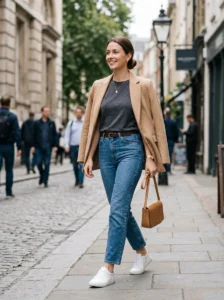
The biggest myth to unlearn first: style and spending are only loosely related. Fit, proportion, and consistency do more visual work than a designer label ever will, and none of those things cost extra money to understand.
- A well-fitted $20 t-shirt reads more polished than an ill-fitting $200 one.
- Proportion and silhouette awareness are free skills, learned through observation and practice.
- Consistency in personal style creates a recognizable “look,” which reads as intentional even in simple outfits.
They Understand Fit Better Than Anyone Else in the Room
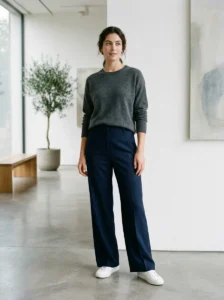
If there’s one single factor that separates stylish women from everyone else, it’s an almost obsessive attention to fit. Not expensive fit — correct fit.
Why Fit Outperforms Price Every Time
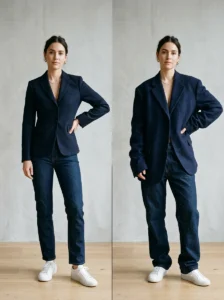
Clothes that fit the shoulders, waist, and length correctly look intentional regardless of brand or cost. Clothes that don’t fit well look off no matter how much they cost, because the eye reads proportion mismatches instantly, even subconsciously.
- Getting basics tailored — even inexpensive ones — often costs less than buying “better” ill-fitting pieces.
- Sleeve length, hem length, and shoulder seams are the three most common fit issues that quietly undercut an outfit.
- Stylish women often know their exact measurements and shop with those numbers in mind, rather than guessing by brand size labels.
They Repeat Outfits Without Shame
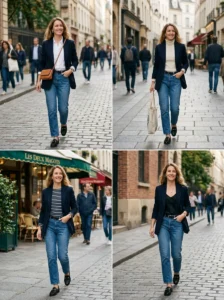
Genuinely stylish women rewear pieces constantly — the same trusted blazer, the same go-to jeans, the same reliable pair of shoes. What looks like a huge, ever-changing wardrobe from the outside is often a small rotation worn with total confidence.
The Psychology Behind Repetition
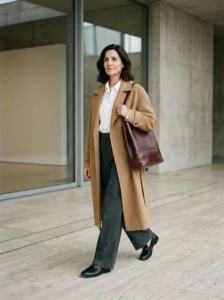
Repeating well-chosen pieces builds a stronger personal style identity than constantly buying new items, since the eye starts to associate certain combinations specifically with that person. This consistency reads as confidence, not lack of options.
- A signature piece — a specific jacket, a particular shoe style — becomes part of someone’s visual identity over time.
- Repetition also means less decision fatigue, freeing up mental energy that shows up as calm confidence in how the outfit is worn.
- Social media has distorted the idea that new outfits every day equal style, when consistency is actually the stronger signal.
They Edit Ruthlessly

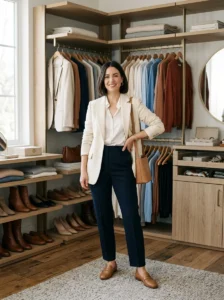
Stylish women tend to own fewer things than people assume, not more. A tightly edited closet, where almost everything works together, is far easier to dress from than an overstuffed one full of mismatched impulse buys.
- Fewer, better-chosen pieces reduce the “nothing to wear” feeling more effectively than a bigger wardrobe.
- Editing means removing anything that doesn’t fit well, doesn’t match the rest of the closet, or hasn’t been worn in the last year.
- A curated closet also makes getting dressed faster, which reinforces the habit rather than making it feel like extra work.
They Know Their Body and Dress For It, Not Trends
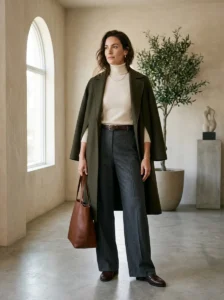
One of the clearest patterns among stylish women is an accurate, honest understanding of their own proportions, and a willingness to skip trends that don’t suit them, regardless of popularity.
Trend Awareness Without Trend Obedience
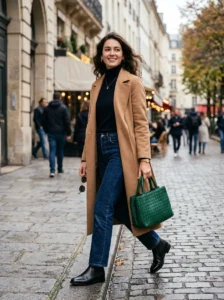
Being aware of trends is useful; blindly following every one of them isn’t. Stylish women tend to borrow small elements from trends — a color, a silhouette detail — while filtering out anything that doesn’t work for their body or lifestyle.
- Understanding personal proportions (torso length, shoulder width, leg length) helps filter which trends are actually flattering.
- Trends get adapted into an existing personal style rather than replacing it entirely each season.
- Confidence in this filtering process comes from experience and self-observation, not a rulebook — and it improves with practice over time.
They Pay Attention to Small Finishing Details
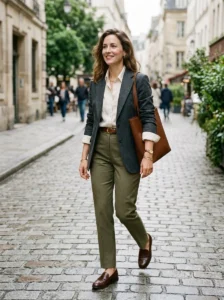
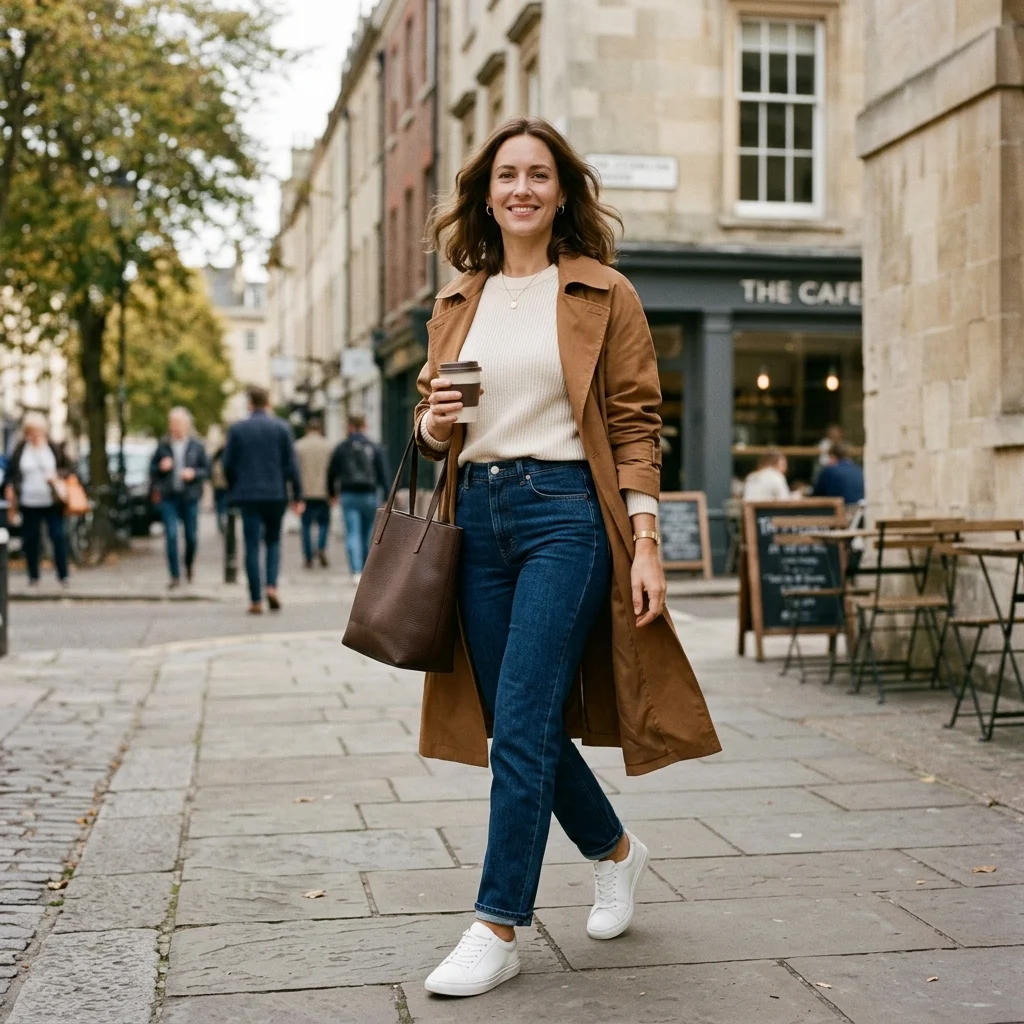
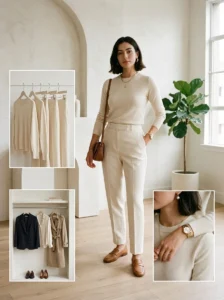
The final differentiator is often the smallest one: finishing touches. Ironed clothes, clean shoes, well-maintained basics, and small styling choices like rolled sleeves or a tucked shirt make a disproportionate difference in how “put together” an outfit reads.
- Wrinkle-free, well-maintained clothing signals more care than an expensive but poorly maintained piece.
- Small details — a rolled cuff, a tucked-in layer, matched metals in jewelry — pull an outfit together without adding cost.
- Shoe and bag condition matters more than people expect; scuffed or worn-out accessories undercut even a well-fitted outfit.
Key Takeaways
- Style depends far more on fit, proportion, and consistency than on how much money is spent.
- Correctly fitted basics consistently outperform expensive but poorly fitted pieces.
- Repeating trusted outfits builds a recognizable personal style rather than looking unstylish.
- A tightly edited, curated closet is easier to dress from than a large, mismatched one.
- Knowing your own proportions helps filter trends into what actually works, rather than following everything.
- Small finishing details — ironing, shoe care, matched accessories — often matter more than the price of the clothes themselves.
Conclusion
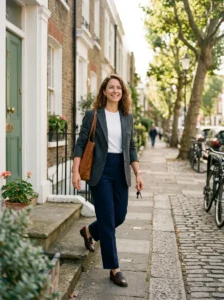
The women who always look stylish aren’t spending more — they’re paying closer attention. Fit, consistency, editing, and small finishing details cost nothing extra, but they do the vast majority of the visual work that separates a put-together outfit from an average one. Style, it turns out, is far more learnable than it looks from the outside, and none of it requires a bigger budget to start practicing today.
Frequently Asked Questions
1. Do I need expensive clothes to look stylish? No. Fit, proportion, and how well pieces work together matter far more than price. A well-fitted, inexpensive outfit consistently looks more polished than an expensive but ill-fitting one.
2. Is it okay to wear the same outfit repeatedly? Yes, and it’s actually a common habit among stylish people. Repeating trusted, well-fitted pieces builds a recognizable personal style and reduces daily decision fatigue, which often reads as more confident than constantly changing outfits.
3. How do I figure out what actually flatters my body? Start by observing which fits and silhouettes you’ve felt most confident in previously, and pay attention to proportion basics like shoulder width and torso-to-leg ratio. This takes some trial and error, but it becomes more intuitive with practice over time.
4. Should I follow every new fashion trend to stay stylish? No. Selectively borrowing small elements from trends — a color, a detail, a silhouette — while skipping anything that doesn’t suit your body or lifestyle tends to look more intentional than following every trend fully.
5. What’s the fastest way to instantly look more put together? Focus on fit and finishing details first — properly fitted basics, wrinkle-free clothing, and clean, well-maintained shoes make an immediate difference and cost far less than buying entirely new pieces.