

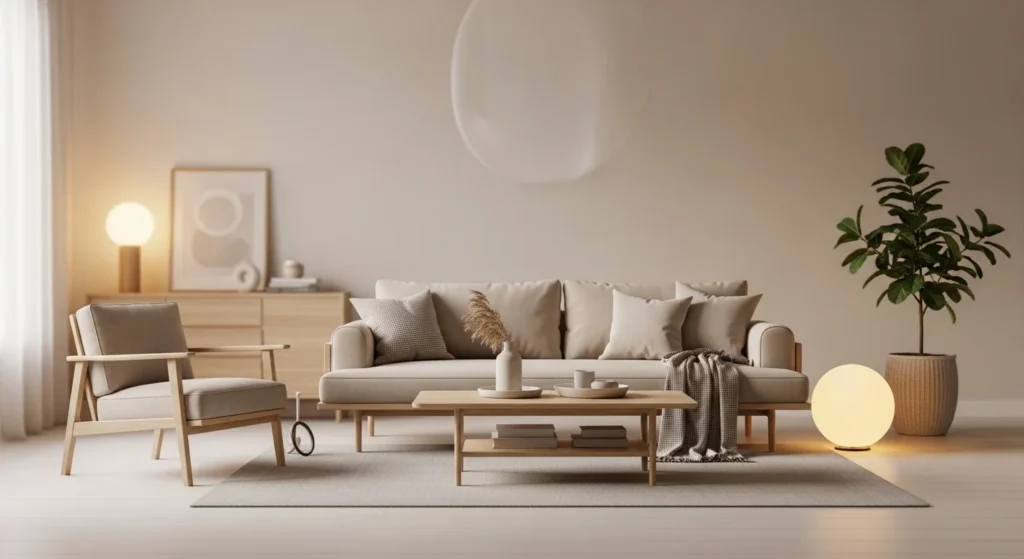
A lot of minimalist living rooms end up feeling cold or unfinished, even when they look clean. That’s because they miss one key thing: warmth. The latest Japandi living room ideas for 2026 solve this by blending Japanese simplicity with Scandinavian coziness, creating spaces that feel calm and inviting.
In this post, you’ll discover Japandi-inspired ideas that balance clean design with soft textures and natural elements. Whether you want a full transformation or just a subtle refresh, these ideas will help you create a living room that feels peaceful, functional, and effortlessly stylish.
1. Soft Neutral Color Palette
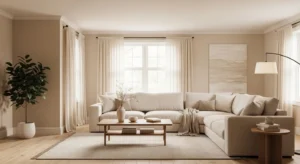
Japandi living rooms start with calming neutrals like beige, cream, and soft grey. These tones create a peaceful foundation without feeling cold.
They also allow textures and materials to stand out naturally.
Tip: Stick to warm neutrals rather than stark whites.
2. Low Profile Furniture
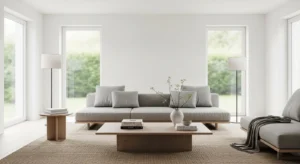
Low sofas and tables create a grounded, relaxed feel. They make the space feel open and uncluttered.
It’s a signature element of Japandi design.
Suggestion: Choose simple shapes with clean lines.
3. Natural Wood Elements
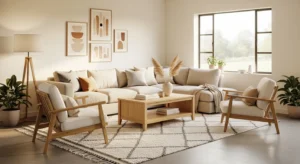
Light to medium wood tones add warmth and balance. They soften the minimal aesthetic beautifully.
Wood also brings a natural, organic feel into the space.
Question: Could your room use more natural materials?
4. Minimal but Meaningful Decor
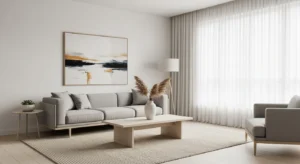
Instead of filling the room, Japandi focuses on fewer, intentional pieces. Each item has a purpose or meaning.
It creates a calm, uncluttered environment.
Tip: Choose decor you truly love, not just for display.
5. Layered Textures for Warmth
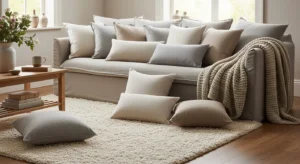
Soft textiles like linen, wool, and cotton add depth without cluttering the space.
They make the room feel cozy and lived-in.
Suggestion: Mix subtle textures within the same color palette.
6. Neutral Rugs with Subtle Patterns
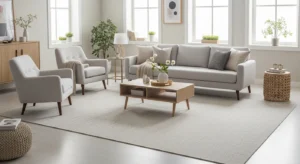
A soft rug anchors the space while adding texture. Patterns should be minimal and calming.
It enhances comfort without distraction.
Tip: Choose natural fiber rugs for authenticity.
7. Warm Ambient Lighting
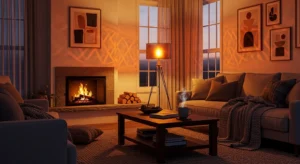
Lighting in Japandi spaces is soft and warm, never harsh. It creates a relaxing atmosphere.
It’s essential for making minimal spaces feel inviting.
Question: Does your lighting feel too bright or too cold?
8. Decluttered Open Space
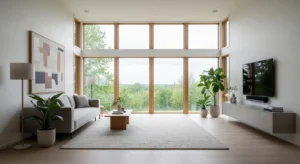
Empty space is intentional in Japandi design. It allows the room to breathe and feel calm.
It’s not about having less—it’s about having enough.
Tip: Keep surfaces clean and simple.
9. Black Accents for Contrast
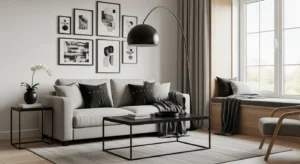
Small black elements—like frames or fixtures—add contrast and depth.
They prevent the space from feeling too soft or washed out.
Suggestion: Use black sparingly for balance.
10. Functional Furniture Choices
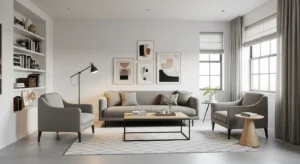
Every piece should serve a purpose. Japandi design values practicality just as much as style.
It keeps the room efficient and uncluttered.
Tip: Avoid decorative pieces without function.
11. Soft Earth Tone Accents
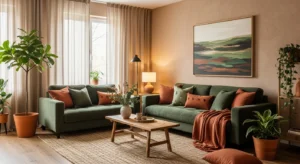
Muted greens, browns, and clay tones add warmth and connection to nature.
They keep the palette calm but interesting.
Question: Which earthy tone feels most calming to you?
12. Clean Lines and Simple Shapes
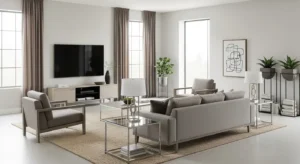
Furniture and decor should have clean, simple silhouettes. It creates a sense of order.
This keeps the design timeless.
Tip: Avoid overly ornate details.
13. Indoor Plants for Life
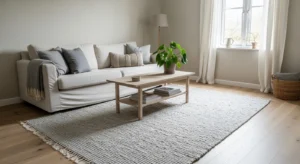
A few carefully placed plants add freshness and life to the room.
They soften the minimal aesthetic.
Suggestion: Choose simple, low-maintenance plants.
14. Neutral Curtains for Soft Light
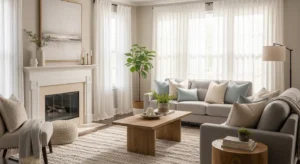
Light, airy curtains help filter natural light while maintaining privacy.
They add softness without heaviness.
Tip: Stick to linen or cotton fabrics.
15. Balanced Mix of Materials
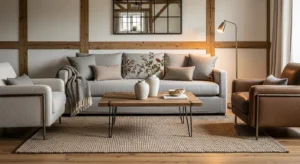
Combining wood, fabric, and subtle metal accents creates a layered look.
It adds depth without clutter.
Question: Do your materials feel varied enough?
16. Hidden Storage Solutions
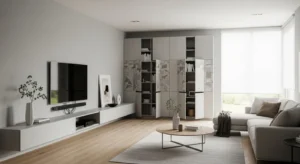
Keeping storage out of sight helps maintain a clean, minimal look.
It reduces visual clutter.
Tip: Use cabinets or baskets for organization.
17. Soft Contrast with Light and Dark
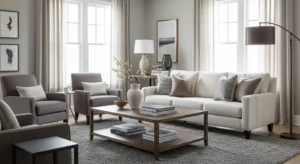
A mix of light and dark tones creates balance. It prevents the room from feeling flat.
It adds subtle visual interest.
Suggestion: Use darker tones in small details.
18. Cozy Seating Arrangement
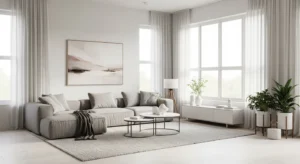
Comfort is just as important as aesthetics.
Seating should feel inviting and practical.
It encourages relaxation and connection.
Tip: Add soft cushions for extra comfort.
19. Minimal Wall Art
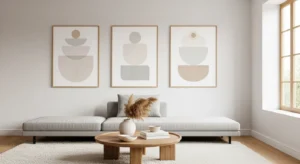
Artwork should be simple and calming. It enhances the space without overwhelming it.
It adds personality in a subtle way.
Suggestion: Choose abstract or nature-inspired pieces.
20. Natural Fiber Accessories
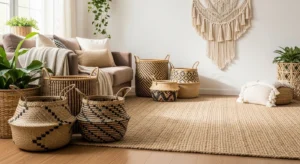
Items like woven baskets or jute decor add texture and warmth.
They fit perfectly into the Japandi style.
Tip: Keep accessories minimal for balance.
21. Monochrome Neutral Styling
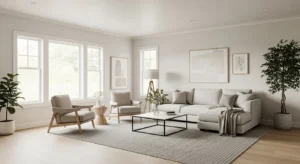
Using one color family creates a cohesive, calming look.
It simplifies the design.
Question: Would a more uniform palette feel more relaxing?
22. Open, Airy Layout
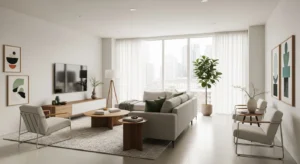
Spacing furniture thoughtfully keeps the room feeling open and light.
It improves both flow and comfort.
Tip: Avoid overcrowding the space.
23. Calm and Intentional Atmosphere
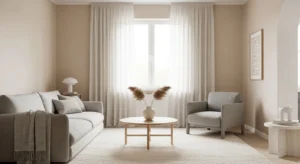
At its core, Japandi design is about creating a peaceful environment. Every element should contribute to that feeling.
It’s less about decoration and more about how the space feels.
Tip: Focus on comfort and simplicity over trends.