

Before adding a single trendy piece to your closet, these are the items that actually determine whether that purchase gets worn — or forgotten by next season.
Build This First, Then Chase the Trends

Ask anyone with a genuinely great wardrobe what they’d save from a house fire, and it’s rarely the statement piece everyone complimented last spring. It’s almost always something plain — a coat, a pair of jeans, a shirt that’s been worn a hundred times. That gap between what gets attention and what actually gets worn is the entire argument for building a foundation before shopping trends at all.
I learned this the expensive way, buying a piece every season because it was “everywhere,” only to realize a year later that half my closet couldn’t be paired with anything else I owned. The fix wasn’t discipline or a shopping ban — it was going back and filling in the boring stuff first. Here’s what that foundation actually looks like, and why the order you buy things in matters as much as what you buy.
The Test That Tells You If Something Is a Basic or a Trend
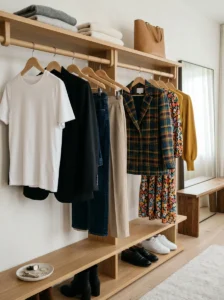
Before getting into specific pieces, it helps to have a filter, because the line between “classic” and “trendy” isn’t always obvious in the moment of buying something.
Ask whether the piece would look normal in photos from ten years ago. A white t-shirt, dark jeans, or a black blazer passes this test easily. A specific cut of cargo pant or a particular sleeve shape usually doesn’t — and that’s not a criticism, it’s just information about how long the piece will stay relevant.
Ask how many other things you currently own it could pair with. A true basic should work with at least three or four other pieces already in the closet. If something only works with one specific outfit in mind, it’s a trend piece, not a foundation piece — and that’s fine, as long as it’s categorized correctly before buying it.
This test matters because it reframes the whole shopping decision. It’s not “basic versus exciting.” It’s “multiplier versus single-use.”
Undergarments and Layering Pieces Get Ignored First — and Cost the Most Later
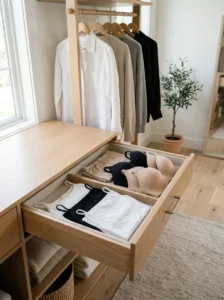
This is usually where wardrobe advice starts skipping ahead to jackets and shoes, but the layer underneath everything else is where fit problems actually begin.
A nude and a black seamless bra handle more outfits invisibly than any visible piece in a closet — wrong bra color under light fabric is one of the fastest ways a good outfit looks accidental rather than intentional.
Slip shorts in a neutral tone stop chafing under skirts and dresses and remove visible lines under fitted trousers, a detail that trendy bottoms in particular tend to expose rather than hide.
A black and white camisole rescues sheer or low-cut trendy tops without requiring a matching base layer purchase every time a new top arrives home.
None of these show up in an outfit photo, which is exactly why they’re the most skipped category — and also why skipping them undermines everything worn on top.
Denim: The One Purchase Worth Getting Right Before Anything Else
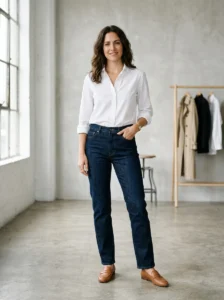
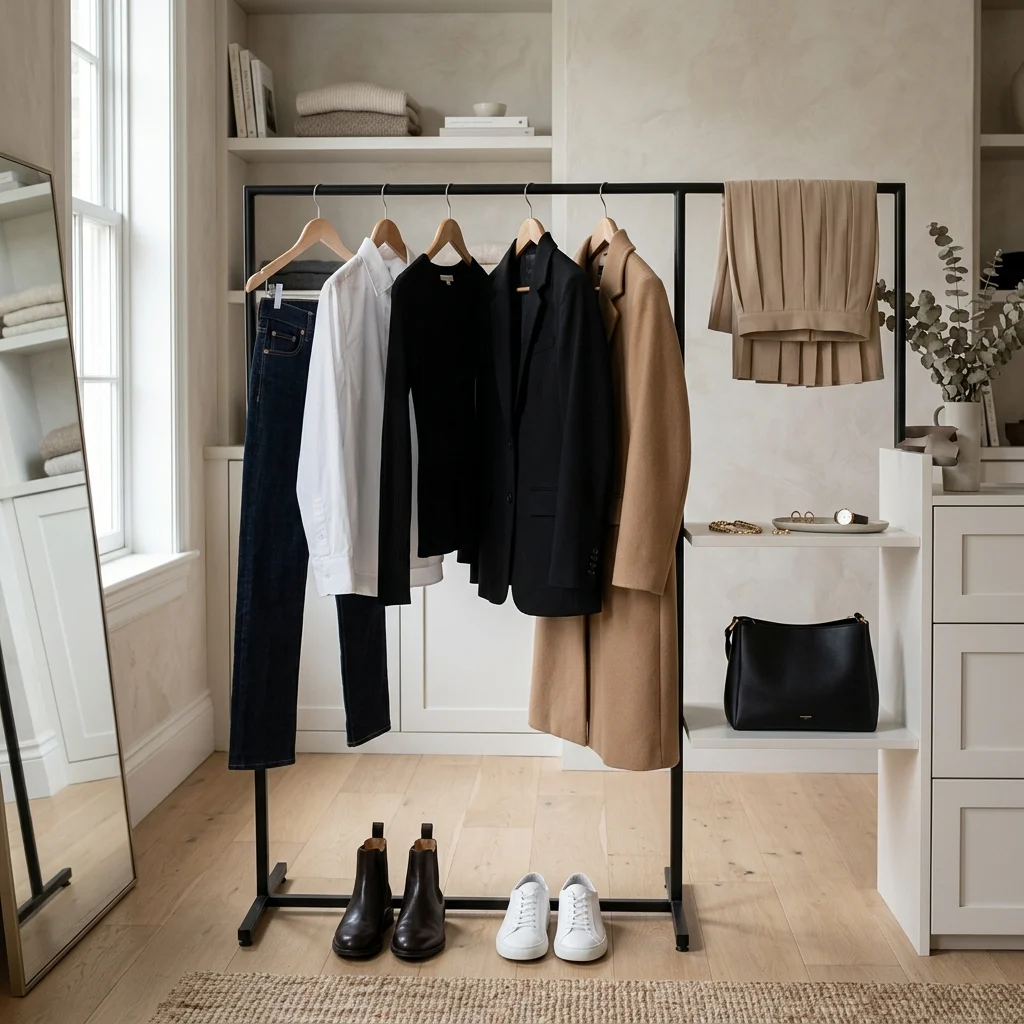
If there’s a single piece worth prioritizing above all others, it’s a properly fitting pair of jeans, because more outfits are built around denim than around any other single item.
Dark or mid-wash, unwashed denim outperforms trendy washes. Distressing, unusual fading patterns, and colored denim all tie a pair of jeans to a specific era or season, while a clean dark wash reads as current regardless of when it was purchased.
A straight or slightly tapered leg has the longest shelf life. Extreme silhouettes — very skinny, very wide — cycle in and out of relevance faster because the leg shape itself becomes associated with a particular moment, the way certain cuts instantly read as “that decade” in old photos.
Rise matters more than most people budget attention for. A rise that sits comfortably at the natural waist tends to work with the widest range of tops, tucked or untucked, without the gapping or digging-in that happens at extreme high or low rises.
Trousers and Skirts That Aren’t Trying to Make a Statement
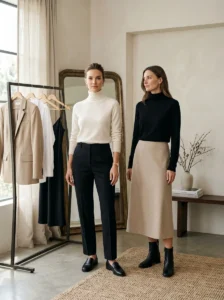
A tailored trouser in black or navy fills the space between casual jeans and formal dress pieces — a gap trend cycles rarely address, since trends tend toward either very casual silhouettes or very statement-heavy ones.
A midi skirt without a specific print or seasonal detail stretches across more occasions than a trend skirt, pairing equally well with a plain t-shirt for daytime and a fitted top for something dressier.
The Shirts and Tops That Do the Heaviest Lifting
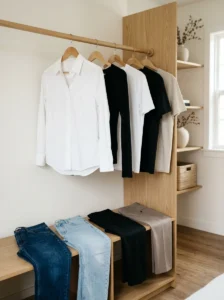
A structured white button-up is worth calling out on its own, separate from other tops, because of how many distinct outfits a single one produces — tucked in, knotted at the waist, layered under a sweater, worn open over a camisole.
A fitted black long-sleeve top works as an under-layer for blazers in colder months and as a standalone piece paired with statement bottoms or jewelry the rest of the year, which is a wider range than most single trend tops offer.
Plain t-shirts in white, black, and one additional neutral are the pieces most likely to need yearly replacement, since fabric and fit wear down with regular washing — but they’re worth replacing consistently precisely because so many casual outfits depend on them.
Outerwear Is Where a Trend Mistake Costs the Most
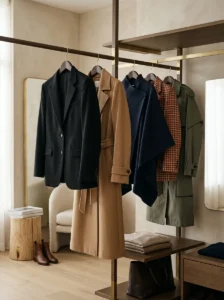
Because outerwear tends to be the most expensive category per item, buying trend-first here does the most financial damage when the trend fades.
A tailored blazer in black or navy moves between work, weekend, and evening depending only on what’s underneath — jeans for casual, trousers for work, a slip dress for evening — while a trend blazer in an unusual cut or print typically only serves one of those contexts.
A classic coat in camel, black, or navy — trench or structured wool — holds up for years past seasonal coat trends because the silhouette itself isn’t attached to a specific moment the way an exaggerated puffer or heavily embellished coat is.
Shoes: Where the Foundation-to-Trend Ratio Gets Reversed Most Often
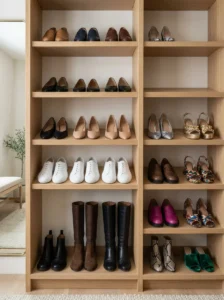
Shoe trends move quickly, and a single striking pair photographs well in isolation — which is exactly why the basics underneath get skipped here more than almost anywhere else.
- A pointed or almond-toe flat or low heel in black or nude pairs with dresses, trousers, and jeans in a way that platform or statement styles, however current, generally can’t.
- A clean white sneaker without heavy branding works across more outfits than a chunky or brightly colored trend sneaker, which tends to become the outfit’s focal point rather than support it.
- A plain leather boot, knee-high or ankle carries through more seasons and dress-up-or-down contexts than a boot with a specific trend detail that reads as dated within a year or two.
Key Takeaways
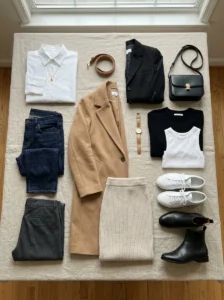
- A quick filter — “would this look normal ten years ago” and “how many things can it pair with” — separates true basics from disguised trend pieces before you buy
- Invisible layers like bras, slip shorts, and camisoles solve more outfit problems than any visible piece, and they’re the most commonly skipped category
- Dark, straight-leg denim in a comfortable rise is the single highest-priority purchase, since more outfits build around jeans than any other item
- A tailored blazer and a classic coat prevent the most expensive kind of trend mistake, since outerwear costs the most per piece when a trend fades
- Simple shoes in neutral tones and classic shapes outlast footwear trends by years and multiply outfit options far more than statement styles
Frequently Asked Questions
Do I need to buy every basic before I’m allowed to buy something trendy? Not at all — the goal isn’t a strict purchase order, it’s making sure trend pieces have something to pair with once they arrive. Someone with a decent denim and top foundation already in place can absolutely buy a trend jacket next; the issue only arises when trend pieces accumulate faster than the foundation that supports them, leaving closets full of items that can’t talk to each other.
What if my personal style is actually more bold and trend-driven — does this advice still apply? Yes, though the ratio might shift. Even a maximalist or trend-forward wardrobe benefits from a smaller set of foundational pieces that let the bolder items stand out rather than compete with each other; without any neutral base, every outfit becomes a negotiation between multiple statement pieces, which often reads as cluttered rather than intentionally bold. The foundation supports the trend pieces regardless of how much of the wardrobe leans toward one or the other.
How do I know if a piece I already own counts as a basic or a trend item I’ve been treating as one? Run it through the pairing test described earlier — count how many other things in your closet it currently works with. If a piece you thought of as a basic actually only pairs with one or two other items, it’s functioning as a trend piece regardless of how plain it looks, and that’s useful information for future shopping decisions rather than a problem to fix immediately.
Is it worth spending significantly more on foundational pieces compared to trend pieces? Generally yes, and cost-per-wear is the reason why. A basic worn several dozen times a year for multiple years costs far less per wear than a trend piece worn a handful of times before it feels dated, even when the trend piece was cheaper at checkout. That said, “spend more” doesn’t mean spend the maximum available — it means prioritizing fit and fabric quality within a reasonable budget over chasing the lowest price on foundational items specifically.
How often should the foundational pieces actually be replaced? It depends heavily on the category. Fitted t-shirts and everyday denim typically need replacing every one to two years with regular wear, since fabric and shape degrade with frequent washing, while structural pieces like a good blazer, coat, or leather boots can last five years or more if properly cared for. The general principle: the closer a piece is to skin and daily wear, the more often it needs refreshing; the more structural and occasional the piece, the longer it should last.