



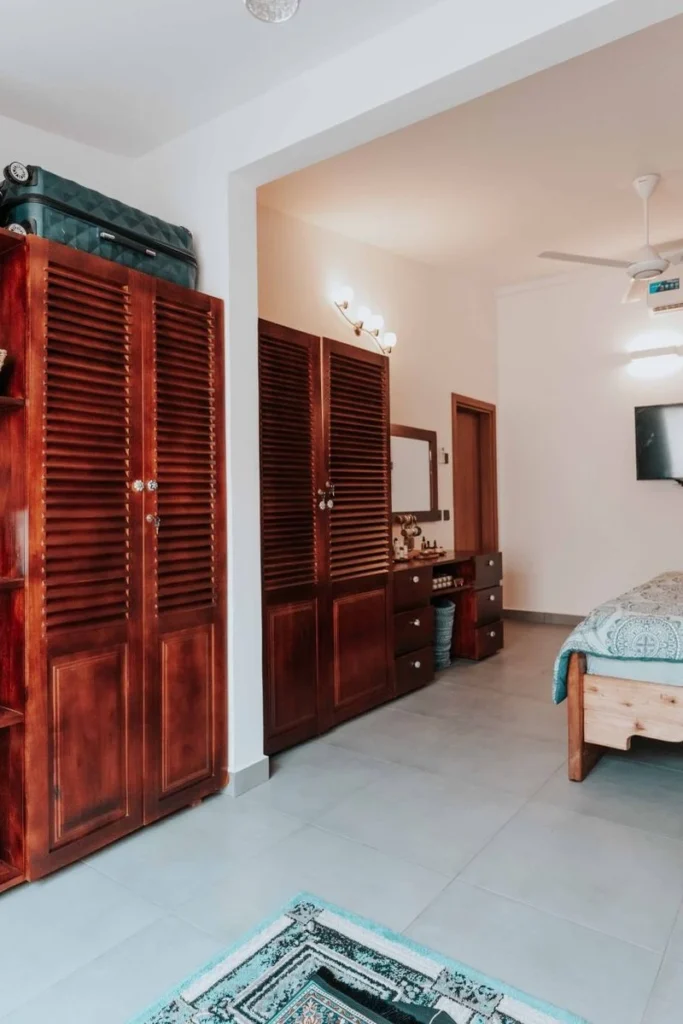
20 Small Bedroom Storage Ideas That Use Every Inch
Photo: @keeganjchecks via Pexels
A small bedroom does not need a bigger footprint. It needs storage in the places most rooms waste: under the bed, up the walls, inside the doors, and in furniture that already has to be there. These twenty small bedroom storage ideas use those spots one by one, and most cost less than a new wardrobe. A room that stores well also sleeps better, because there is less to look at when the light goes out.
1. Rolling Bins for Small Bedroom Storage Under the Bed
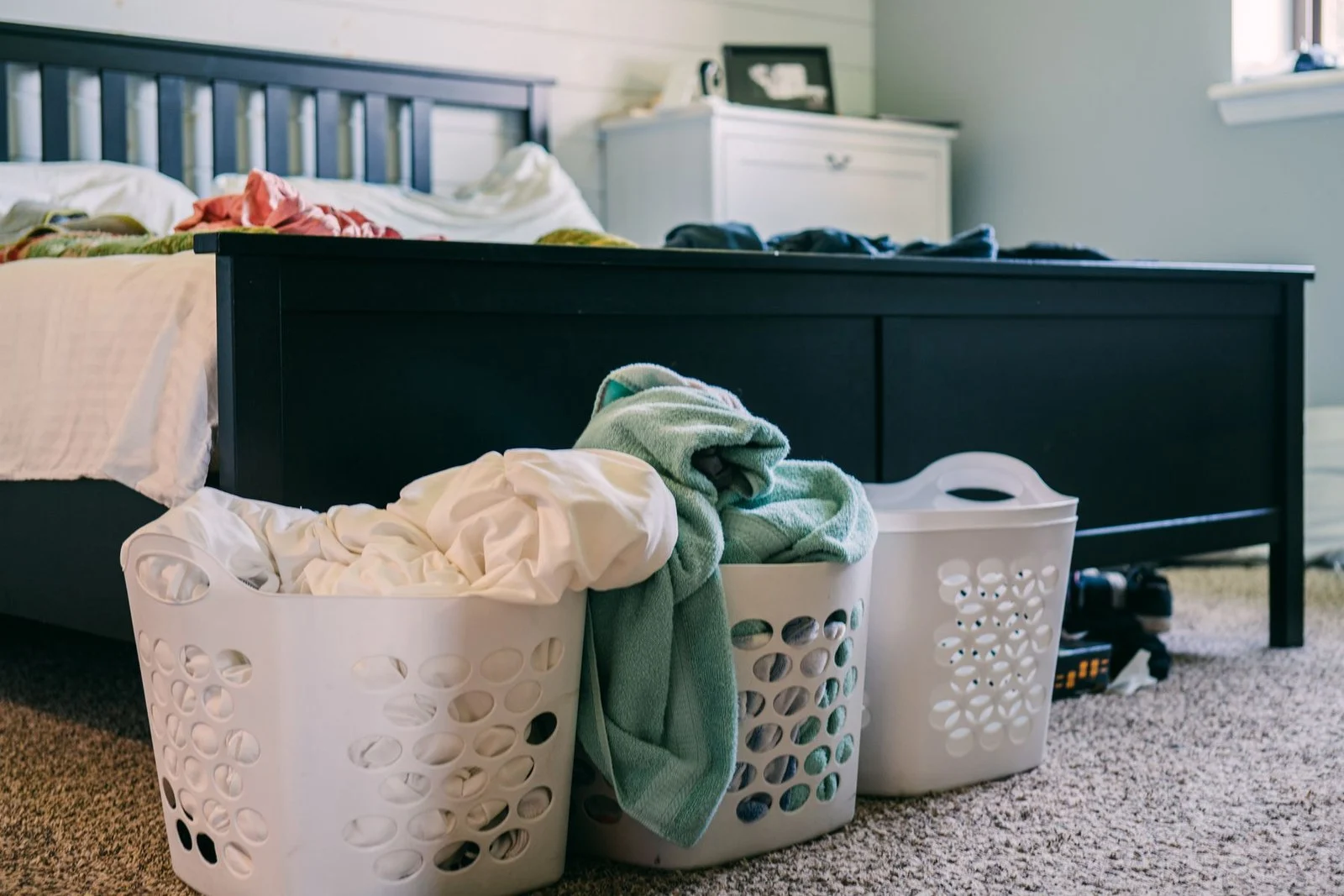
Photo: @thepaintedsquare via Pexels
The space under a bed is often the largest unused cupboard in a small room. Flat rolling bins turn it into storage for out-of-season clothes, spare bedding, or shoes you wear weekly. Measure the clearance first, including any centre leg, and choose bins at least a centimetre shorter than the gap. Label the front of each bin, so you pull out the right one instead of all of them. Keep daily clothes in the wardrobe and seasonal things under the bed, or the bins become a second wardrobe you have to dig through every morning.
2. A Storage Bed With Drawers
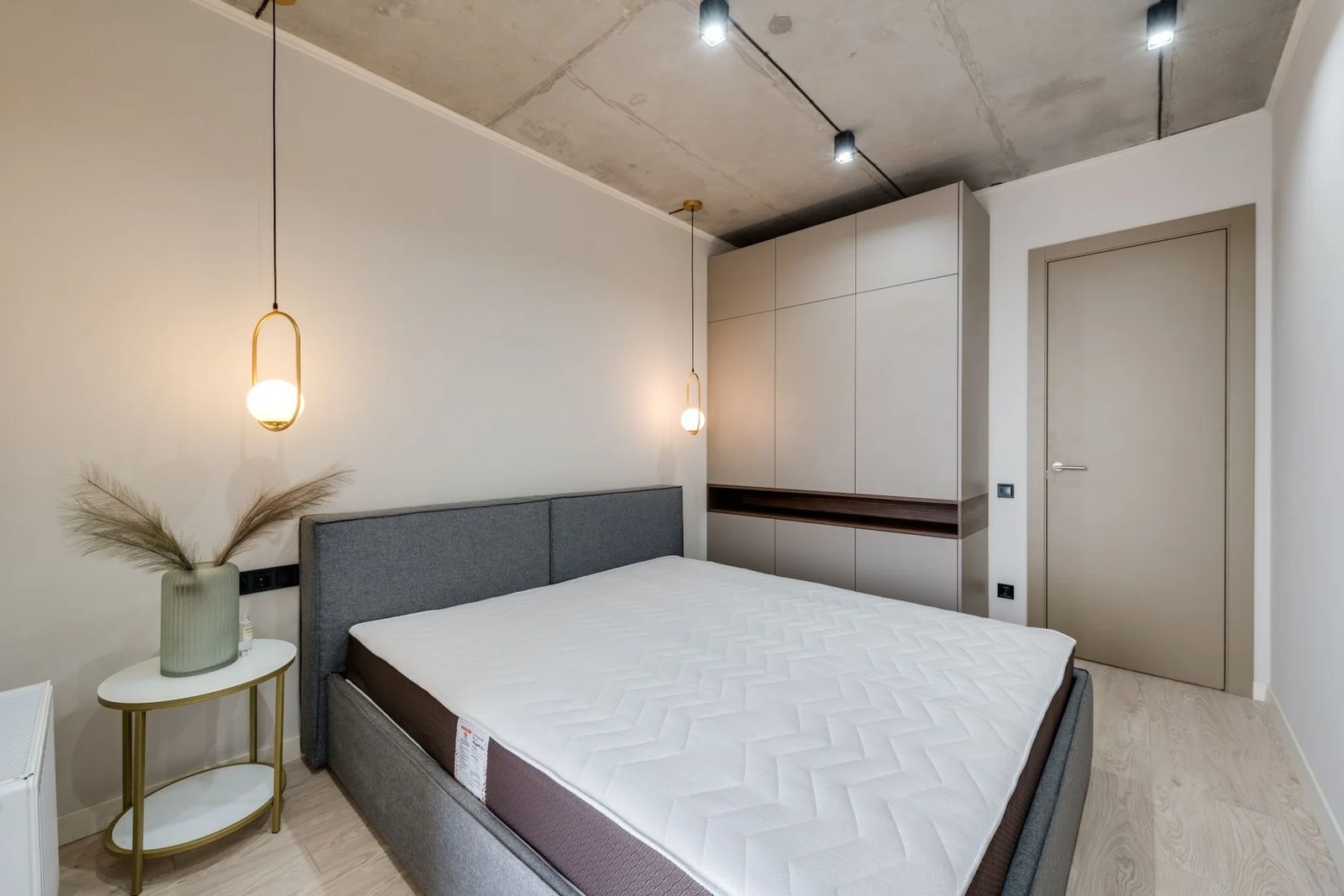
Photo: @artbovich via Pexels
A bed with built-in drawers adds a whole dresser without taking a centimetre of floor. Use the drawers for bedding, bulky jumpers, or spare pillows, and keep the top of the bed simple so the room still feels calm. Test the drawers before you buy: they should slide fully open even when the bed is made, and they need clear floor in front of them. A lift-up ottoman bed works the same way, but drawers suit small rooms better, because you never have to lift the mattress to reach one thing.
3. A Low, Wide Dresser That Hugs the Wall
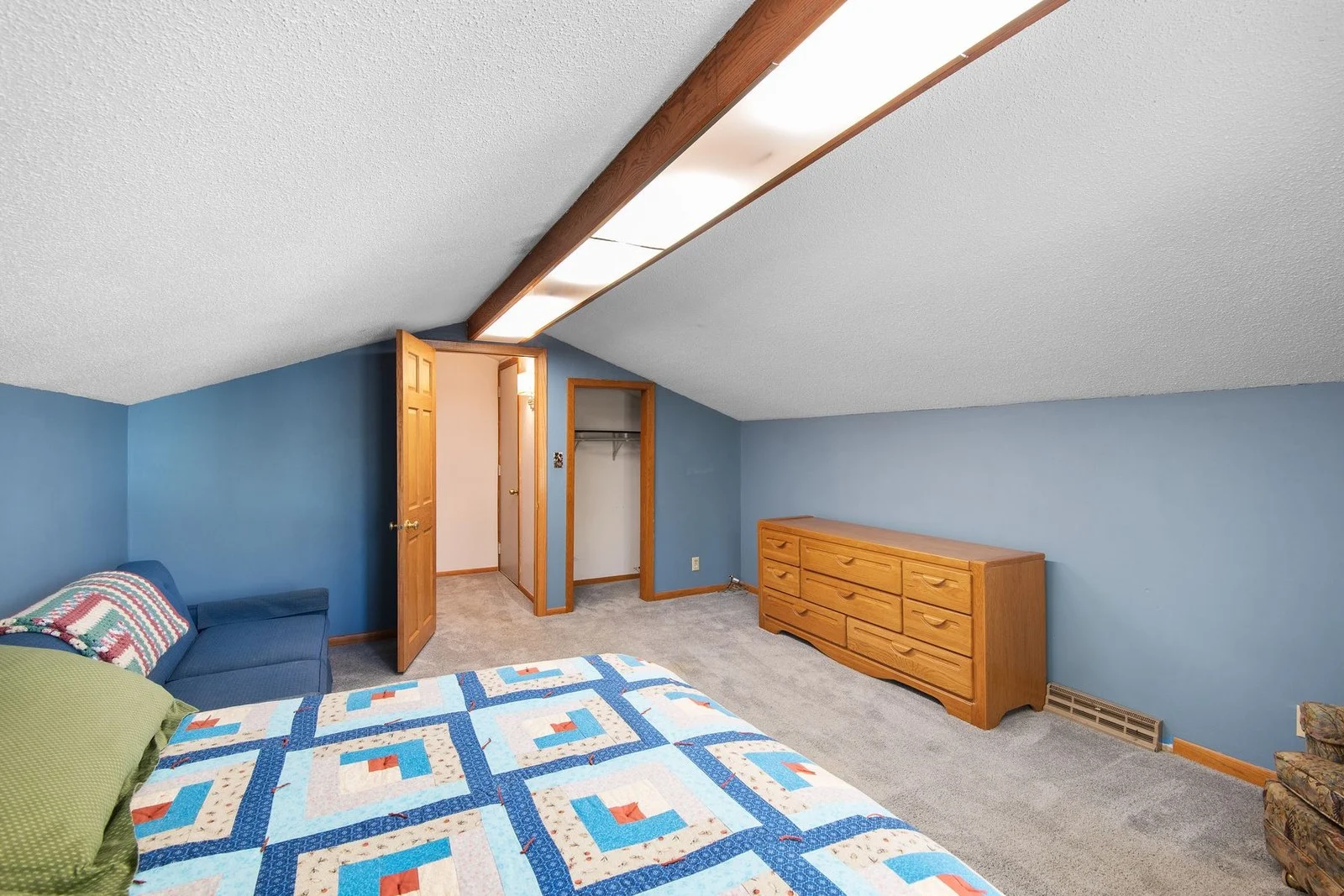
Photo: @d-huy-hoang-163344088 via Pexels
A low dresser under a window or a sloped ceiling uses a wall that a tall wardrobe cannot. It holds folded clothes, and its top becomes a useful surface for a mirror or a small lamp, which a tall chest cannot offer. Sort drawers by category, one for tops, one for bottoms, one for underwear and socks, and fold instead of stacking high, so you can see everything at a glance. If the dresser is wider than the wall space, measure the skirting boards and door swing too. A dresser that blocks a door by two centimetres will annoy you every day.
4. Wall Shelves Above the Bed
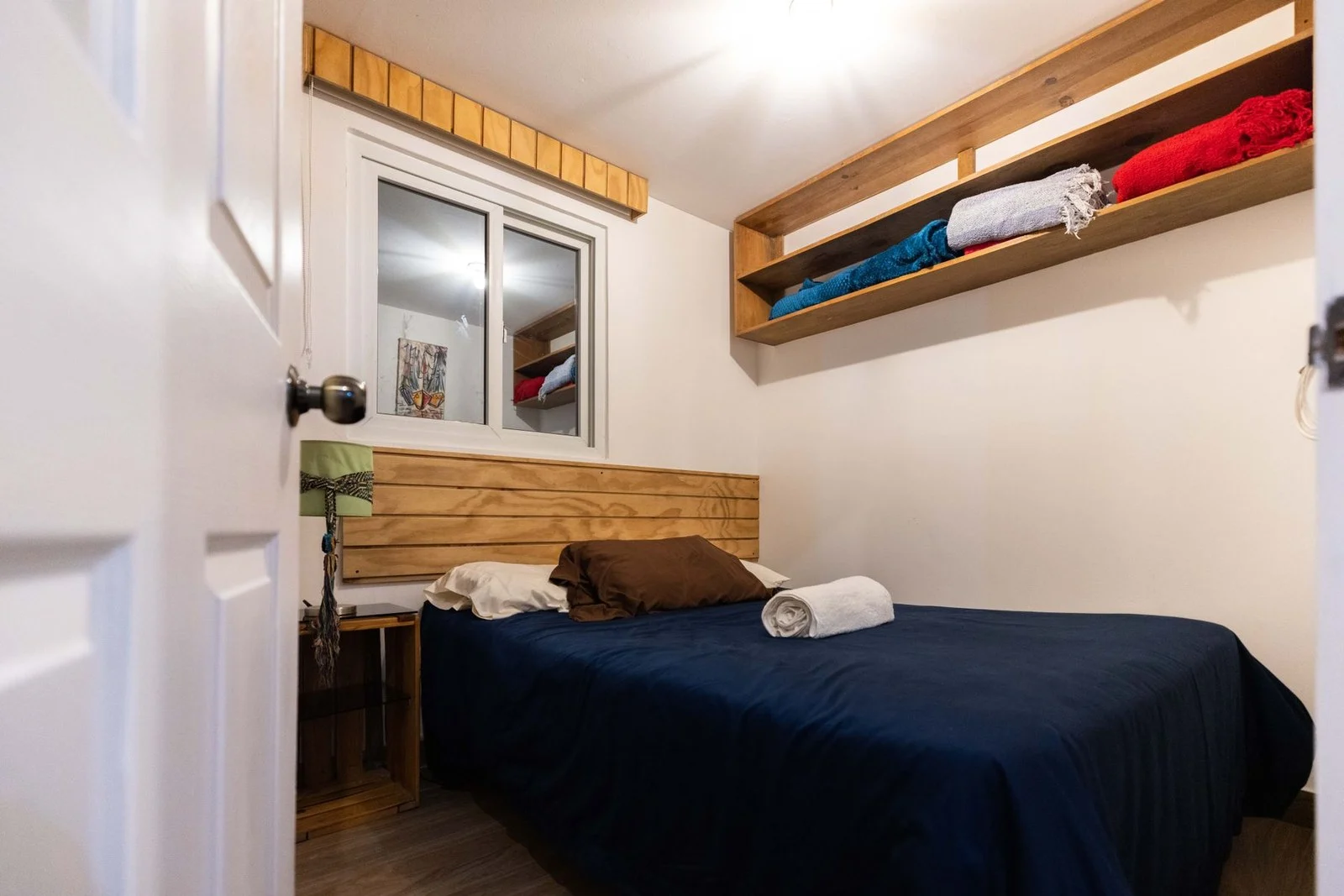
Photo: @manuel-aldana-321951004 via Pexels
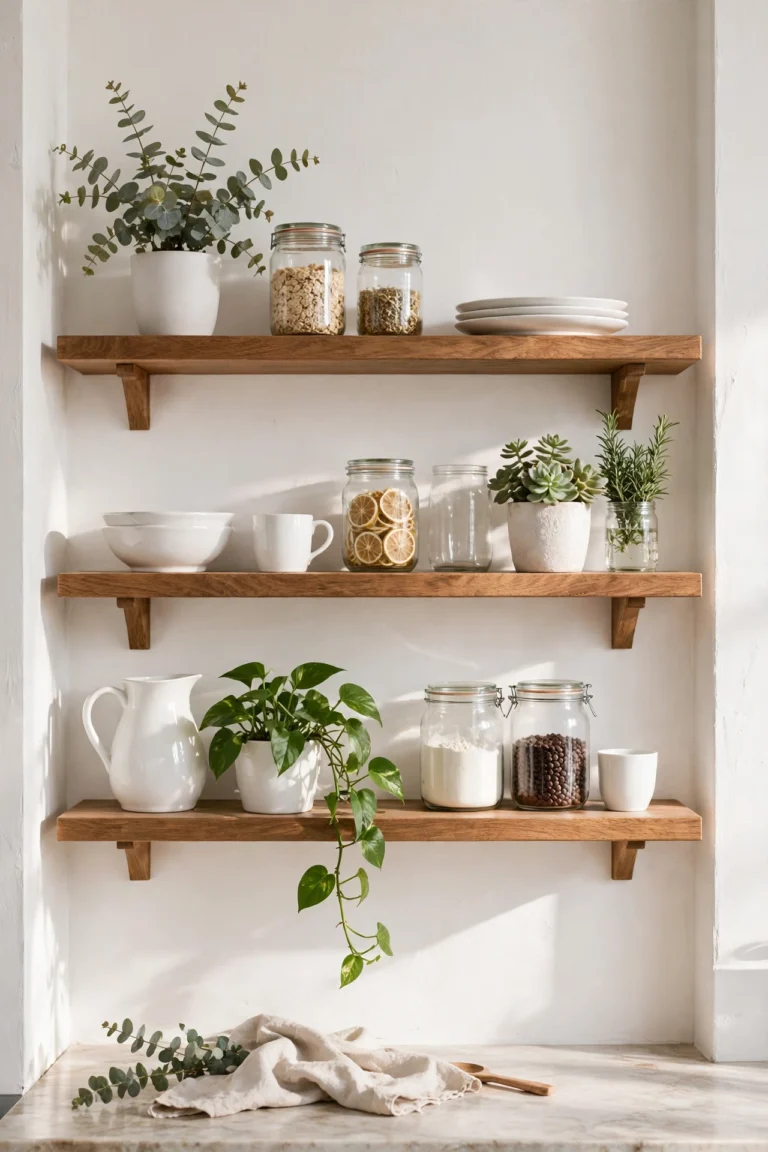
Two shelves above the bed hold books, a small plant, and a basket for the things you reach for at night, without touching the floor. Mount them into studs or use fixings rated for the wall type, and keep the lowest shelf above head height when you sit up in bed, so nobody bumps it. Leave one shelf partly empty on purpose. A shelf crammed edge to edge looks like clutter at eye level, while a shelf with breathing room looks like a choice. Put heavier books low and lighter baskets high, and check that nothing can fall onto the pillow.
5. Sliding Closet Doors That Free Swing Space
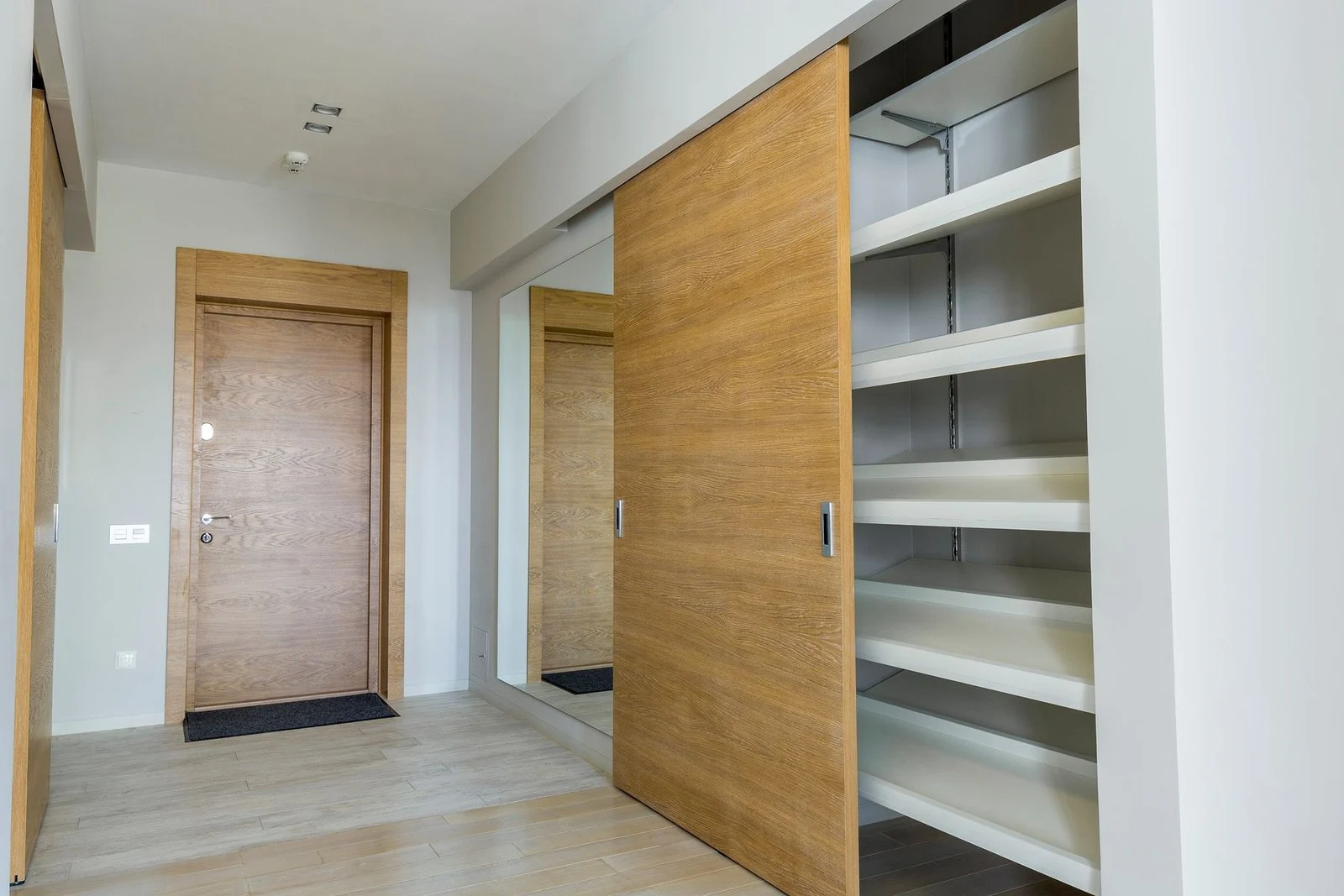
Photo: @artbovich via Pexels
A hinged wardrobe door needs a clear arc of floor to open, and in a small bedroom that arc is often the walkway. Sliding doors remove it entirely, so the bed can sit closer to the wardrobe and the path around it stays open. They also let you see one half of the wardrobe at a time, which is a fair trade for the floor you gain. If a full sliding system is too much work, a curtain on a ceiling track gives you most of the same saving for far less money.
6. A Storage Bench at the Foot of the Bed

Photo: @artbovich via Pexels
A bench at the foot of the bed is a seat for putting on shoes, a landing spot for tomorrow’s clothes, and, with a lift-up lid, a cupboard for spare blankets. Choose one no wider than the bed, so it does not poke into the walkway, and check the lid stays open on its own while you reach inside. Keep only bulky, soft things in it, throws, spare duvets, winter jumpers, because hard objects rattle every time you sit down. A bench that is too tall blocks the view of the bed, so aim for seat height, roughly the same as a dining chair.
7. A Slim Two-Drawer Nightstand
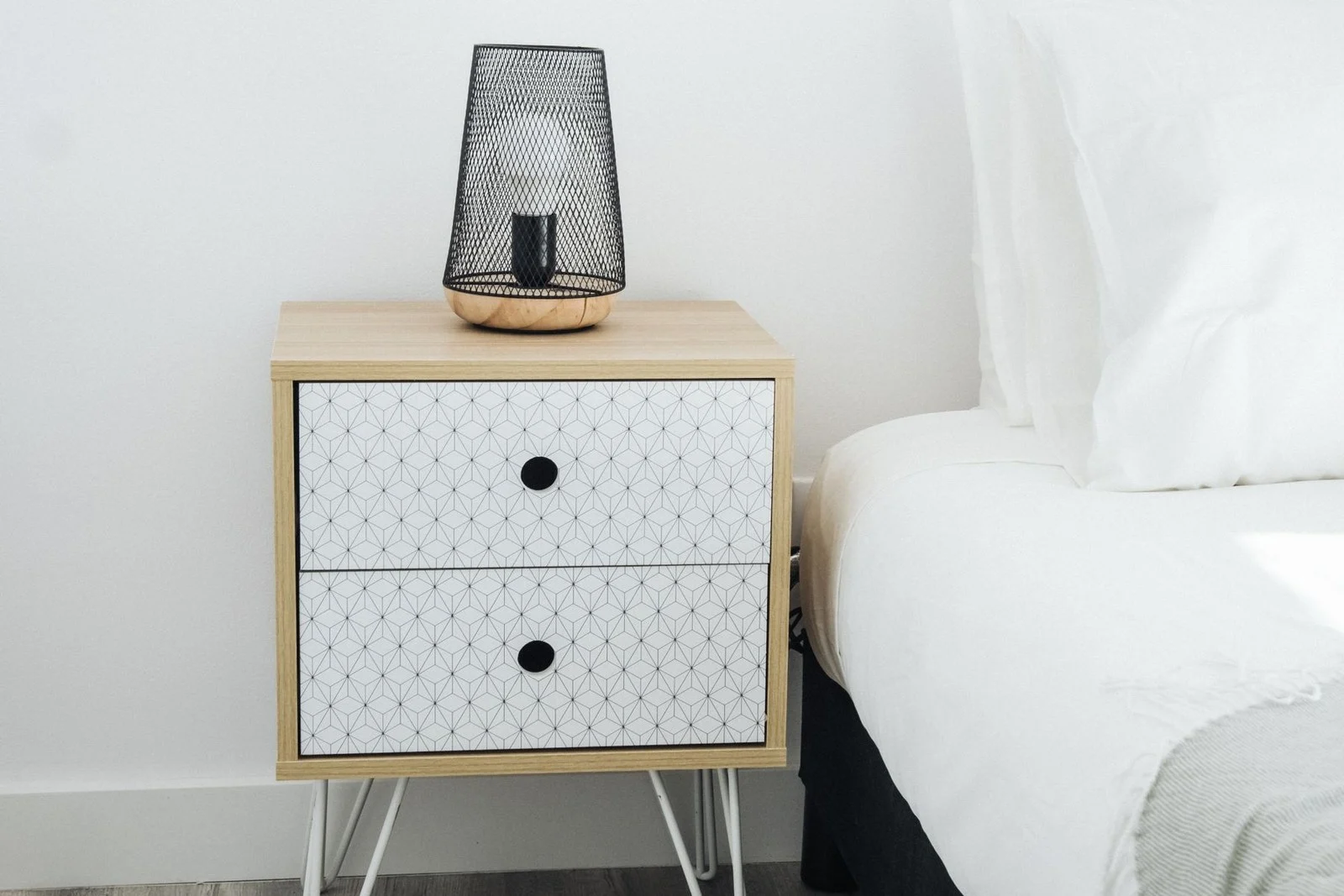
Photo: @jaycee300s-3059779 via Pexels
A bulky nightstand can eat a whole corner, while a slim two-drawer one holds the same night-time essentials in a smaller footprint. Use the top drawer for chargers and medicines, the lower one for a book and spare glasses, and keep the top to a lamp and a glass of water. Legs that let you see floor underneath help the piece look lighter, which matters in a tight room. Measure the width against the gap beside the bed, including the skirting board, and leave a finger’s width on each side so drawers open without scraping the wall.
8. A Double-Hang Rod in the Closet
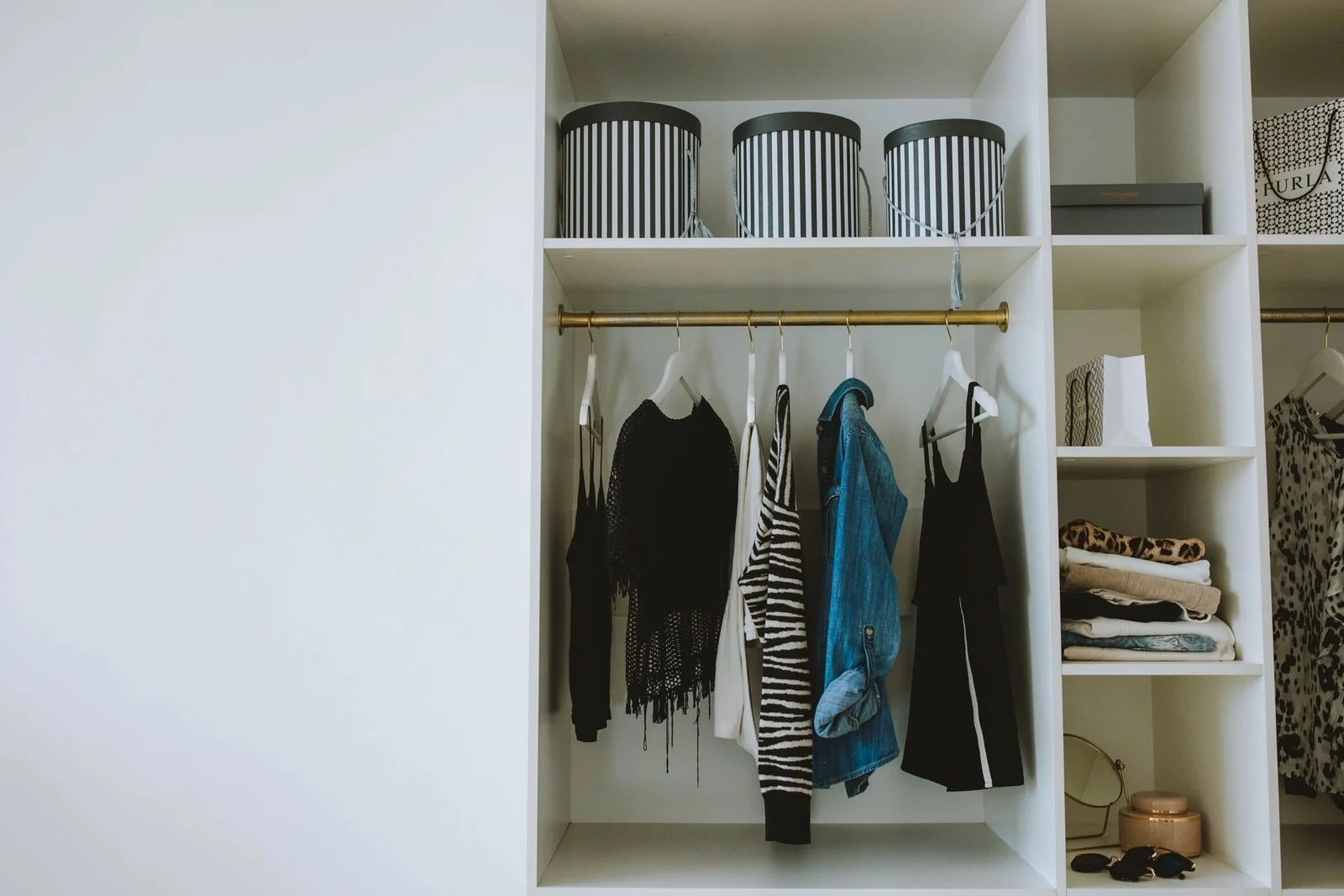
Photo: @anastasia-shuraeva via Pexels
Most closets waste the lower half of their hanging space, because one long rail holds shirts that end halfway down. A second rail, fitted below the first, doubles the hanging room for shirts, trousers, and short dresses, while long coats stay on the single tall section. Use slim, matching hangers, because bulky wooden hangers eat the width you just gained. Keep the floor below it clear for shoes. A tension rod works in a rental, while a fixed rail holds more weight if you own the place.
9. Hanging Shelves and Boxes in the Closet
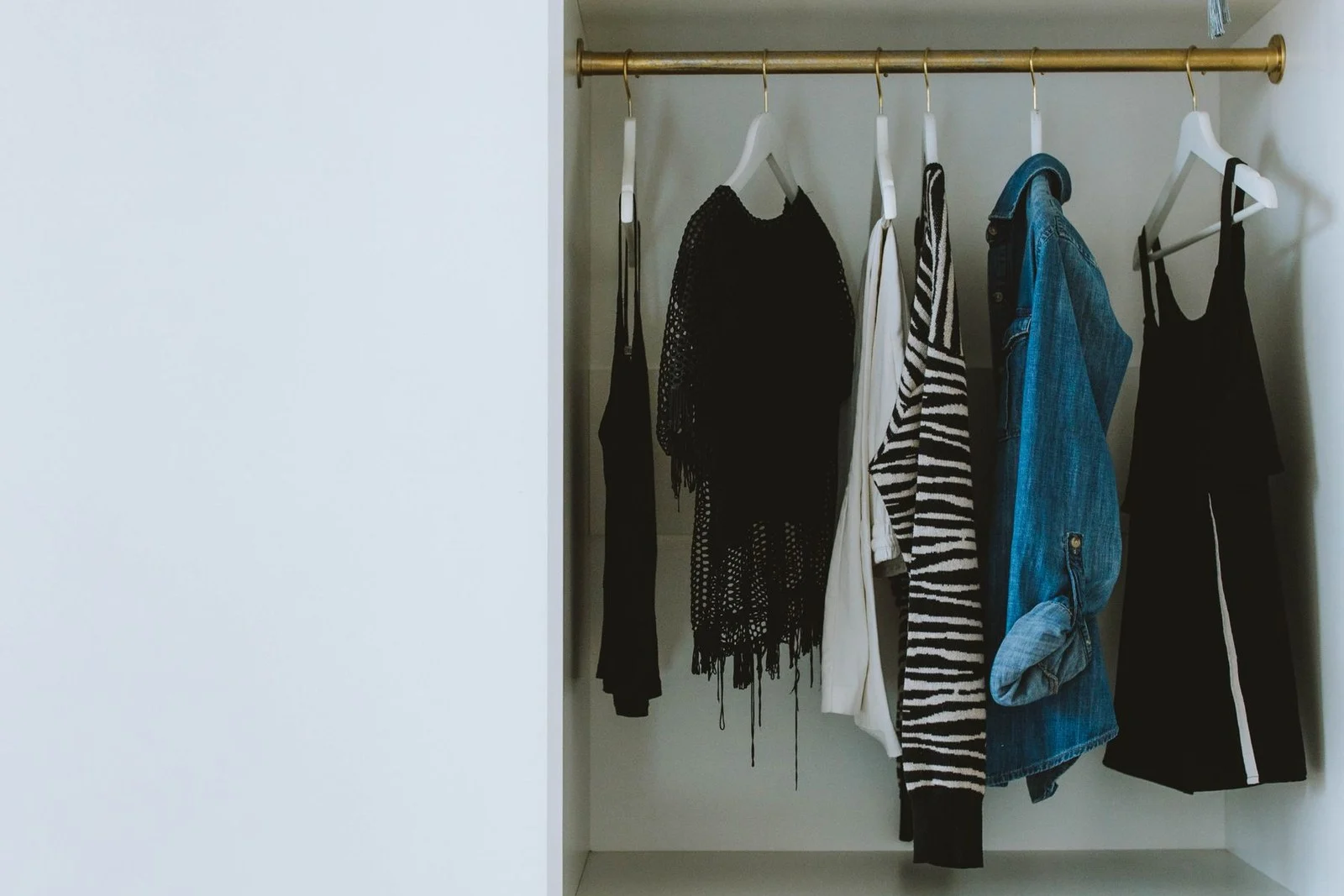
Photo: @anastasia-shuraeva via Pexels
Hanging fabric shelves turn one tall closet space into four or five usable cubbies for folded jumpers, bags, and accessories. They hang from the existing rail, need no drilling, and cost far less than fitted shelving. Pair them with one box per cubby for small things, so folded clothes do not topple when you pull one out. Put daily items at eye level and seasonal items at the top, and do not overload the bottom cubby, because fabric shelves sag.
10. Labelled Baskets in an Open Wardrobe
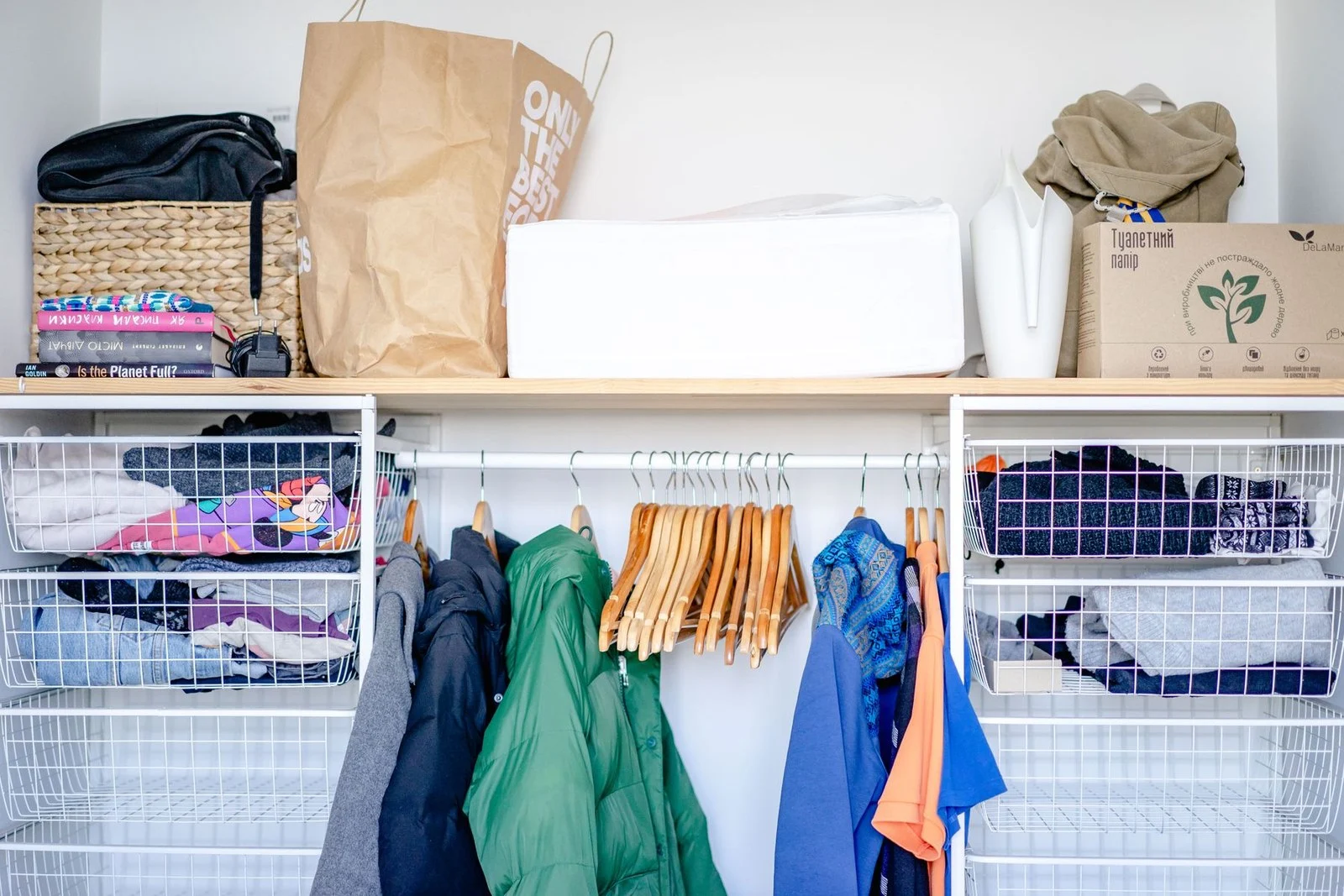
Photo: @freestockpro via Pexels
An open wardrobe looks calm only when the loose things have a container. Matching baskets, one per category, turn open shelves into closed storage that still looks like decor. Label them simply, scarves, gym kit, chargers, so anyone in the house puts things back in the right place. Keep the baskets the same colour and roughly the same size, because a row of random boxes reads as clutter even when everything inside is tidy.
11. A Shoe Rack That Keeps Pairs Together

Photo: @ron-lach via Pexels
Shoes spread across a bedroom floor make the whole room feel smaller, because they sit in the walkway. A narrow rack by the wardrobe, or a low rack under a hanging rail, gives every pair a place and keeps the floor clear. Store daily shoes at the easiest height and the rest higher up, and clean muddy shoes before they go on the rack. If the rack wobbles, fix it to the wall, especially in a room where children or pets pass through.
12. A Storage Ottoman That Hides Soft Things
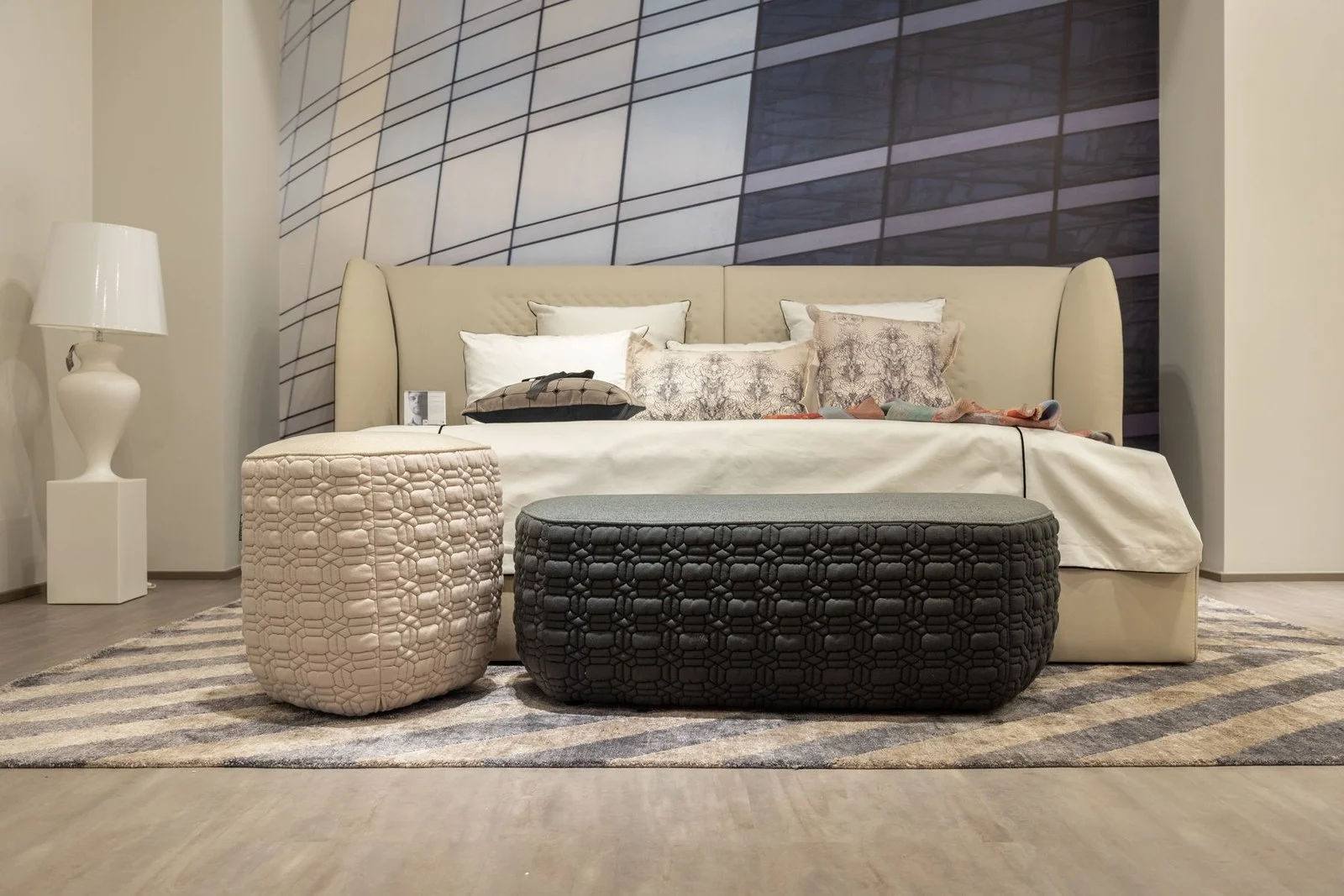
Photo: @artbovich via Pexels
An ottoman with a hollow centre is a footrest, an extra seat, and a cupboard in one piece, which is exactly what a small bedroom needs. Fill it with spare throws, soft toys, or out-of-season cushions, and the sofa, or in this case the bed, stops collecting them. Choose a firm, structured ottoman over a floppy beanbag, because it keeps its shape when it is full and still works as a seat. Keep the lid easy to lift with one hand, or the storage inside will stay untouched.
13. Drawer Dividers for Small Things
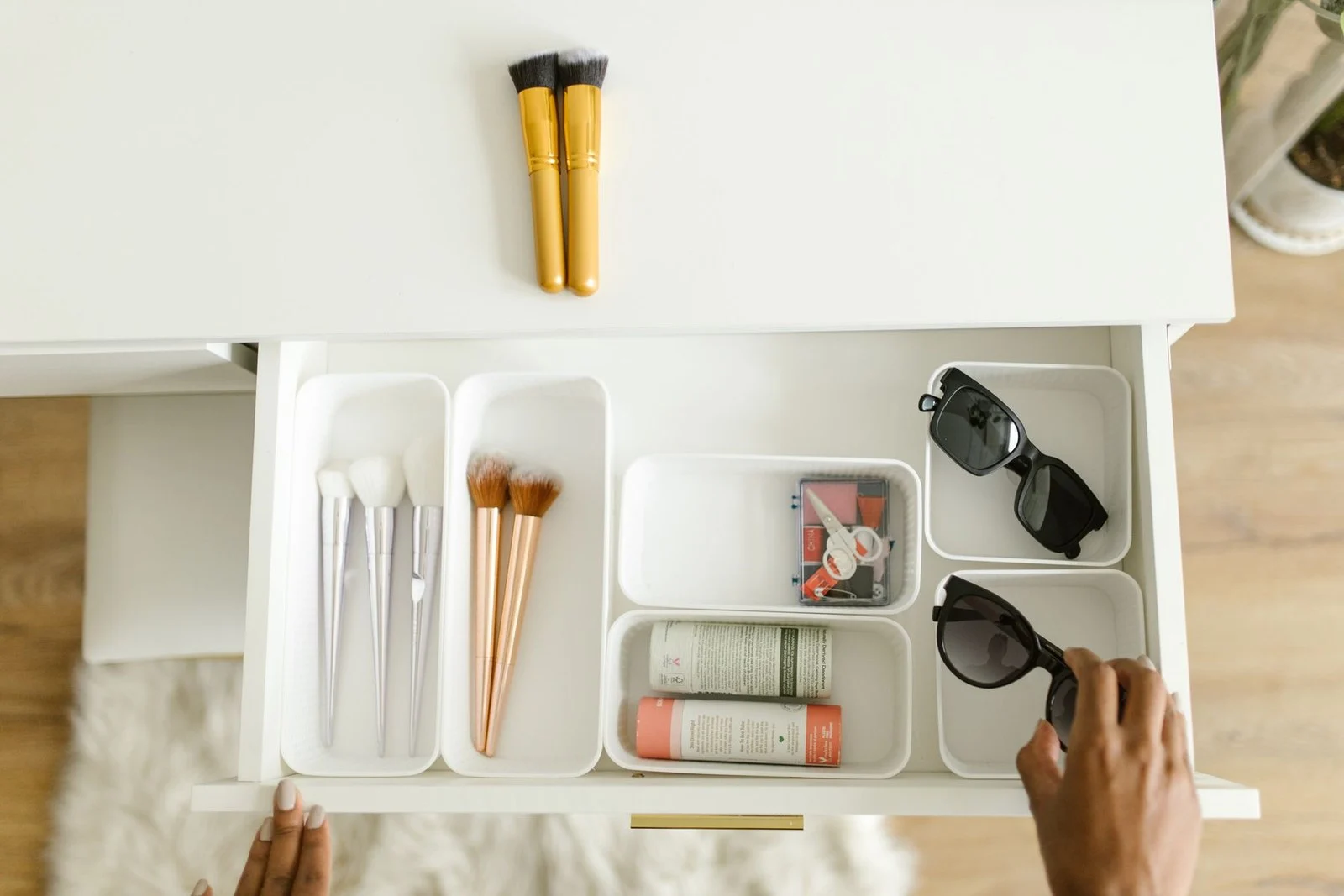
Photo: @rdne via Pexels
A drawer without dividers turns into a jumble within a week, no matter how tidy it starts. Spring-loaded dividers, small boxes, or rolled fabric inserts split one deep drawer into zones for socks, belts, chargers, and small accessories. Measure the drawer first, including its depth, and leave one empty zone for things that arrive later.
14. A Rolling Cart Beside the Bed
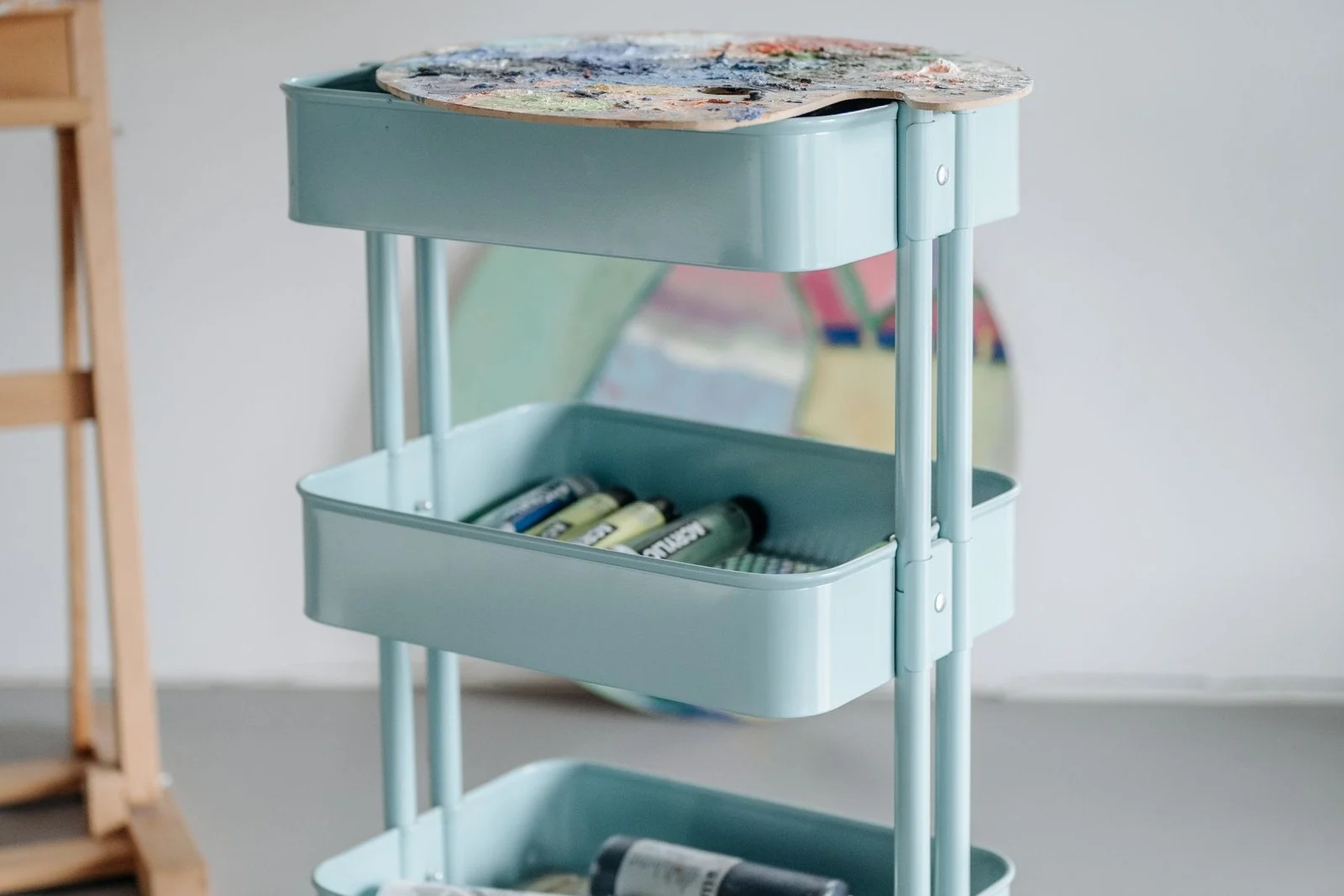
Photo: @pavel-danilyuk via Pexels
A slim rolling cart slides into the gap between the bed and the wall and holds the things that usually end up on the floor: a book, hand cream, a charger, a notebook. When you need it, pull it out; when you do not, it disappears into a gap that was doing nothing. Choose one narrower than the gap, with a lip on each tier so things do not slide off when it moves. Wheels matter more than looks here, because a cart you have to drag will stay wherever it is, and a cart that rolls will actually get used every night.
15. Vacuum Bags for Seasonal Clothes
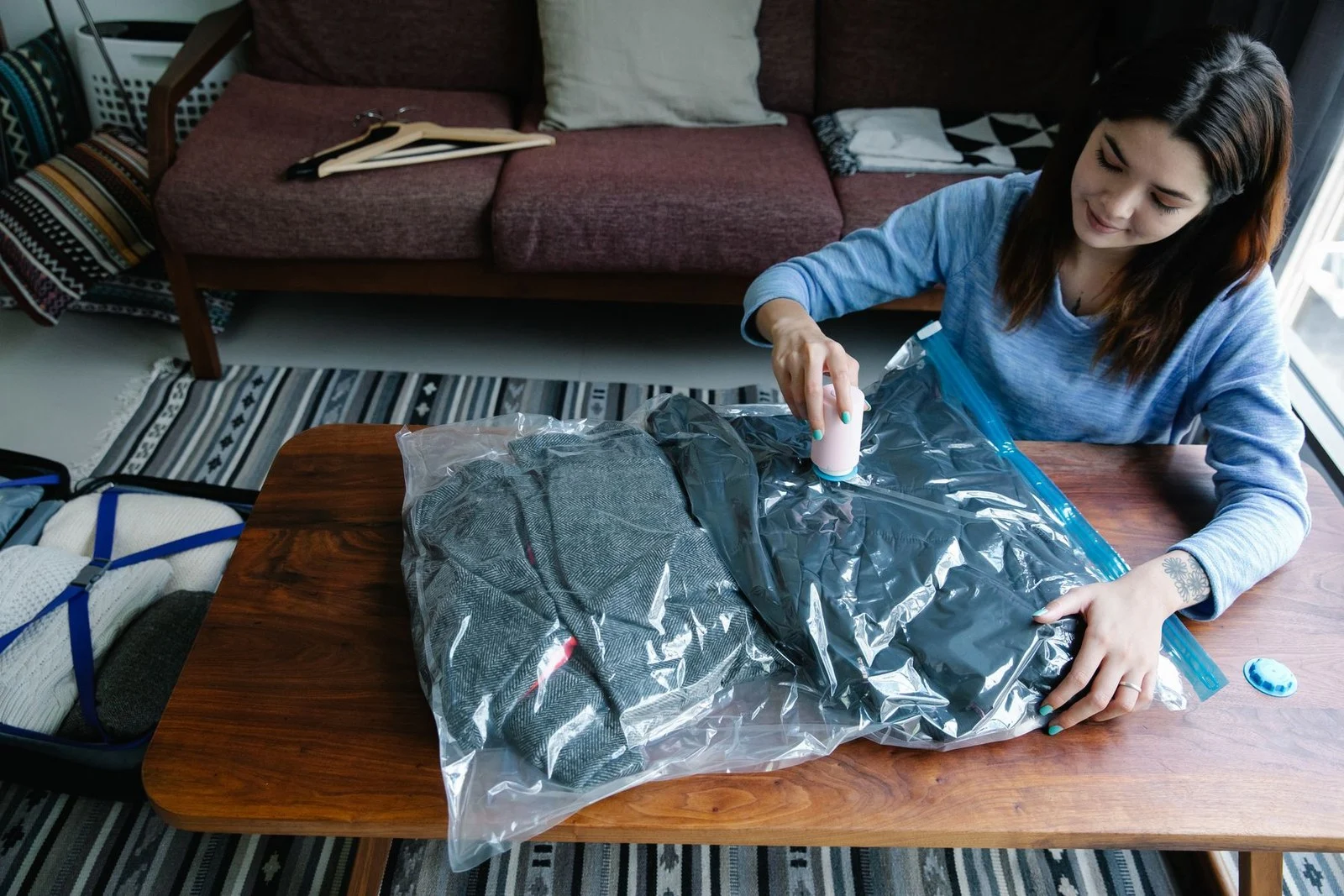
Photo: @timur-weber via Pexels
Bulky winter coats and spare duvets take up a wardrobe by themselves. Vacuum bags shrink them to a flat pack that slides under the bed or onto a high shelf, freeing the wardrobe for clothes you wear now. Wash and fully dry everything before sealing, because trapped damp smells worse after months in a bag than it did in a drawer. Label each bag with its contents and the season, and do not overfill it, because an overfull bag leaks air and puffs back up.
16. Corner Shelves for Dead Corners
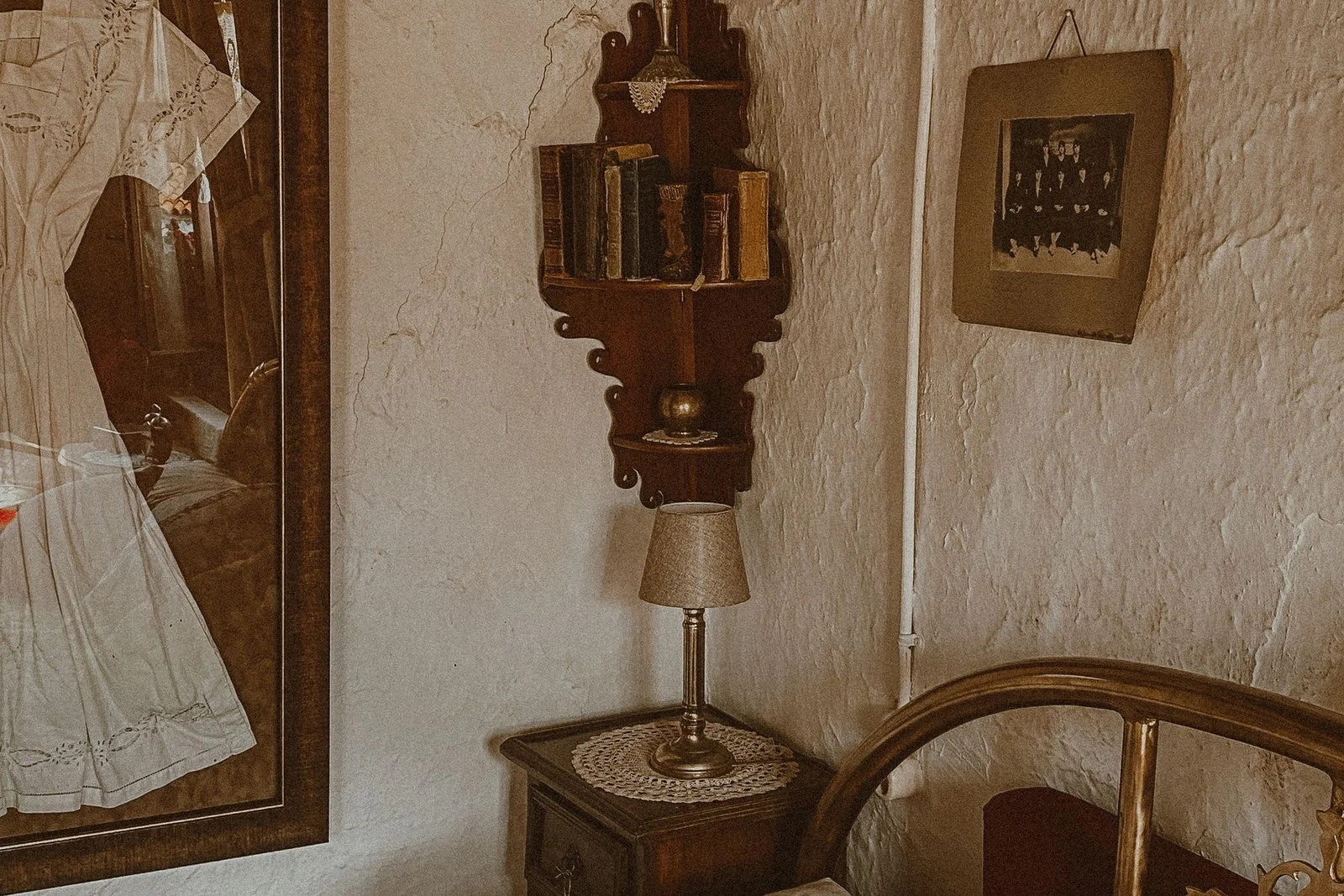
Photo: @seymanur-kucukcelik-84748161 via Pexels
Every small bedroom has a corner that nothing fits into, usually beside the bed or next to a door frame. A corner shelf unit turns that dead space into storage for books, a small plant, and a basket, without blocking a walkway. Because corner shelves follow both walls, they feel built-in even when they are freestanding, and they draw the eye upward, which makes the room feel taller. Fix a tall unit to the wall so it cannot tip, and keep the top shelf for light things only, so nothing heavy sits above head height.
17. Wall Hooks for Bags and Robes

Photo: @rachel-claire via Pexels
Hooks are the cheapest storage a bedroom can buy, and they solve the daily pile: the bag, the robe, the jacket you will wear again tomorrow. Put two or three hooks by the door, each with one job, so a single hook does not become a mound. Use fixings rated for the weight, because a hook that pulls out of plasterboard leaves a hole and a pile on the floor. For a fuller plan before you buy, Castlery’s guide to organizing a small bedroom covers the same measure-first, double-duty approach.
18. A Mirrored Dressing Table With Drawers
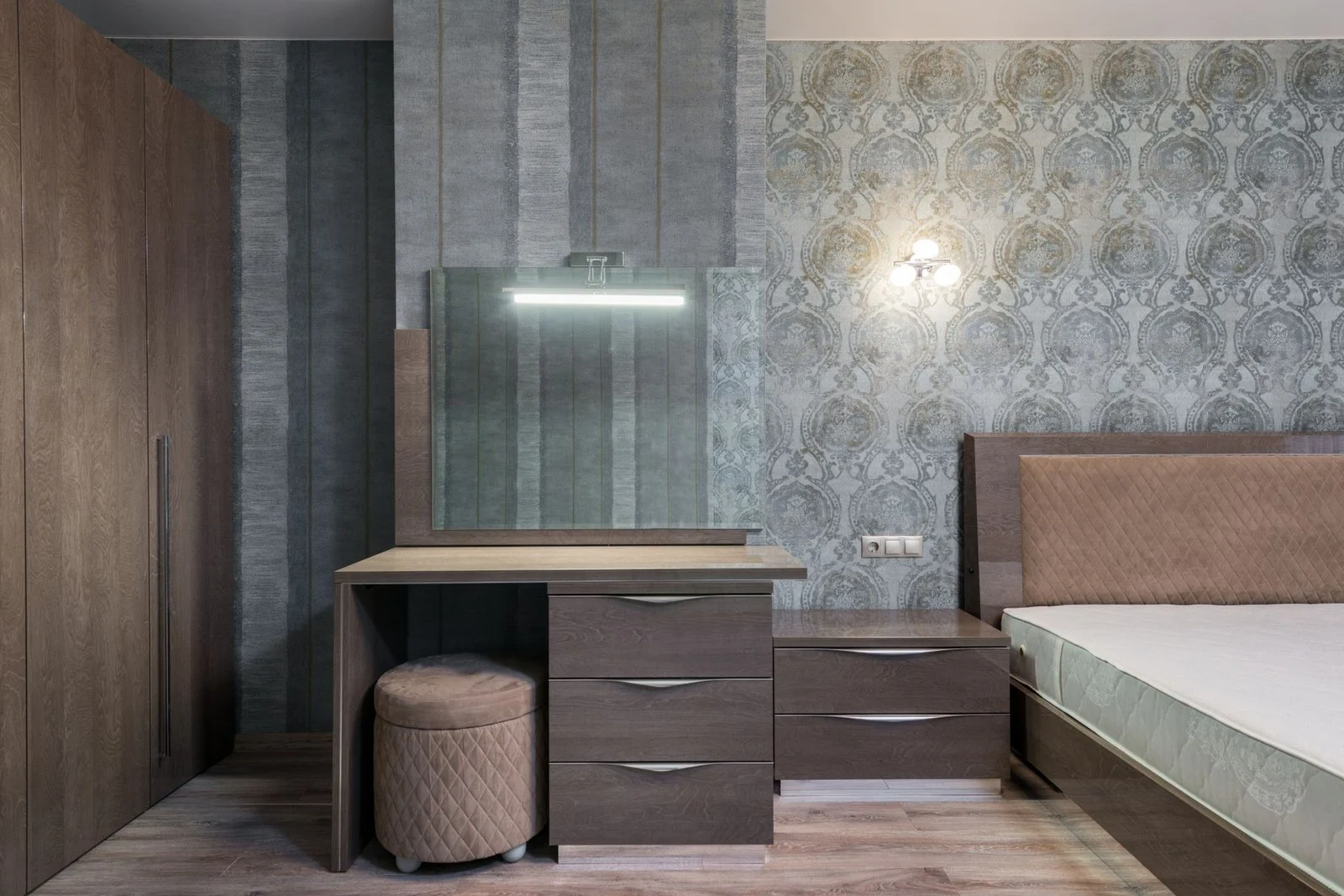
Photo: @artbovich via Pexels
A dressing table with a mirror and drawers does two jobs that usually need two pieces of furniture: a place to get ready and a place to store the things you use to do it. Keep makeup, jewellery, and hair tools in the drawers, and the top clear except for the mirror and one small tray. The mirror also bounces light around a small room, which helps it feel larger. Put the table near a window if you can, because daylight beats any bulb for getting ready, and keep the chair tucked fully underneath when you are done, so the walkway stays clear.
19. A Tall Wardrobe That Reaches the Ceiling
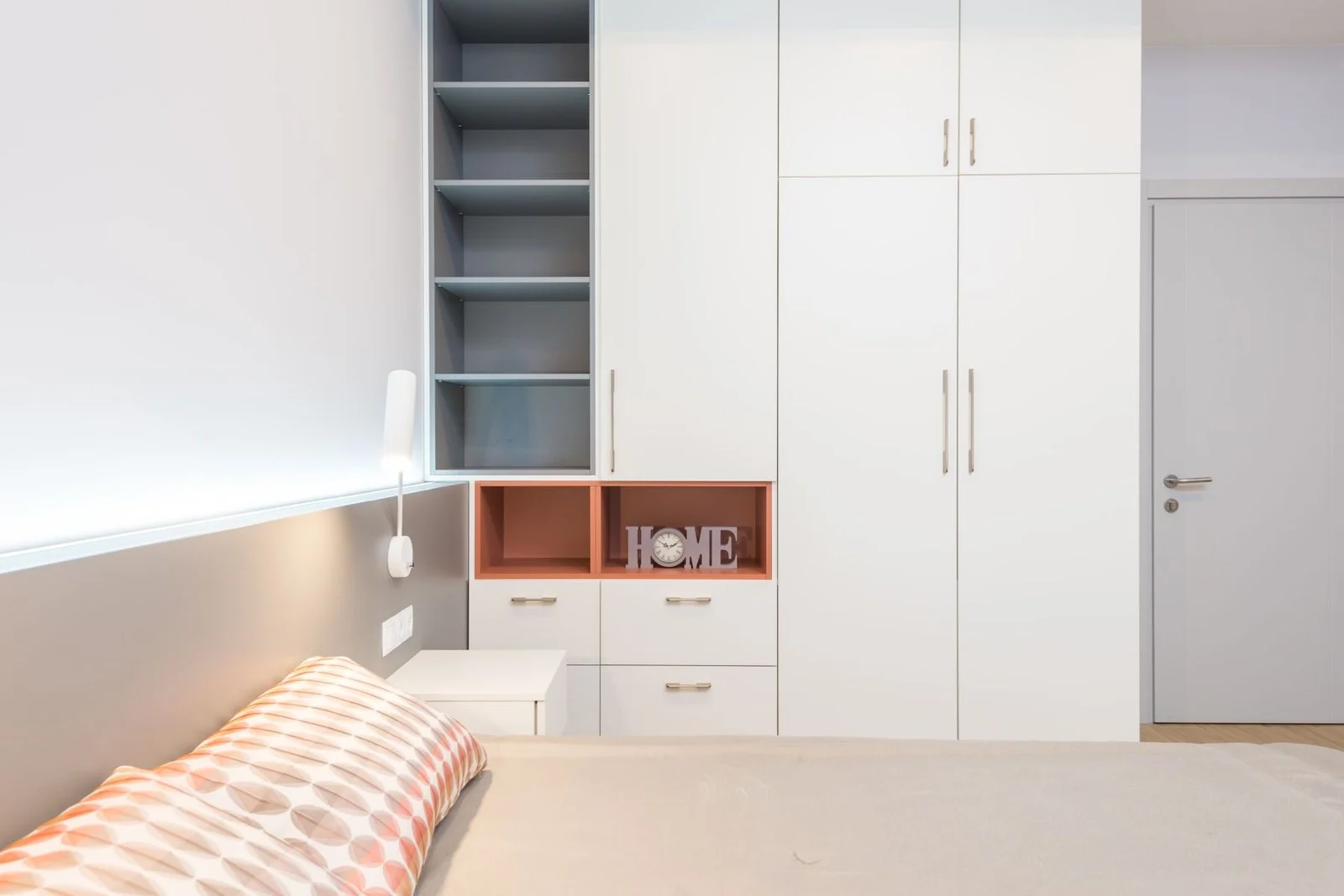
Photo: @artbovich via Pexels
Floor space is fixed, but height is not. A tall wardrobe that runs close to the ceiling gives you a top zone for seasonal boxes and a main zone for daily clothes, in the same footprint as a short wardrobe. Put a small step stool nearby if the top shelf is out of reach, and keep the top boxes light, because lifting a heavy box overhead is awkward and risky. Our guide on how to arrange a small living room for maximum space uses the same build-up logic for tight rooms.
20. A Slim Gap Cart for the Last Narrow Space
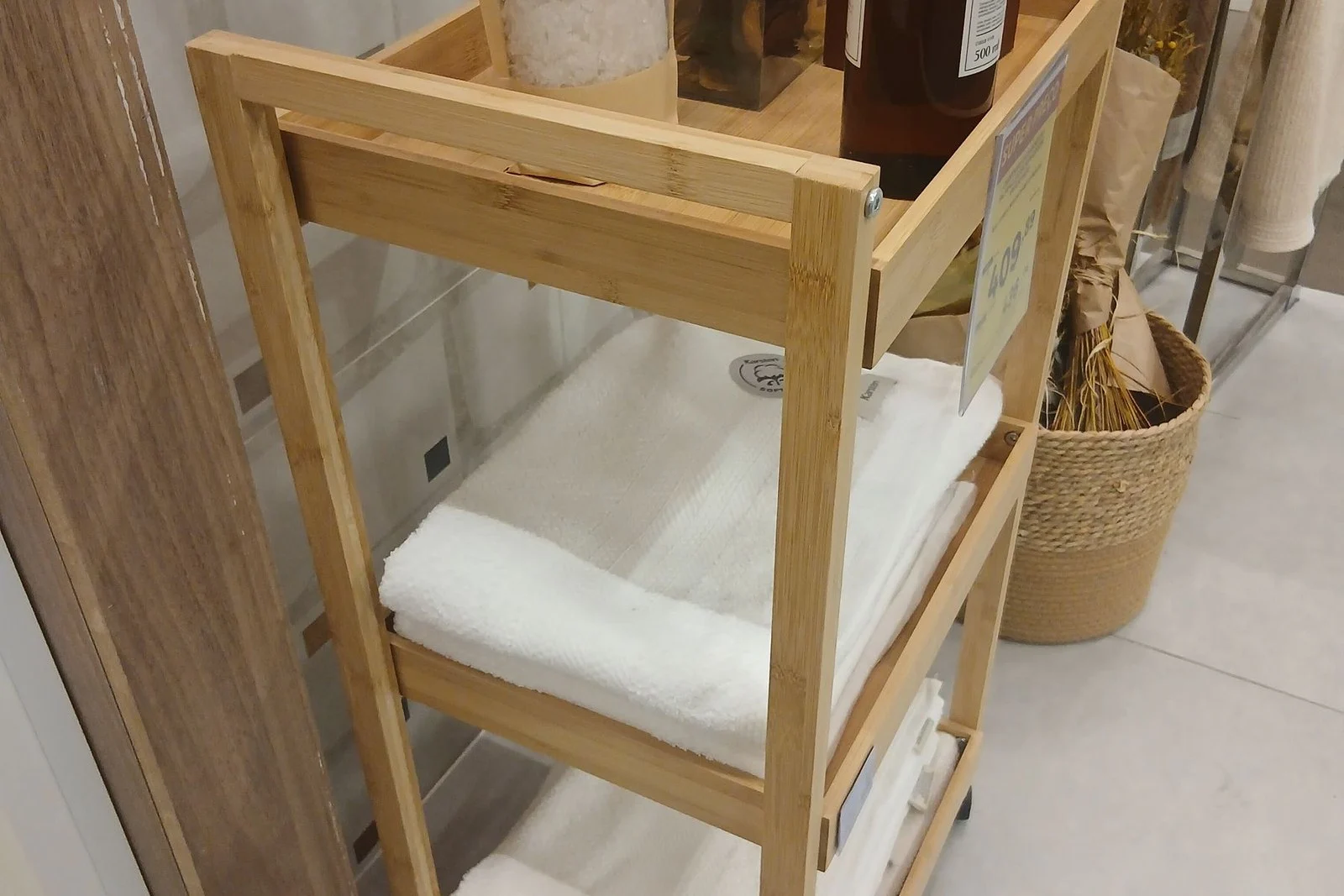
Photo: @jose-canisio-1182416335 via Pexels
The gap between a wardrobe and a wall, or between the bed and a door frame, is often just wide enough for a slim cart and nothing else. A cart that narrow, with two or three tiers, holds spare towels, cleaning supplies, or the things that never had a home, and it rolls out when you need them. Measure the gap at the floor and at the top, because skirting boards and uneven walls can make a gap narrower than it looks. For more hidden-storage ideas in the same spirit, see our small living room storage ideas that hide clutter.
Frequently Asked Questions
What is the best first storage buy for a small bedroom?
Usually under-bed bins or a second closet rail, because both add a lot of capacity without taking floor space or needing a big purchase. Pick the one that matches your biggest pile: bedding goes under the bed, clothes go on the second rail.
How do I stop storage from making the room look crowded?
Hide the bulky and ugly things behind doors, inside ottomans, and in matching baskets, and leave a few pretty things on display. Matching containers matter: identical baskets look intentional, while random boxes look like a move in progress.
Can renters use these ideas without drilling?
Yes, many of them need no drilling at all: rolling bins, hanging closet shelves, tension rods, freestanding carts, baskets, and vacuum bags all work in a rental. For shelves and hooks, check your lease and use the fixings your landlord allows.
How often should I re-sort small bedroom storage?
A quick seasonal sort, four times a year, is enough for most rooms. Swap seasonal clothes, and move anything unused for six months to a donate box.
Start with the bed, because under it and inside it hide the most space. Then go up the walls, into the closet, and finally into the gaps between furniture. Measure each space before you buy, give every category one container, and leave a little empty room on purpose. A small bedroom stored this way does not just hold more. It feels easier to live in, and that is the point of every inch you just found.

One Response