


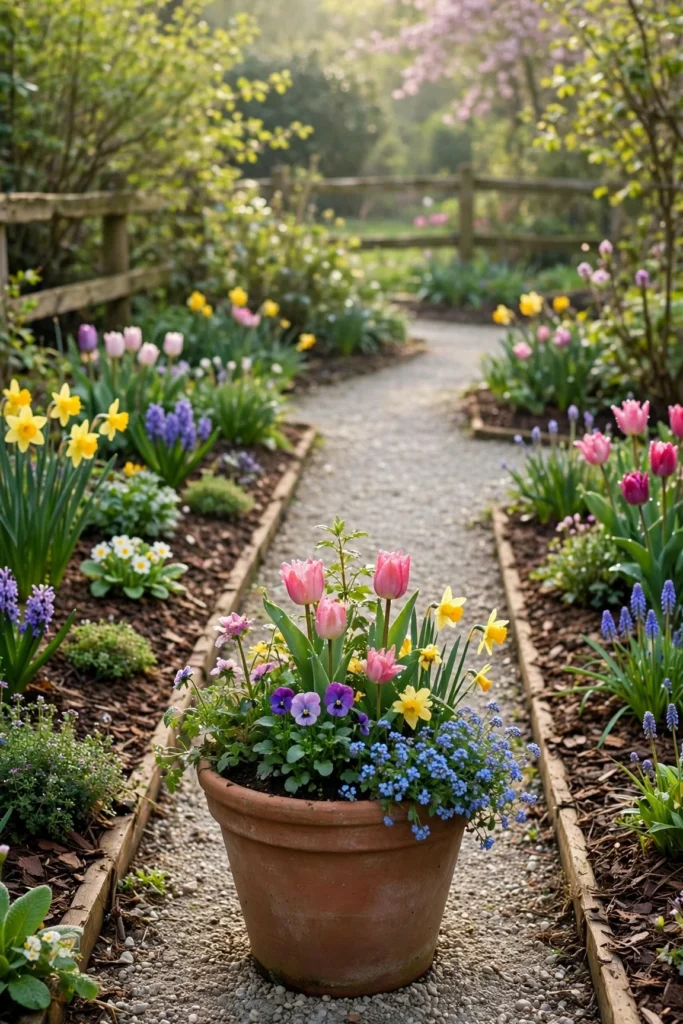
After a long winter, most gardens do not need a redesign. They need a clear-out, a bit of care, and a few smart choices about where the money goes. A spring garden refresh is exactly that: not a full makeover, but a plan that makes the space feel alive again without draining your wallet. The twelve steps below walk you through the whole job in order, from the first walk-around to the last plant in the ground, with honest costs and the places where spending a little actually saves you money later. Work through them over a few weekends, and by the time the weather turns properly warm, your garden will look like someone has been paying attention to it.
1. Walk the Garden and Take Honest Stock
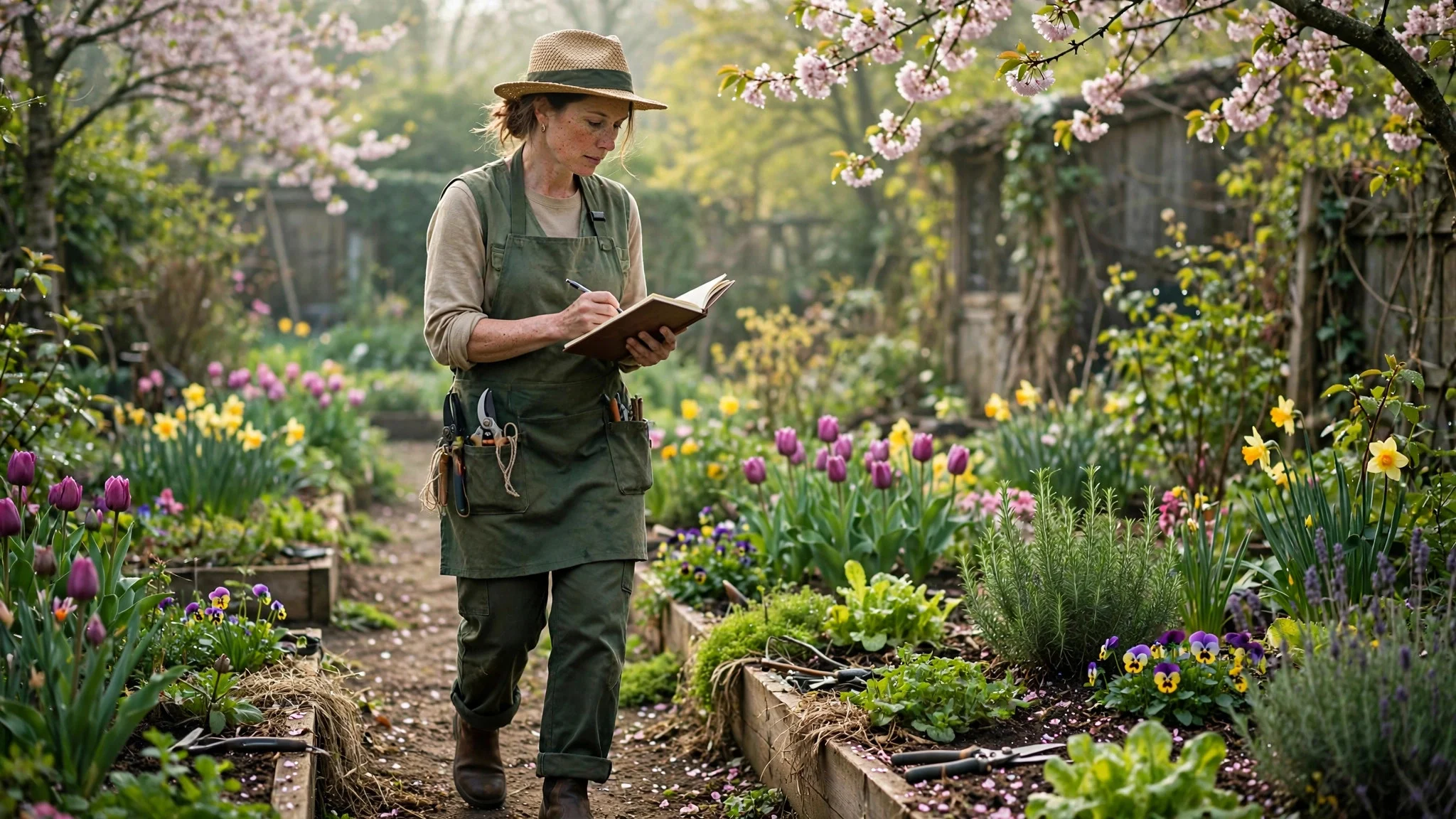
Before you spend a single dollar, walk every part of the garden with a notebook and a cup of coffee. Note what survived winter, what looks dead but might just be dormant, and what you genuinely dislike looking at. Photograph each bed from the same angle, because photos reveal patterns your eyes skip over, like a bed that is all one height or a corner that is always in shade. This walk takes twenty minutes and saves you from the classic mistake of buying plants for a problem you have not diagnosed yet. I once bought six roses for a bed that turned out to get only two hours of sun, and the walk would have told me that for free.
2. Set a Real Spring Garden Refresh Budget and Split It in Three
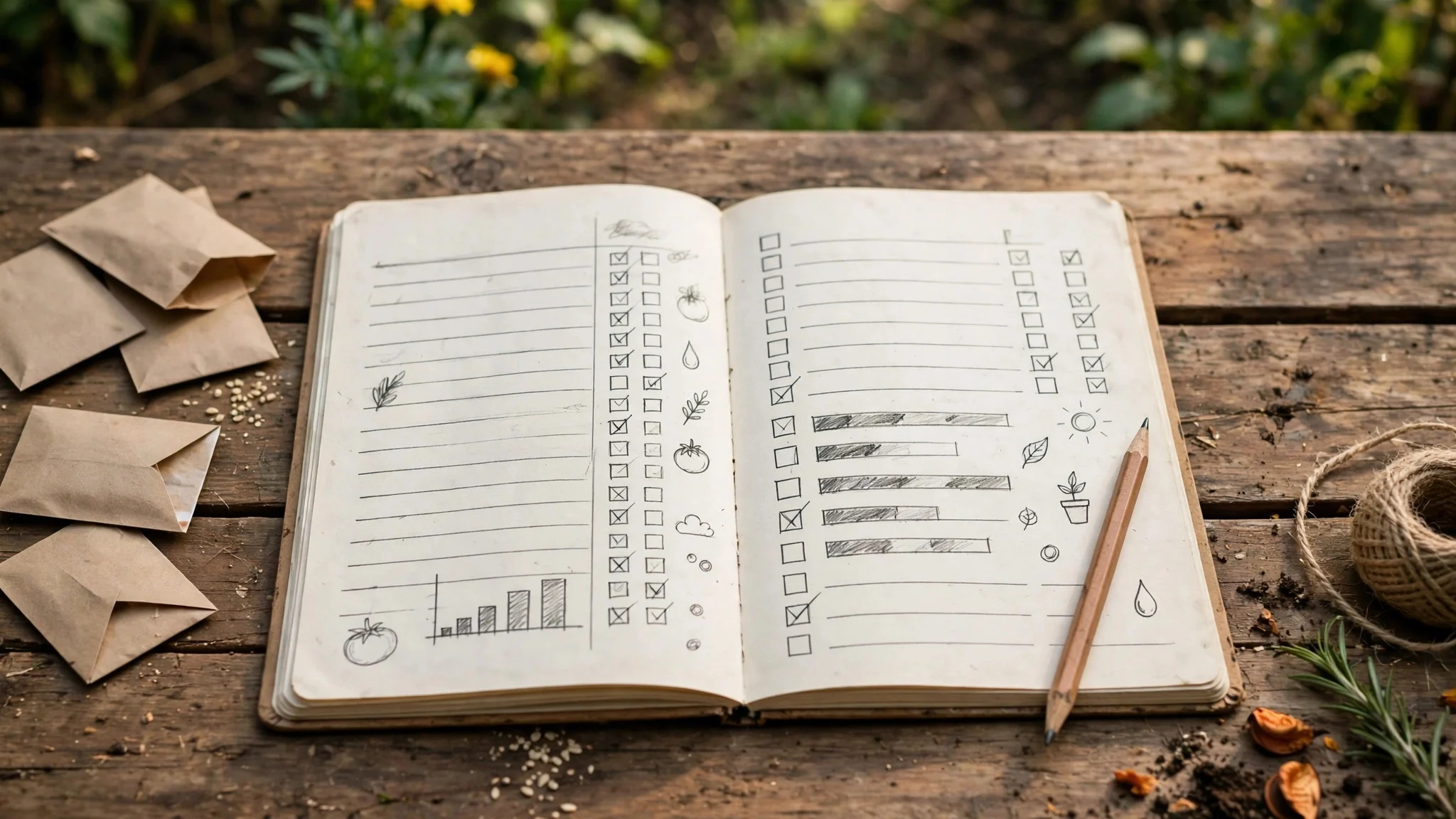
Decide your total number before you visit a garden center, then split it into three rough pots: roughly half for plants, a quarter for soil and mulch, and a quarter for tools, pots, or repairs. Writing the split down matters, because garden centers are designed to make you blow the whole budget on the first beautiful thing you see. If your total is modest, say fifty dollars, that still buys a bag of compost, a few seed packets, and a flat of bedding plants. The point is not the size of the budget. It is that every purchase has a job, and impulse buys have to wait for a second trip.
3. Clear Debris Before You Buy Anything
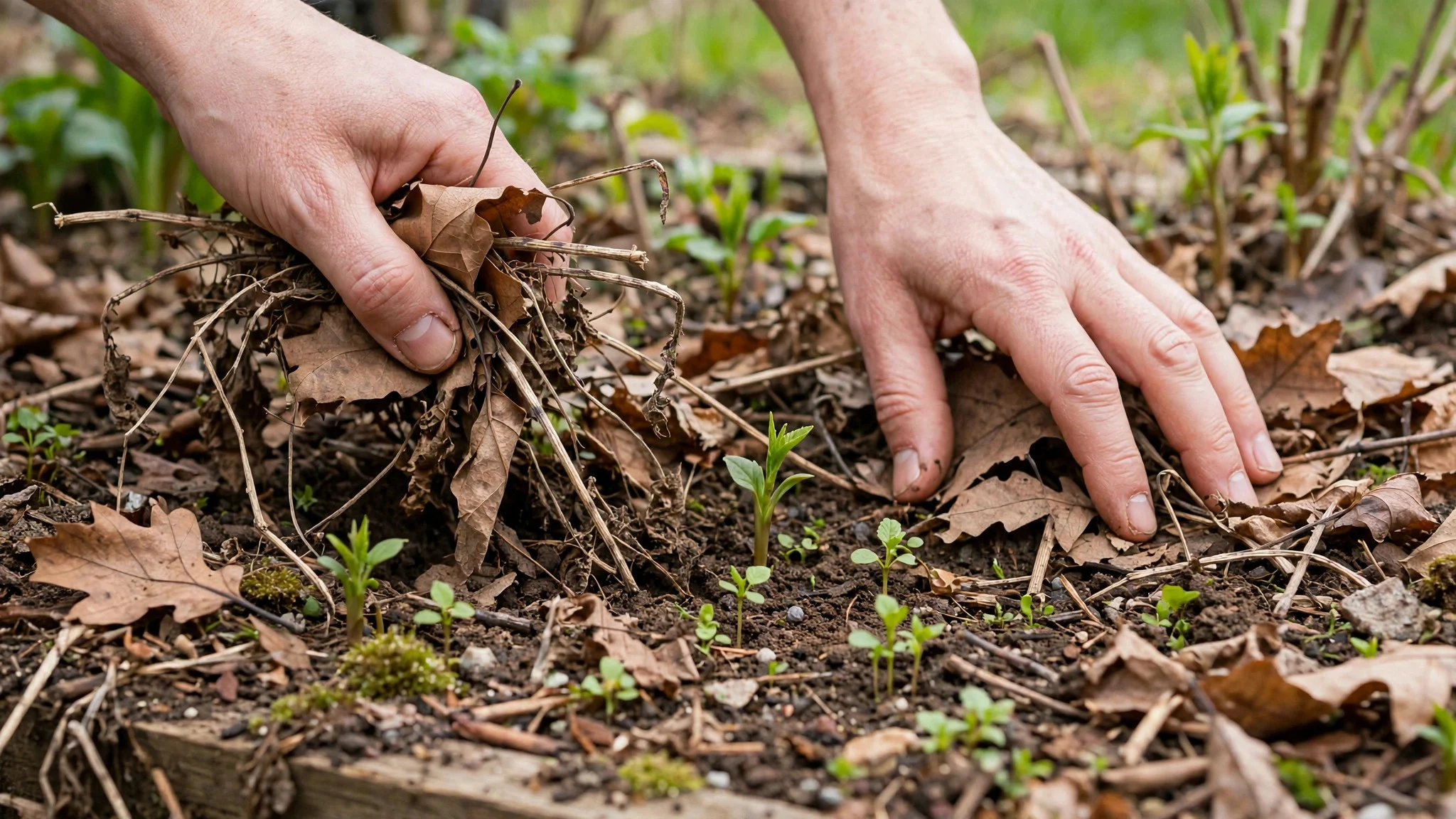
Clearing is free, and it changes a garden more than most purchases do. Rake out dead leaves, cut back last year’s perennial stems to the base, and pull out anything that is clearly dead. Work bed by bed, and compost what you can. Once the debris is gone, you will see the actual shape of your beds, the gaps that need filling, and the plants that are already coming back on their own. Many gardeners discover they need far fewer new plants than they assumed, because perennials they had written off are already pushing up green shoots under the mess.
4. Prune, Edge, and Define the Beds
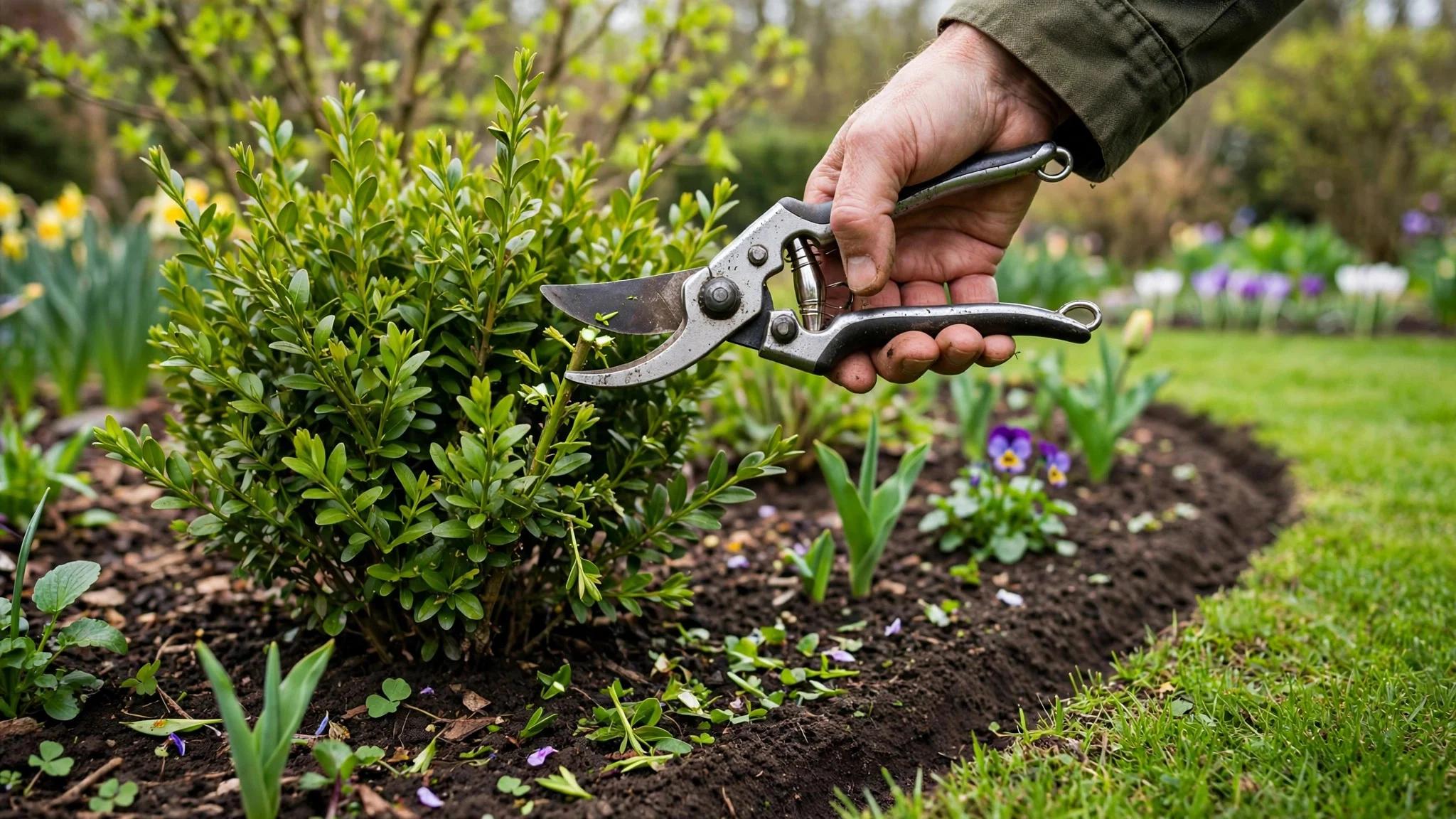
A crisp edge is the cheapest visual upgrade a garden can get. Cut a clean line along each bed with a half-moon edger or a sharp spade, and pull the turf back so soil and lawn are clearly separated. Then prune: remove dead wood, crossing branches, and anything damaged by winter, cutting just above an outward-facing bud. Shrubs often look dramatically better after twenty minutes of pruning, because light and air get back into the middle of the plant. This step costs nothing but time, and it makes everything you do afterwards look deliberate. For a coordinated look across the whole outdoor space, our spring decor ideas to freshen every room cover how the inside and outside of your home can echo each other.
5. Feed the Soil Instead of Replacing It
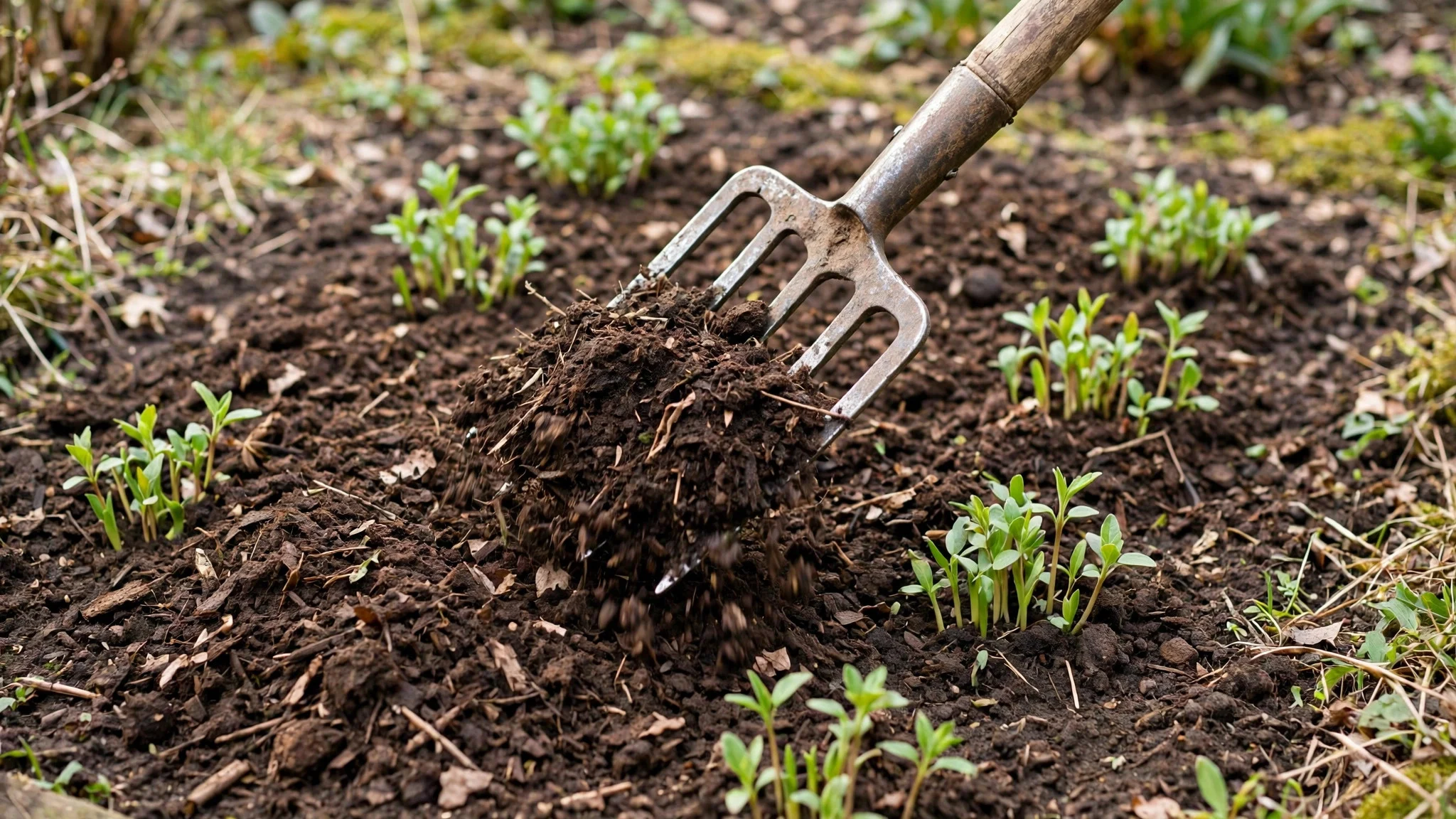
New plants in tired soil will struggle no matter how much you paid for them, so spend part of your budget on compost rather than more plants. A bag or two of well-rotted compost, forked lightly into the top few inches of each bed, feeds the soil life that actually feeds your plants. If money is tight, check whether your local council gives away compost, or start a simple heap now for next year. Skip the expensive bagged “miracle” soils. Plain compost, applied generously, does more for a spring garden than any branded mix I have tried, and it costs a fraction of the price.
6. Divide and Swap Plants You Already Own
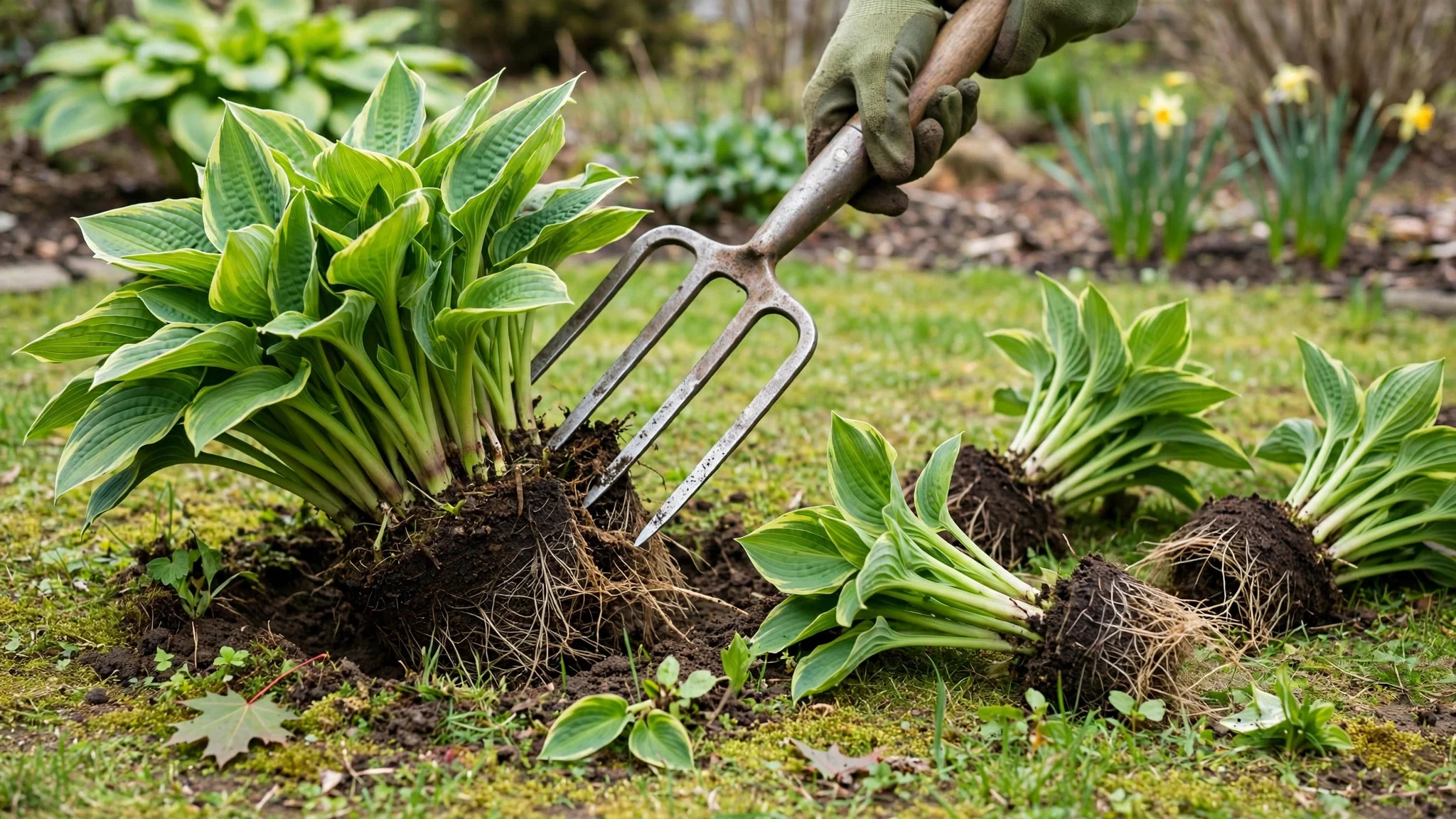
Division is the gardener’s version of free shopping. Perennials like hostas, daylilies, and ornamental grasses grow into clumps that can be split with a fork or spade, giving you three or four plants from one. Lift the clump, divide it into sections with roots attached, and replant immediately, watering well. If you have extras, offer them to neighbors or local gardening groups, where swaps are common and free. One afternoon of dividing can fill a whole empty bed without a single purchase, and the original plants usually grow back stronger for having been thinned out.
7. Grow from Seed Where It Makes Sense
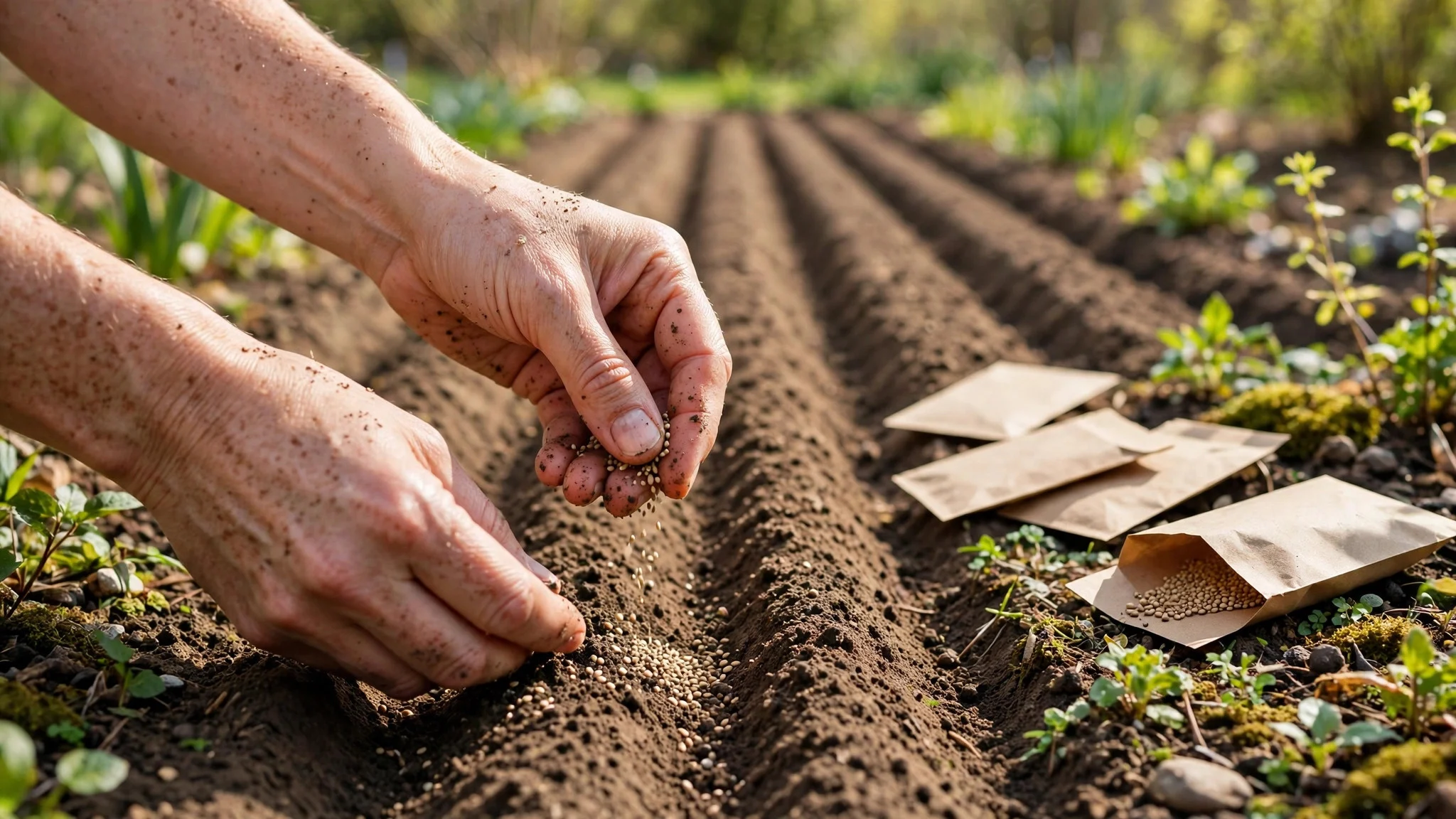
Seeds are the single best value in gardening. A packet costing a couple of dollars can produce dozens of plants, and direct-sown annuals like nasturtiums, cosmos, and sweet peas grow fast enough to fill gaps within weeks. Start a few trays indoors on a windowsill for plants that need a head start, like tomatoes or zinnias, using saved yogurt pots instead of buying trays. Not everything should be grown from seed, a slow-growing shrub is worth buying as a plant, but for a spring refresh, seeds cover the colorful filler that would otherwise eat half your budget. If you are also refreshing containers near the house, our pastel spring decor ideas that feel modern pair well with soft-colored blooms like cosmos and sweet peas.
8. Mulch for an Instant Finished Look
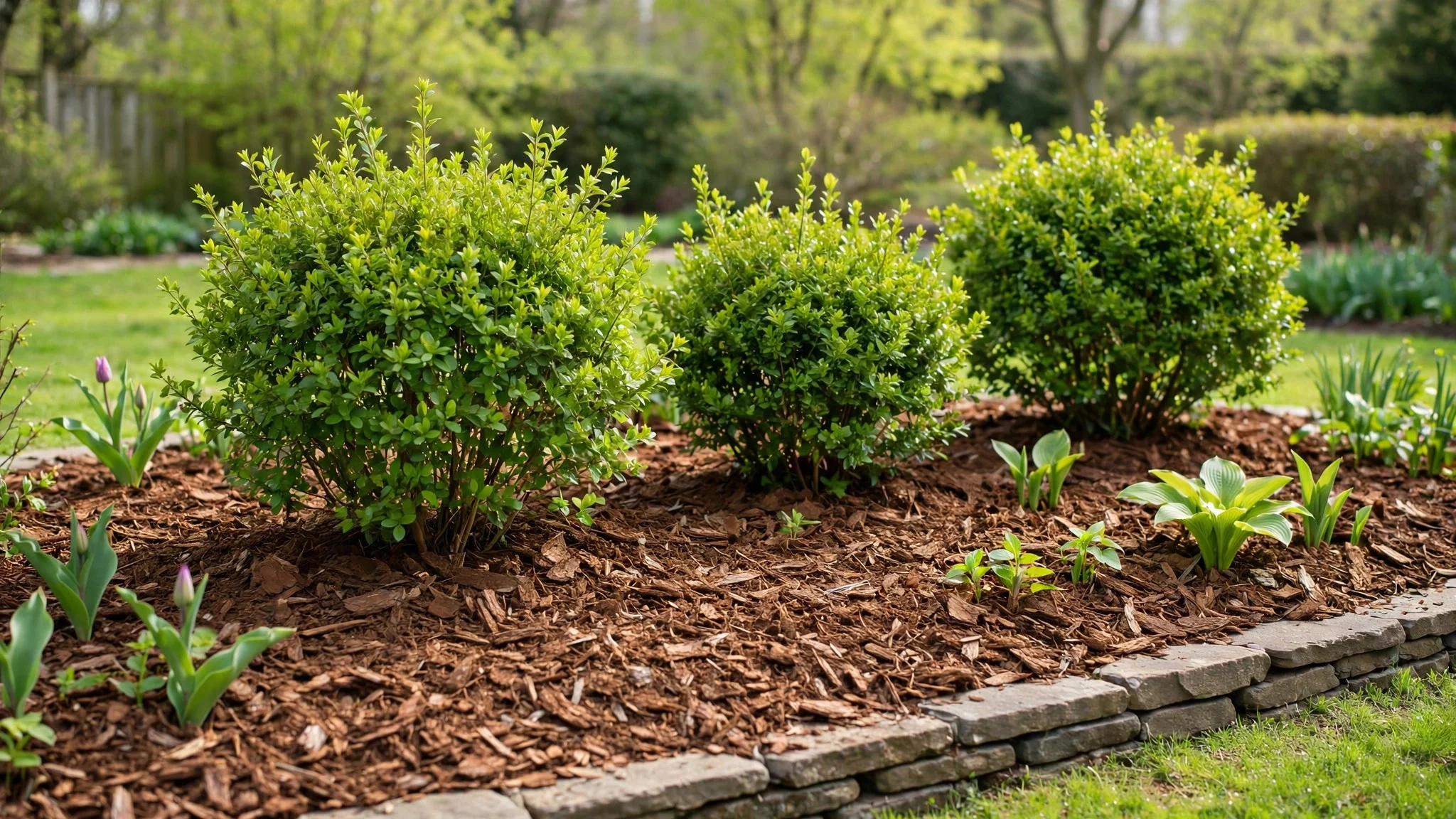
If you only do one thing that costs money, make it mulch. A two-to-three-inch layer of bark, wood chip, or even shredded leaves suppresses weeds, holds moisture, and makes beds look finished the moment you step back. It also saves money all summer, because you water less and weed less. Keep mulch a few inches away from plant stems and tree trunks to avoid rot, and do not pile it into volcano shapes around trees. A single bulk bag from a local supplier is usually far cheaper per volume than small bags from a garden center, and many tree services give away wood chip for free.
9. Refresh Paths and Borders for Pennies
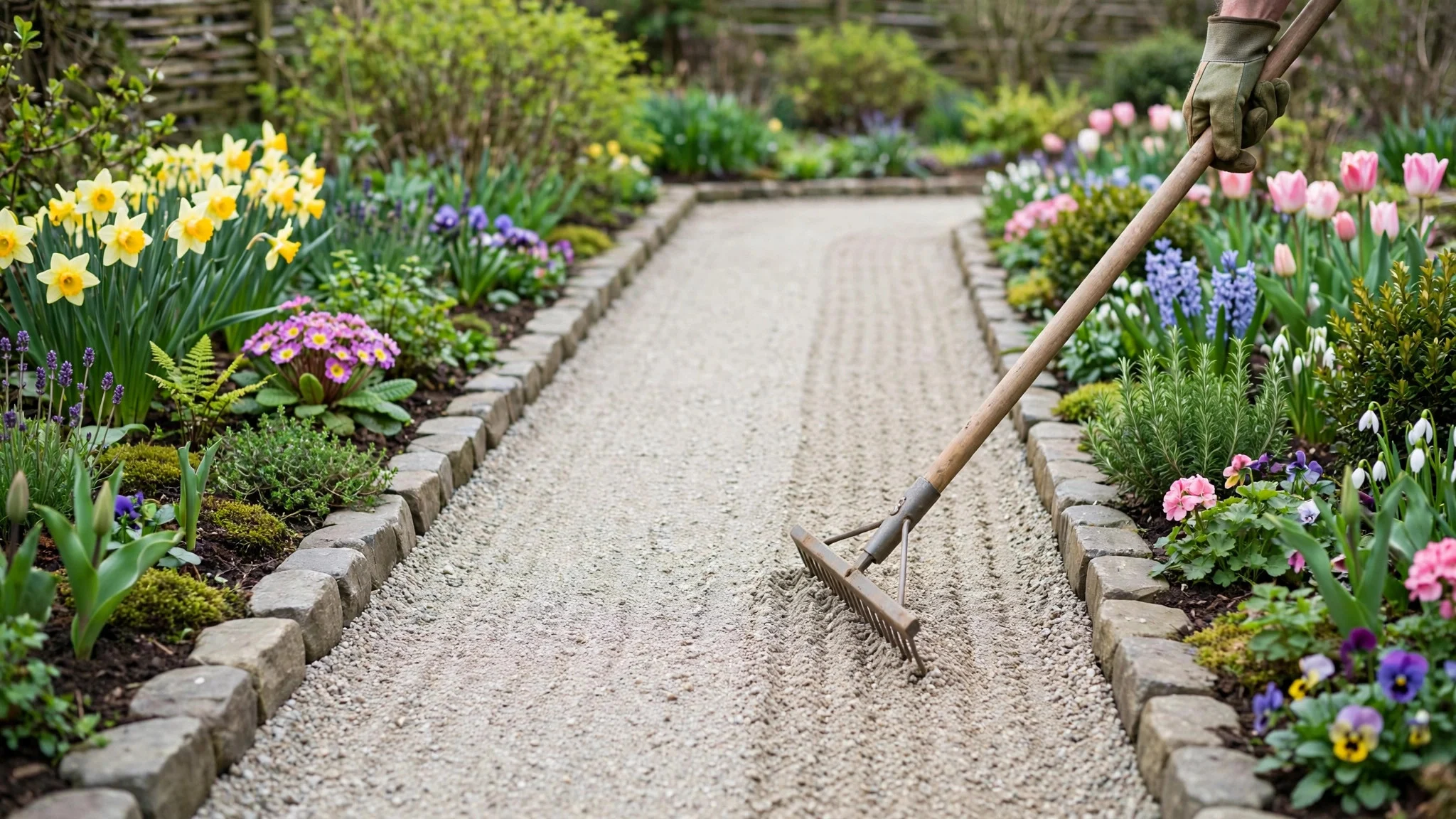
Paths and borders frame everything else, and they usually just need attention rather than replacement. Sweep paths, pull weeds from cracks, and top up gravel where it has thinned. A pressure washer, borrowed if you do not own one, transforms a grimy patio in an afternoon. For borders, a row of inexpensive edging stones, or even bricks salvaged from a local marketplace listing, gives beds a finished edge that makes the planting inside look more intentional. I refreshed my whole front path last spring for the cost of two bags of gravel and a borrowed washer, and neighbors asked if I had hired someone.
10. Add One Focal Point, Not Ten
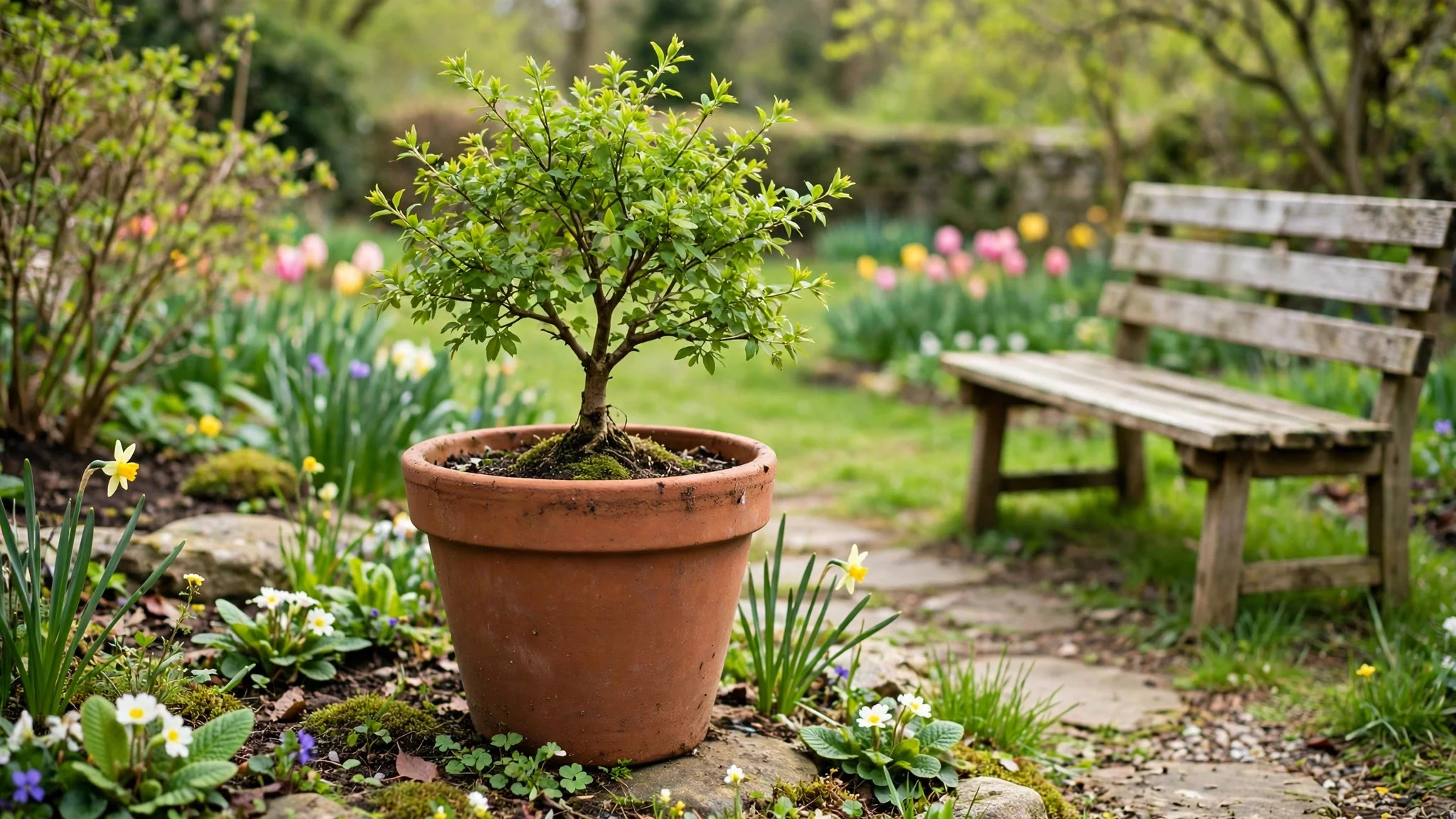
A garden without a focal point feels like a collection of plants rather than a place, but ten focal points feel like a yard sale. Choose one: a large terracotta pot with a small tree, a simple birdbath, a bench in a sunny corner, or a single striking shrub. Spend the largest single chunk of your plant budget here if needed, because this is the thing your eye lands on. Everything else can be modest filler, and the garden will still feel designed. Place it where you actually see it, from the kitchen window or the back door, not tucked in a corner you never visit.
11. Water Smarter, Not More Often
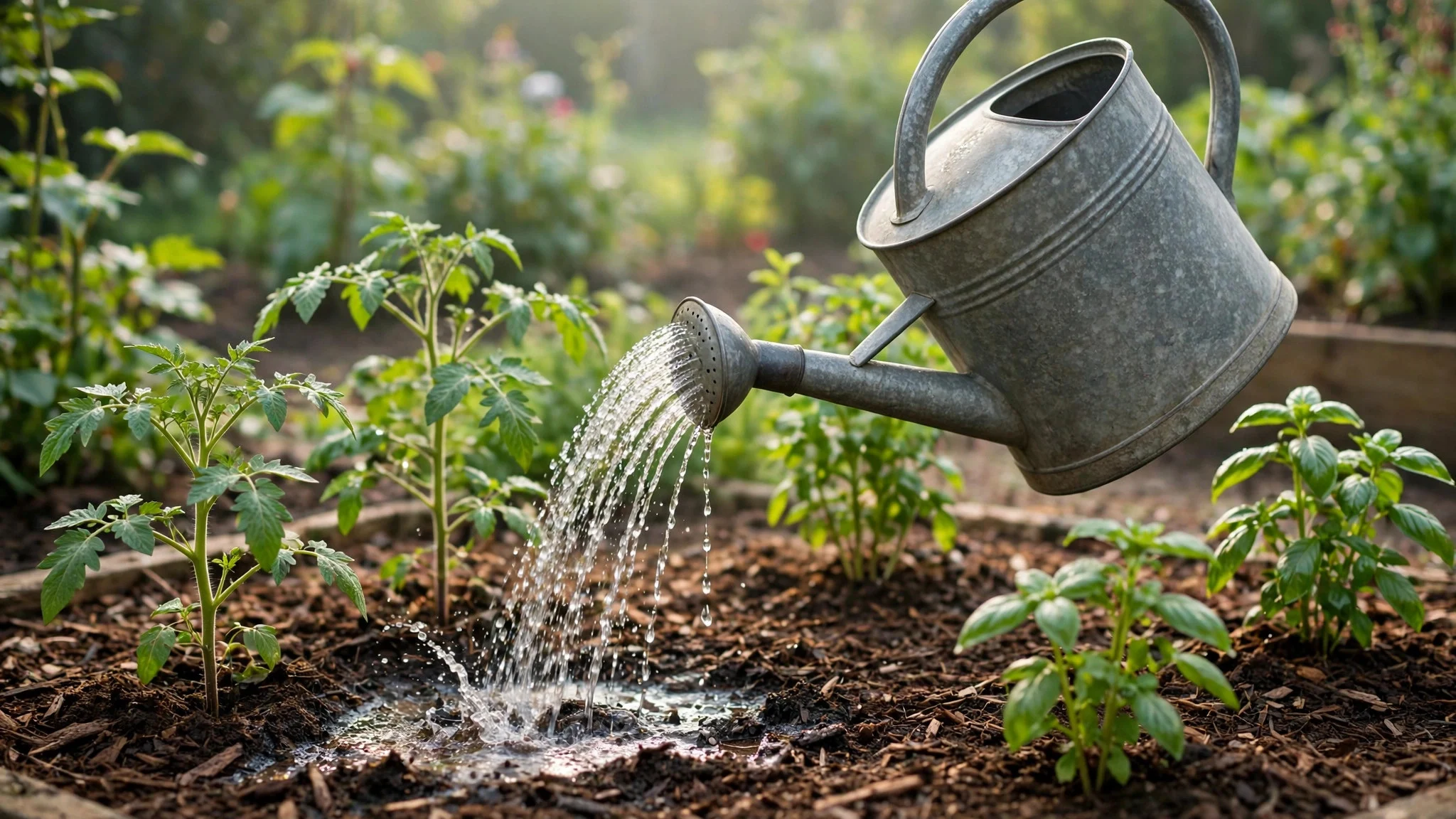
Water is a running cost, and spring is the time to set up habits that keep it low all year. Water deeply and less often, so roots grow down rather than staying shallow, and water in the morning so less evaporates. A simple water butt under a downpipe collects free rainwater, and a layer of mulch, already covered above, does half the work for you. Group thirsty plants together and leave drought-tolerant ones to fend for themselves, rather than watering the whole garden to the level of the thirstiest plant. These small choices add up to a noticeably lower water bill by midsummer.
12. Stagger Planting So the Garden Keeps Giving
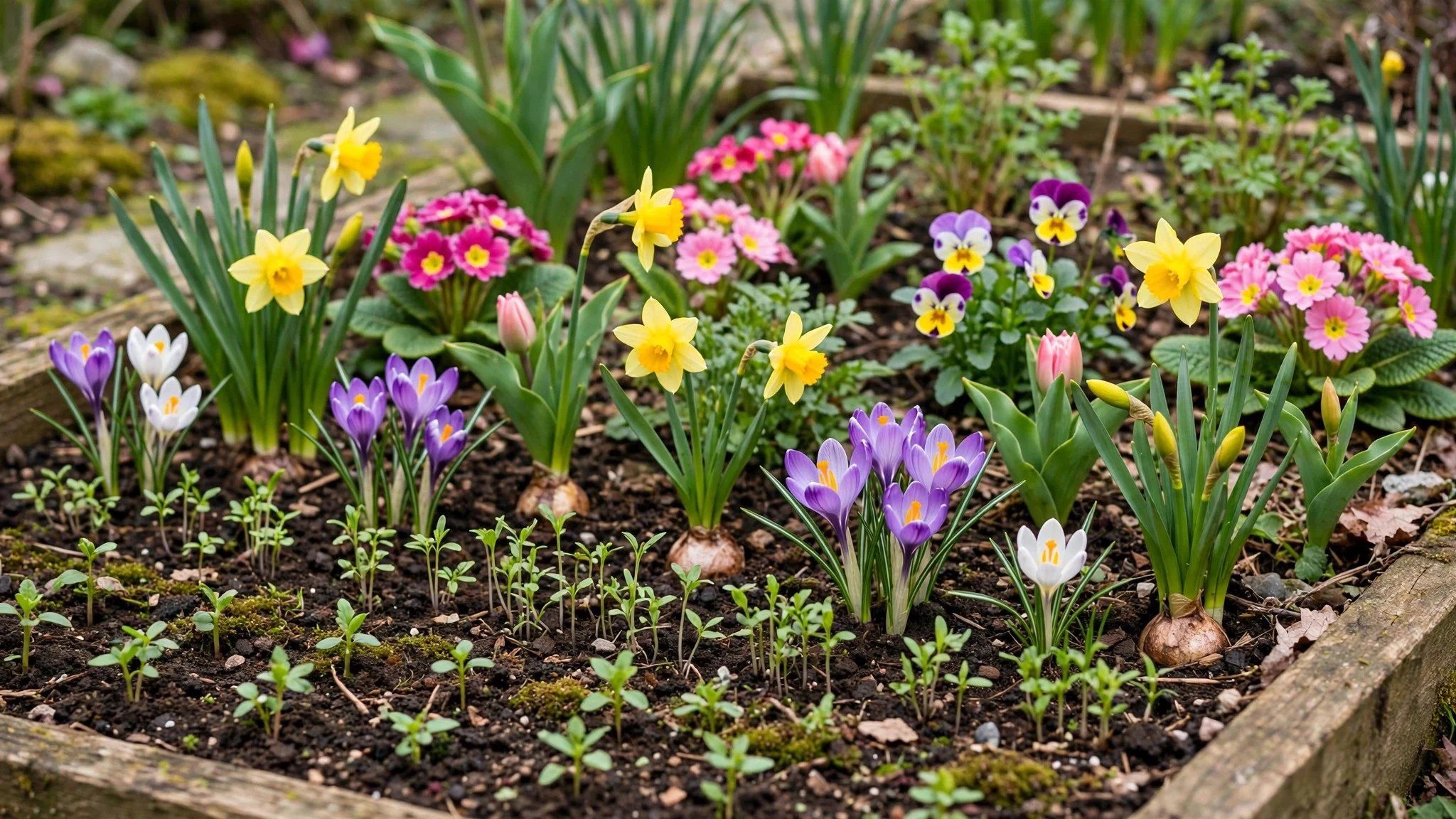
The final step is timing. A garden planted all at once blooms all at once and then looks tired by July. Instead, plan in waves: early bulbs and primroses for March and April, perennials and annuals for May and June, and a few late performers like asters or dahlias for autumn color. Sow quick annuals in small batches two weeks apart rather than all at once, so there is always something fresh coming into flower. Write the plan on one page and stick it on the fridge. A spring refresh is not a single weekend of work, it is a season of small decisions, and the gardens that look best in August are the ones that were planned, not just planted, in spring. For help shedding winter first, our guide on transitioning winter decor into spring covers the indoor side of the same seasonal shift.
Frequently Asked Questions
How much should a spring garden refresh cost?
It can be done for under fifty dollars if you focus on clearing, pruning, dividing existing plants, and sowing seeds. A mid-range refresh with compost, mulch, and a few new plants typically runs between one and two hundred dollars for an average garden. The biggest savings come from doing the free work first and only then deciding what to buy.
When is the best time to start a spring garden refresh?
Start once the soil is workable and the worst frosts have passed, usually early to mid-spring depending on your climate. Clearing and pruning can begin earlier, while planting and mulching should wait until the soil has warmed a little, so new roots establish quickly.
Can I refresh a garden without buying any new plants?
Yes, in many cases. Clearing debris, pruning, edging, mulching, and dividing existing perennials can transform a garden with no new plants at all. Seeds are the cheapest addition if you do want new color, and plant swaps with neighbors can fill gaps for free.
What is the biggest mistake people make with a budget garden refresh?
Buying plants before preparing the soil and clearing the beds. New plants in unprepared soil struggle, and many gardeners then buy replacements, doubling the cost. Do the free work first, improve the soil, and buy last.
Start this weekend with the walk and the clear-out, and let the plan grow from what you actually see, not from a garden center display. A refreshed garden is rarely the most expensive one on the street. It is the one where somebody paid attention, in the right order, and kept going a little at a time all spring.