


How to Make a Small Bedroom Feel Twice as Big
Photo: @edr-media-group-2148140539 via Pexels
My first flat had a bedroom barely big enough for a double bed and a door that swung into the wardrobe. I spent a year convinced the room was the problem, until a friend moved the bed six inches, took the heavy curtains down, and painted one wall the same white as the ceiling. Suddenly I could walk around the bed without shuffling sideways. That is the secret of good small bedroom ideas: most of them are not about buying furniture. They are about light, sightlines, and giving every object a proper home so the room stops shouting at you.
The twelve changes below are in the order I would try them, cheapest first. None of them requires knocking down a wall, and several cost nothing at all. Work through them one at a time, and stop when the room feels right, because a bedroom that feels calm beats a bedroom that follows every rule in a magazine.
Small Bedroom Ideas That Start With Paint and Light
1. Paint It Light, Ceiling Included
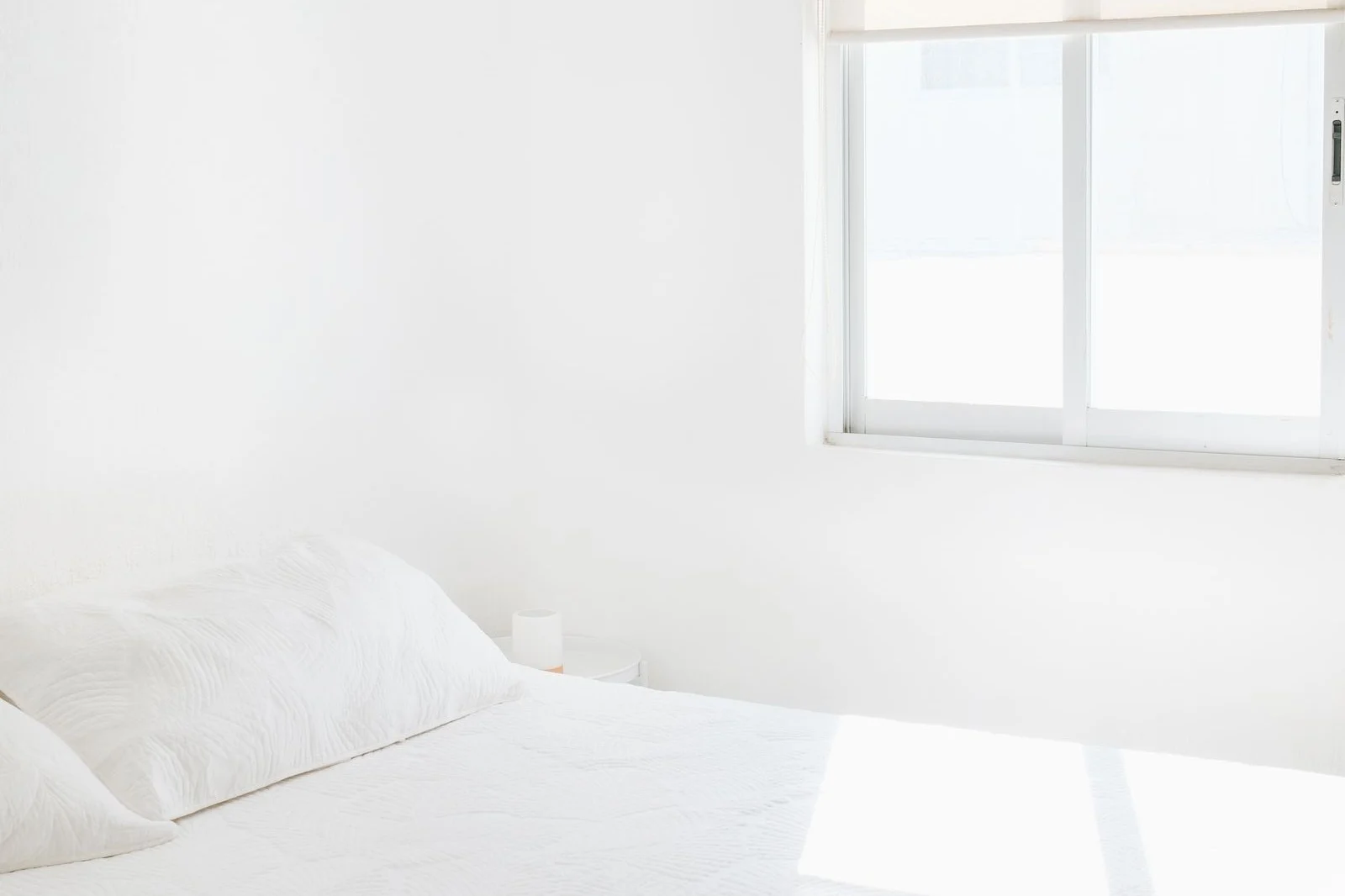
Photo: @brunxs via Pexels
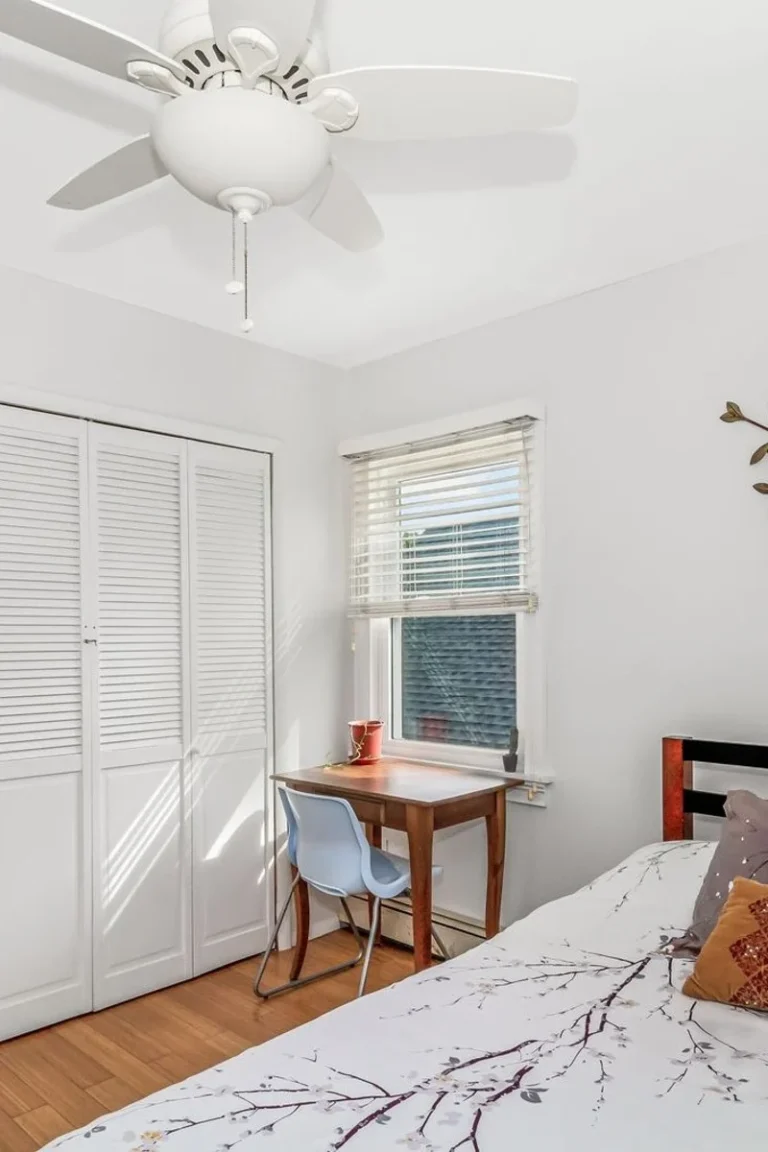
Dark paint can look wonderful in a big room, but in a small bedroom it pulls the walls inward. A pale warm white, a soft sage, or a light greige on the walls, carried onto the ceiling in the same colour, blurs the line where the wall ends and makes the ceiling feel higher. Paint the skirting boards the same shade too, so there is no dark stripe cutting the room in half at ankle height. I used to think white walls were boring until I lived with them for a month and realised the bedding, the wood, and the plants were finally doing the talking. If you rent and cannot paint, the same effect comes from pale bedding, light curtains, and removing one dark, heavy piece of furniture. Test a tester pot on two walls first, because a white that looks clean in the shop can turn cold grey in a north-facing room.
2. Put a Mirror Where It Catches the Window
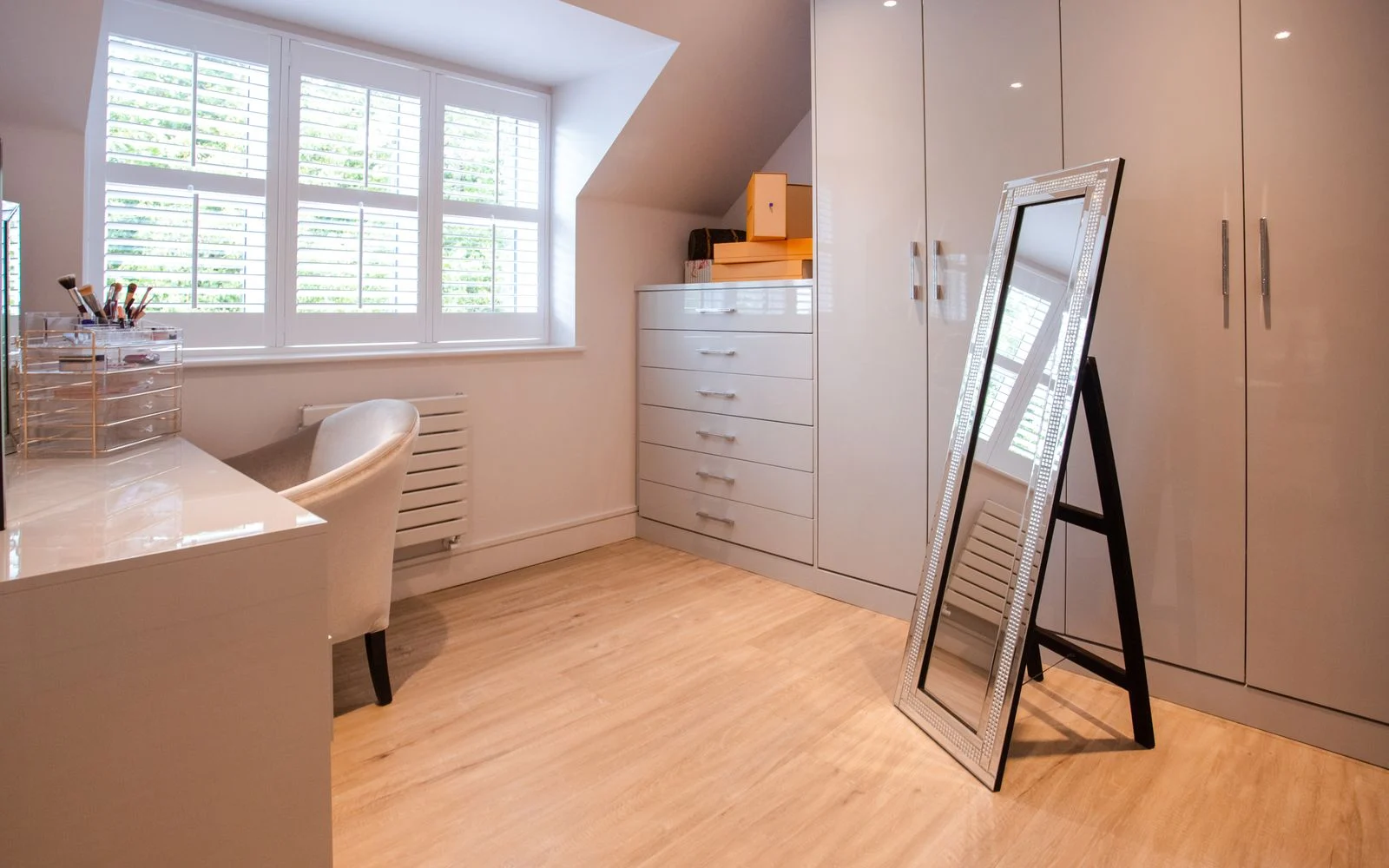
Photo: @photographer-liam-gillan-98492220 via Pexels
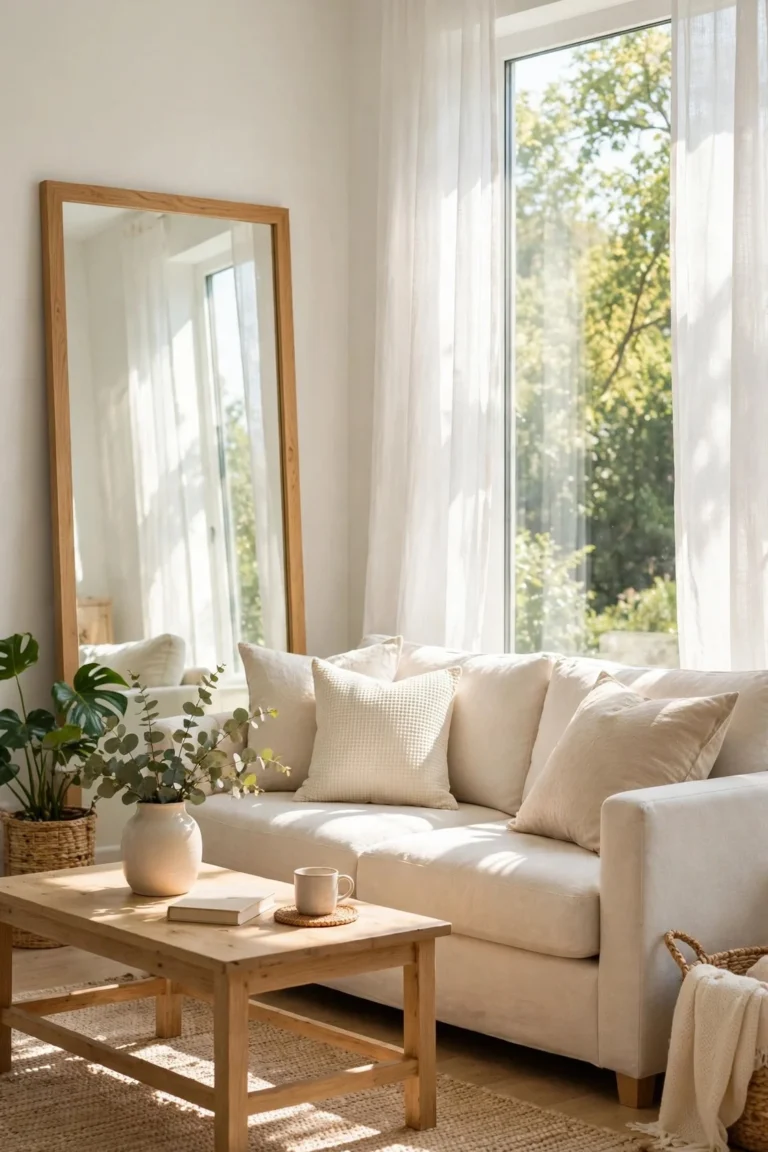
A mirror on the same wall as the window reflects the wall back at you and adds almost nothing. Move it opposite the window, or on the wall beside it, and it doubles the daylight and the view. A large leaning mirror works well in a bedroom because it also gives you a full-length check before you leave, but it must be fixed to the wall at the top so it cannot tip. If a leaning mirror feels too much, a wide mirror above the dresser does similar work on a smaller scale. Check what the mirror reflects before you commit: a tidy corner or a plant is lovely, a pile of laundry less so. Keep the frame slim and light-coloured, because a thick dark frame eats up the very openness the mirror is meant to create.
3. Keep the Bed Low and Simple
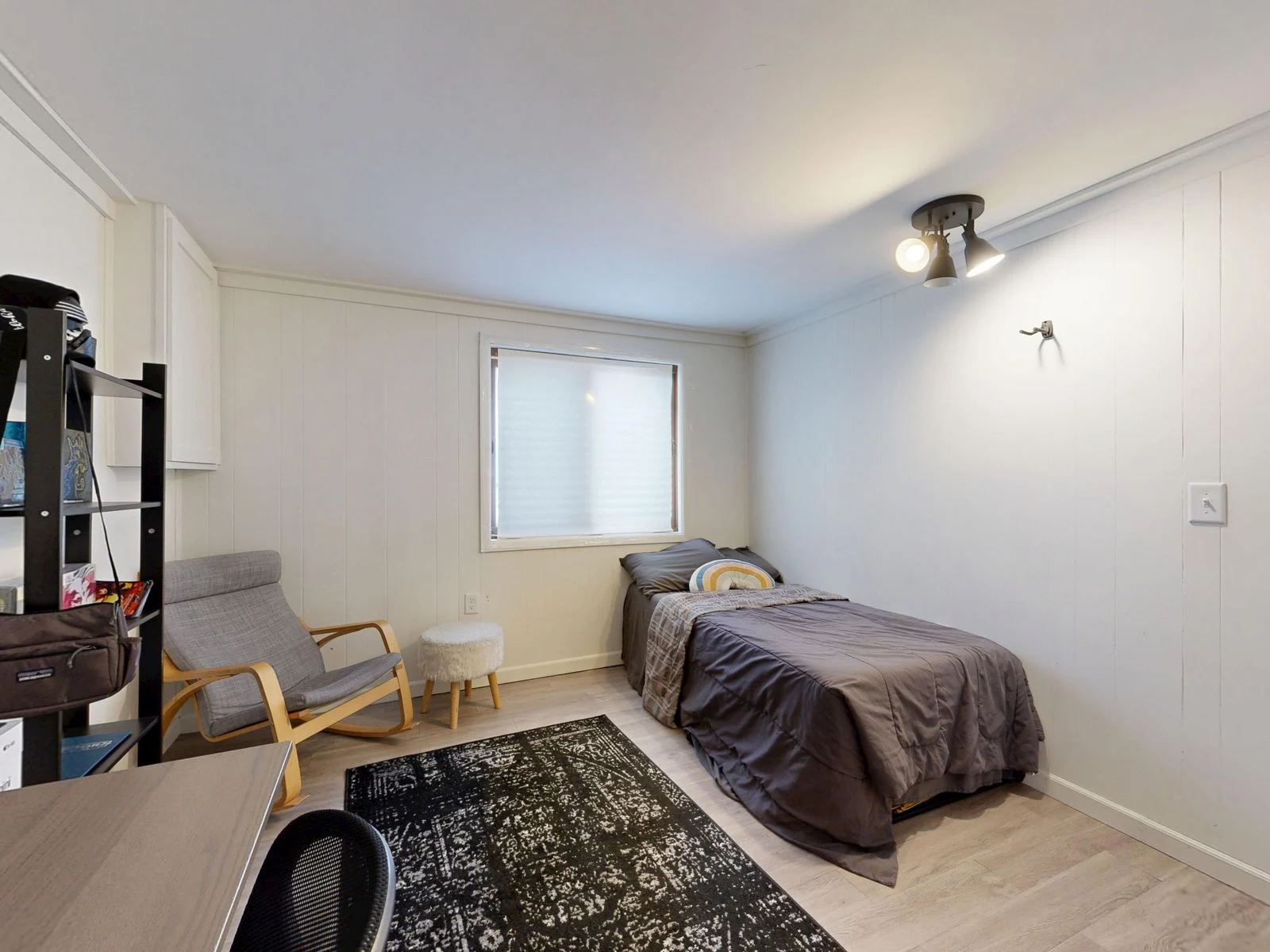
Photo: @peter-vang-2157328093 via Pexels
The bed is the biggest object in the room, so its height sets the whole feeling. A low platform frame, or a frame without a tall, padded headboard, leaves more wall visible above it and makes the ceiling feel higher. Skip the box spring if your frame supports the mattress directly, which most platform frames do, and you gain several inches of air for free. Keep the bedding simple too: one duvet, two sleeping pillows, and a single throw folded at the foot, rather than a mountain of decorative cushions that end up on the floor every night. I removed four cushions from our bed and gained back the chair they used to live on. If you love a headboard, choose a slim upholstered one in a pale fabric instead of a tall wooden panel that dominates the wall.
4. Show More Floor
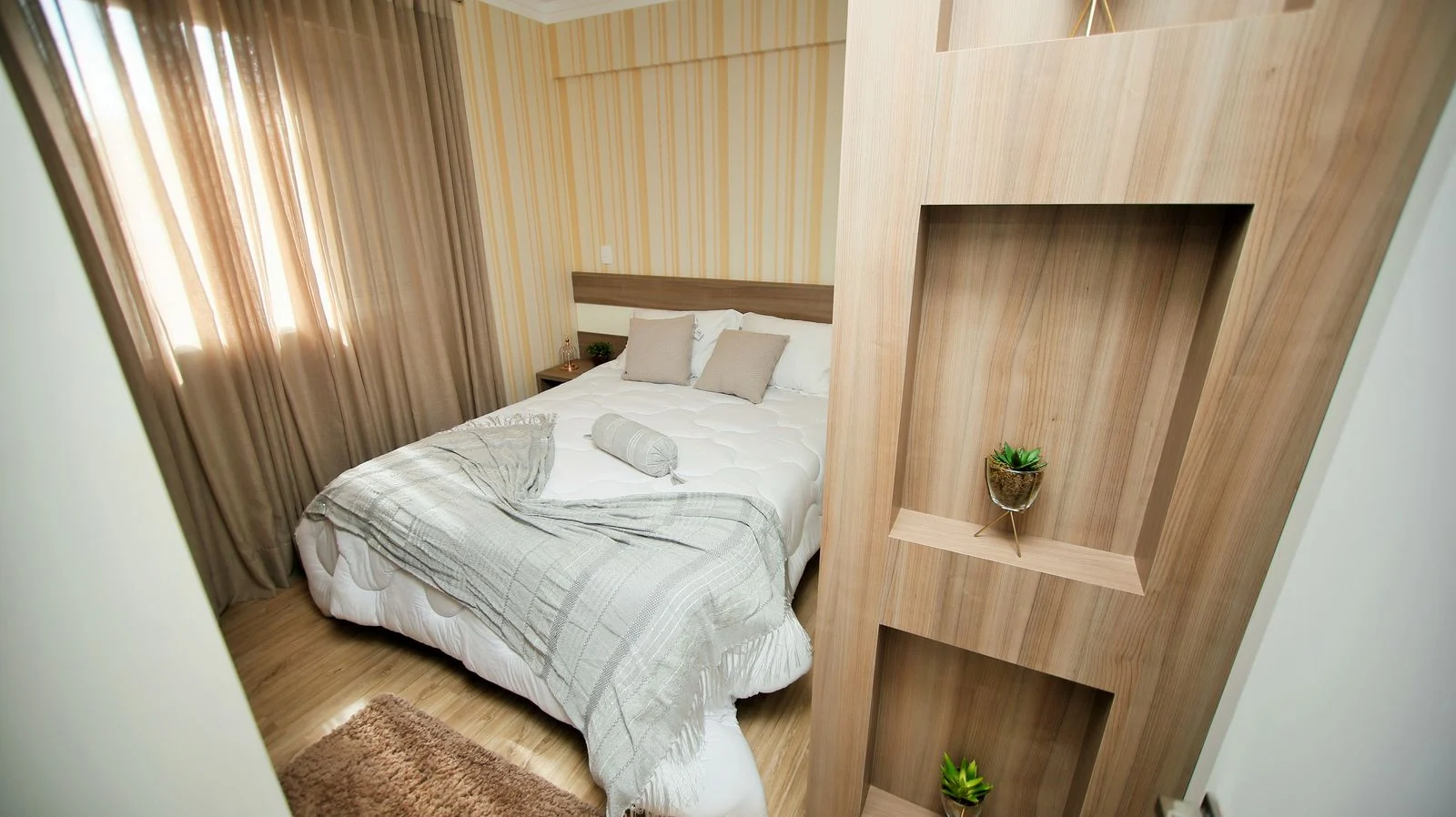
Photo: @vidalbalielojrfotografia via Pexels
Your eye judges a room’s size by how much floor it can see. Furniture that sits flat on the ground reads as a solid block, while pieces on slim legs let the floor run underneath and the room feels lighter at once. A bed frame with visible legs, a nightstand on tapered legs, and a chair you can see beneath all help, and you do not need to replace everything to get the effect. Start with the nightstand and any storage boxes sitting directly on the floor, and raise or remove one bulky piece. Keep the floor itself as clear as you can: shoes in one basket by the door, laundry in a single hamper, and nothing stored in the walkway around the bed. Even six inches of clear floor along the main path changes how the room feels to walk through.
5. Hang Curtains High and Wide
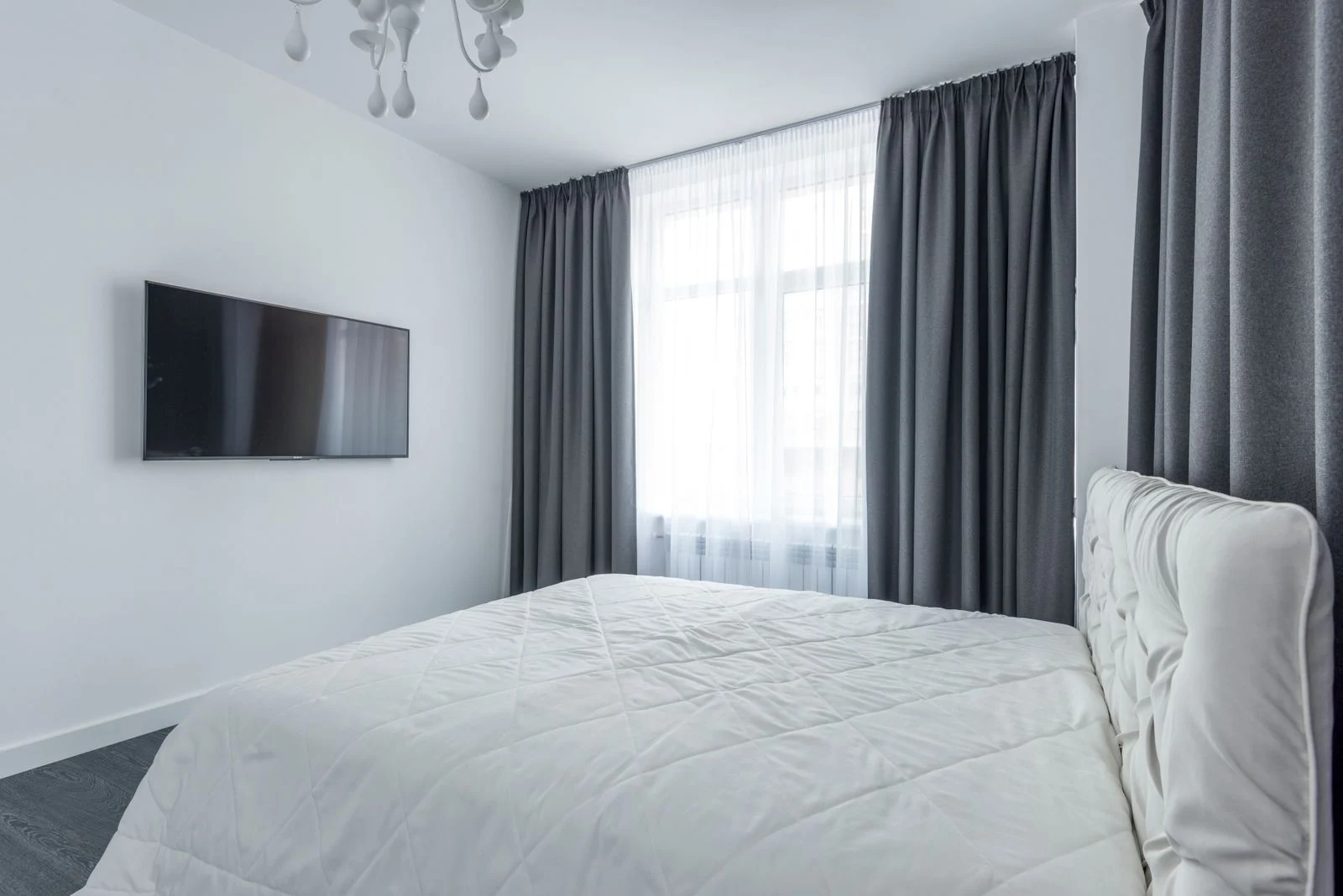
Photo: @artbovich via Pexels
Curtains hung just above the window frame chop the wall in half and make the window look small. Mount the rod close to the ceiling, and extend it six to eight inches beyond the window on each side, so the curtains stack over the wall when open instead of covering the glass. Floor-length panels that just skim the floor draw a long vertical line that makes the wall read taller. Choose a light fabric in a colour close to the walls, because heavy dark curtains in a small room act like an extra wall. Sheers alone work in a private room, but if you need darkness for sleep, layer a sheer behind a light blockout panel rather than one thick, dark curtain. For the layout underneath all of this, our guide on how to arrange a small living room for maximum space uses the same high-and-wide logic for windows in a compact room.
6. Stick to One Calm Palette
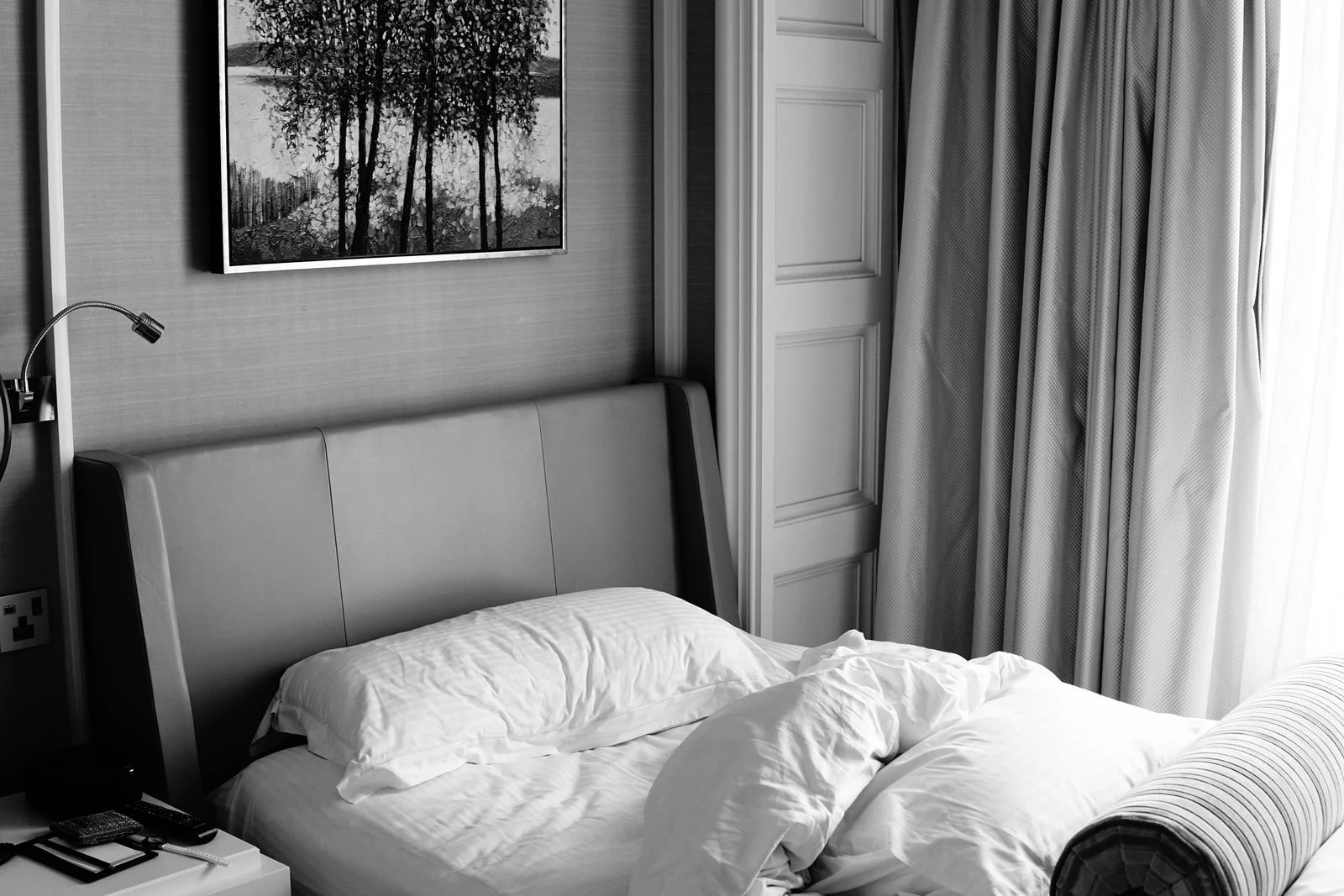
Photo: @noelnico via Pexels
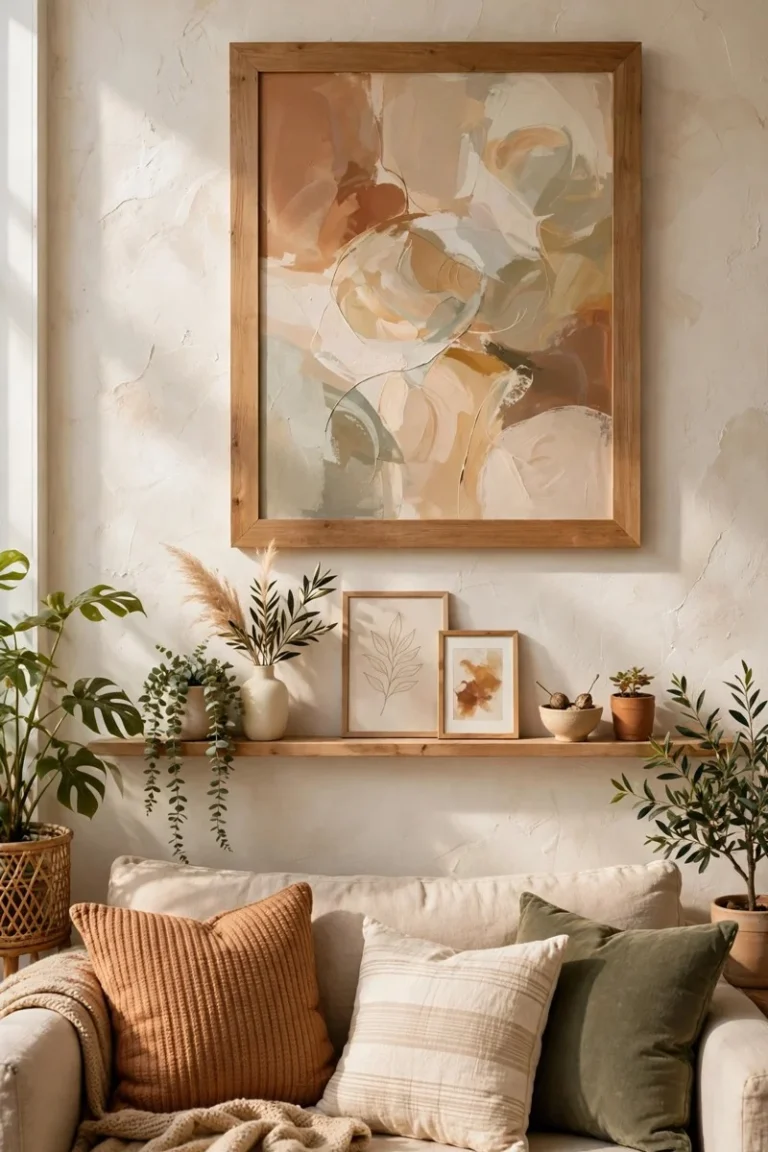
Too many colours in a small room fight for attention, and the room ends up feeling busy rather than personal. Pick a calm base, warm white, pale grey, or soft beige, and let one accent colour carry the personality: a sage throw, a rust cushion, or a single piece of art. Repeat that accent two or three times so it looks deliberate, not random, and keep the rest plain. Pattern works best in one place, usually the bedding or the curtains, with everything else solid. I once had a patterned duvet, patterned curtains, and a patterned rug in the same small room, and taking two of them out felt like gaining a window. If you love colour, put it where you see it most, on the bed, and keep the walls and the big furniture quiet.
7. Hide Storage in Baskets and Under the Bed
Photo: @ron-lach via Pexels
Clutter is what makes a small bedroom feel small, more than the square footage ever does. Give the loose things a home that looks like decor: two matching woven baskets for spare throws and out-of-season clothes, and flat rolling bins under the bed for shoes or wrapping paper. A storage bed with drawers does the same job more neatly, but baskets cost far less and you can move them when you rearrange. The rule that saved my room was one basket per category, labelled in my head if not on paper, so tidying became dropping things into the right basket instead of deciding where each thing belonged. Keep the baskets matching, because three random ones look like a charity shop shelf, while three identical ones look intentional. For more hidden-storage thinking, see our small living room storage ideas that hide clutter.
8. Clear the Surfaces You See First
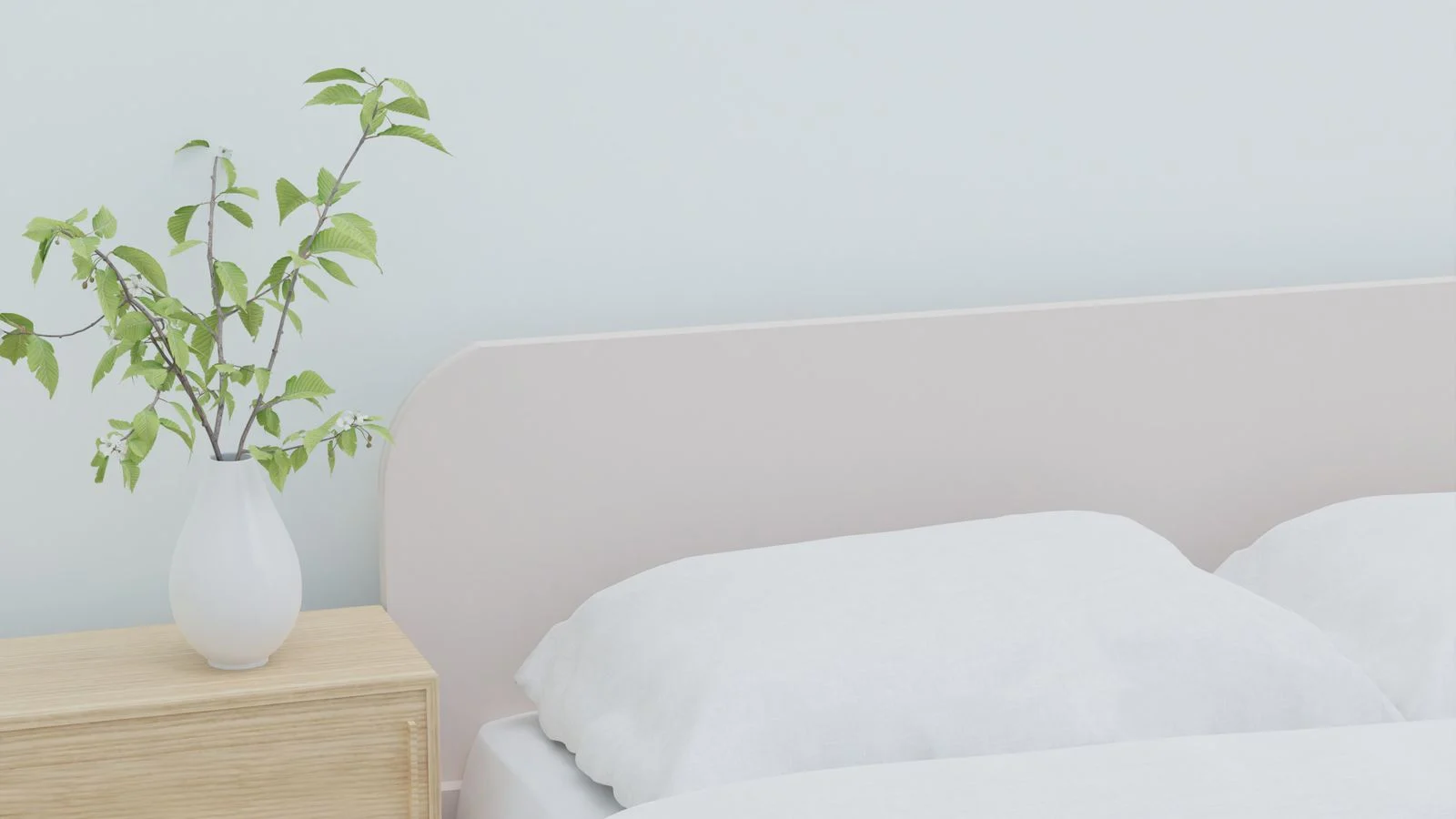
Photo: @dada-_design-240566386 via Pexels
Walk into your bedroom and notice the first surface your eye lands on, usually the nightstand or the top of the dresser. If that surface is crowded, the whole room feels crowded, even when the floor is clear. Keep it to three things at most: a lamp, a book or a glass of water, and one small object you like looking at. Everything else, chargers, medicines, spare change, goes in the drawer or a small tray inside the drawer. I moved my charger into the nightstand drawer with a tiny hole drilled in the back for the cable, and the nightstand went from chaotic to calm overnight. Do the same test on the dresser top, and be honest about what actually earns its place there. A clear surface also makes cleaning faster, which means it stays clear instead of drifting back to clutter within a week.
9. Layer the Light
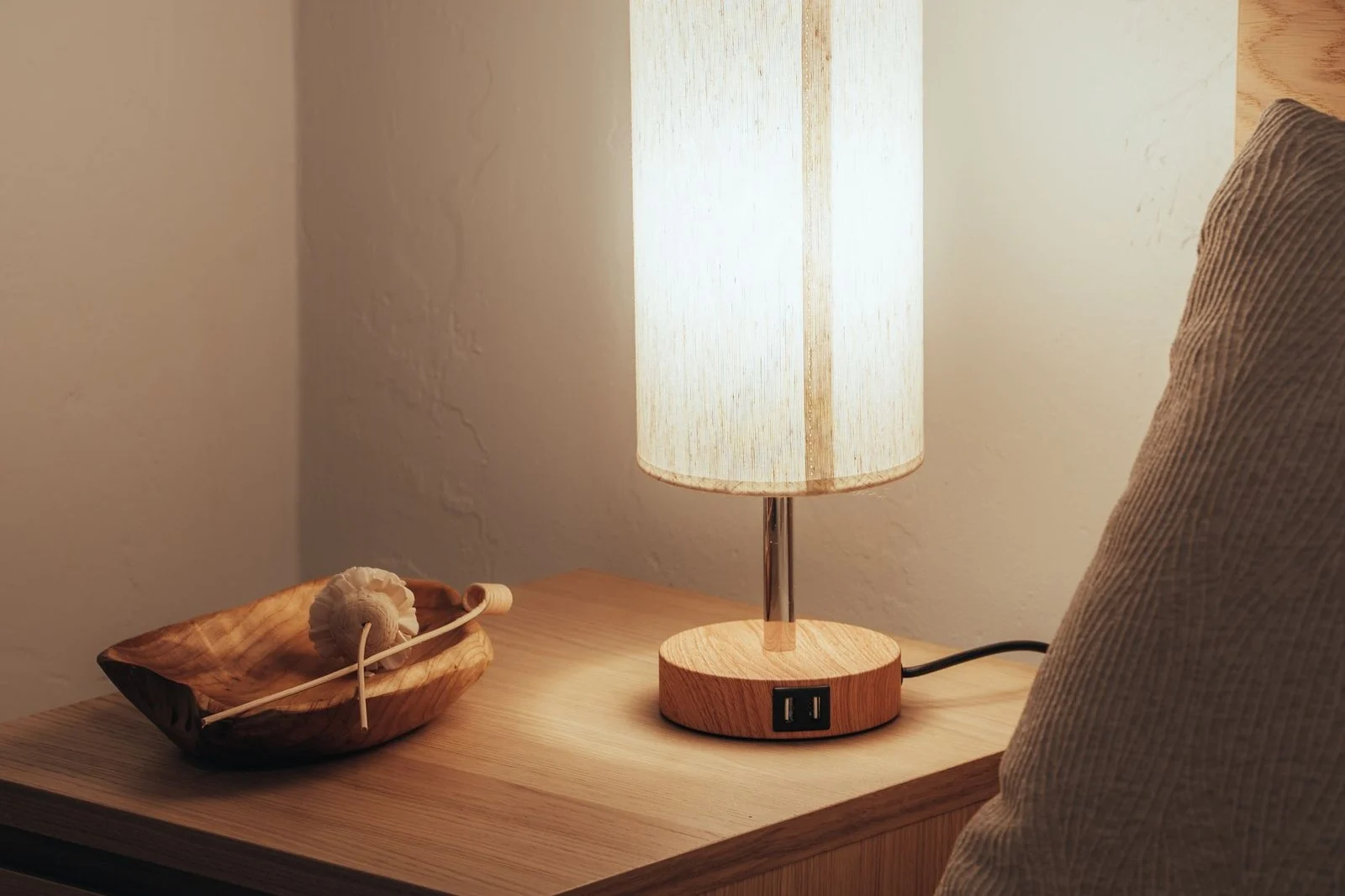
Photo: @osmany-mederos-211956483 via Pexels
One bright ceiling light flattens a small bedroom and highlights every flaw. Layered light does the opposite: a bedside lamp for reading, a soft glow near the wardrobe, and the ceiling light only when you need full brightness. Warm bulbs around 2700K make the room feel restful rather than clinical, and a dimmer on the main light, if your wiring allows it, is worth the small cost. Put the brightest light where you read and the softest where you relax, and avoid a bare bulb at eye level when you are lying down. I swapped our ceiling bulb for a warm one and added a single small lamp, and the room went from feeling like a box to feeling like a place I wanted to stay in. If you cannot add wiring, a battery puck light inside the wardrobe works surprisingly well.
10. Use Glass and Mirrored Fronts
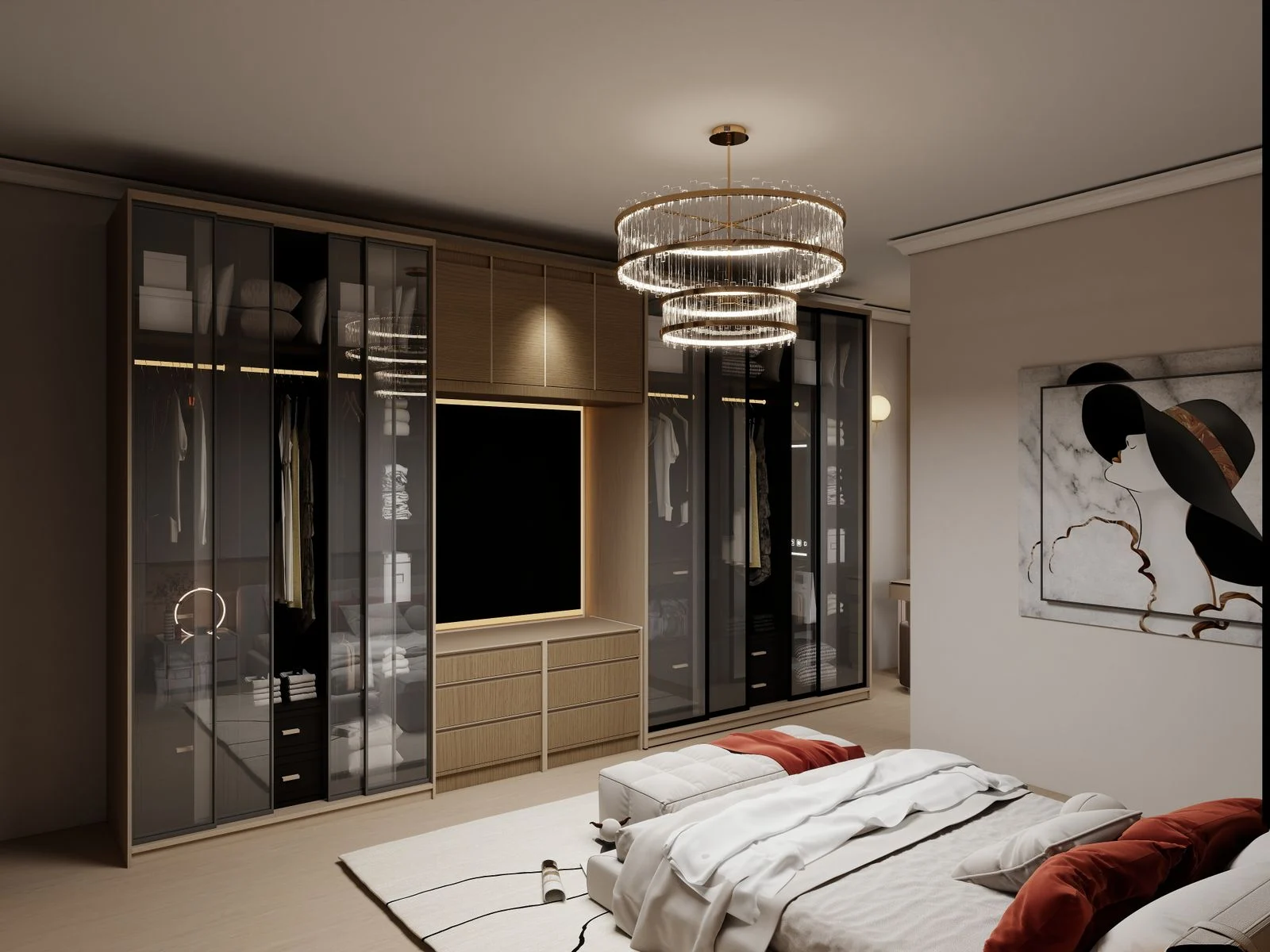
Photo: @shaza-jocarlos-841367558 via Pexels
Solid, dark wardrobe doors are a wall of visual weight in a small room. Glass-fronted wardrobes, mirrored doors, or even a single mirrored panel break that weight up, because light passes through or bounces off instead of stopping dead. If replacing doors is too much, a large mirror leaned against the wardrobe, fixed at the top, gives you most of the effect for far less money. Keep what shows behind glass tidy, or use frosted glass, which hides the contents while still letting light through. This is not the place for a fully clear acrylic chair collection either; one see-through or reflective piece is enough, mixed with warmer solid furniture so the room still feels like a bedroom and not a showroom. Dust glass fronts weekly, because fingerprints show fast at bedroom height.
11. Choose One Big Rug
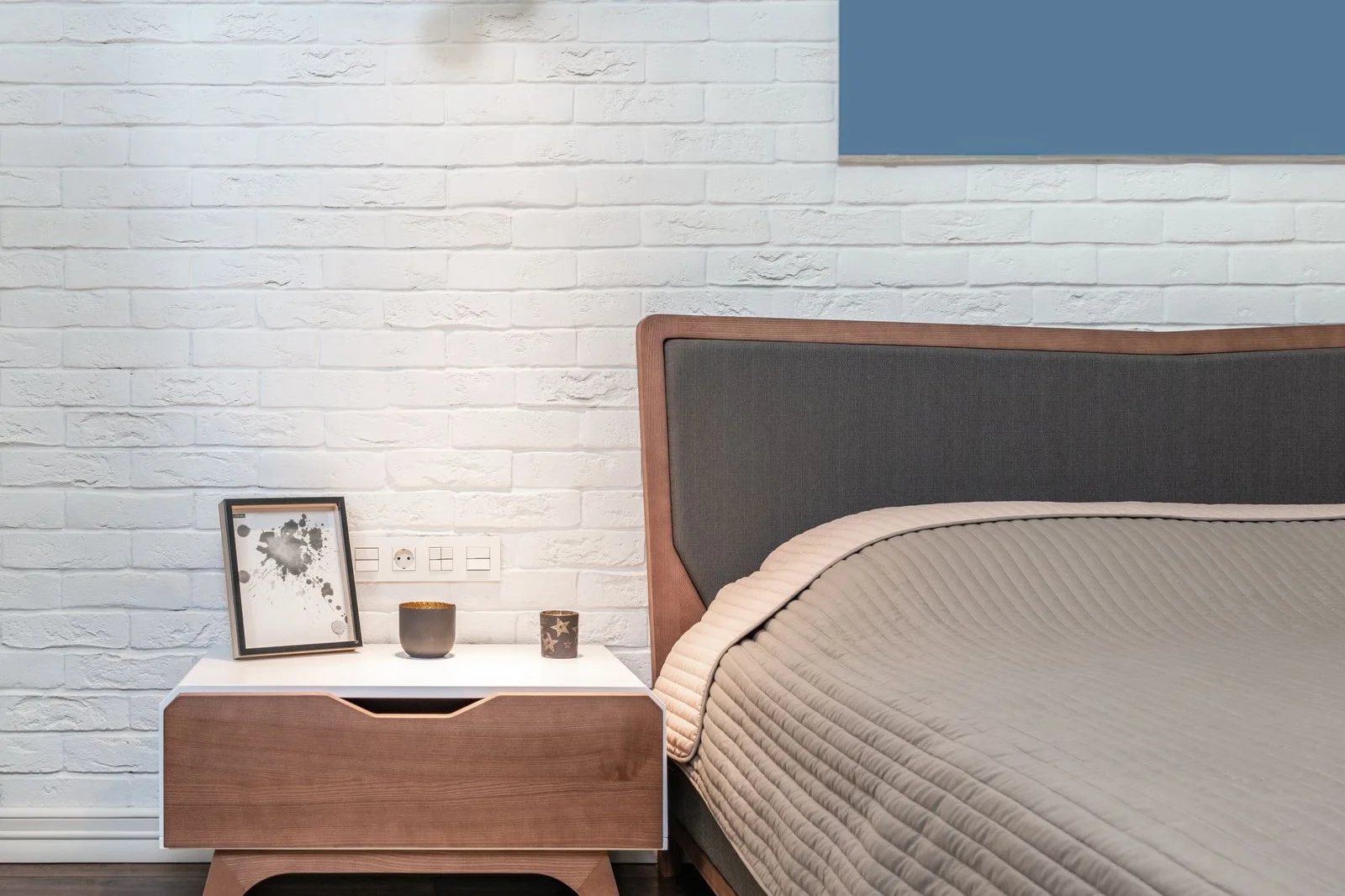
Photo: @artbovich via Pexels
A tiny rug floating in the middle of a bedroom floor chops the space into pieces and makes everything look smaller. One rug large enough to sit under the front two-thirds of the bed, extending past the sides where your feet land, pulls the bed, the nightstands, and the floor into a single calm surface. Keep the colour light and the pattern low-contrast if the room is dark, so the eye travels across it without stopping. A rug pad underneath stops it sliding on hard floors, which matters more than people expect when you are stepping onto it half asleep. If a big rug is out of budget, a flat, light-coloured runner on each side of the bed beats a small square rug in the middle. Our guide to choosing the right rug size for your living room explains the front-legs rule that works just as well beside a bed.
12. Make the Wardrobe Disappear
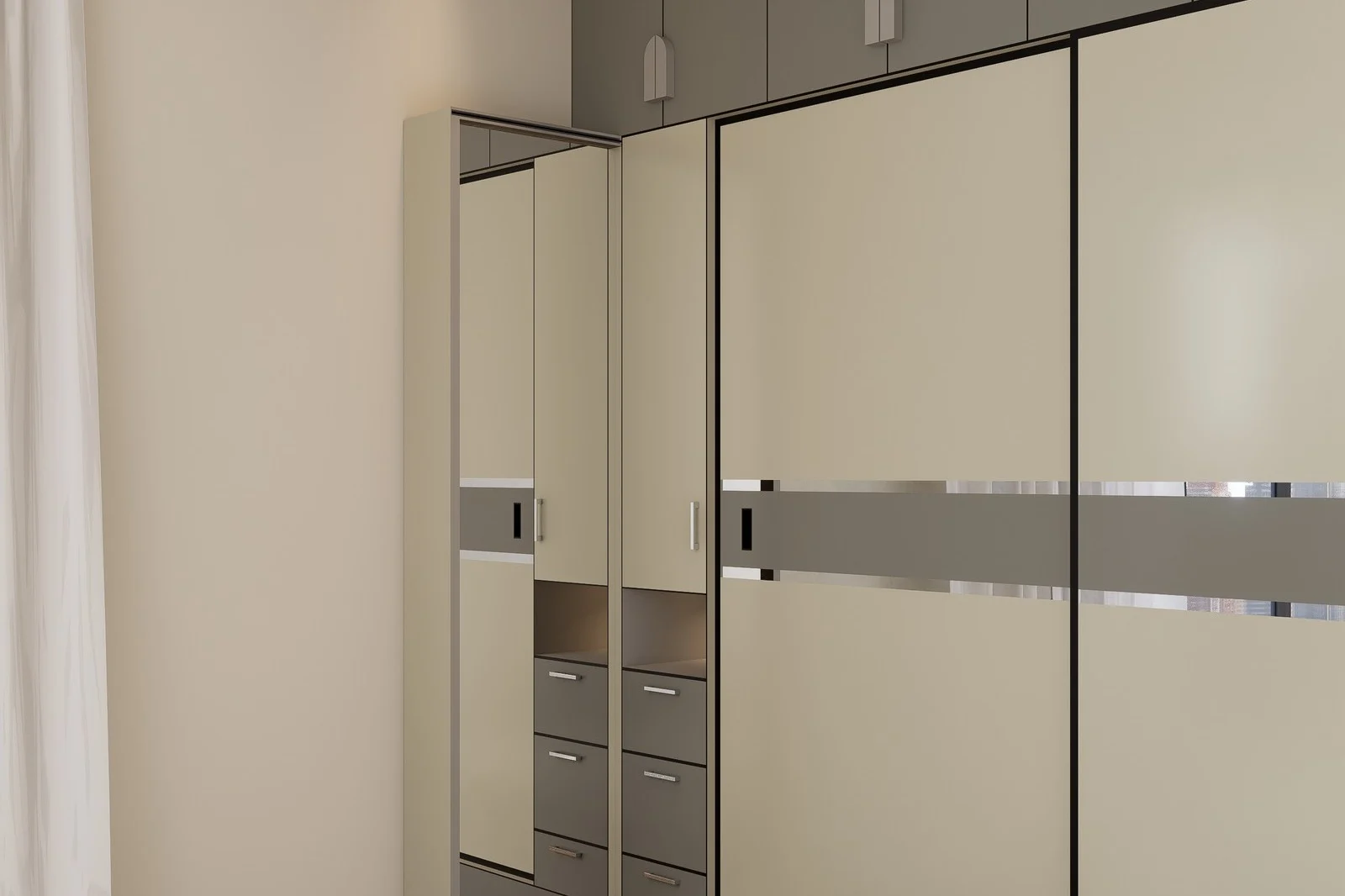
Photo: @the-ghazi-2152398165 via Pexels
The wardrobe is often the second-biggest object in a small bedroom, and a fussy one dominates the room. Flat-front doors in a colour close to the walls, with no visible handles or with long, slim ones, let the wardrobe read as part of the wall instead of a separate piece of furniture. Sliding doors save the swing space a hinged door needs, which can be the difference between walking around the bed comfortably and shuffling sideways. Inside, the same logic applies: one shelf height for folded clothes, hanging space for what creases, and a single basket for the small things that otherwise end up on top of the wardrobe. I painted our old wardrobe doors the wall colour one weekend, swapped the knobs for slim pulls, and visitors stopped noticing the wardrobe entirely, which was exactly the point.
Frequently Asked Questions
What colour makes a small bedroom look bigger?
Pale, warm colours usually help most: warm white, light greige, and soft sage, carried onto the ceiling and skirting boards so the room reads as one continuous surface. Dark colours can work as a single accent wall, but painting all four walls dark in a tiny room tends to pull them inward.
Should I use a big mirror or several small ones?
One big mirror generally works better, because several small mirrors chop the wall into pieces and create a busy reflection. Place the big mirror opposite or beside a window, fixed securely at the top, and keep its frame slim and light.
Is a double bed too big for a small bedroom?
Not necessarily. A double bed with a low frame and clear walkways on at least one side, ideally both, usually feels better than a single bed crammed against a wall with bulky furniture around it. Measure the walkways first, and let the bed earn its footprint by keeping the rest of the room simple.
How do I keep a small bedroom tidy every day?
Give everything a closed home: baskets for throws, bins under the bed, and a drawer for nightstand clutter. A two-minute evening reset, bed made, surfaces cleared, laundry in the hamper, keeps the room from sliding back into clutter, which is what makes it feel small again.
Start with paint and the mirror, because those two changes cost the least and change the most. Then work down the list at your own pace, one change at a time, and notice how the room feels after each one. A small bedroom will never be a big bedroom, and it does not need to be. It needs to feel calm, easy to move through, and restful at the end of the day, and that is entirely within reach without a renovation.