


Buying a bed feels simple until you stand in a showroom, or scroll through listings, and realise how much rides on one measurement. Too small, and you spend years wishing for elbow room. Too big, and the bedroom turns into an obstacle course. This bed size guide starts with the facts, the standard sizes, then works through the room, the people sleeping in it, and the furniture around it, so you can choose once and stop second-guessing. I have lived with both mistakes: a queen in a room that could barely hold it, and a double that two adults tried to share for far too long. Measuring first would have saved both.
Bed Size Guide: Sizes at a Glance
Standard US bed sizes are worth memorising before you shop, because retailers use the same names with slightly different frames. The mattress dimensions below are the standard figures, and the frame usually adds a few inches on each side. For a fuller reference, the bed size article on Wikipedia lists these sizes alongside international equivalents, which helps if you are buying bedding from abroad.
| Bed size | Mattress size | Best for |
|---|---|---|
| Twin | 38 x 75 inches | Kids, single sleepers, small rooms |
| Twin XL | 38 x 80 inches | Taller teens, dorm rooms, small guest rooms |
| Full / Double | 54 x 75 inches | Single adults who like space, small guest rooms |
| Queen | 60 x 80 inches | Couples in average rooms, most popular size |
| King | 76 x 80 inches | Couples who want real space, larger rooms |
| California King | 72 x 84 inches | Taller sleepers, long narrow rooms |
1. Twin: The Small-Room Workhorse
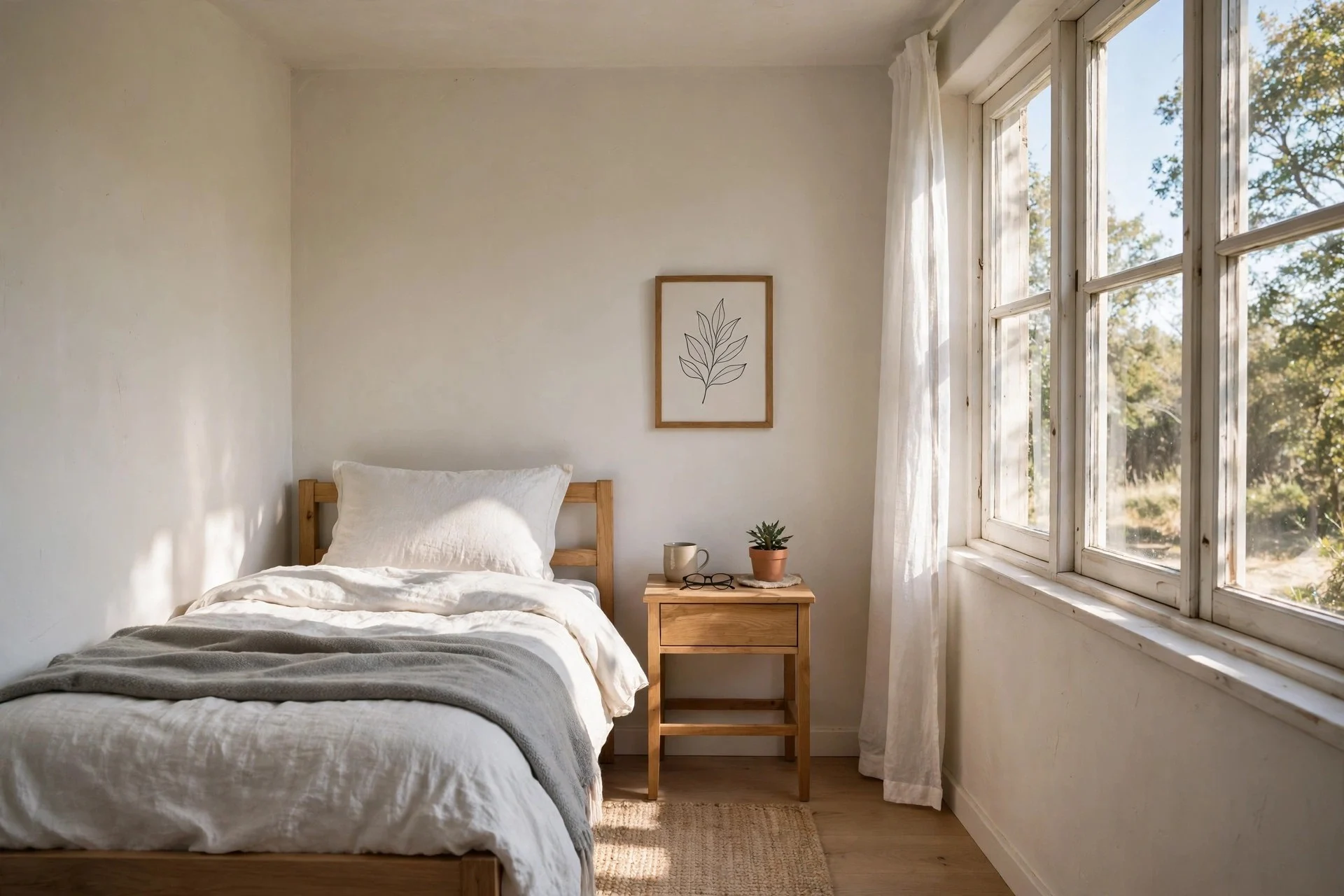
A twin bed, at 38 by 75 inches, is the honest choice for a child’s room, a box room, or a home office that doubles as a guest room. It leaves room for a desk, a wardrobe, and a clear path to the door, which a larger bed would swallow. The trade-off is length: adults over about six feet will find their feet at the edge, and a twin feels narrow once you add thick bedding. If the room is genuinely small, that trade is worth it, because a bed that fits with walkways beats a bigger bed crammed against three walls.
2. Twin XL: Five Extra Inches That Matter
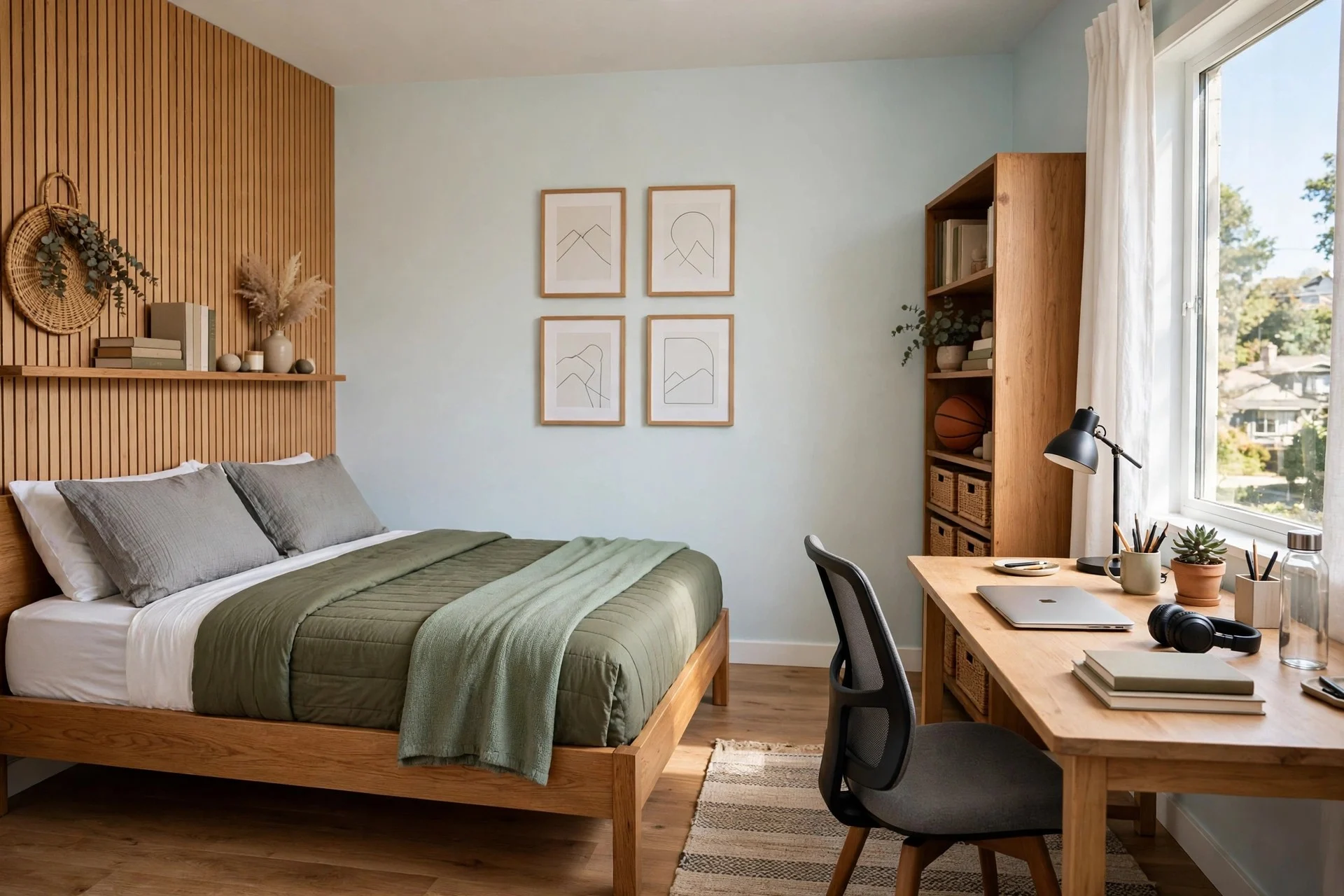
Twin XL keeps the same 38-inch width and stretches the length to 80 inches, the same length as a queen or king. That makes it the standard dorm bed, and a smart pick for tall teenagers or a narrow guest room where width is the constraint, not length. Bedding is the catch: twin XL sheets are less common than standard twin sheets, so buy two sets when you buy the bed, and check that your existing blankets actually cover the extra length before you rely on them.
3. Full / Double: Roomy for One, Tight for Two
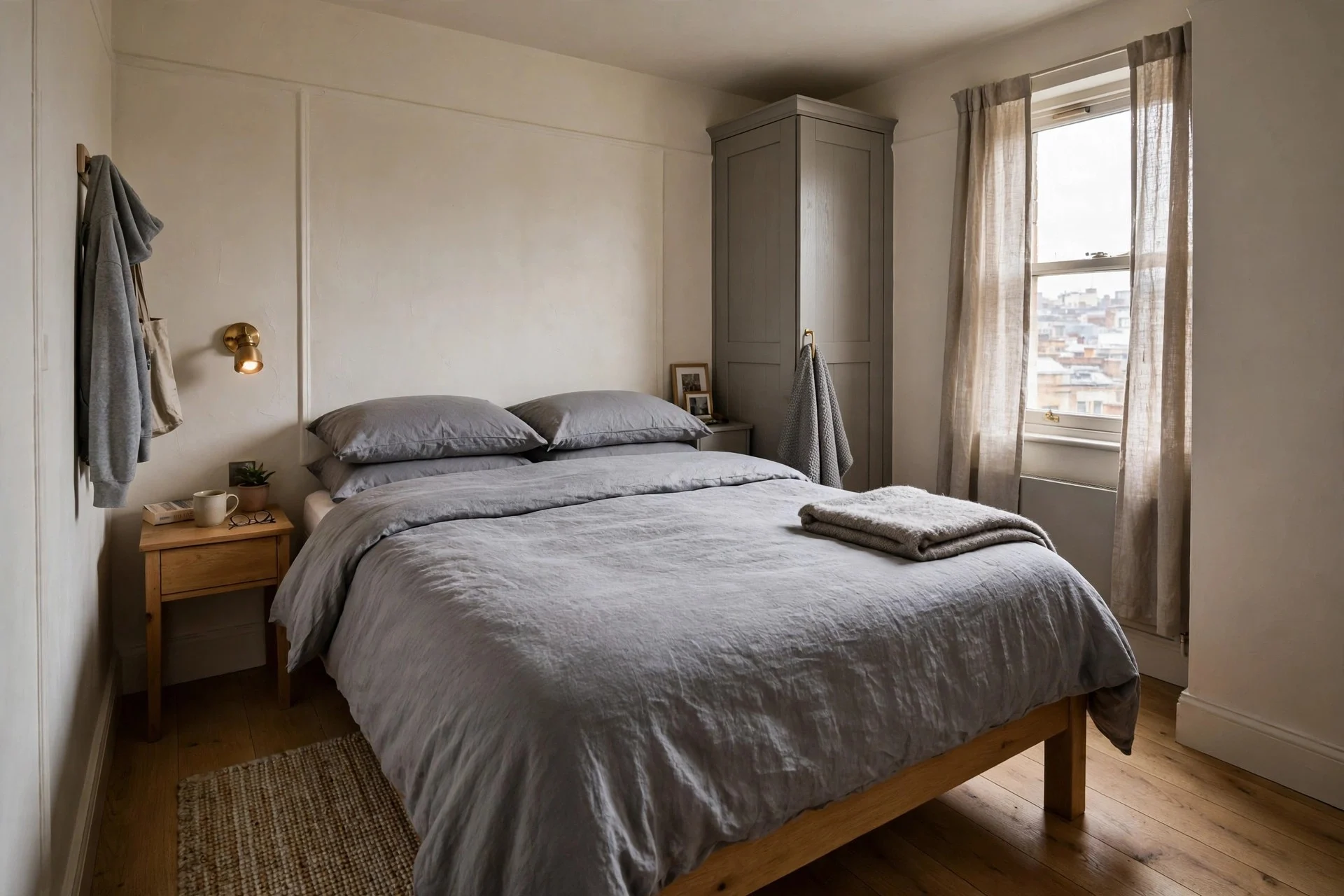
A full, or double, bed measures 54 by 75 inches, which gives a single sleeper 16 inches more width than a twin, plenty of room to spread out. For two adults, though, it leaves just 27 inches each, narrower than a crib mattress per person, and most couples find that tight within a few nights. Choose a full when the room is for one adult, a guest room that usually hosts one person, or a teenager who has outgrown a twin. If two people will sleep in it regularly, step up to a queen, even if the room feels a little fuller.
4. Queen: The Default for a Reason
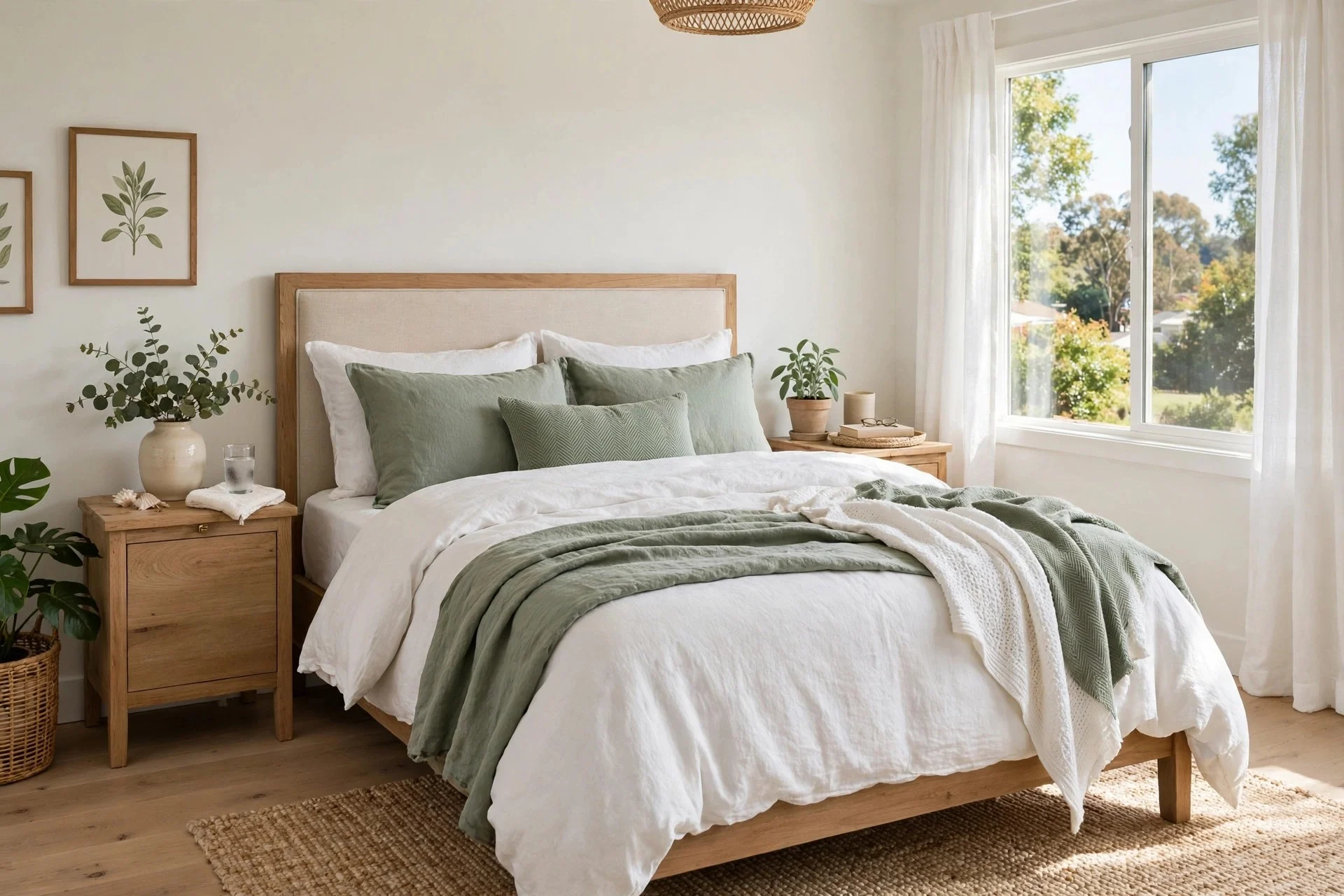
At 60 by 80 inches, a queen is the most popular bed size in the US, and the reason is simple: it fits most bedrooms, sleeps two adults with 30 inches each, and bedding is available everywhere at every price. A queen needs a room of roughly 10 by 10 feet to work comfortably, once you allow for nightstands and walkways, which most second bedrooms and main bedrooms meet. If you are unsure between sizes, a queen is the safe middle ground, and it holds its resale value better than less common sizes. Our guide to 20 small bedroom storage ideas that use every inch is worth reading alongside this one if a queen leaves your room short on storage.
5. King: Real Space for Two Sleepers
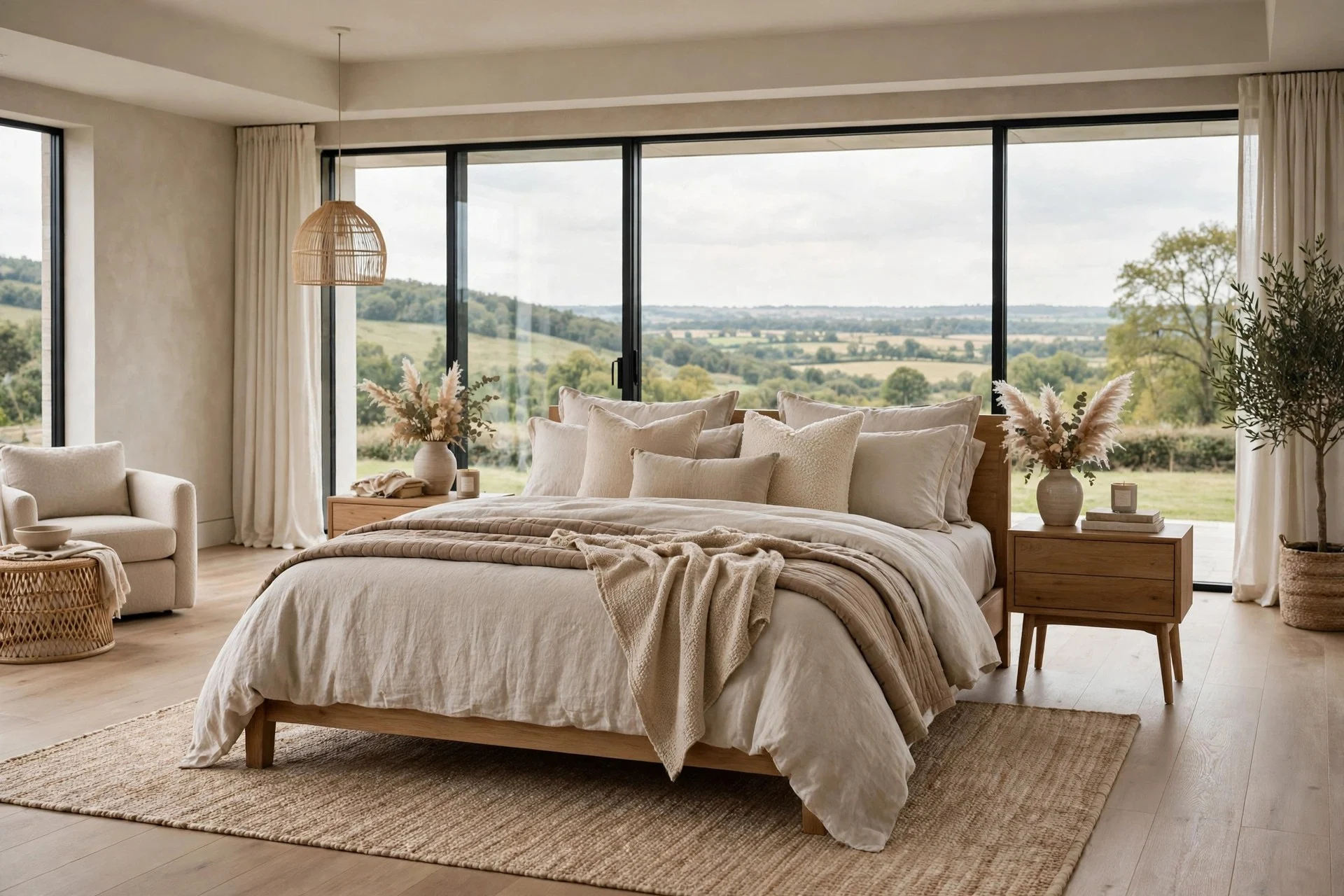
A king, at 76 by 80 inches, is essentially two twin XL beds pushed together, and it gives each sleeper 38 inches, the width of a full twin each. That space matters if one of you moves a lot at night, if a child or a dog regularly joins the bed, or if you simply like not noticing the other person. The cost is floor space: a king needs a room of at least 12 by 12 feet to leave sensible walkways, and it dominates anything smaller. Measure the room, not just the wall, because a king that fits the wall but blocks the wardrobe door is a daily annoyance.
6. California King: Longer, Slightly Narrower
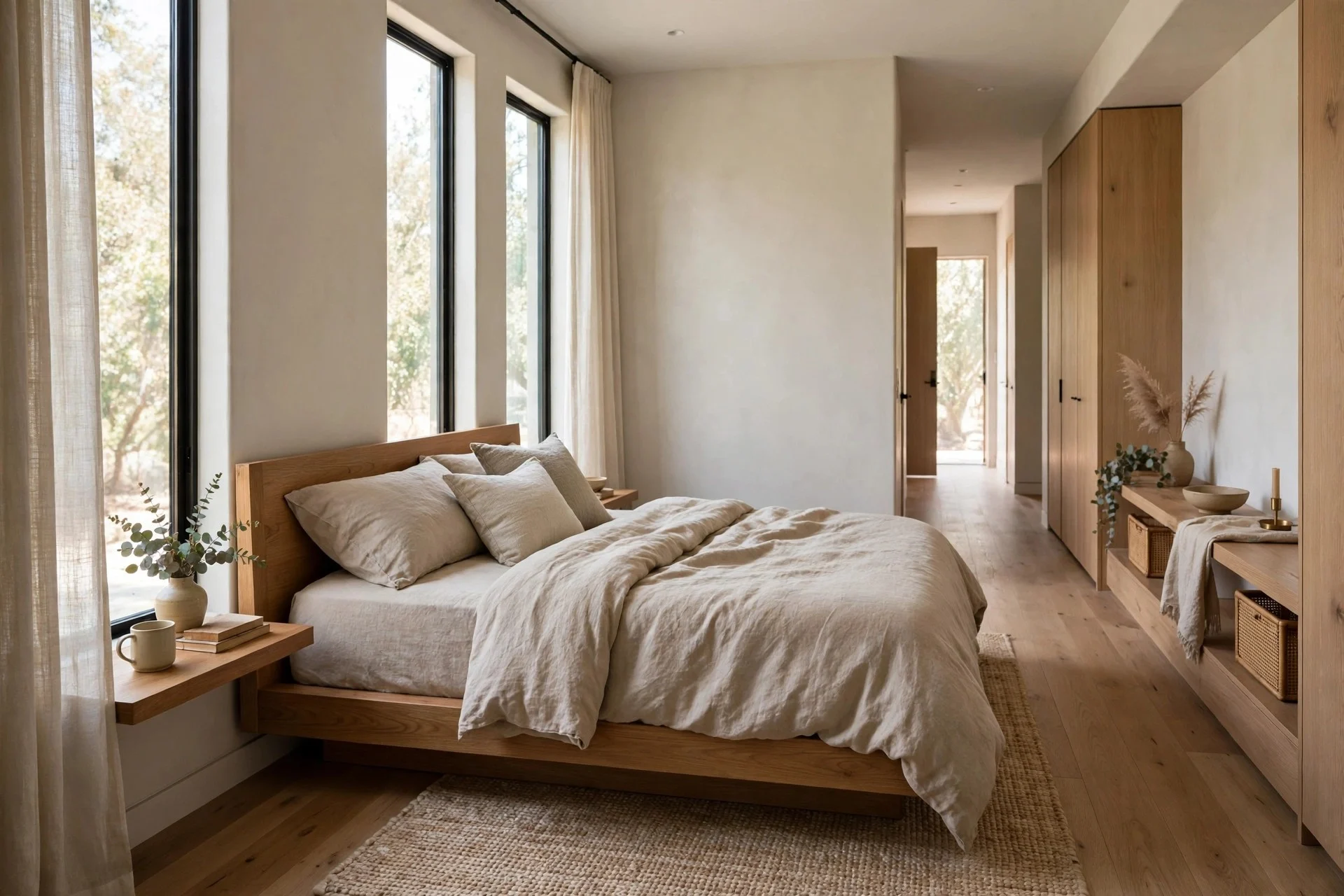
California king swaps four inches of width for four inches of length: 72 by 84 inches, against the standard king’s 76 by 80. That makes it the pick for taller sleepers, or for a long, narrow bedroom where length is easier to spare than width. Bedding is the main drawback, since California king sheets and duvets are stocked in fewer shops and sometimes cost more. Before you commit, check that your favourite bedding brand actually makes your size, and price a full set, because a bed you cannot dress properly is a false economy.
7. Measure the Room Before You Measure the Bed
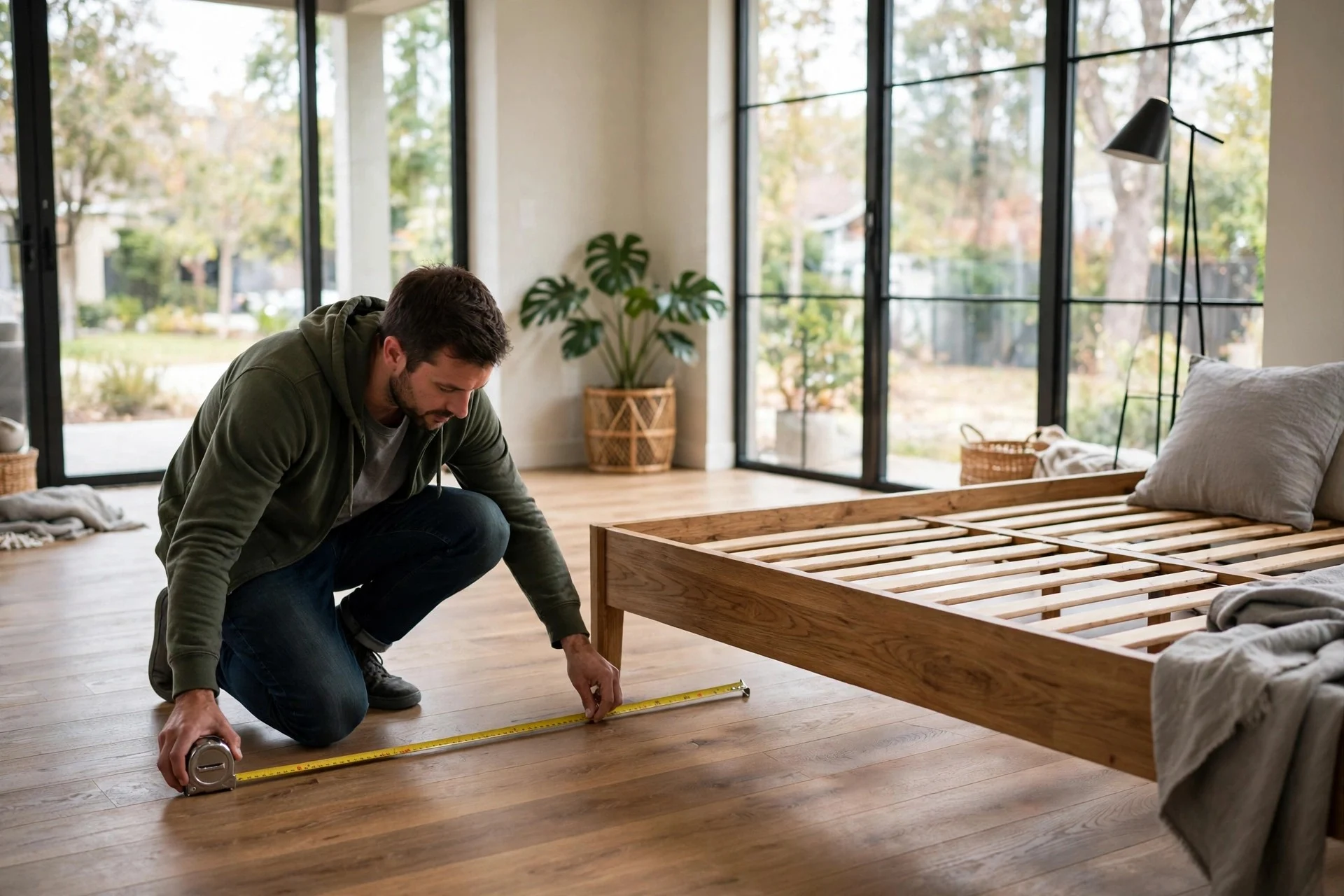
Grab a tape measure and a piece of paper before you shop, and draw the room to scale, even roughly. Mark the door swing, the wardrobe doors, the radiator, and the plug sockets you actually use, because a bed that covers a socket you need for a lamp is a small daily irritation. Tape the bed’s footprint on the floor with painter’s tape, including the frame, not just the mattress, and live with the outline for a day. Walk around it, open the doors, and pull out a drawer. That ten-minute test tells you more than any showroom visit, where rooms are always bigger than yours.
8. Leave Real Walkways, Not Just Gaps
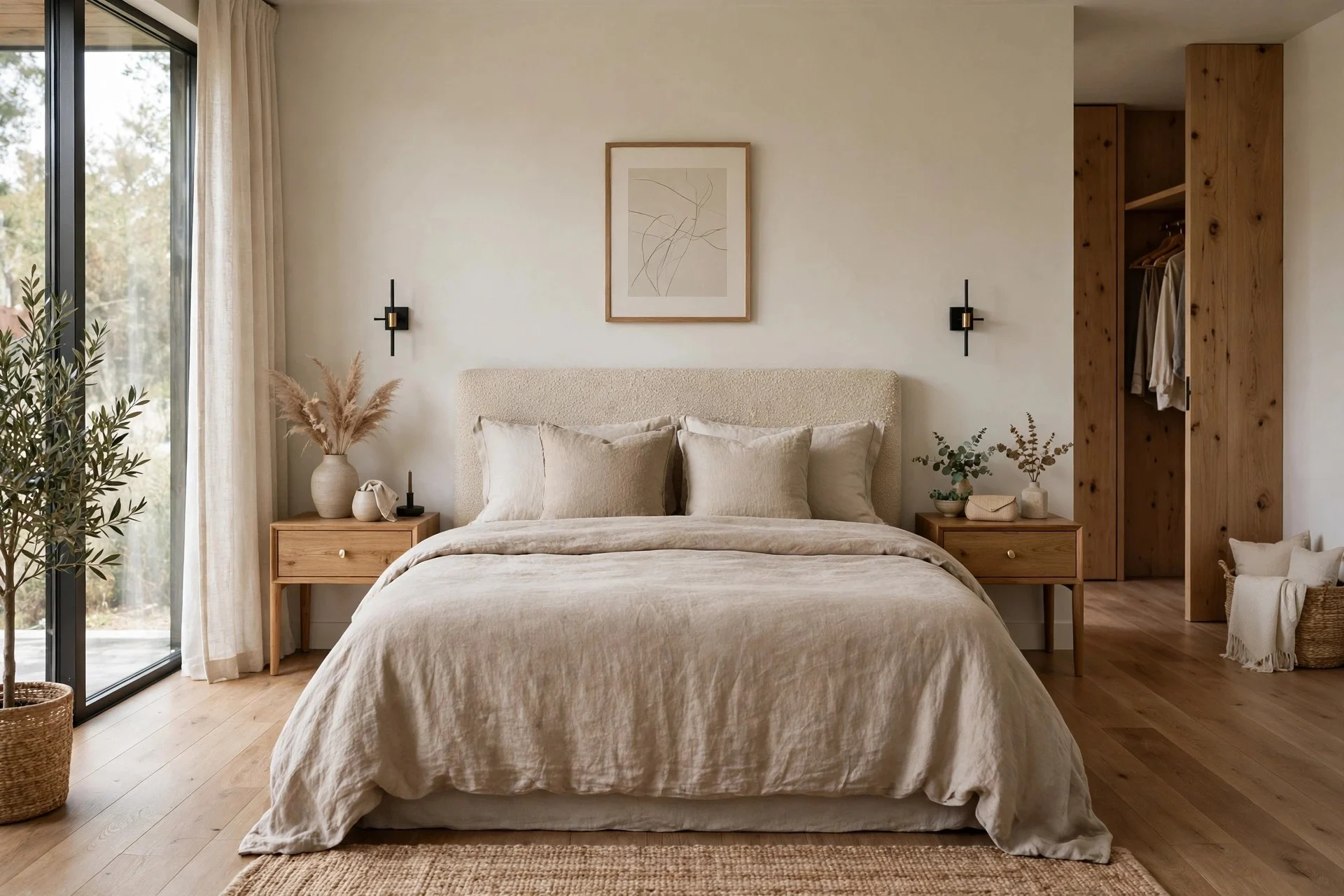
Aim for at least 24 inches of clear walkway on each side of the bed you use, and 30 inches where you dress or open drawers. Less than that, and you will shuffle sideways every morning, catch your hip on the nightstand, and start resenting a bed you otherwise like. If the room only allows a walkway on one side, put the less mobile sleeper on the wall side, and keep that side’s nightstand slim or wall-mounted. A bed pushed into a corner saves floor space on paper, but it makes changing the sheets a wrestling match, so keep at least one long side accessible if you can. For the same clear-floor logic applied to the whole room, see our guide on how to make a small bedroom feel twice as big.
9. Think About Who Sleeps in It, Honestly
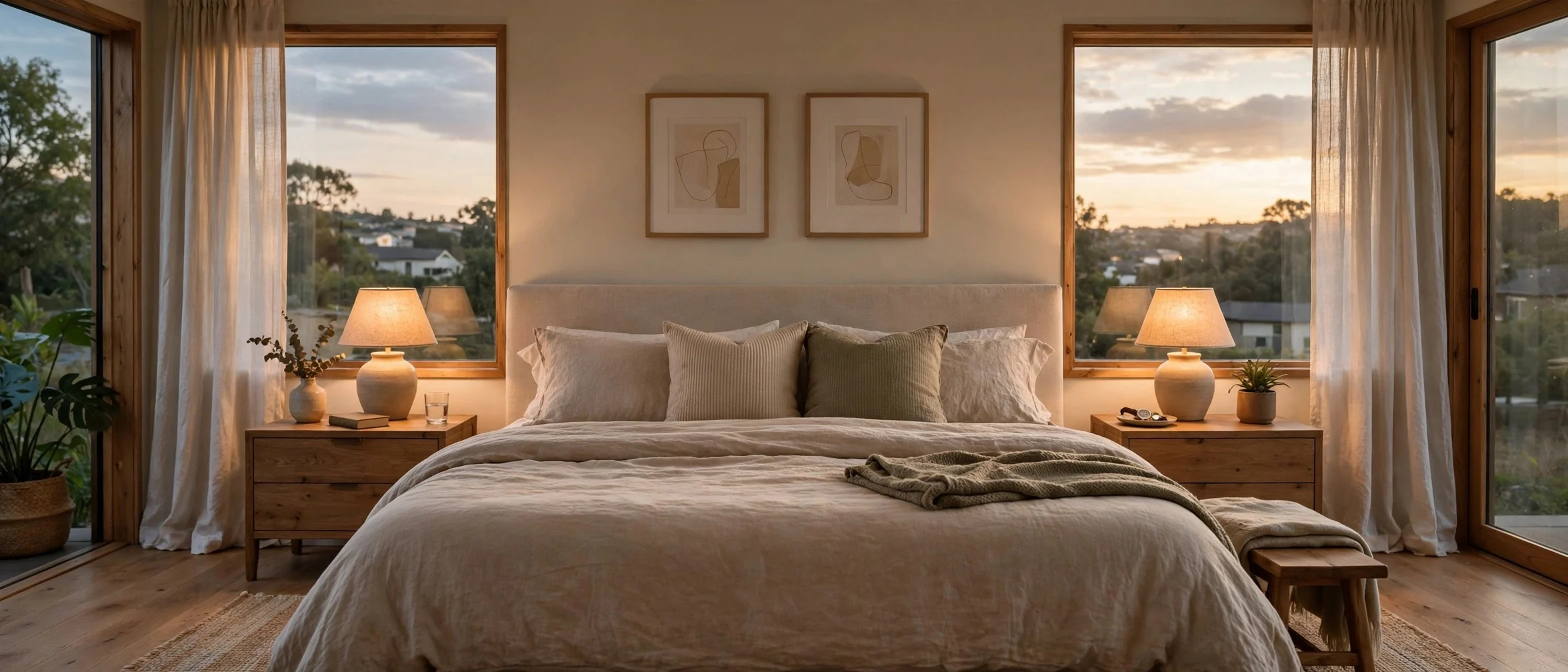
Bed size is really a question about two bodies, not one bed. Two adults who sleep still and close together can manage a queen happily for years. Two restless sleepers, a tall partner, or a household where kids climb in at dawn will be far happier in a king. Be honest about pets too: a medium dog at the foot of the bed eats a foot of length, and a cat that sleeps across your legs eats width you thought was yours. Buy for the household you have, not the one in the brochure, and remember that a bigger bed is cheaper than years of poor sleep.
10. Kids, Guests, and Rooms That Change Jobs
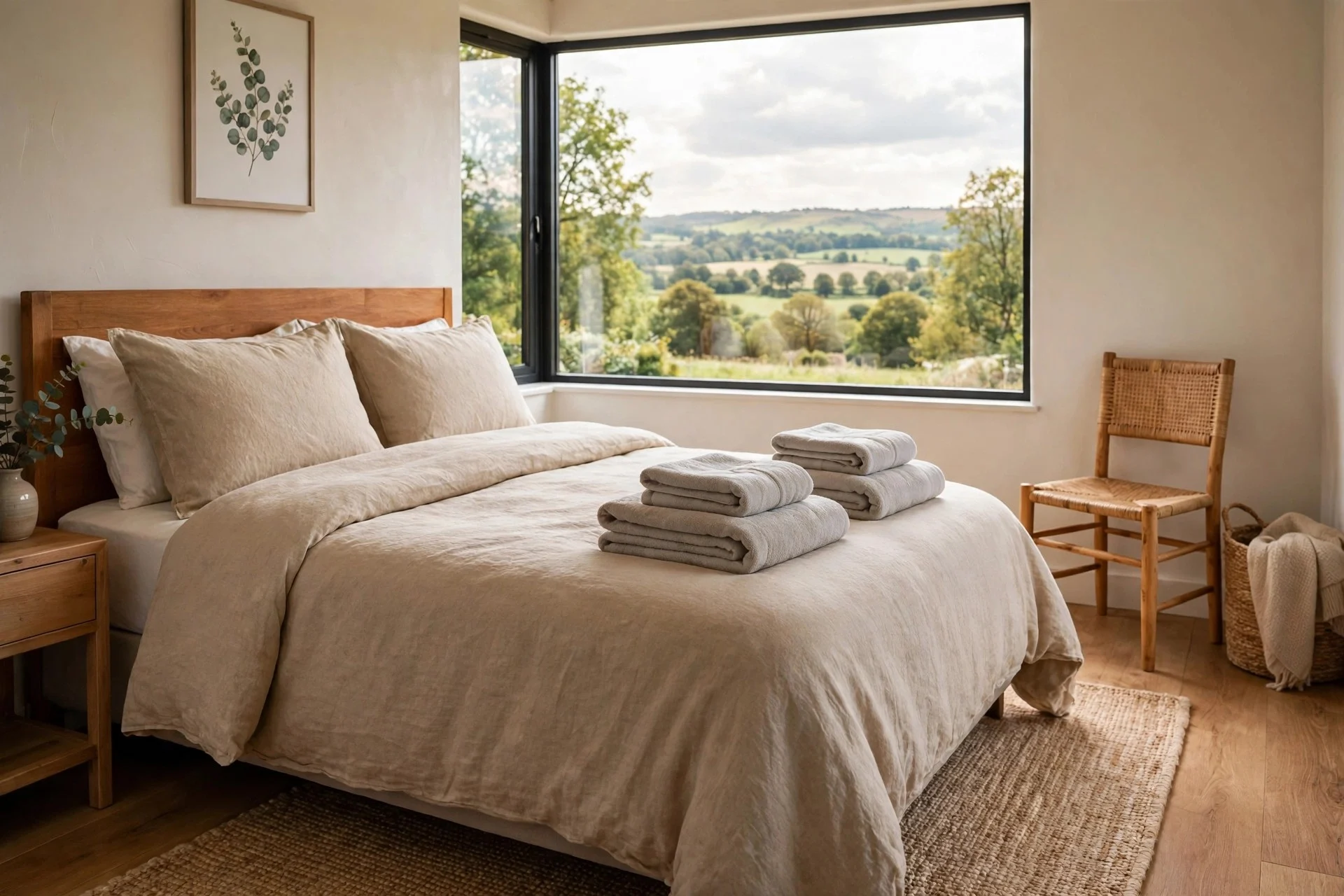
Kids grow, and a bed bought for a seven-year-old will be slept in by a teenager sooner than you expect. A twin XL or a full gives a growing child room without forcing a second purchase in three years, and both work as guest beds later. For a dedicated guest room, a queen is the most welcoming choice if it fits, because guests of all sizes sleep well in it, and a full is a fair second choice in a smaller room. If the room also works as an office, a twin or a full leaves space for a desk that a queen would crowd out. Our 15 bedroom organization ideas for clutter-free mornings covers the storage side of a room that has to do two jobs at once.
11. Count the Frame, Not Just the Mattress
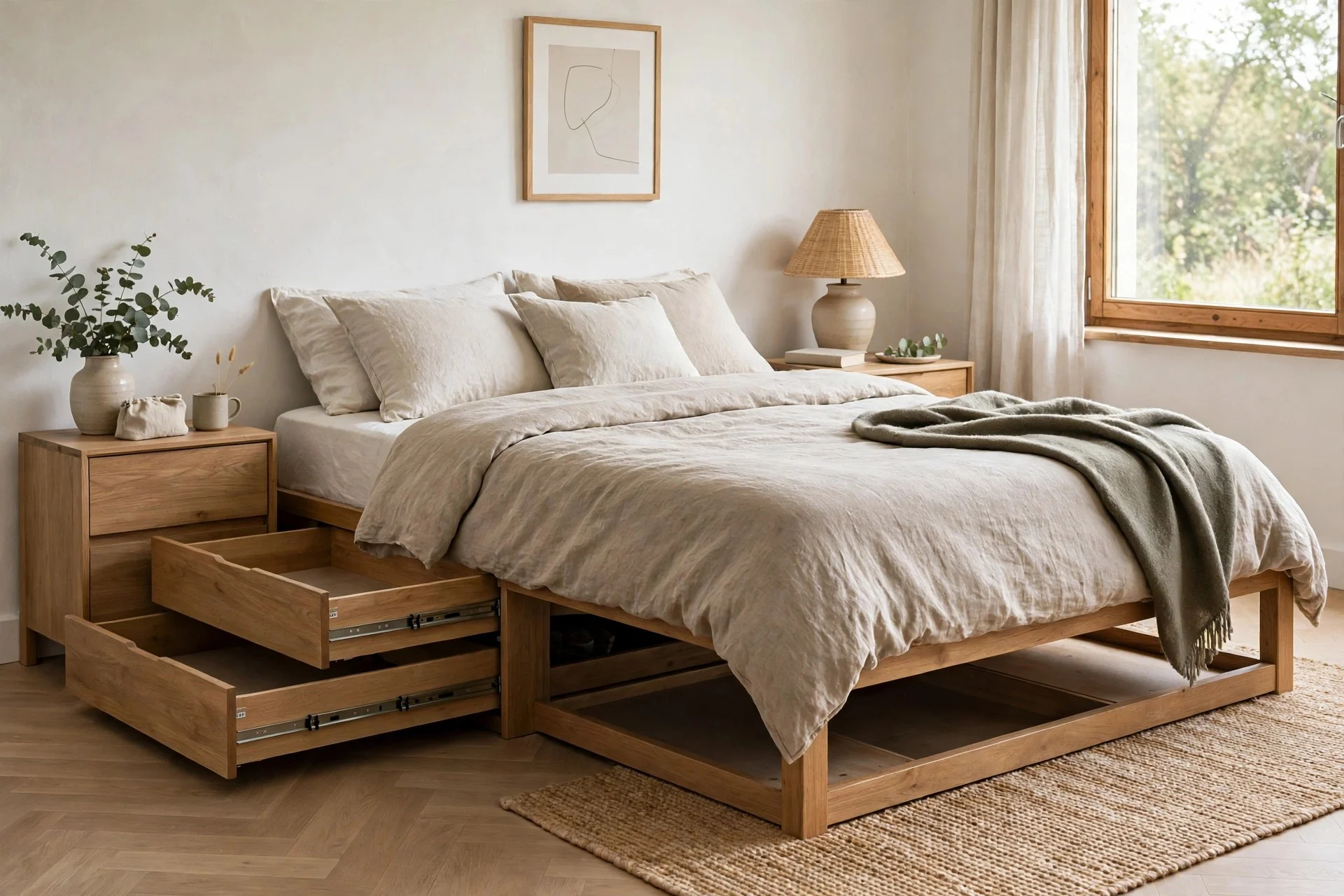
Mattress dimensions are only half the footprint. A chunky wooden frame can add six inches or more on each side, a tall headboard eats wall space, and a storage bed with drawers needs clear floor in front of each drawer to open. Low platform frames save visual height and make a small room feel larger, while a tall, padded headboard can dominate a short wall. Check the full external dimensions on the retailer’s spec sheet, including the headboard height against your window sill or picture rail, before you order. If storage matters more than looks, a storage bed is worth its footprint, as our guide to 23 cozy bedroom ideas for cold months shows with its under-bed and basket storage ideas.
12. The Final Check: Size Up or Size Down?
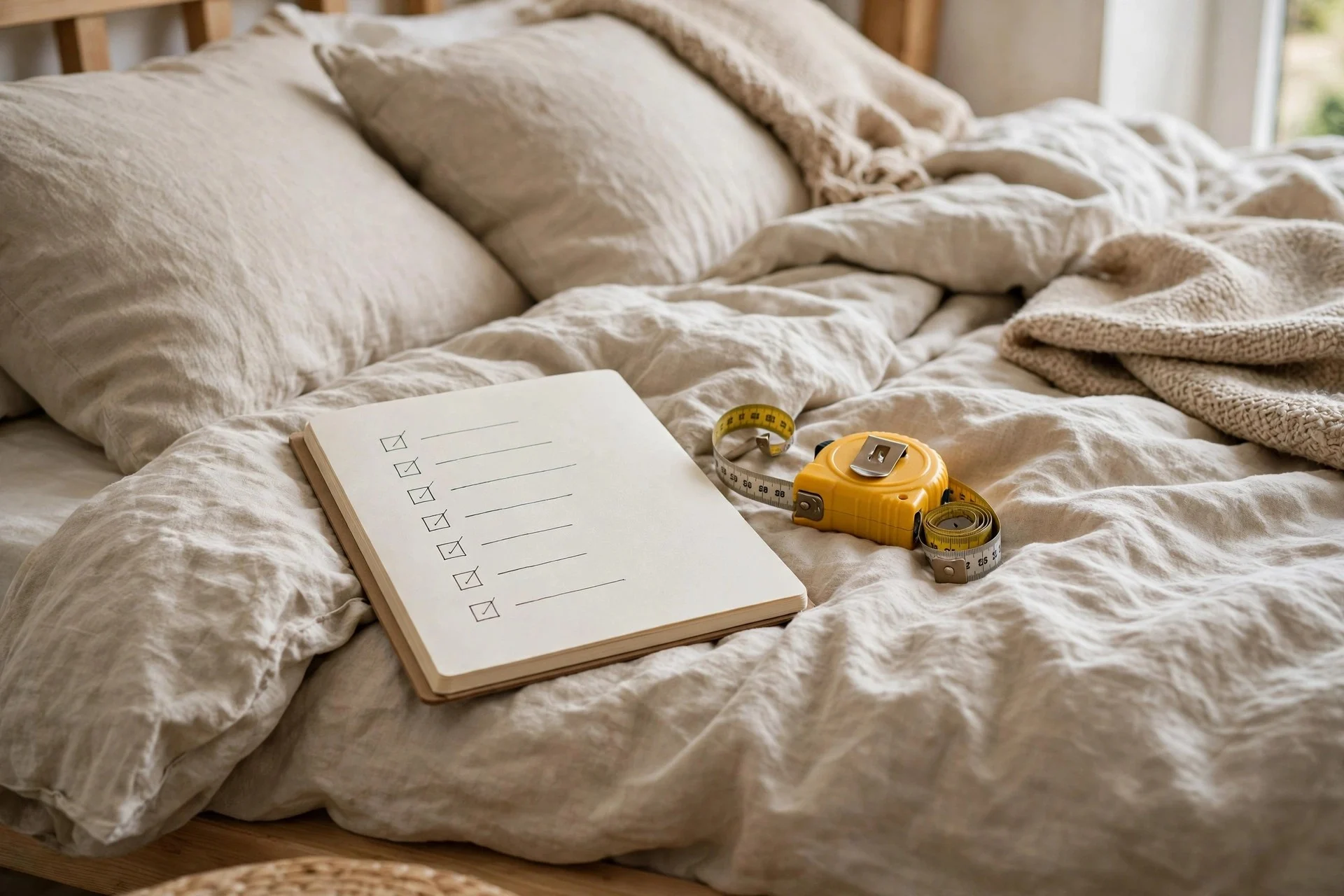
When you are torn between two sizes, run this quick check. First, does the larger bed leave 24 inches of walkway on the sides you use? If not, size down. Second, will two people sleep in it most nights? If yes, and the room allows it, size up. Third, can you buy bedding for it easily and afford a full set? If not, think twice. Fourth, does it block a door, a drawer, or a socket you use daily? If yes, size down or rearrange the room first. Most people regret a bed that is too small more often than one that is too big, but only when the bigger bed still leaves a room you can move through comfortably.
Start with the tape measure, not the catalogue. Note the room’s real dimensions, the walkways you need, and who actually sleeps in the bed, then match those numbers to the table at the top. Get those three things right, and the bed you buy will feel like it was always meant to be there.
Frequently Asked Questions
What is the most popular bed size?
Queen, at 60 by 80 inches. It suits most couples, fits most bedrooms, and has the widest range of bedding and frames available.
Can a king bed fit in a 10 by 12 foot room?
It can fit against the wall, but it usually leaves cramped walkways and little room for nightstands. A queen is generally a better fit for a 10 by 12 foot room, unless the room has no other large furniture.
Is a California king bigger than a king?
Not in total area. A California king is longer at 84 inches but narrower at 72 inches, while a standard king is wider at 76 inches but shorter at 80 inches. Choose based on height and room shape, not on the name.
How much walkway space should I leave around a bed?
Allow at least 24 inches on each used side, and 30 inches where you dress or open drawers. Less than that makes daily use awkward, even if the bed itself fits.