

Fit matters more than any trend for this role. These 18 plus size mother of the bride dresses focus on genuine comfort and flattering structure.
Mother of the bride dressing already carries enough pressure without the added frustration of limited plus size options that were clearly an afterthought in the design process. The good news is that fit-focused, genuinely flattering options exist across nearly every silhouette category, provided you know which structural details actually matter most for plus size bodies specifically.
I’ve been in enough dressing rooms with moms navigating this exact search to know that the dresses that ended up working best weren’t chosen because they hid anything — they were chosen because the structure, fabric, and support actually matched how the body moves and sits for a full day of celebration.
What Fit Actually Means for This Category Specifically
Before getting into specific dress ideas, it’s worth clarifying what “fit” should really prioritize for a long, emotionally significant event like a wedding.
- Built-in structure, like boning or shapewear-style linings, provides support without requiring separate, uncomfortable undergarments.
- Fabric with good stretch recovery holds its shape through hours of standing, sitting, hugging, and dancing.
- Proper bust and waist definition matters more for a flattering silhouette than the specific style or trend of the dress itself.
Structured Silhouettes with Built-In Support
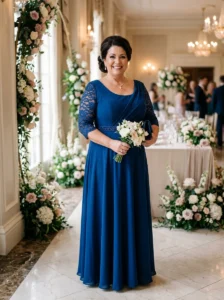
Several silhouettes offer structural support directly built into the garment, reducing the need for additional shapewear and improving all-day comfort.
1. A-Line Gown with a Built-In Bodice Liner An A-line silhouette with an internal structured liner offers bust support and a flattering, elongating shape without requiring separate undergarments.
2. Fit-and-Flare Dress with Boning Through the Bodice
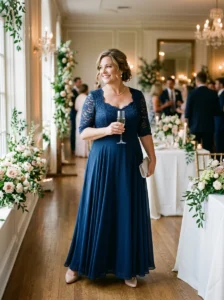
Boning through the bodice provides genuine structure and support, particularly helpful for a fitted look that holds its shape through a long event.
3. Empire Waist Gown with Structured Support An empire waistline paired with built-in bust support offers both comfort and flattering definition, particularly well-suited to fuller busts.
Flowing Silhouettes for Comfortable Movement
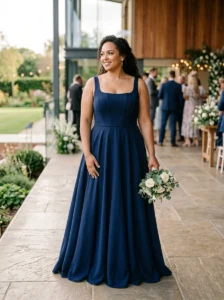
For moms who prioritize comfort and ease of movement above structured fit, flowing silhouettes offer elegance without any restriction.
4. Chiffon A-Line Gown A flowing chiffon A-line gown skims the body comfortably while offering the movement needed for dancing and long hours of standing.
5. Draped Jersey Dress
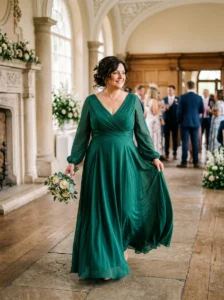
Draped jersey fabric offers stretch and recovery, moving comfortably with the body throughout a full day without losing its shape.
6. Tiered Maxi Dress A tiered, flowing maxi dress adds visual movement and texture while remaining genuinely comfortable for extended wear.
7. Wrap Dress with an Adjustable Tie A wrap-style dress allows for adjustable fit throughout the day, accommodating comfort changes after meals or extended sitting.
Two-Piece and Separates Options
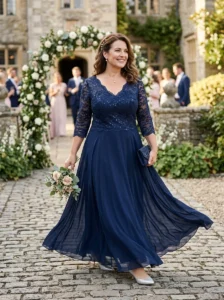
Separates offer more flexibility for fit customization, allowing the top and bottom to be sized independently for a more precise overall fit.
8. Fitted Top with a Flowing Skirt Set Pairing a fitted, structured top with a separate flowing skirt allows each piece to be sized for its specific area, often resulting in a better overall fit than a single dress.
9. Jacket and Dress Combination
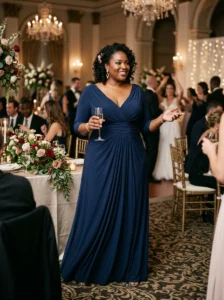
A tailored jacket paired with a simple sheath or A-line dress underneath adds structure and coverage options that can be adjusted throughout the event.
10. Blouse and Wide-Leg Palazzo Pant Set A dressy blouse paired with wide-leg palazzo pants offers a modern, comfortable alternative to a traditional gown, particularly well-suited to warm-weather weddings.
Sleeve and Coverage Options for Comfort and Confidence
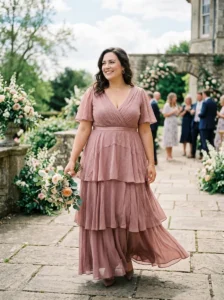
Sleeve length significantly affects both comfort and confidence, and several modern options balance coverage with a current, elegant look.
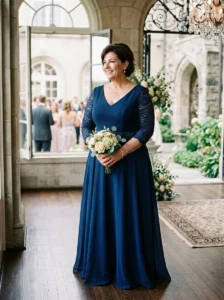
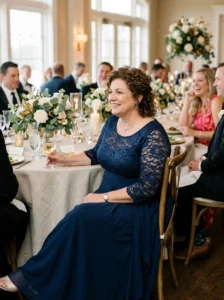
11. Three-Quarter Sleeve Lace Gown A three-quarter sleeve offers coverage and warmth without feeling overly conservative, particularly effective when paired with a lace overlay for texture.
12. Illusion Sleeve with Structured Support
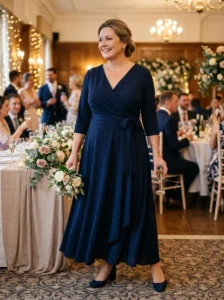
An illusion sleeve, appearing sheer while providing coverage, adds a sophisticated, modern detail while maintaining structural support underneath.
13. Cape-Sleeve Detail for Added Coverage A dramatic cape sleeve adds coverage and visual interest without clinging to the arms, offering a flattering alternative to traditional fitted sleeves.
Fabric Choices That Balance Structure and Comfort
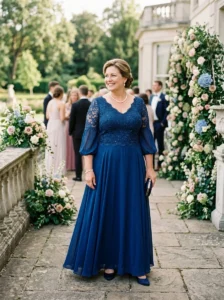
The right fabric significantly affects how a dress performs over a long day, particularly for a role that involves hours of standing, sitting, and moving.
14. Structured Crepe for All-Day Shape Retention Crepe fabric holds its structure well without excessive stretching or sagging, making it a reliable choice for a long, active event.
15. Stretch Lace Overlay for Flexibility
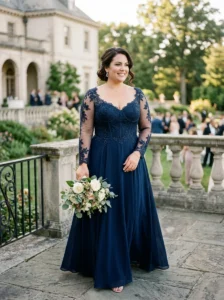
Stretch lace combines the elegant texture of traditional lace with the flexibility needed for comfortable movement throughout the day.
16. Matte Jersey for Breathability and Stretch Matte jersey offers both stretch and breathability, particularly useful for warm-weather weddings or outdoor ceremonies.
Color and Detail Choices That Feel Elevated
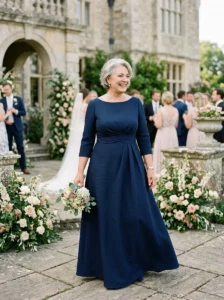
Beyond fit, color and detail choices help ensure the dress feels appropriately elevated and personal for such a significant occasion.
- Deep jewel tones like emerald, sapphire, or burgundy photograph beautifully and suit most wedding color palettes.
- Subtle metallic or beaded detailing adds formal polish without requiring a fully embellished gown.
- Soft, muted neutrals like champagne or dusty blue offer an elegant alternative for daytime or outdoor weddings.
Key Takeaways
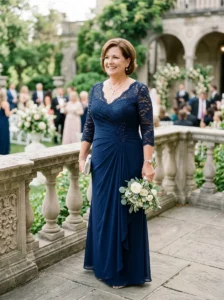
- Built-in structural support, like boning or lined bodices, improves comfort without needing separate shapewear.
- Flowing fabrics with good stretch recovery offer both elegance and genuine all-day comfort.
- Separates allow more precise fit customization than a single dress, particularly for differing top and bottom sizing needs.
- Sleeve and coverage options have expanded significantly, balancing modern style with comfort and confidence.
- Fabric choice affects how well a dress holds its shape and comfort level throughout a long, active event.
Conclusion
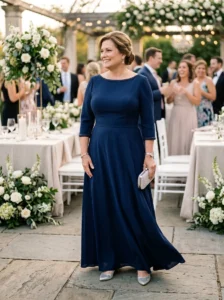
Finding a mother of the bride dress that genuinely fits well isn’t about settling for limited options — it’s about understanding which structural and fabric details actually matter for comfort and confidence throughout a long, meaningful day. From structured A-line gowns with built-in support to flowing jersey dresses that move comfortably through hours of celebration, these eighteen ideas focus on dresses that perform as well as they look. The right fit changes how the entire day feels, not just how the photos turn out.
Frequently Asked Questions
1. Do I need separate shapewear if a dress has built-in structure? Often not, since many structured gowns include boning or a lined bodice designed to provide support on their own. Trying the dress on for an extended period, including sitting and moving, helps determine whether additional support is genuinely needed.
2. What fabric holds up best for a full day of standing, sitting, and dancing? Fabrics with good stretch recovery, like matte jersey or stretch crepe, tend to perform best over a long event, maintaining their shape without sagging or requiring constant readjustment.
3. Are separates a good option if my top and bottom sizes don’t match a standard dress size? Yes, separates like a fitted top paired with a flowing skirt allow each piece to be sized independently, often resulting in a more precise, comfortable fit than a single dress designed for an average proportion.
4. What sleeve options offer both coverage and a modern look? Three-quarter sleeves, illusion sleeves, and cape sleeves all offer coverage while feeling considerably more current than traditional long or fully covered sleeve styles from decades past.
5. How far in advance should I start shopping for a plus size mother of the bride dress? Starting at least four to six months before the wedding is generally recommended, since alterations for structured or fitted styles can take additional time, and this allows enough room for any needed adjustments closer to the event.