


How to Transition Winter Decor Into Spring
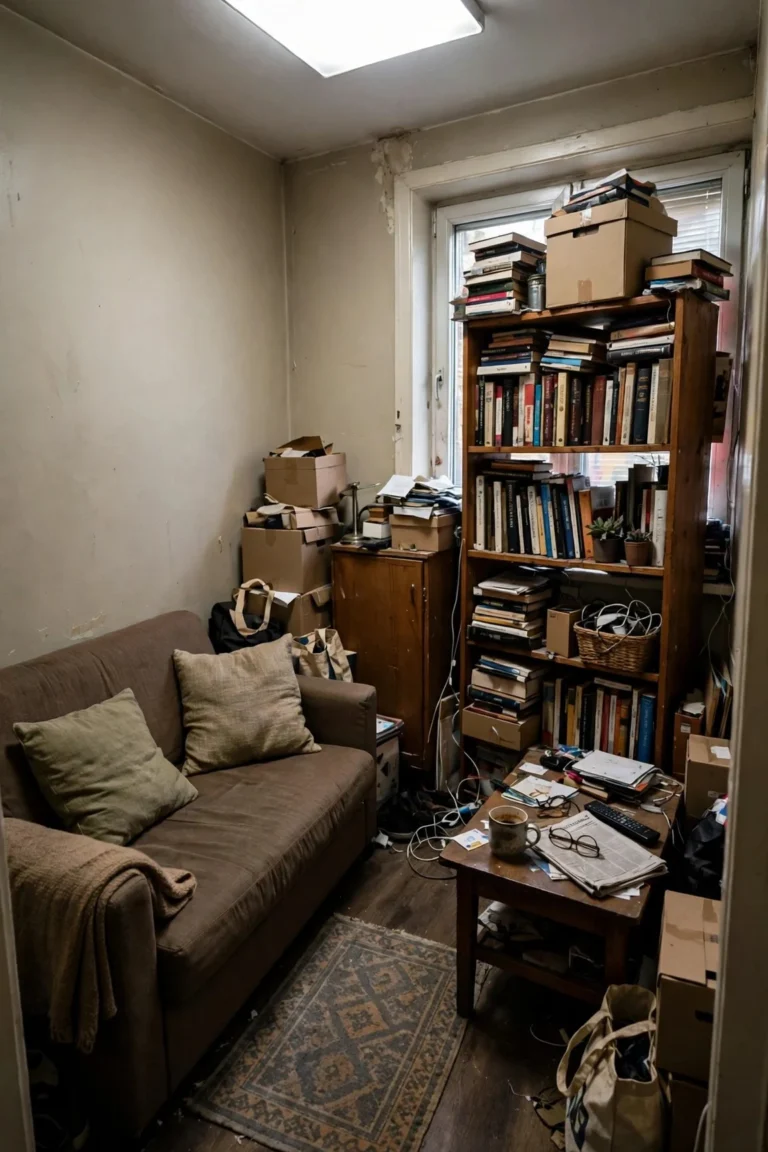
Every year I hit the same awkward week: the heavy blankets feel too much, but the house still looks like January, and ripping everything out at once leaves rooms feeling bare. A good winter to spring decor change is not a full redecoration, it is a slow handover. Over about two weekends, I swap weight for lightness, deep colour for fresh colour, and evergreen for living green, one room at a time. Here are the twelve steps I actually follow, in the order that keeps the house feeling finished at every stage.
1. Start With a Slow Walk-Through, Not a Shopping Trip
Before you buy a single spring thing, walk your home slowly with a notebook and look at each room the way a guest would. First, note what still earns its place, like the chunky knit throw you genuinely use every evening. Then flag what feels tired or purely seasonal, such as the pinecone bowl that has been gathering dust since December. Finally, list the three spots that would change the whole mood if they lightened up, usually the sofa, the mantel, and the front door. I did this last March and realised half my “need to buy” list was already sitting in a cupboard. This one honest hour saves money and stops the spring refresh from turning into clutter with flowers on top.

2. Swap Heavy Throws for Lighter Layers
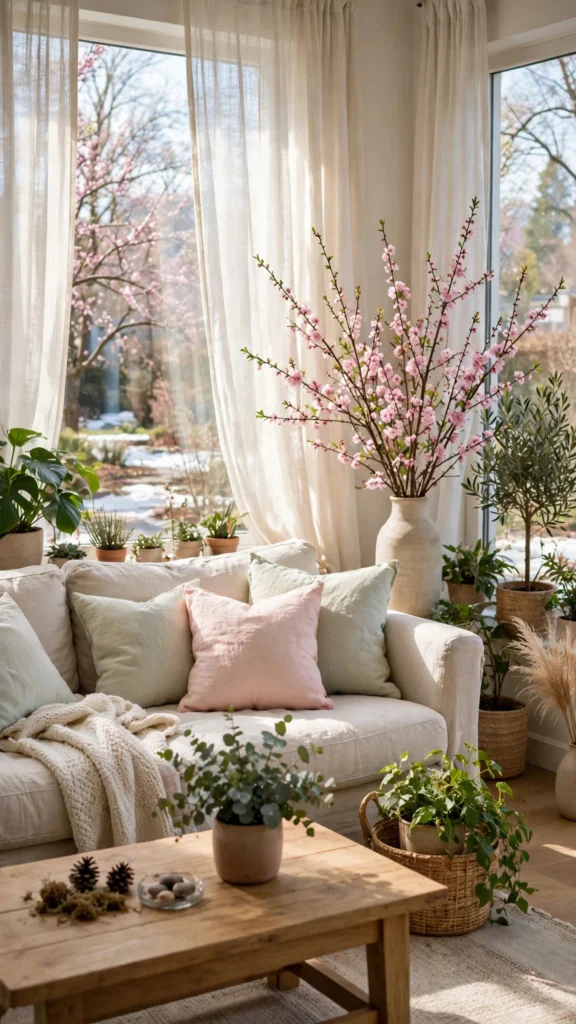
Throws are the fastest seasonal signal in a room, so start here. First, fold away the thickest wool and faux-fur blankets, but keep one mid-weight throw on the sofa for chilly evenings, because spring is not summer yet. Then drape a lighter cotton or linen throw in a soft colour over the arm of the chair instead, and swap a dark cushion cover or two for pale ones you already own. I kept my grey wool throw out far too long one year and the whole room felt like February until the day I finally folded it away. The trick is layering down gradually, not going from blanket fort to bare sofa overnight, which is exactly how a thoughtful winter to spring decor shift should feel.

3. Retire the Deep Winter Palette Gradually
Deep burgundy, forest green, and charcoal looked rich in December, but they can drag a room down once the days lengthen. First, pick one deep accent per room to remove, not all of them at once. Then replace it with a lighter tone in the same family, like swapping burgundy cushions for blush or forest green for sage. Finally, leave one deeper piece, perhaps a dark wood frame or a navy vase, so the room still has grounding. I once stripped every dark item in one afternoon and my living room looked washed out and unfinished for weeks. Keeping one anchor colour while the rest lifts is what makes the change feel intentional rather than accidental.

4. Let the Light Back In at the Windows
Winter windows tend to be dressed for insulation and mood: heavy curtains drawn early, dark linings, fairy lights doing the heavy lifting. First, wash the glass inside and out, because months of condensation and dust genuinely dim a room. Then swap heavy drapes for sheers or lighter linen panels, or simply tie your existing curtains back wider so more daylight reaches in. Finally, move any tall plant or stack of books that blocks a window, even by a few inches. The first morning I did this properly, I walked into the kitchen and actually blinked, and that extra light did more than any new purchase. For more ideas on refreshing rooms cheaply after winter, see these January home refresh ideas that cost almost nothing.

5. Trade Evergreen for Fresh Buds and Branches
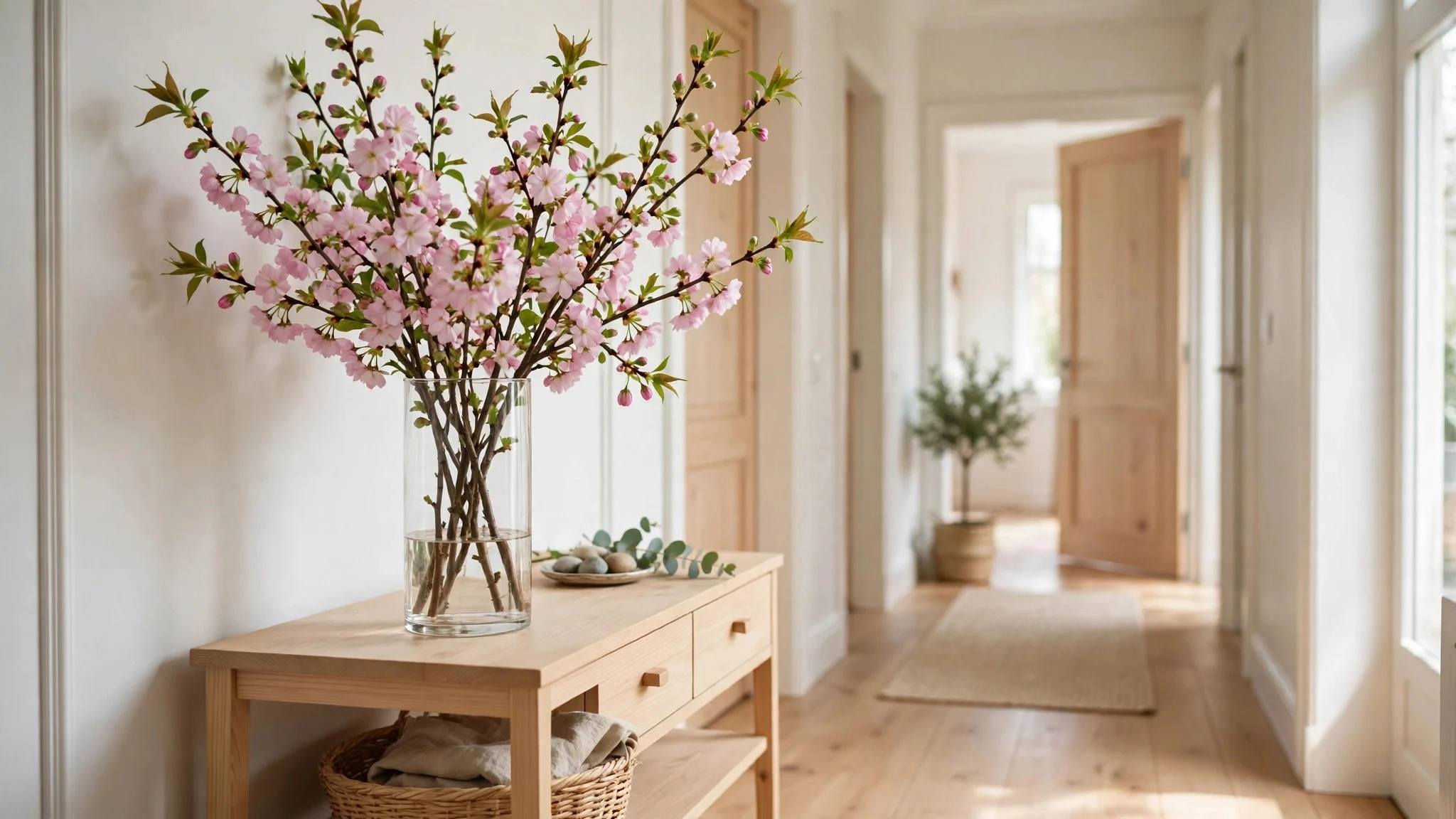
Nothing says “winter is over” like replacing stiff evergreen with something alive. First, take down any remaining pine, fir, or dried winter stems, even the ones you have stopped noticing. Then bring in fresh branches, flowering quince, pussy willow, or simple blossom stems from the garden or a market bunch, and stand them tall in a clear vase. Finally, add one small potted plant to the spot where the winter arrangement sat, so the surface does not look empty. I cut a few branches from a neighbour’s overhanging tree last spring, with permission, and they lasted three weeks in water. Fresh green is the single cheapest way to make a home feel like spring has actually arrived.
6. Give the Entryway a Spring Reset
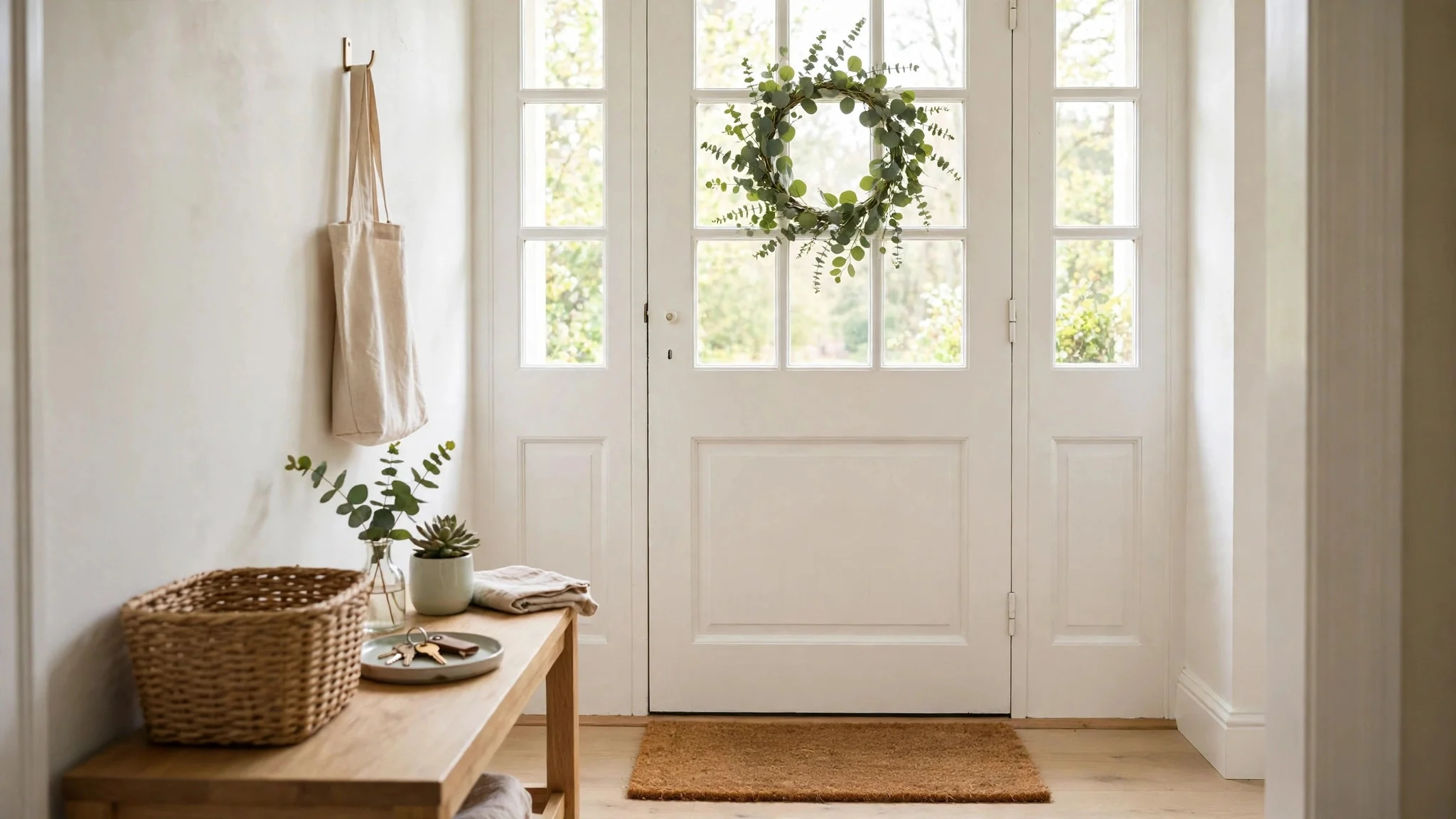
The entryway sets the tone for the whole house, and it is usually where winter lingers longest: boots by the door, a heavy mat, a dark wreath. First, swap the thick winter doormat for a lighter coir or patterned one and shake out the old one outside. Then replace the winter wreath with a simple greenery or eucalyptus wreath, or nothing at all if your door looks better bare. Finally, put a small tray or basket for keys and sunglasses near the door, so the space works for spring outings. I changed only my entryway one Saturday and every time I came home that week the house felt different. Small space, outsized effect, and it takes under half an hour.
7. Change the Scent Before You Change Anything Else
Scent works faster than any visual change, and winter scents like cinnamon, pine, and woodsmoke can keep a home feeling like December long after the decorations are gone. First, put away the heavy winter candles and plug-ins, even the half-used ones you feel guilty about. Then bring in something clean and green: a citrus candle, a diffuser with bergamot or fresh linen notes, or simply a bowl of lemons on the counter. Finally, open the windows for ten minutes a day when the weather allows, because no product beats actual fresh air. I lit a lemon candle the same day I swapped my throws and my partner asked what else I had redecorated. Nothing, just the scent, but the whole house felt new.

8. Rotate Artwork, Pillows, and Small Textiles
You do not need new art to make walls feel spring-like; you need rotation. First, pull two or three framed prints or photos from a spare room or a cupboard and swap them with the darkest pieces in the living room. Then change table runners, tea towels, and cushion covers for lighter versions, even if they are just plain linen in a pale shade. Finally, fold a bright throw over the back of a dining chair or drape it on a ladder shelf for a casual pop of colour. I keep a small box of “spring textiles” in the linen cupboard now, and swapping them in feels like a little ritual each March. If you enjoy seasonal swaps like this, you will also like this guide on how to transition Christmas decor into winter decor, which uses the same gradual approach.

9. Lighten the Bedroom Without Losing Cosiness
Bedrooms hold winter the longest because a heavy duvet feels so safe. First, swap a dark or heavy duvet cover for a lighter cotton one in white, pale blue, or soft green, and keep the warm duvet itself underneath for now. Then fold the thickest blanket to the foot of the bed instead of over the pillows, so the bed looks lighter but still feels warm at night. Finally, change one bedside detail, like a small vase of fresh flowers or a lighter lampshade. I made this change in stages over a week and slept just as well, but waking up to pale bedding genuinely made mornings easier. Spring bedrooms should feel airy, not cold, and keeping the warm layers within reach is the difference.

10. Refresh the Table for Longer, Lighter Evenings
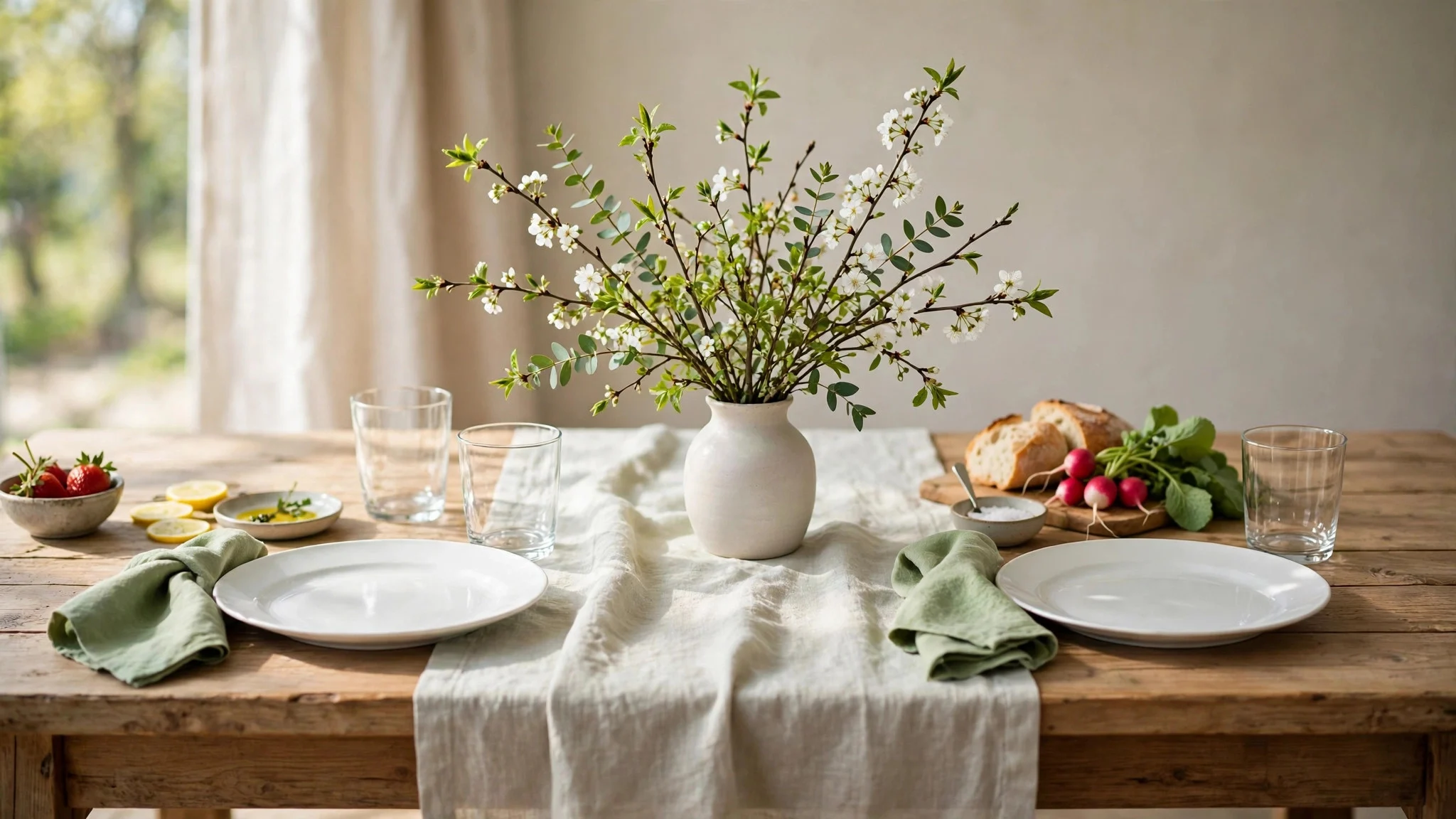
As evenings get longer, the dining table deserves the same lightening treatment as the sofa. First, retire the dark tablecloth or heavy runner and use a bare wood surface or a pale linen runner instead. Then set out lighter tableware for everyday meals, white or cream plates, clear glasses, and a simple centrepiece of fresh stems rather than candles in dark holders. Finally, add one spring touch that makes meals feel special, like cloth napkins in a soft colour or a small bowl of seasonal fruit. I started eating dinner by daylight again in March and realised the table had been dressed for candlelit winter meals for months. A lighter table quietly invites longer, slower meals, which is half the point of spring.
11. Bridge the Porch and Balcony Between Seasons
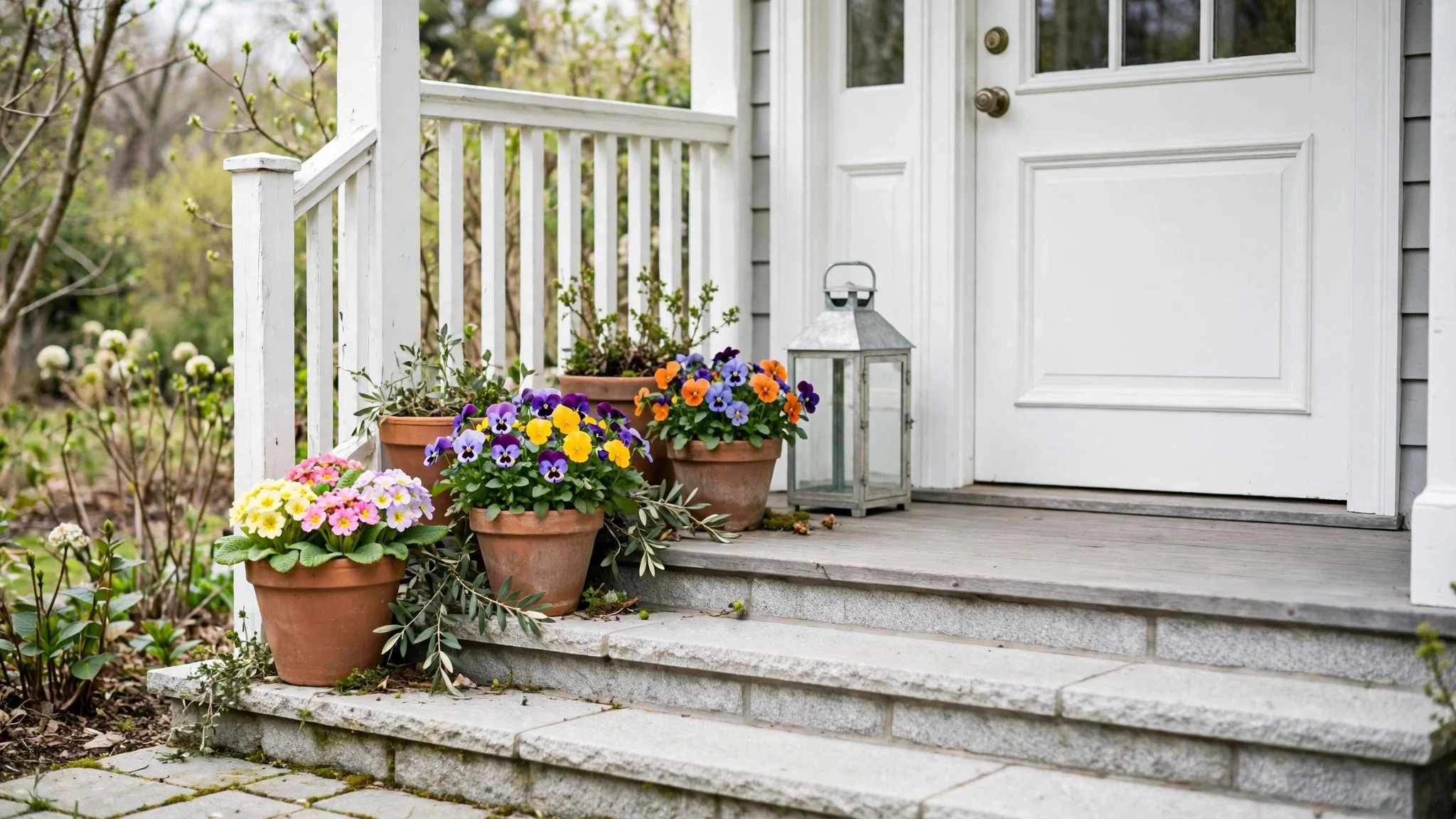
Outdoor spaces are the trickiest part of the transition because frost can still appear, so treat them as a bridge, not a full spring launch. First, sweep away winter debris, dead leaves, and salt marks from pots and steps. Then add hardy early plants like primroses, pansies, or potted bulbs that can handle a cold snap, rather than tender summer flowers. Finally, swap one winter outdoor item, such as a heavy door wreath or a dark lantern, for a lighter version, and leave the chunky outdoor blanket in a basket by the door for cool evenings. I lost a tray of tender seedlings to one late frost years ago, so now I plant hardy first and wait. For keeping the inside feeling warm while the outside catches up, these tips on how to make your home feel warm all winter long still work beautifully in early spring.
12. Store Winter Properly and Keep a Bridge Box
The final step is also the one that makes next winter easier: store things properly instead of shoving them in a cupboard. First, clean and dry every winter textile before packing it, because a damp throw stored in March smells terrible in November. Then label boxes clearly by room, and keep one small “bridge box” of transitional items, like a mid-weight throw, a pair of candle lanterns, and the sage cushions, that you can reach easily if a cold week returns. Finally, note what you did not use all winter and donate or retire it before next year. I used to dread the winter box, but labelling it properly last year meant this January’s decorating took an afternoon, not a weekend. A tidy ending is what turns a one-off refresh into a yearly rhythm.

Frequently Asked Questions
When should I start transitioning winter decor to spring?
Start when the days noticeably lengthen and you stop lighting candles at four in the afternoon, usually late February to mid-March depending on your climate. Begin with scent, throws, and windows, and save outdoor planting until the last frost risk has mostly passed in your area.
Do I need to buy new decor for spring?
No, and that is the whole point of a gradual transition. Most homes already own lighter textiles, clear vases, and pale cushion covers tucked in cupboards. Shop your own home first, then buy only one or two fresh items, like stems or a new candle, if a room still feels flat.
How do I keep the house cosy while removing winter layers?
Remove weight in stages rather than all at once. Keep one mid-weight throw, keep the warm duvet under a lighter cover, and keep candles, just in fresher scents. Cosiness comes from texture and warm light, not from heavy fabrics alone, so a linen throw and a lit candle can feel just as inviting.
What if a cold snap comes back after I have switched?
That is exactly why the bridge box in step twelve matters. Keep a throw, a couple of candles, and your heavier cushions within easy reach for a week or two after the swap, so a cold snap means pulling one box out, not redecorating the whole house again.
Spring decorating does not need a big budget or a single dramatic weekend. Swap one layer at a time, let the light and the green do most of the work, and give yourself permission to keep the throw on the sofa until you genuinely do not reach for it anymore. By the time the first real blossom opens outside, your home will already feel like it belongs to the new season.