

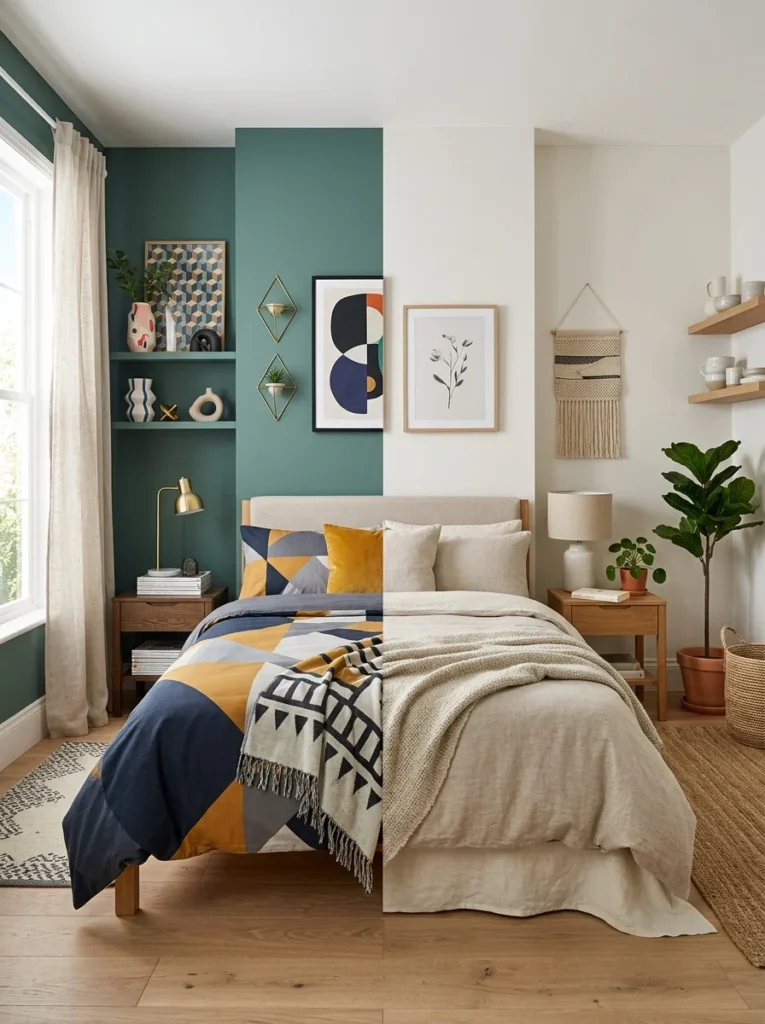
A bedroom furnished around a specific trend eventually looks like exactly that — a snapshot of a moment rather than a considered room. Here’s how to move it toward something that holds up, without starting over.
A bedroom furnished heavily around a specific design trend — whatever that trend happened to be at the time — tends to reach a point where it stops looking current and starts looking dated in a very specific, recognizable way: not simply older, but visibly tied to a particular moment. This is a different problem than a bedroom that’s simply aged gracefully, and it’s worth addressing directly rather than either living with a room that increasingly feels stuck in its original moment, or starting over entirely, which is rarely necessary and rarely the most efficient path forward.
The transition from trendy to lasting is less about replacing everything and more about identifying specifically which elements are trend-tied, which are more genuinely timeless, and making a deliberate, staged plan for addressing the former without discarding the latter unnecessarily.
Identifying What’s Actually Trend-Tied Versus What Just Feels Dated

Not everything that feels slightly off about a room is actually the source of the dated feeling — sometimes a room feels dated because of one or two specific, highly trend-associated elements, while the majority of the room’s furniture and structure is genuinely more neutral and worth keeping. Identifying the specific culprits before starting a broader overhaul avoids the common mistake of replacing far more than necessary.
Highly saturated or specifically trend-associated paint colors — a very particular shade that was widely popular during a specific design era — are frequently the single most dating element in a room, more so than furniture shape or material, since color trends tend to move faster and more visibly than furniture style trends do. As covered in more detail elsewhere in this series regarding accent walls and bedroom color generally, this is often the highest-leverage single change available, both because it’s relatively low-cost to address and because it’s frequently the primary source of the dated impression.
Hardware and fixture finishes — a specific metal tone or style that was dominant during a particular trend cycle — are the next most common source of a dated feeling, and, as covered elsewhere in this series regarding low-cost refreshes, are comparatively inexpensive to update relative to furniture replacement.
Furniture shape and silhouette are generally the slowest-moving trend indicator and often the most expensive to change, which is why furniture is usually the last category worth addressing in a transition plan, after color and hardware have already been reconsidered — a genuinely well-made piece of furniture in a dated color or finish can often be refreshed rather than replaced, addressed in more detail below.
A Staged Approach Avoids the All-or-Nothing Trap
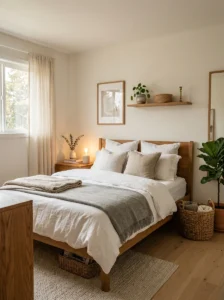
Attempting to transition an entire room at once is expensive, disruptive, and often unnecessary, given that a smaller number of targeted changes frequently resolves most of the dated impression. A staged approach — addressing the highest-leverage, lowest-cost changes first, then evaluating whether further changes are actually still needed — is both more affordable and more likely to avoid over-correcting into an entirely new trend that will eventually face the same aging problem.
The recommended sequence generally follows the leverage-versus-cost pattern established above: wall color and any trend-specific paint treatment first, since it’s comparatively inexpensive and often the single largest contributor to a dated feeling; hardware and fixture finishes second, since these are moderately priced updates with a disproportionate visual impact; and furniture last, reserved for pieces that are either functionally failing or so specifically trend-tied in shape that a finish or upholstery refresh genuinely can’t resolve the issue.
Pausing to reassess after each stage — rather than committing to a full replacement plan upfront — allows a household to discover that the room already feels considerably more current after addressing color and hardware alone, without needing the furniture-level investment that might have seemed necessary at the outset.
Refinishing and Reupholstering Extend a Trend-Tied Piece’s Useful Life
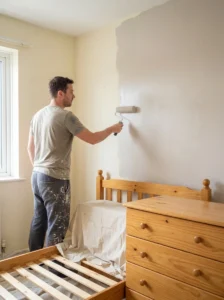
A piece of furniture that’s structurally sound but visually tied to a specific past trend — a dated color, an outdated hardware style, worn or trend-specific upholstery — is frequently a better candidate for refinishing than for replacement, applying the same refresh logic covered elsewhere in this series regarding bathroom vanity refinishing to bedroom furniture specifically.
A dresser or nightstand in a dated paint color or wood stain can generally be sanded, primed, and refinished in a more neutral, longer-lasting tone for a fraction of replacement cost, and a careful refinishing job is often difficult to distinguish from a new piece, particularly once paired with updated hardware.
Reupholstering a headboard or bench, where structurally sound, similarly extends the piece’s life well past its original trend cycle, and allows the household to choose a more neutral, durable fabric — applying the same trend-versus-timeless fabric logic covered elsewhere in this series regarding sofa color longevity — without the cost of an entirely new piece.
Building Toward a More Timeless Foundation Going Forward
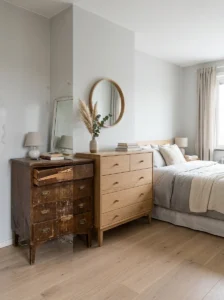
As covered in more detail elsewhere in this series regarding sofa color and accent wall choices, the most sustainable long-term strategy is concentrating trend-forward, personally expressive choices in the room’s smaller, more easily changed elements — art, bedding, smaller decor — while keeping the room’s larger, more expensive, and harder-to-change elements in more restrained, longer-lasting territory going forward. A transition away from a currently dated trend is also a natural opportunity to establish this structure for the first time, if it wasn’t in place originally, rather than simply trading one trend for a newer one that will eventually face the same dating problem.
This doesn’t mean the resulting room needs to be devoid of personality or current style — it means the room’s expression of current style and personal taste is concentrated in the elements that can be refreshed easily and affordably as tastes and trends continue to shift, while the room’s foundation remains stable and doesn’t require another full transition cycle in a few years.
Recognizing When Full Replacement Is Actually Warranted

Not every trend-tied piece is worth refinishing rather than replacing — a piece that’s also functionally failing, poorly constructed to begin with, or built around a shape and proportion so specifically trend-tied that no amount of color or hardware update resolves the issue is a reasonable candidate for full replacement rather than refresh. The staged, refinish-first approach outlined above is a starting default, not an absolute rule, and it’s worth being honest about which specific pieces genuinely warrant replacement rather than attempting to refresh every trend-tied item regardless of its actual condition or salvageability.
A reasonable test: if a piece’s construction and proportions are fundamentally sound and only its color, finish, or fabric feels dated, refinishing is very likely to resolve the issue for meaningfully less cost than replacement. If the piece’s actual shape, scale, or structural quality is the problem — not just its surface treatment — replacement is the more sensible path, and it’s worth accepting that upfront rather than investing refinishing effort into a piece that will still feel wrong once refreshed.
Key Takeaways
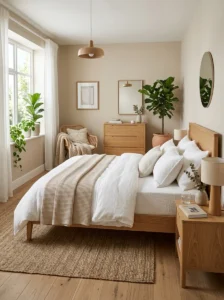
- A dated bedroom is often caused by one or two specific, highly trend-tied elements rather than the entire room, and identifying these specifically avoids replacing more than necessary
- Wall color and paint treatment are typically the highest-leverage, lowest-cost change to address first, followed by hardware and fixture finishes, with furniture replacement reserved as a last resort
- A staged approach — addressing color and hardware first, then reassessing — often reveals that a room feels considerably more current before any furniture-level investment becomes necessary
- Refinishing furniture and reupholstering headboards or benches extends a structurally sound piece’s useful life well past its original trend cycle, at a fraction of replacement cost
- The most sustainable long-term structure concentrates trend-forward, personally expressive choices in small, easily changed elements, while keeping larger furniture and finishes in more restrained, longer-lasting territory going forward
- Full replacement is warranted when a piece’s actual construction, shape, or proportions — not just its surface color or finish — are the source of the dated feeling, since refinishing can’t resolve a structural or proportional trend issue

Frequently Asked Questions
Do I need to replace all my bedroom furniture to make it feel less dated? Usually not — a smaller number of targeted changes, starting with wall color and hardware finishes, frequently resolves most of the dated impression without requiring furniture replacement. It’s worth addressing these lower-cost, higher-leverage changes first and reassessing before committing to a larger furniture investment.
Is it worth refinishing a dated piece of furniture, or is it better to just buy something new? If the piece is structurally sound and only its color, finish, or fabric feels dated, refinishing is generally a better value than replacement, often producing a result that’s difficult to distinguish from a new piece once paired with updated hardware. If the piece’s actual shape or proportions are the issue, refinishing won’t resolve that, and replacement is the more sensible path.
What’s the single most dating element in most bedrooms? Paint color is frequently the single largest contributor, since color trends move faster and more visibly than furniture shape trends do. It’s also one of the least expensive elements to address, which makes it a logical starting point for most transition plans.
How do I avoid ending up back in this same situation with a new trend in a few years? Concentrating trend-forward or personally expressive choices in smaller, easily changed elements — art, bedding, decor — while keeping the room’s larger furniture and finishes in more restrained, timeless territory is the most sustainable structure going forward. This allows the room to feel current through smaller, low-cost updates over time rather than requiring another full transition cycle.
Should I transition the whole room at once, or do it in stages? A staged approach is generally more efficient and more affordable — addressing color and hardware first, then reassessing whether further furniture-level changes are genuinely still needed, rather than committing to a full replacement plan upfront. This often reveals that fewer changes are necessary than initially assumed.